
Reviewed · WORKSHOPS
Rio de Janeiro: Brazilian Cooking Class in Rio de Janeiro
Brazilian food takes center stage here, not as a quick demonstration but as a meal you help create from start to finish. In Copacabana, Chef Simone guides you through seven recipes, from fried cheese with spicy guava jam to the main dish, then sits down with you for the results.
I like the small maximum of seven people, which leaves room for questions and hands-on work. I also like the useful recipe mix: the ingredients are available around the world, so you can repeat the meal at home. The main thing to check is the timing. The activity is listed as three hours in one place and four hours in another, so confirm the start time and expected length when booking.
Key points to know before booking
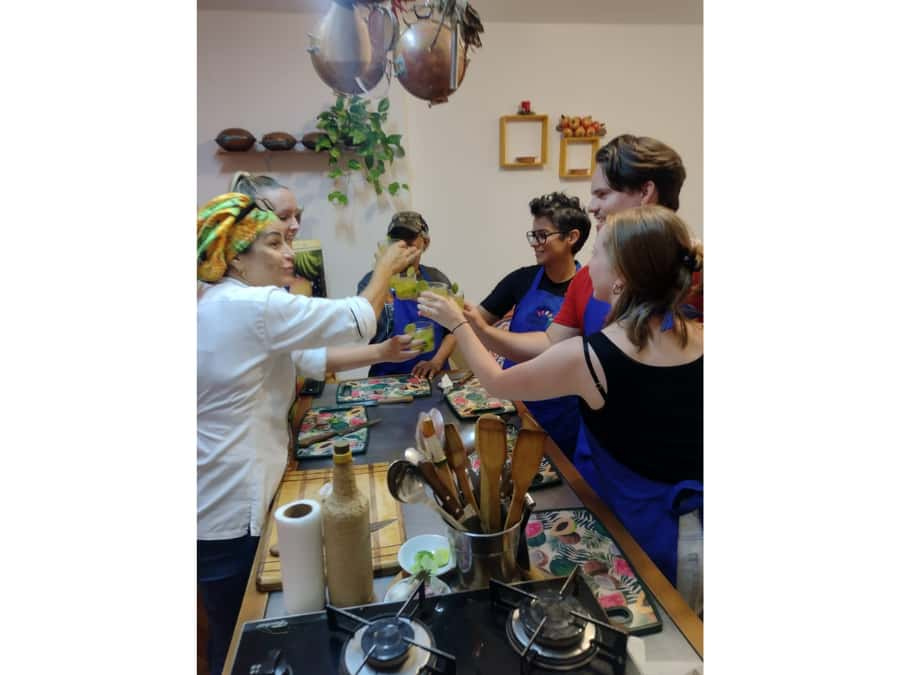
- Chef Simone leads the class: She teaches in English, Portuguese, or Spanish and brings a personal connection to Brazilian food and culture.
- The main dish depends on the day: Seafood moqueca is offered on Mondays, Wednesdays, and Fridays. Saturday is reserved for pork and bean feijoada.
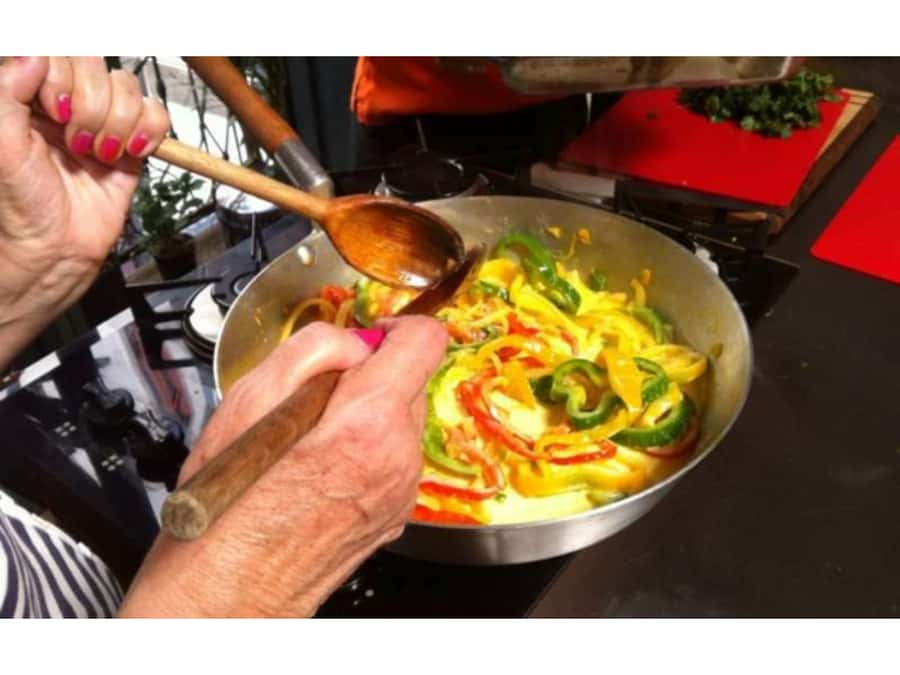
- You cook the meal yourself: This is a practical class, not a sit-back demonstration.
- Seven recipes create a full meal: Expect cheese with guava jam, sausage, drinks, the main dish, farofa, rice, and dessert.
- The group is capped at seven people: That makes it easier to follow instructions and get individual help.
- Two drinks are included: You receive a lime caipirinha and a batida de coco, with the meal.
A Brazilian meal built around participation
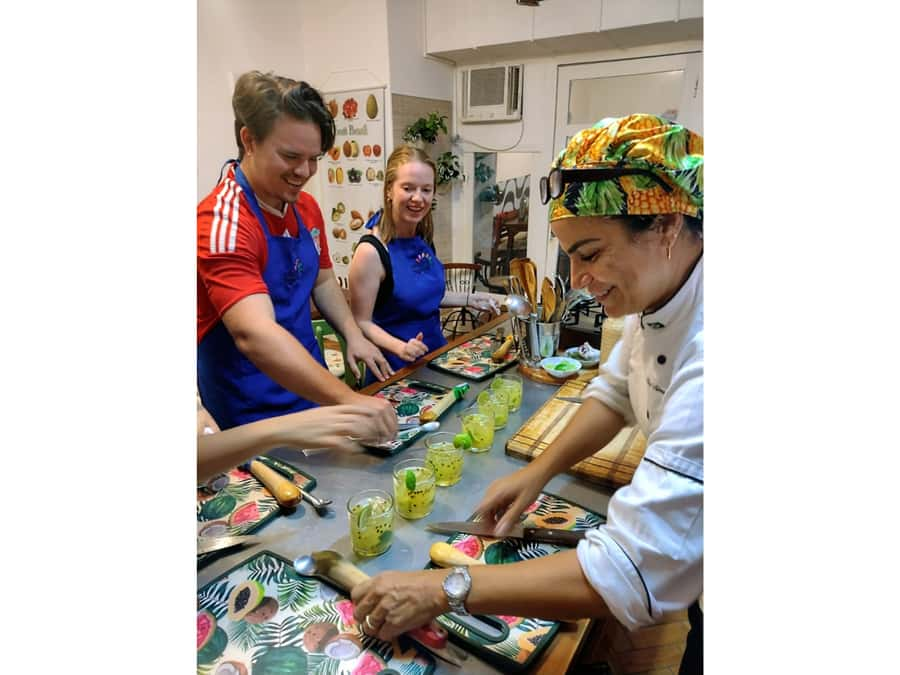
The appeal of this class is simple: you do not just taste Brazilian food, you learn how several familiar ingredients work together. The cooking takes place in a Copacabana studio, where Chef Simone leads the preparation and explains Brazilian techniques, flavors, and food traditions along the way.
You can arrive with no cooking background. The format is designed for beginners, but an experienced home cook should still find useful ideas in the recipes and seasoning. Since you prepare the dishes yourself, you can ask why a step matters instead of trying to remember a fast demonstration.
The small group size helps here. With no more than seven participants, you should have a better chance to work directly with the ingredients and ask questions as the class moves along. It also gives the session a social feel without making it too large or noisy.
One detail I find especially useful is the choice of main dish by day. You are not choosing freely from a long menu, so planning matters. Book Monday, Wednesday, or Friday for seafood moqueca. Choose Saturday for feijoada, the pork and black bean dish. If one is your priority, arrange your Rio schedule around it.
A few more things to do in Rio de Janeiro
- Rio de Janeiro: Brazilian Cooking Class with Hotel Pickup
★ 5.0 · 5 reviews
Starting with cheese, guava, and sausage
The class begins with smaller Brazilian favorites that show off the sweet, salty, and spicy side of the cooking. You prepare fried cheese with spicy guava jam, a pairing that gives you a quick lesson in contrast. The cheese brings salt and texture, while the guava adds sweetness and heat.
Next comes fried sausage cut into slivers. It is a modest dish, but it fits the meal well and gives you another chance to practice preparation before moving to the main course. These opening recipes also help set the pace for the class. You are working early, tasting as you go, and building several parts of the final meal rather than waiting for one large dish.
The food is not presented as something too precious to touch. That is a strength for anyone who wants practical cooking skills. You can watch how the ingredients are handled, follow the steps, and ask questions while the food is being made.
Moqueca days: seafood with Brazilian character
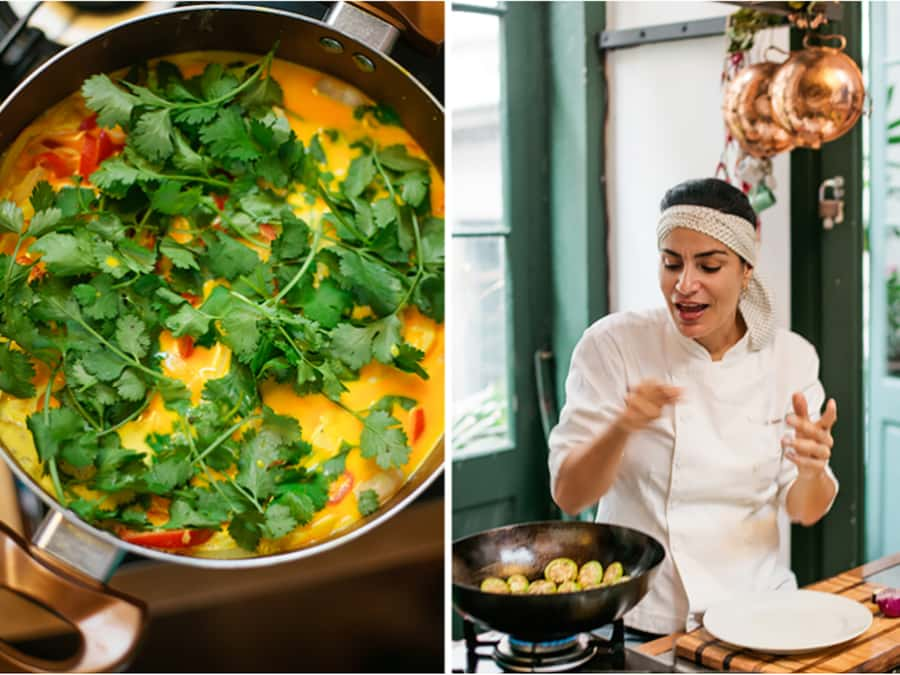
On Mondays, Wednesdays, and Fridays, the main course is seafood moqueca. This is the right choice if you want a dish that feels closely tied to Brazil’s coastal food traditions. The supplied details do not specify the exact seafood or every seasoning used, so you should ask Chef Simone about the ingredients on the day.
The class lets you prepare the dish rather than simply receiving it at the end. That matters because moqueca depends on the balance of its ingredients, and the instructor can explain the method as you work. You also get to taste the final result while it is fresh, alongside the other dishes you have prepared.
A previous participant specifically praised the fish dish and enjoyed hearing about the place of food in Brazilian culture. That combination is part of the value here. You are not only learning a recipe, you are getting context for why the dish belongs in Brazil’s food story.
If seafood is important to you, choose one of the three moqueca days rather than hoping to switch on arrival. The schedule is clearly divided by day, and the main dish is not presented as an interchangeable option.
Saturday feijoada: Brazil’s hearty classic
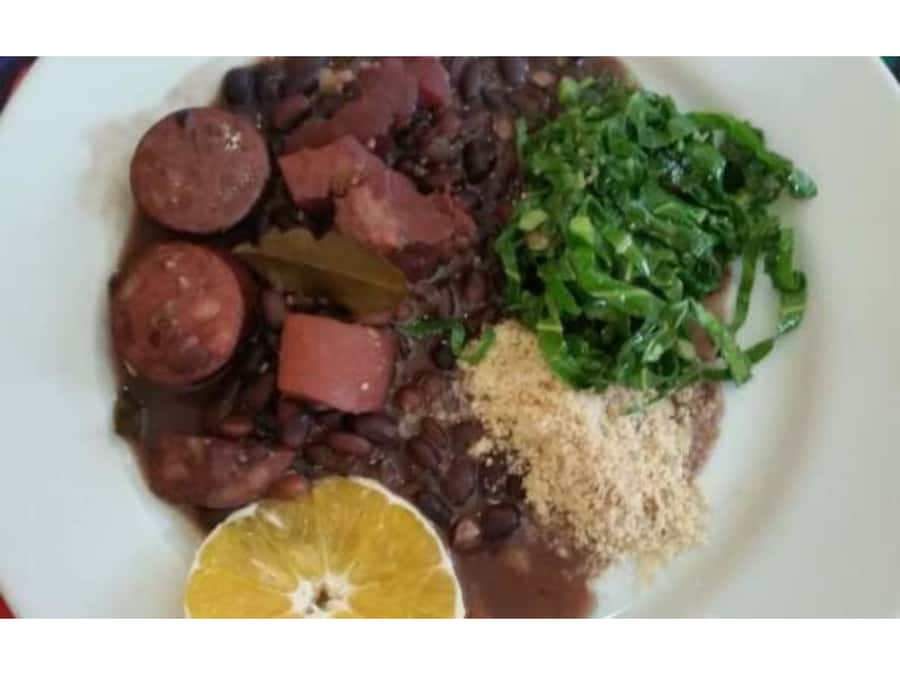
Saturday brings feijoada, a pork and black bean dish with a more substantial feel. It is a good pick if you want a filling meal and one of Brazil’s best-known comfort foods. The class gives you a chance to see how the components come together, then sit down to eat the dish you helped make.
One particularly useful tip comes from the experience itself: the feijoada was singled out as a favorite by a recent participant. That does not mean it is the right choice for everyone, but it suggests that Saturday is worth considering if you want the heartier option.
Feijoada is also a strong choice for a home cook who wants a recipe with cultural weight and a clear place in Brazilian dining. The exact preparation details are taught in class, and the ingredients are described as available around the world. You should still check the recipe notes or ask questions during the session if you want to recreate it accurately at home.
Both the moqueca and feijoada are served with cassava sticks, giving the main course a crisp side and a distinctly Brazilian touch.
More workshops and classes in Rio de Janeiro
- Rio de Janeiro: Beginner Samba Lesson in Ipanema
★ 4.9 · 1,071 reviews - Rio de Janeiro: Samba Class in Copacabana
★ 4.6 · 262 reviews - Rio de Janeiro: Samba Class and Samba Night Tour
★ 4.6 · 115 reviews - Rio: Caipirinha Workshop and Samba Class
★ 4.8 · 113 reviews
The drinks are part of the lesson
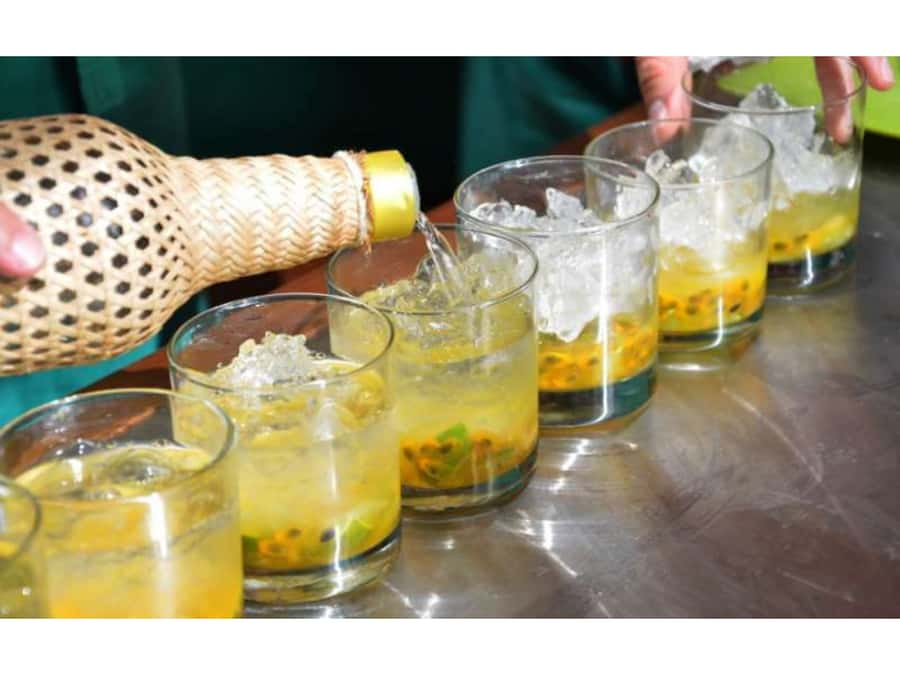
Two alcoholic drinks are included: a lime caipirinha and a batida de coco. The caipirinha is one of Brazil’s best-known drinks, while the coconut-based batida offers a sweeter contrast.
You prepare the drinks as part of the class, so this is not simply a cooking lesson with beverages placed on the table. It gives you another small skill to take home, especially if you enjoy hosting friends or building a Brazilian-themed meal.
The drinks also help mark the change from kitchen work to sitting down together. Once the dishes are finished, you toast the cooking and share the meal with the instructor. If you do not drink alcohol, the supplied details do not state whether nonalcoholic replacements are available, so ask before booking.
Farofa, rice, and a changing dessert
The main meal includes banana farofa with flavored rice. Farofa is made from cassava flour and is an important side in Brazilian cooking. The banana adds a sweet note, while the rice gives the plate a familiar base.
This part of the menu is useful because it shows that Brazilian cooking is not only about the main protein. The side dishes bring texture and contrast, and they help turn moqueca or feijoada into a full meal. You get to see how a few straightforward elements can make the plate more varied.
Dessert changes according to what is available. It may feature an exotic fruit or a sweet made by the chef, such as brigadeiro or doce de leite. That unpredictability is part of the charm, though it means you should not book expecting one specific final course.
The menu is described in two slightly different ways, as five courses and seven recipes. The practical takeaway is that you will prepare a substantial spread, including snacks, drinks, a main dish, sides, and dessert. If exact course counting matters to you, ask for the day’s menu when you reserve.
Chef Simone’s role makes a difference
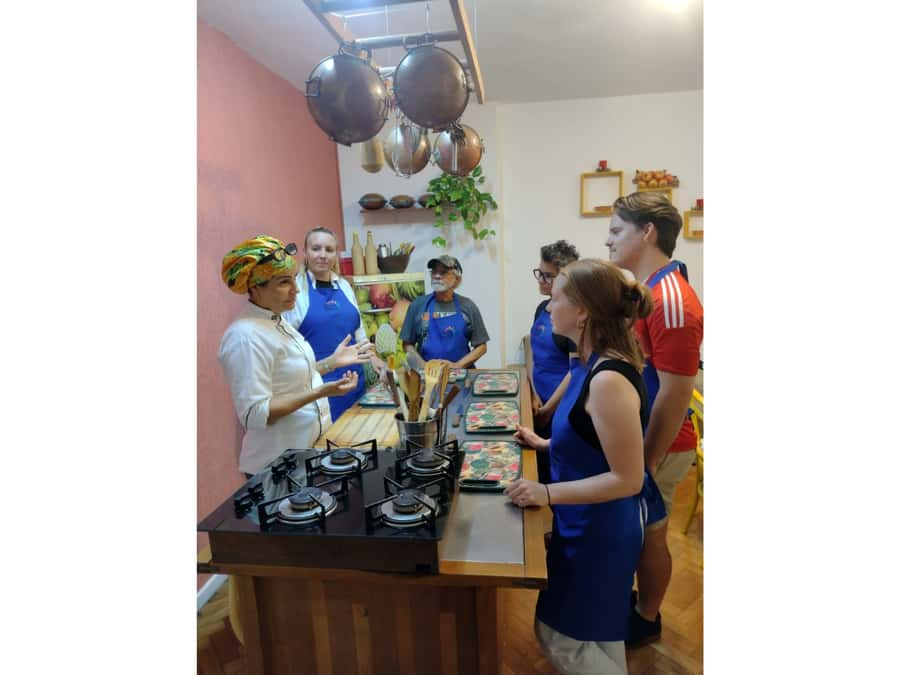
Chef Simone is more than a person reading instructions from a card. She is described as an experienced native chef with a strong interest in Brazilian cooking and culture. Her work includes explaining the food, guiding the preparation, and creating time for conversation during the meal.
One especially helpful detail is that she can also offer insight into Rio and Brazil beyond the kitchen. A past participant found her knowledge of the city useful, while another appreciated the food history shared during the class. That makes this a good choice if you want your meal connected to place rather than treated as a stand-alone recipe workshop.
Chef Simone’s daughter has also assisted with a class. That may contribute to the friendly, informal tone, though assistance can vary by date. You should expect the main teaching to come from Chef Simone.
The class is available in English, Portuguese, and Spanish. That gives you a practical choice in a city where language can sometimes affect how much detail you receive. Select the language you can follow most comfortably, especially if you want to ask cooking questions.
What the three to four hours feel like
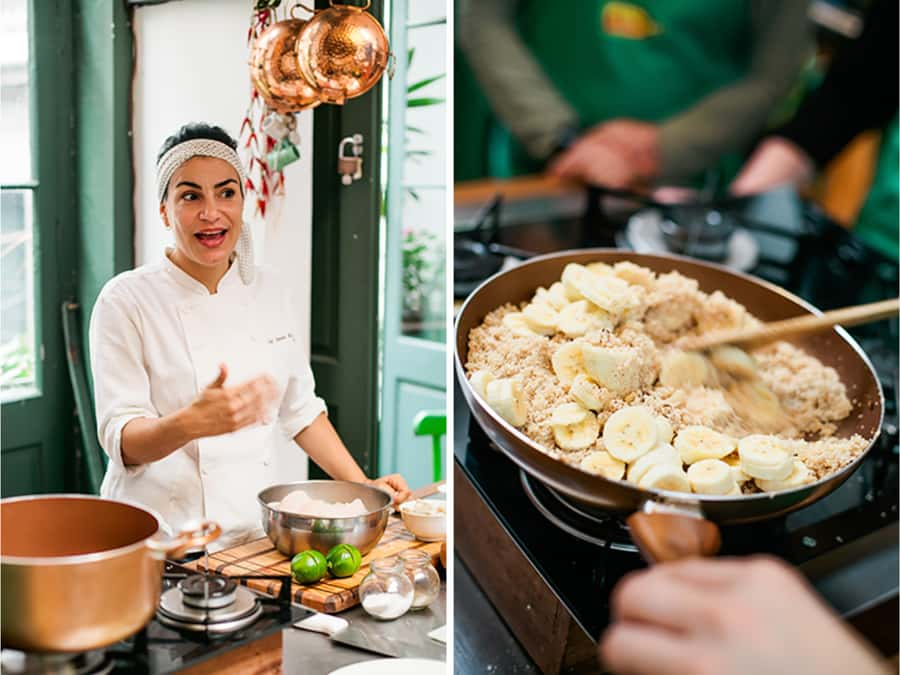
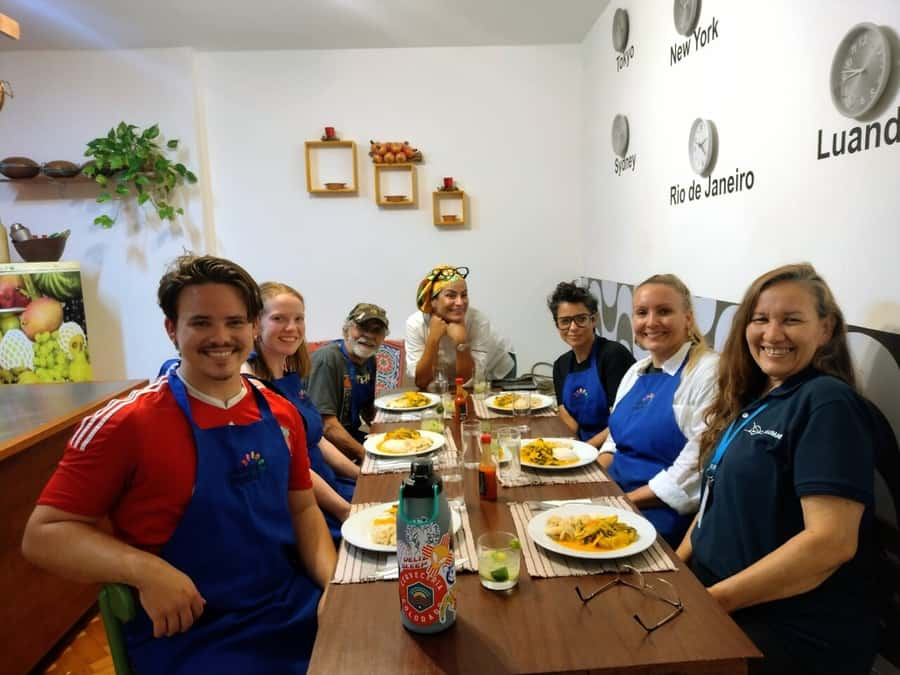
The session begins when you meet the instructor at the Copacabana cooking studio. From there, you move through the recipes with guidance, preparing both food and drinks before sitting down to eat.
The advertised duration needs a close look. The activity information says three hours, while the highlights describe a four-hour cooking class. This could reflect a difference in how the schedule is described, but it is worth confirming before you build another tour or dinner reservation around it.
A class with seven recipes can feel full even if the cooking itself is relaxed. You are not likely to spend the entire time on one complicated dish. Instead, the session moves through small plates, drinks, the main course, sides, and dessert. The final meal is part of the planned experience, not an optional extra.
The no-transportation policy is straightforward. Pick-up and drop-off are not included, so you need to make your own way to the Copacabana area. Factor that into your timing, particularly if you are staying elsewhere in Rio.
Is the $220 price good value?
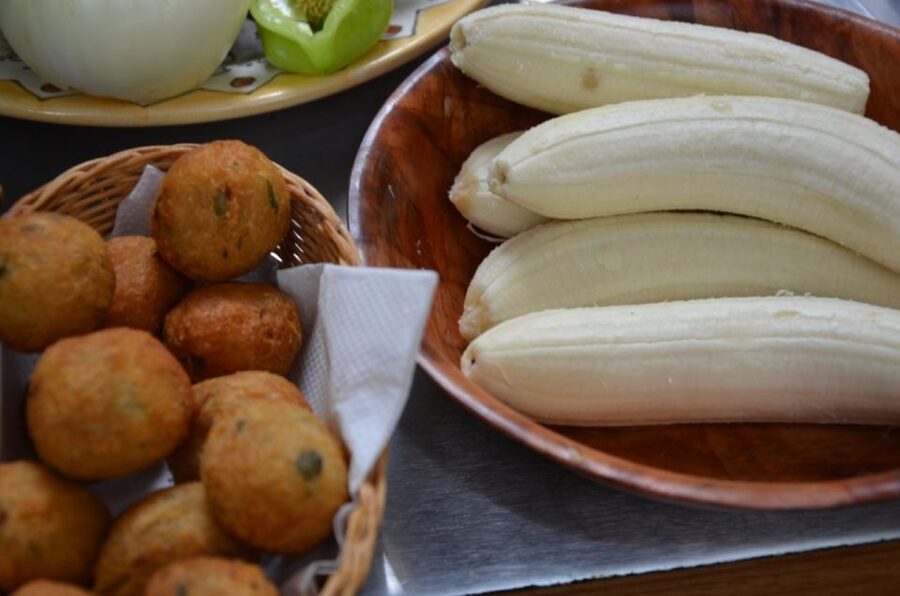
At $220 per person, this is not a bargain meal. The price needs to be judged as a private, small-group activity rather than as the cost of dinner alone.
You receive the cooking class, all ingredients and equipment, five dishes as described in the inclusions, two drinks, taxes, and handling charges. You also receive several hours with an instructor, practical guidance, and a meal you helped produce. For someone who would otherwise pay for a high-end meal and a separate cultural activity, that package can make sense.
The maximum of seven people helps support the price because the class is not designed for a large crowd. You are paying for participation and instruction, not just a seat at a table. The value is strongest if you ask questions, take note of techniques, and plan to cook some of the dishes again at home.
The price is less compelling if you mainly want to eat Brazilian food without cooking. In that case, a restaurant will likely be a simpler and cheaper way to try feijoada or seafood. This experience is best for people who see the preparation as a central part of the day.
Who should book this class?
I would recommend it to curious eaters, first-time visitors who want a local food activity, couples, families with older children, and anyone who likes learning by doing. The relaxed class size should suit people who prefer conversation and personal guidance over a large demonstration.
It is also a good fit for a private group that wants a shared activity in Rio. You can work together, cook together, and then eat at the same table. The format has enough structure to keep beginners comfortable, while the range of dishes gives more experienced cooks something to examine.
I would think twice if you dislike seafood and cannot attend Saturday, or if you are looking for a short activity with no meal preparation. The schedule is also not ideal for someone who wants full control over the menu, since moqueca and feijoada are assigned by day.
Free cancellation up to 24 hours before the activity and reserve-now, pay-later booking provide some planning flexibility. Transportation is not included, and you should confirm the exact duration because of the three-hour and four-hour descriptions.
Should you book it?
Book this if you want to spend part of your Rio visit cooking, talking, and eating with Chef Simone rather than simply ordering a Brazilian dish. The strongest reasons are the small group, the hands-on format, the useful recipes, and the chance to learn about food and culture from a native chef.
Pick your day carefully. Choose Monday, Wednesday, or Friday for seafood moqueca, and Saturday for feijoada. At $220, it is a considered purchase, but the price is easier to justify if you value instruction, drinks, a full meal, and recipes you can make at home.
If that sounds like your kind of afternoon or evening, this is a practical and personal introduction to Brazilian cooking in Copacabana.
FAQ
Where does the cooking class take place?
The class takes place at a cooking studio in the Copacabana region of Rio de Janeiro.
How long does the cooking class last?
The activity information lists the duration as three hours, while the description also calls it a four-hour class. Confirm the exact timing when booking.
What main dish is served on Mondays, Wednesdays, and Fridays?
Seafood moqueca is the main dish on Mondays, Wednesdays, and Fridays.
What main dish is served on Saturdays?
Pork and black bean feijoada is served on Saturdays.
How many people can join the class?
The class has a maximum of seven participants and is described as a private group experience.
Which languages does the instructor speak?
The instructor can teach in Portuguese, English, or Spanish.
Are drinks included?
Yes. Two drinks are included: a lime caipirinha and a batida de coco.
What food will I prepare?
The menu includes fried cheese with spicy guava jam, fried sausage slivers, seafood moqueca or feijoada, banana farofa, flavored rice, and a changing dessert. The class also includes the two drinks.
Is transportation included?
No. Pick-up and drop-off transportation are not included.
Can I cancel for a full refund?
Yes. You can cancel up to 24 hours in advance for a full refund.
Just added in Rio de Janeiro
- Rio de Janeiro: Zip Lining and Canopy Tree Tour★ 3.3 · 6 reviews
- Vidigal Favela Tour★ 4.4 · 26 reviews
- Rio de Janeiro: Attend a Vasco da Gama game with local guide★ 4.8 · 9 reviews
- Unforgettable Boat Party★ 5.0 · 3 reviews
- Hang gliding flight in Rio de Janeiro★ 5.0 · 6 reviews
- Tijuca Forest Hike – Waterfalls & Caves, Nature & Wild Life!★ 5.0 · 51 reviews
- Rio Highlights: Christ, Sugarloaf, and More in a Private Tour★ 5.0 · 36 reviews
- Rocinha Walking Tour: Get a Feel for the Brazil’s Largest Favela (Shared Group)★ 5.0 · 37 reviews
Workshops, compared.



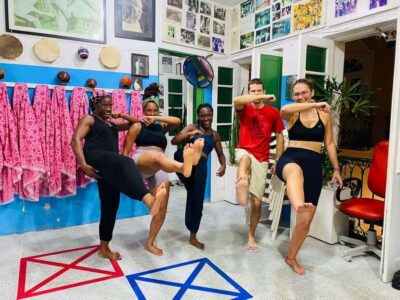
Capoeira Class at Mestre Bimba’s 1st Ever School.
Read our review →
Surf lessons with local instructors in Copacabana/ipanema!
Read our review →
Surf Lesson with Qualified Instructor in Florianópolis
Read our review →Browse the lists this tour appears in