
Reviewed · WORKSHOPS
Salvador: 3-Hour Percussion Class
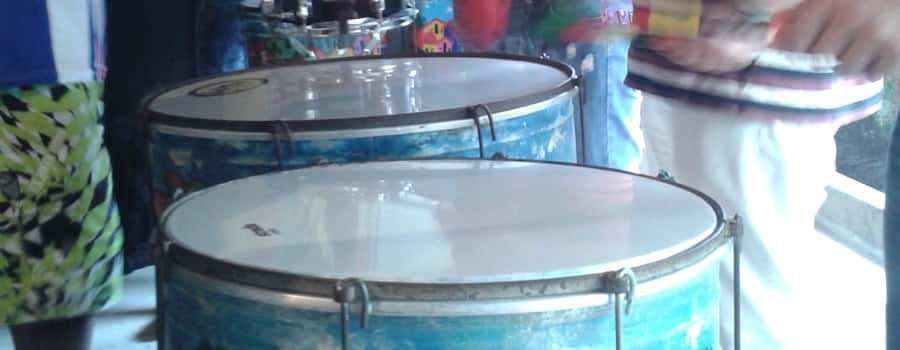
Salvador’s music is not just something you hear from a stage. It is part of daily life, from samba de roda gatherings to Candomblé ceremonies. This class puts you inside that sound, with a local percussionist showing you how Bahia’s rhythms are built and how a simple beat can grow into a full group performance.
I especially like the small maximum of six people, which gives you room to play instead of sitting at the back of a crowd. I also like the chance to handle different drums and learn samba-reggae, the Bahia rhythm that once caught Michael Jackson’s attention. The main caution is timing: the advertised three hours includes hotel transport, and the hands-on class may run closer to 1.5 to 1.75 hours.
Key points
- Play several percussion instruments, rather than only watching a demonstration.
- Learn samba-reggae and samba rhythms from a local percussion master.
- Meet maestro Macambira, praised for his patience with beginners and experienced players.
- Use translation in English, Spanish, or Portuguese as the instructor demonstrates.
- Enjoy a small group capped at six people, with some sessions becoming one-on-one.
- Allow for transport time, since the three-hour booking includes hotel pickup and return.
Hearing Bahia Through Its Drums
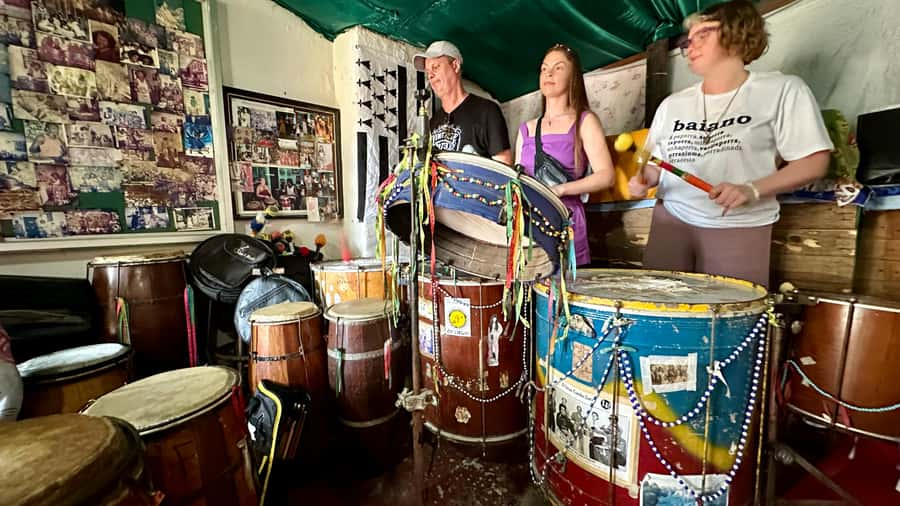
Percussion has a special place in Bahia. It gives shape to melodies, pushes dancers forward, and brings people together. In local musical life, drums can appear in a samba de roda, a social gathering built around song and rhythm, or in religious settings such as Candomblé ceremonies.
You are not simply attending a performance here. You are asked to make the sound yourself. That changes the experience. A rhythm that seems simple when played by an expert can feel surprisingly tricky when your hands must repeat it at the right speed.
The workshop focuses on musical traditions connected to Africa and their development in Brazil. You learn how Brazilian music can move from basic samba patterns to the heavier, more layered pulse of samba-reggae, with room to touch on other styles, including jazz.
The class is best understood as a cultural introduction through music. It does not promise conservatory-level training or a long course in percussion theory. Instead, you get a direct way to hear, copy, practice, and play.
More workshops and classes in Salvador
- Salvador: Capoeira Class at Mestre Bimba’s 1st Ever School.
★ 4.9 · 34 reviews - Salvador: CAPOEIRA CLASS – CULTURAL
★ 4.6 · 13 reviews - Salvador: Traditional Drumming and Percussion Workshop
★ 4.4 · 10 reviews
From Hotel Lobby to the Music Class
Hotel pickup and drop-off are included, with pickup at your hotel lobby. That is useful in Salvador, where arranging transport for a short activity can take more thought than expected. You do not need to find the meeting point on your own, though you should still check the start time and pickup details after booking.
The three-hour duration needs careful reading. Transport is included in that total, and hands-on instruction has been reported at about 1.5 hours to 1 hour 45 minutes. The exact balance may depend on your hotel and the group, but you should not assume three full hours of drumming.
That shorter class time may be perfectly suitable if you want a lively cultural activity between sightseeing plans. It may feel less satisfying if you play percussion seriously and expect an extended workshop. At $90 per person, the value depends heavily on your priorities: convenience, personal instruction, and cultural access matter more here than the number of minutes spent playing.
Meeting Maestro Macambira
The percussion teacher is maestro Macambira. The available details describe him as patient and welcoming to people at different skill levels. That matters because a class like this can easily become uncomfortable for beginners if the instructor moves too quickly or treats mistakes as a problem.
You may arrive with no musical training at all. The class is designed around demonstration and repetition, so you can watch the pattern, try it yourself, and join the group rhythm. If you already play percussion, you may find the basic beats familiar, but the local setting and the chance to work with several Brazilian instruments add interest.
A translator participates during the lesson. This is especially helpful because rhythm instruction depends on more than spoken explanation. The translator can help make sense of the teacher’s directions while you watch hand movements, timing, and changes in the beat.
English, Spanish, and Portuguese are offered for the tour. If you speak one of those languages, you should be able to follow the guide’s explanation and ask questions about the music and the cultural setting.
Learning Samba-Reggae, Samba, and More
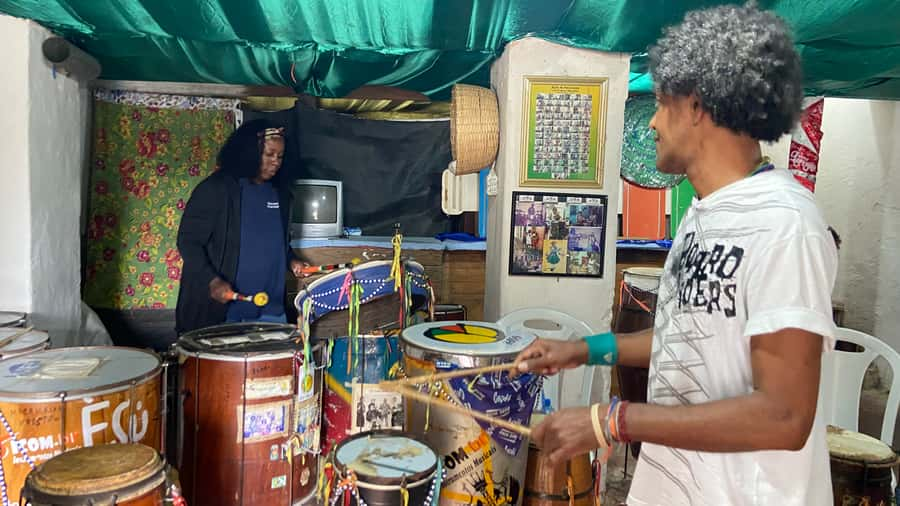
Samba is the best-known rhythm in the program, but the class also introduces samba-reggae. This style is strongly linked with Bahia and combines samba-based patterns with influences from reggae and African musical traditions.
The class gives you a chance to feel how these patterns differ. A samba beat may seem light and quick, while samba-reggae often carries a more forceful, marching pulse. Hearing the teacher demonstrate both helps you understand the variety within Brazilian music instead of treating all Brazilian drumming as one sound.
The workshop can also touch on jazz and the wider flexibility of Brazilian musical production. Do not expect a full survey of every style. The useful point is that the class presents Bahia’s percussion as adaptable and creative, not limited to one famous rhythm.
You may play several drums and join the instructor and other participants in a shared session. This final group playing is likely to be the most memorable part. Everyone has to listen closely, keep time, and leave space for the other instruments. Even simple patterns can sound impressive when they lock together.
More three-hour tours in Salvador
- 3H CITY TOUR (pick up / delivery within Sao Paulo city limits)
★ 5.0 · 65 reviews - 3-Hour Urban Arts Walking Tour
★ 4.8 · 33 reviews - Paraty: 3-Hour Rainforest Horseback Ride
★ 5.0 · 12 reviews - Amazon Jungle 3-Hour Tree Climbing Activity
★ 4.6 · 6 reviews
Why the Small Group Matters
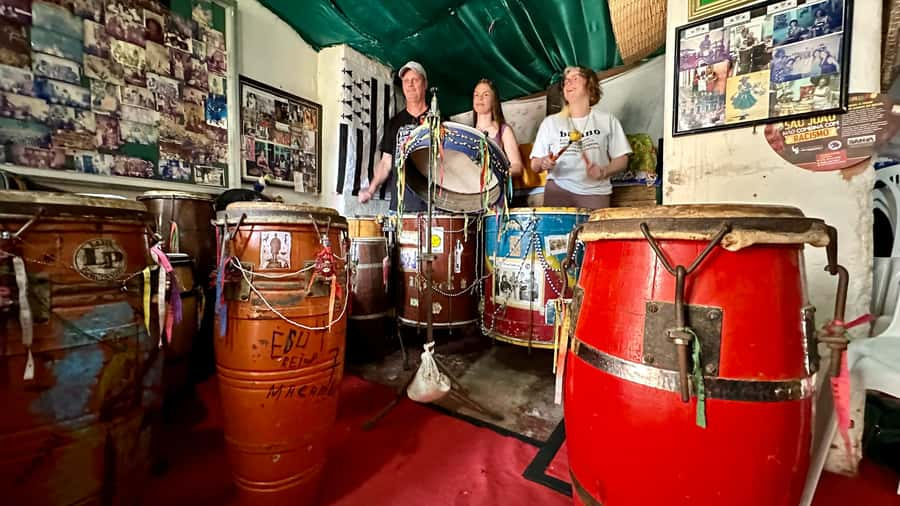
The group limit is six people, and some sessions may be one-on-one. That is a major advantage for anyone who wants personal help with hand position, timing, or the basic structure of a rhythm.
In a large workshop, you can hide behind the person next to you. Here, the instructor is more likely to hear your pattern and adjust the lesson to the people in the room. That makes the class a better fit for families, couples, and mixed-age groups. One past booking included three generations, which suggests the format can work across age groups when everyone is willing to participate.
A small group also makes the final jam more manageable. You can hear the other players instead of competing with a wall of sound. The tradeoff is that the class may feel less like a public performance and more like a personal lesson. That is good if you want to play, but less useful if you prefer to sit back and watch.
What the Hands-On Portion Feels Like
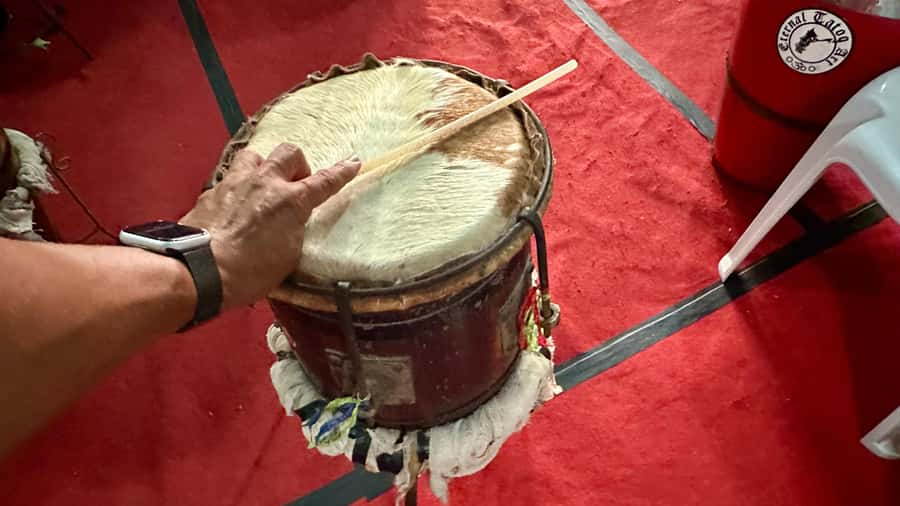
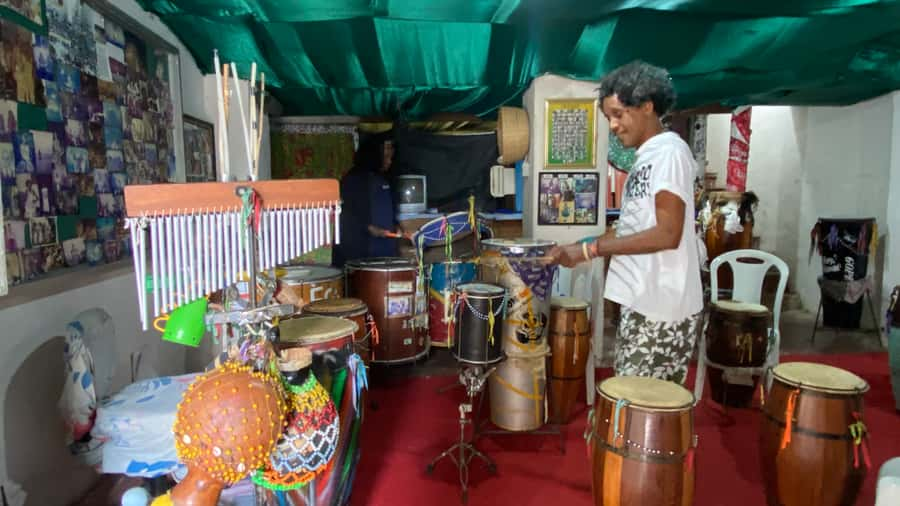
The workshop is built around doing, not just listening. You may be shown a rhythm, handed an instrument, and asked to repeat the pattern. The class can include different drums, giving you a basic feel for how each sound contributes to the whole.
Your first attempts may be rough. That is part of the point. Percussion exposes timing very quickly, and the group format gives you a reason to keep going until the beat settles.
The instructor’s patience is important here. Beginners need clear repetition and encouragement, while experienced players may want a little more variety. Based on the available class details, the lesson is likely to favor simple beats that the whole group can play together. One concern is that the rhythms may remain fairly basic and that you may not try as many instruments as expected.
If you love percussion, you should set your expectations carefully. This is an introduction to Bahia’s sound, not a long technical course. You are paying for a guided cultural encounter, transport, translation, and a small class, not just drum time.
The Real Value of $90
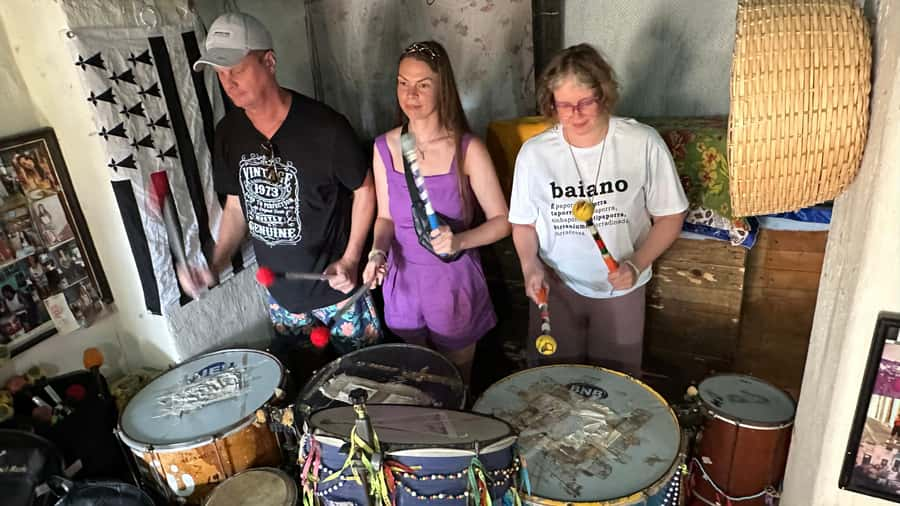
At $90 per person, this is not the cheapest way to spend three hours in Salvador. Food and drinks are not included, though hotel transport, entrance fees, and a professional guide are covered.
The price makes more sense if you value several services at once:
- Pickup and return from your hotel
- A small group limited to six people
- A local percussion instructor
- Translation in English, Spanish, or Portuguese
- Access to several instruments
- A guided introduction to Afro-Brazilian musical traditions
It makes less sense if you mainly want a long drumming lesson. Since the transport counts toward the three-hour duration, the actual playing time may be shorter than the headline suggests. Several class sessions have been described as about 1.5 hours of instruction, with the rest taken by transport.
I would consider the price fair for someone who wants an easy, organized cultural activity and values direct contact with local music. I would hesitate if you are an advanced percussionist seeking technical depth or if you are watching every dollar.
Who Should Book This Class
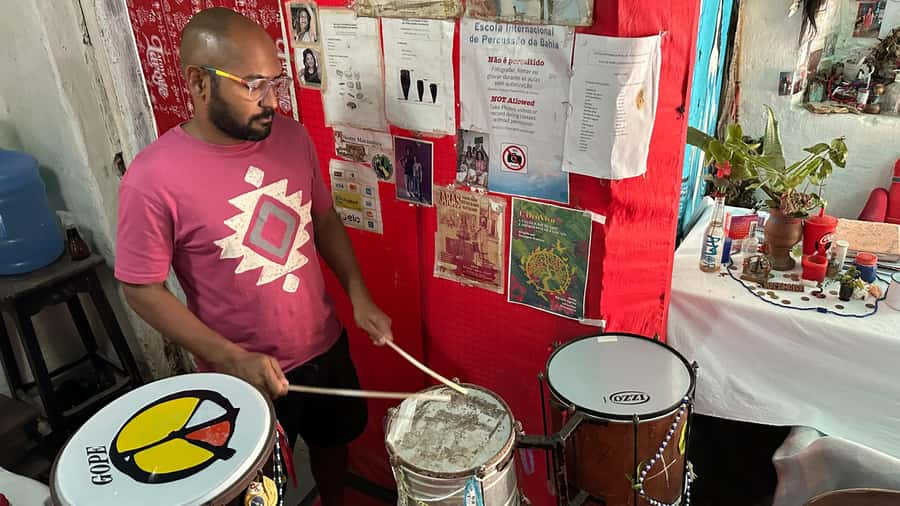
This experience suits curious first-time visitors who want more than a sightseeing walk. It gives you a physical connection to Salvador’s music, and you do not need to know how to read music or play an instrument.
It is also a good fit for:
- Couples looking for a shared activity
- Families with different generations
- Solo visitors who prefer a small class
- Beginners interested in Afro-Brazilian music
- Percussion players who want to try Brazilian rhythms
- Visitors who appreciate hotel pickup and language support
You should think twice if you dislike audience participation. The class expects you to hold an instrument and make mistakes in front of other people. It is not a concert where you can remain completely passive.
The wheelchair restriction is also important. This activity cannot accommodate wheelchairs, so visitors with mobility needs should choose another cultural experience.
How to Plan Your Morning or Afternoon
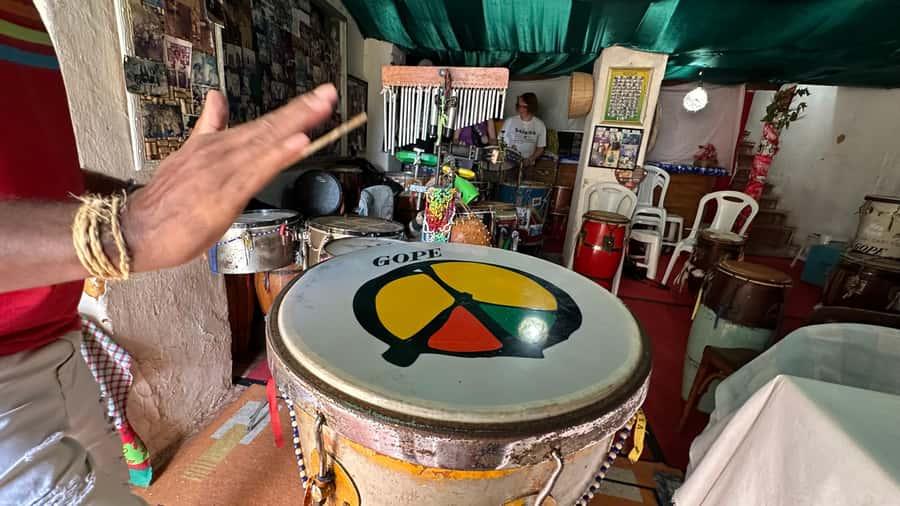
Because transport is included, leave room around the scheduled time. Do not place an important timed attraction immediately before or after the class unless you have checked the pickup details carefully.
You do not need to budget for food or drinks as part of the class, since those are not included. Plan those separately. The activity itself centers on music, instruction, and transport.
Wear something comfortable enough for active participation. The supplied information does not specify a dress code, equipment list, or refreshments, so you should not expect those unless confirmed directly when you book.
The tour allows free cancellation up to 24 hours before the start for a full refund. You can also reserve now and pay later, which helps if your Salvador schedule is still changing.
My Take: A Memorable Short Workshop
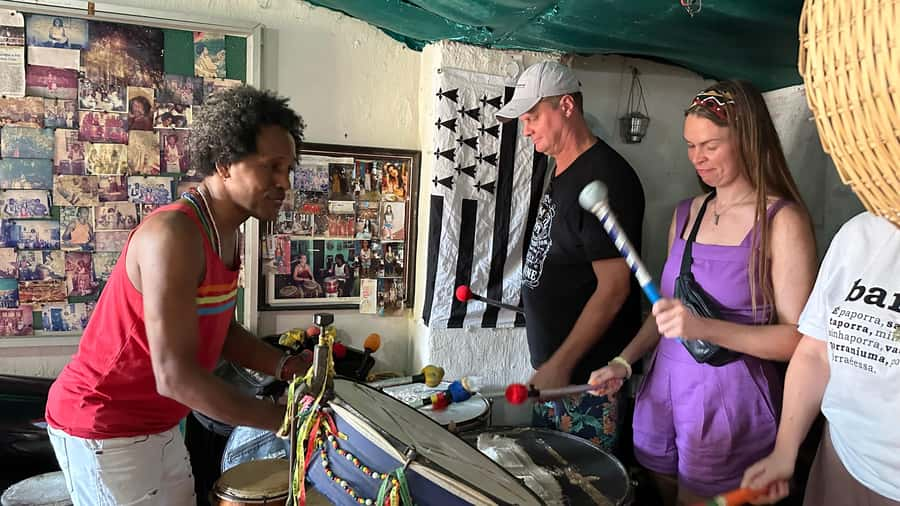
I like this experience because it gives you a real task: listen, copy, and play. You are not only told that music matters in Bahia. You feel how rhythm depends on cooperation, repetition, and attention.
The strongest features are the personal scale, the patient teaching style associated with maestro Macambira, the use of translation, and the chance to play different drums. The shared jam can leave you with a stronger memory of Salvador than another hour spent looking at displays.
The weak point is the mismatch between the three-hour headline and the shorter lesson time. Transport is useful, but you should count on roughly 1.5 to 1.75 hours of actual class time rather than three full hours of percussion. Some participants may also find the beats too simple or the choice of instruments limited.
Should You Book It?
Book this class if you want a friendly, hands-on introduction to Salvador’s Afro-Brazilian music and value hotel pickup, translation, and a group no larger than six. It is especially good for beginners, families, and anyone who wants to make music rather than only watch it.
Skip it if you expect an intensive three-hour drumming course, advanced instruction, or a broad tour of many instruments. At $90, the experience works best when you see it as a short private-style cultural workshop with transport, not as three uninterrupted hours behind a drum.
FAQ
How long does the Salvador percussion class last?
The booking duration is three hours, including hotel pickup and drop-off. The hands-on class itself may last about 1.5 to 1.75 hours.
What rhythms will I learn?
The class focuses on samba and samba-reggae. It may also introduce the wider range of Brazilian musical production, including jazz.
Who teaches the percussion class?
The percussion instructor is maestro Macambira. A guide also participates and can translate the instructor’s demonstrations.
What languages are available?
The tour is offered in English, Spanish, and Portuguese.
How many people can join the class?
The group is limited to a maximum of six participants. Some sessions may be one-on-one.
Is hotel transportation included?
Yes. Pickup and drop-off at your hotel are included, with pickup from the hotel lobby.
Are food and drinks included?
No. Food and drinks are not included in the $90 price.
Can wheelchair users join the experience?
No. This activity cannot accommodate wheelchairs.
Just added in Salvador
- Salvador: Schooner Cruise with Pickup and Itaparica Stop★ 3.8 · 5 reviews
- Salvador: Traditional Drumming and Percussion Workshop★ 4.4 · 10 reviews
- Salvador: Walking Tour Through Pelourinho★ 5.0 · 49 reviews
- Salvador by Night: Cultural Show and Dinner.★ 4.4 · 17 reviews
- Salvador: Capoeira Class at Mestre Bimba’s 1st Ever School.★ 4.9 · 34 reviews
- Salvador: Cultural Night of Capoeira, Samba, and Drumming★ 4.9 · 17 reviews
- Salvador: Cultural Treasure – Samba de Roda.★ 4.9 · 51 reviews
- Salvador: CAPOEIRA CLASS – CULTURAL★ 4.6 · 13 reviews
Workshops, compared.
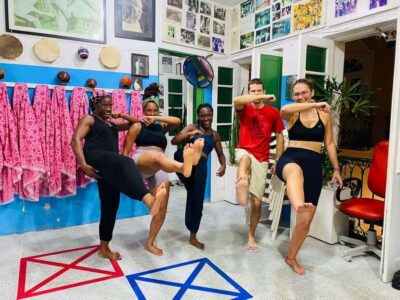
Capoeira Class at Mestre Bimba’s 1st Ever School.
Read our review →
Surf lessons with local instructors in Copacabana/ipanema!
Read our review →
Surf Lesson with Qualified Instructor in Florianópolis
Read our review →Browse the lists this tour appears in