
Reviewed · SALVADOR
Salvador: 4-Hour Candomblé Mysteries Tour
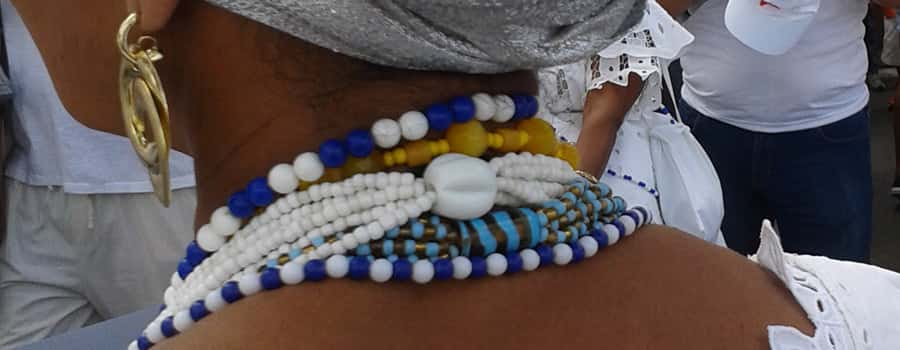
Salvador’s Candomblé traditions are best understood through the city’s people, streets, museums, and sacred spaces, not through spooky tales or tired stereotypes. This four-hour tour connects the Afro-Brazilian Museum, Pierre Verger’s work, a former maroon refuge, a Candomblé terreiro, Dique do Tororó, and Pelourinho into one clear story. I especially like the private group of up to six and the chance to learn from a local guide connected to these traditions.
I also like the hotel pickup and air-conditioned vehicle, which makes it easier to cover Salvador’s spread-out sights in half a day. Guides such as Nilson, Fernando, Monia, and Maria Nunes have been praised for clear explanations and for adapting the route to personal interests. The main caution is that the tour covers a lot quickly, and one booking reported that not every entrance was included despite the stated inclusions. Confirm that point before you go.
Key points to know before booking
- See Candomblé in its cultural setting: Visit a Candomblé terreiro from the Ewe-Fon tradition rather than treating the faith as a curiosity.
- Start with the Afro-Brazilian Museum: Its objects help explain the forced movement of African peoples, their identities, and their artistic and religious life in Brazil.
- Follow the story through Salvador’s streets: A local community guide explains how a maroon refuge later shaped an urban neighborhood.
- Travel in a small private group: With a maximum of six people, you can ask questions and adjust the focus of the visit.
- Allow for a formal dress code: Knees and shoulders must be covered at places of worship and selected museums.
- Treat the sacred oracle as optional: A consultation is available at extra cost, so budget for it only if it suits your interests.
Why Salvador’s Black Rome story matters
Salvador has the largest Black population outside the African continent, and its religious life reflects centuries of African, Indigenous, and Brazilian influence. The nickname Black Rome points to the city’s strong Afro-Brazilian identity, but it does not tell the whole story on its own.
This tour gives you a way to sort fact from the myths that have surrounded African-origin religions for centuries. Candomblé is presented as a living faith with its own nations, rituals, sacred objects, places, and intellectual traditions. That framing matters. You are not simply looking at colorful artifacts or being shown a mysterious ceremony. You are learning how displaced people preserved identity and adapted it under colonial rule and after abolition.
I would choose this experience if you want cultural context that goes beyond the usual churches, colonial façades, and postcard stops. It is especially useful early in your Salvador stay, since the guide can point out details and neighborhoods that may make more sense on later walks.
More Tours in Brazil
- From Salvador: Schooner Tour to Frades Islands and Itaparica
★ 3.9 · 98 reviews - Afro-Brazilian Roots Private City Tour in Salvador
★ 4.7 · 88 reviews - Salvador Historic Walking Tour – Pelourinho
★ 4.8 · 62 reviews
The Afro-Brazilian Museum opens the story
The route begins at the Afro-Brazilian Museum, where the subject is placed in historical context. The collection covers enslaved Africans, the transatlantic trade, the movement of people and ideas, and the many identities that developed in Brazil.
The objects come from different areas of Africa and help show that there was never one single African culture carried across the Atlantic. You can expect attention to artistic work, religious expression, and the intellectual life of the people who endured enslavement. That is a valuable starting point because it moves the subject away from a simple victim story. It shows the creativity and endurance involved in maintaining customs under brutal conditions.
The museum visit is listed at about 30 minutes. That is enough for an introduction, but not enough for a slow study of every object. If museums are your main interest, you may wish the tour allowed longer here. If you want a focused overview before visiting living religious spaces, the short stop keeps the day moving.
Dress carefully. Shorts and sleeveless tops are not permitted at selected museums and places of worship, and both men and women must cover their knees and shoulders. You may be refused entry if you ignore this rule.
Pierre Verger’s photographs add a human record
The Pierre Verger Gallery brings in the work of the French anthropologist, photographer, and writer who recorded slavery’s legacy and Afro-Brazilian life through photographs, writing, and audiovisual material.
This part of the route gives you a different kind of evidence. Museum objects can show what people used or made. Photographs can show people, places, and social conditions across time. The gallery helps connect the movement of African peoples with the communities and traditions that developed in Bahia.
The gallery is also useful for understanding why documentation matters. Religious traditions that were often misunderstood or attacked were preserved not only through ceremonies and oral teaching, but also through photographs and written records. Your guide can help connect what you see here with later stops at a maroon community and terreiro.
One strength of having a private guide is the chance to stop and ask about a particular image or theme. Guides assigned to this tour speak English, Spanish, French, Italian, or Portuguese. The quality of your experience will naturally depend on the individual guide, but the small group gives you a better chance to shape the conversation than a large bus tour would.
A maroon community shows survival beyond the museum
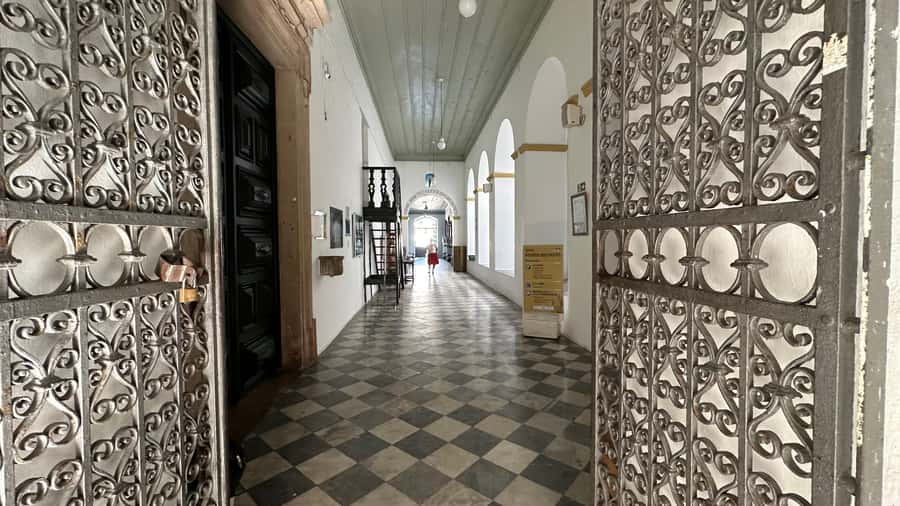
The next part moves from formal displays to places that served as shelter for Black people and their African gods during the colonial and post-abolition periods. These maroon communities were tied to resistance, refuge, and the effort to preserve social and religious life outside systems of control.
You then walk through streets shaped by a maroon community’s development into an urban neighborhood. A guide from the community accompanies this section and explains the local history and the religious traditions connected to it. That local voice is one of the most meaningful parts of the experience because it links broad historical events to the streets beneath your feet.
The listed timing for one stop is about 50 minutes, while the walk and other visits are spread across the half-day route. Expect some movement between sites rather than one long museum session. Wear sensible shoes and bring water, although food and drinks are not included.
This is also where the tour may feel less polished than a standard sightseeing circuit. The subject is complex, and the urban setting is not arranged like a museum exhibit. You may find the route more rewarding if you are ready to listen, observe, and ask questions instead of expecting constant scenic stops.
Same city, a different sort of day:
- Salvador de Bahia African Culture Tour
★ 4.5 · 60 reviews - Salvador: Praia Do Forte and Guarajuba Beach Day Trip
★ 4.1 · 56 reviews - Salvador: Cultural Treasure – Samba de Roda.
★ 4.9 · 51 reviews - Salvador: Walking Tour Through Pelourinho
★ 5.0 · 49 reviews
Entering a Candomblé terreiro
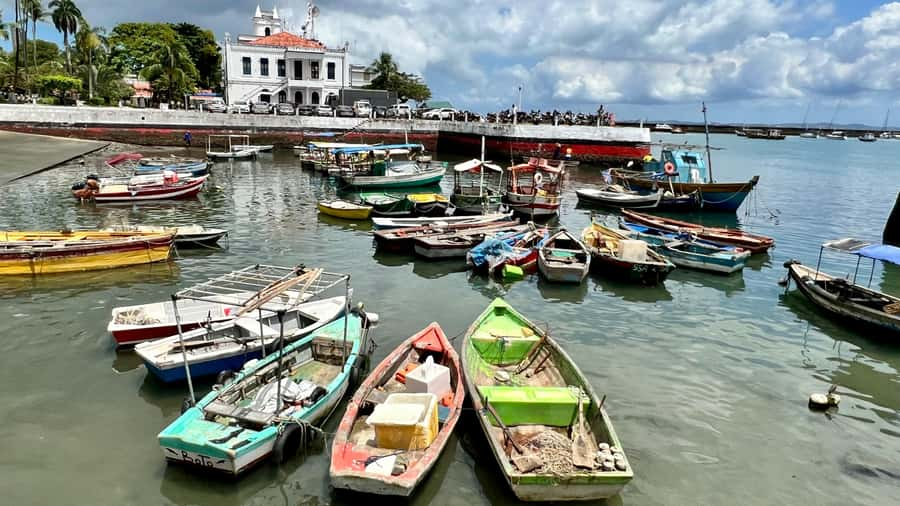
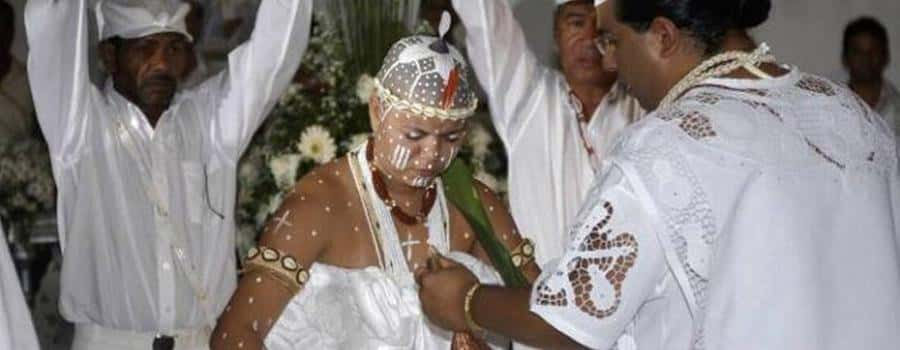
A central stop is a Candomblé terreiro belonging to the Ewe-Fon nation, associated with Dahomean origins. A terreiro is a place of worship and community, so this visit calls for respect and attention to the dress rules.
The point is not to treat the terreiro as a theatrical attraction. The tour is designed to explain the beliefs and customs that have often been distorted by outsiders. Your guide helps you understand the setting and the place of African-origin religion in Salvador’s cultural life.
An optional consultation with the sacred oracle is available for an extra fee. This is not part of the included price, so ask about the current cost before agreeing. I would consider it only if you have a genuine interest in the practice and are comfortable with a personal religious consultation. You can still gain a great deal from the visit without adding this option.
Because this is a religious site, your behavior matters as much as your clothing. Listen to your guide, follow local instructions, and avoid treating sacred objects or practices as props for photographs. The tour’s value rests on cultural understanding, not on collecting unusual snapshots.
Dique do Tororó adds Salvador views and photographs
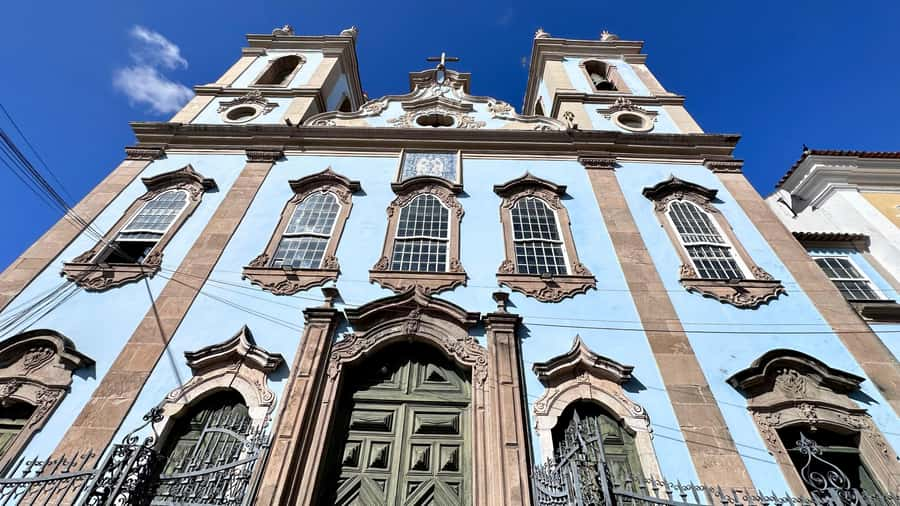
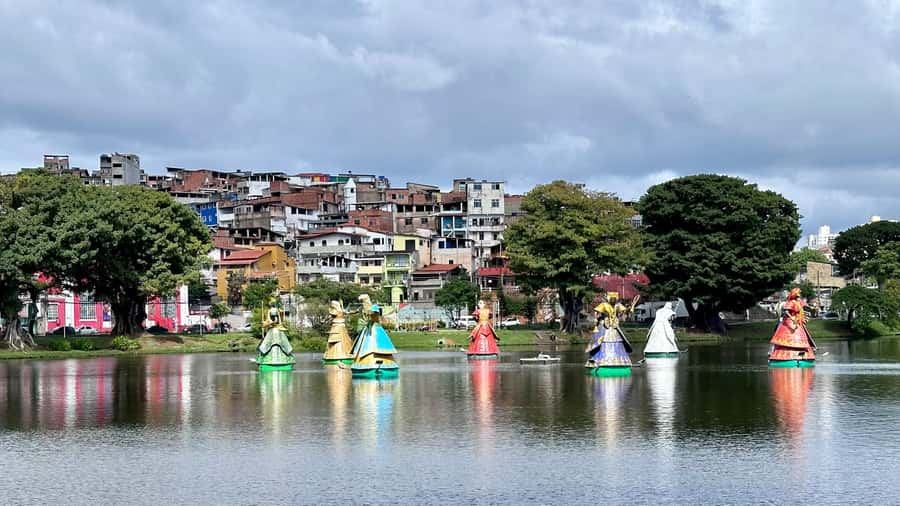
Dique do Tororó provides a change of pace, with time for photographs, a short guided visit, and views of one of Salvador’s notable city settings. The stop is listed at about 20 minutes, so think of it as a concise scenic pause rather than a full visit.
The site helps break up the museum and walking sections. You can take photographs, look across the water, and see another side of Salvador before continuing to the historic center. The views also give your guide a chance to point out how the city has grown around places tied to Afro-Brazilian culture.
Do not expect this stop to carry the same depth as the museum or terreiro. Its role is partly visual and partly practical: it gives you a breather during a tightly scheduled four-hour route.
Pelourinho connects the past to the city center
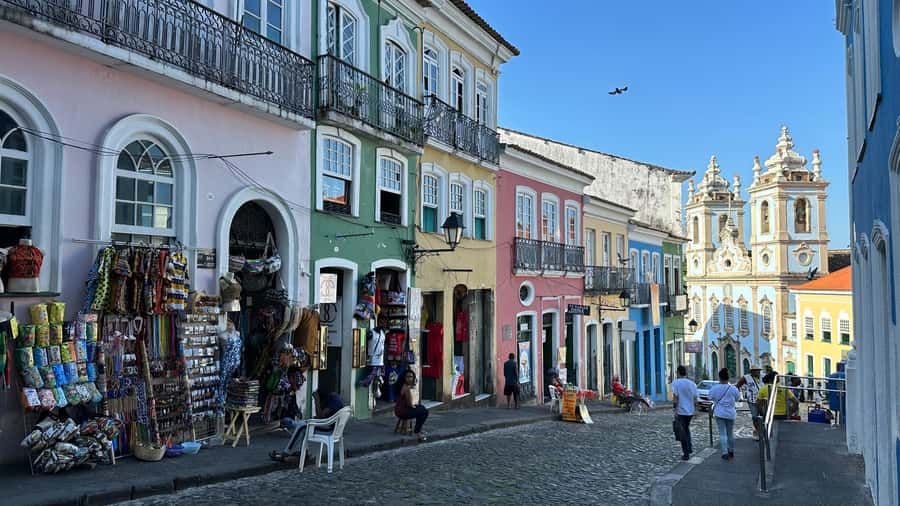
The tour ends in Pelourinho, Salvador’s famous historic district. The stop lasts about 45 minutes and combines photographs, a visit, and guided explanation.
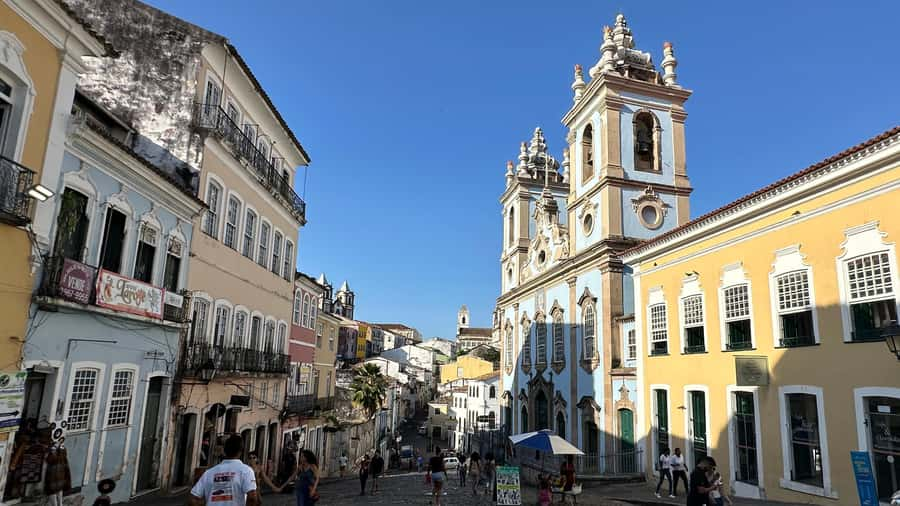
Pelourinho is an important place for understanding the city’s colonial past and the public spaces where power, punishment, religion, and commerce once met. Your guide can connect its architecture and streets with the larger story of slavery, abolition, Black identity, and Afro-Brazilian culture.
This final stop works best after the earlier visits. On its own, Pelourinho can seem like a photogenic old quarter. After seeing the museum, gallery, maroon community, and terreiro, you have more tools for reading the district’s history.
The tradeoff is time. Forty-five minutes is enough for a guided introduction and photographs, but not enough to explore every church, shop, and alley. If you want a leisurely Pelourinho visit, return later on your own. This tour uses the district as the final chapter in a larger story.
What the four-hour schedule feels like
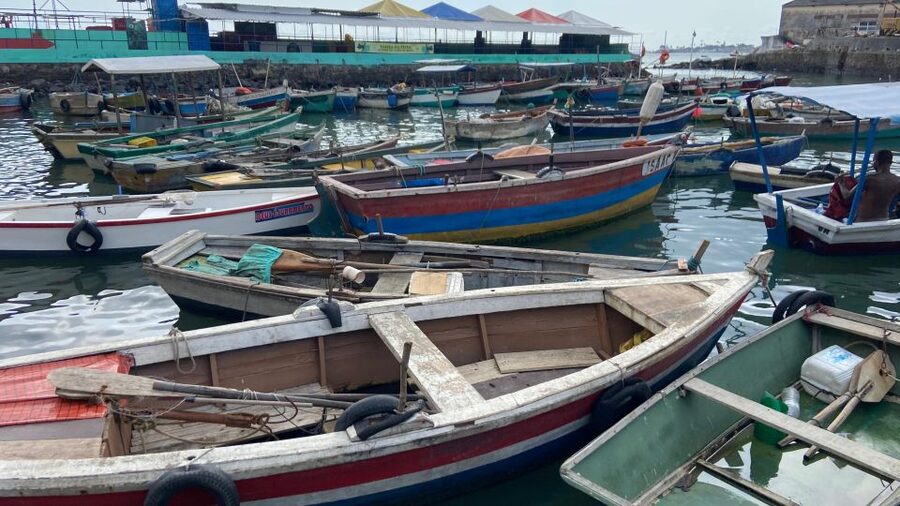
Pickup is from your hotel lobby in Salvador City, with transport in an air-conditioned vehicle. The route includes several stops and returns you to Salvador at the end. That arrangement is useful because the sites are not all in one compact cluster.
The tour is described as a private group with no more than six people. This is a major practical advantage. You can ask why a particular object matters, request clarification in your language, or tell the guide that you want more time on history and less time on photographs.
Four hours is enough for an introduction, not a full study of Candomblé or Salvador’s Black history. The schedule includes short stops of about 20, 30, 45, and 50 minutes, along with transport and walking. You will see a wide range of places, but some visits will feel brief.
The strongest guide experience will likely come from asking questions. Nilson was praised for adjusting the tour to personal interests and suggesting ideas for further exploration in Salvador. Fernando, Monia, and Maria Nunes were also singled out for friendly, detailed explanations. Guide assignments are not guaranteed, but these examples suggest that the human side of the tour can shape the day.
Is $110 a fair price?
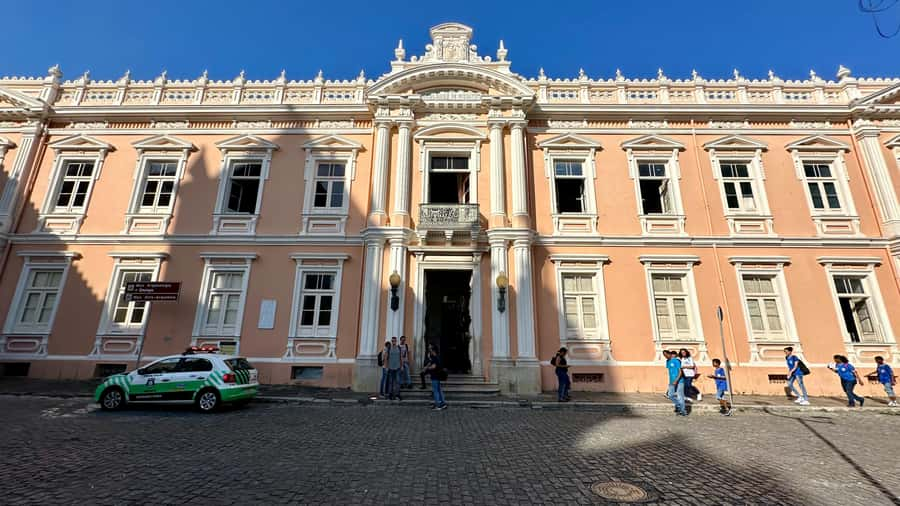
At $110 per person, this is not the cheapest way to see Salvador. The price includes entrance fees, hotel or port pickup and drop-off, and private transport in an air-conditioned vehicle. It also buys a small-group format and a guide who can explain the links between places rather than leaving you to visit them as separate sights.
The value is strongest for two to six people who would otherwise need to arrange several taxis, museum visits, and a local guide. It is less attractive if you already know Salvador well, speak Portuguese, or only want a quick look at Pelourinho and Dique do Tororó.
One practical concern deserves attention. A booking reported that not all entrance fees were included, with an extra charge of 20 Brazilian reais per person. The stated arrangement includes entrance fees, so ask the provider to confirm exactly which sites are covered before departure. Also budget separately for food, drinks, and the optional sacred oracle consultation.
You can reserve now and pay later, and cancellation is free up to 24 hours in advance for a full refund. Those terms help if your Salvador schedule is still changing.
Who will get the most from this tour?
I would recommend it to you if you want:
- A focused introduction to Candomblé and Afro-Brazilian religious life
- Historical context for Salvador’s Black population and colonial past
- A private guide rather than a large group
- Museum visits combined with community-based interpretation
- Hotel pickup and a short route that fits into a busy itinerary
- A chance to ask questions in English, Spanish, French, Italian, or Portuguese
I would hesitate if you want a slow museum day, a purely architectural tour, or a predictable sightseeing route with little discussion of religion and slavery. The subject requires respect, and some of the content may be emotionally difficult.
Dress modestly, bring water, and keep your expectations realistic. This is a compact cultural introduction, not a full day at each site. The best result comes when you see it as a way to understand Salvador more clearly, then use what you learn on later visits around the city.
Should you book the Candomblé Mysteries Tour?
Book it if Salvador’s African and Indigenous religious traditions are a real interest, especially if you value a local guide and a private group. The combination of museum objects, Pierre Verger’s photographs, a maroon community, a terreiro, Dique do Tororó, and Pelourinho gives you a much fuller picture than a standard historic-center walk.
Before paying, confirm the entrance-fee details and ask whether the sacred oracle consultation is priced separately. If you are comfortable with the dress code and the serious subject matter, this tour offers strong value for a half-day and may change how you read Salvador’s streets afterward.
FAQ
How long is the Candomblé Mysteries Tour?
The tour lasts four hours.
What language can the guide speak?
Guides are available in Spanish, English, French, Italian, and Portuguese.
Is the tour private?
Yes. It is offered as a private group, with a maximum of six people.
Where does pickup take place?
Pickup is included from your hotel lobby in Salvador City. Port pickup and drop-off are also included.
What transportation is provided?
Transport is provided in an air-conditioned vehicle.
Which places are visited?
The route includes the Afro-Brazilian Museum, Pierre Verger Gallery, Dique do Tororó, a maroon community, a Candomblé terreiro, and Pelourinho.
Are entrance fees included?
Entrance fees are stated as included. Confirm the exact coverage before departure, since one booking reported an additional entrance charge.
Is food included?
No. Food and drinks are not included.
Is the sacred oracle consultation included?
No. The consultation is optional and costs extra.
What should I wear?
You must cover your knees and shoulders at places of worship and selected museums. Shorts and sleeveless tops are not allowed for men or women, and entry may be refused if you do not follow the dress code.
Just added in Salvador
- Salvador: Schooner Cruise with Pickup and Itaparica Stop★ 3.8 · 5 reviews
- Salvador: Traditional Drumming and Percussion Workshop★ 4.4 · 10 reviews
- Salvador by Night: Cultural Show and Dinner.★ 4.4 · 17 reviews
- Salvador: 3-Hour Percussion Class★ 4.9 · 10 reviews
- Salvador: Walking Tour Through Pelourinho★ 5.0 · 49 reviews
- Salvador: Cultural Treasure – Samba de Roda.★ 4.9 · 51 reviews
- Salvador: Capoeira Class at Mestre Bimba’s 1st Ever School.★ 4.9 · 34 reviews
- Salvador: Cultural Night of Capoeira, Samba, and Drumming★ 4.9 · 17 reviews
Tours in Salvador, compared.


Afro-Brazilian Roots Private City Tour in Salvador
Read our review →
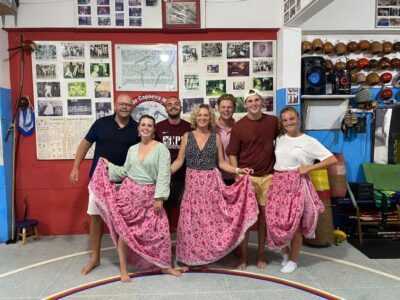
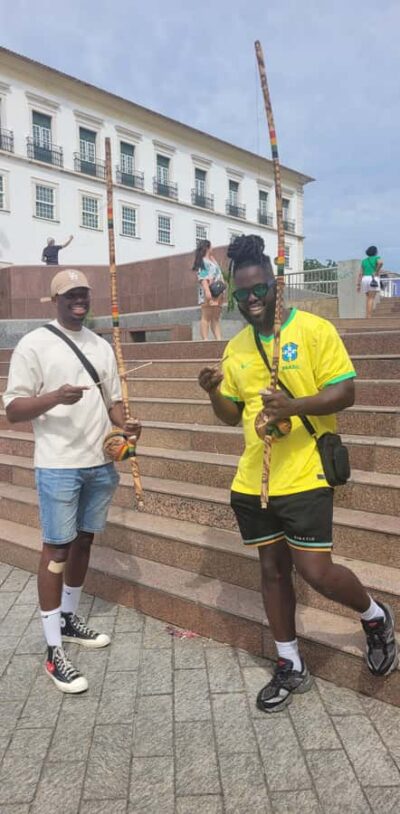
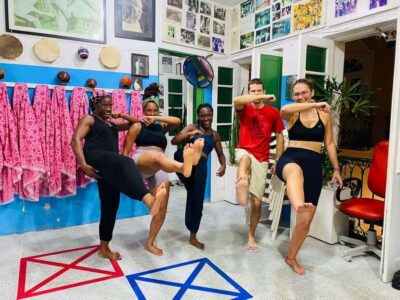
Capoeira Class at Mestre Bimba’s 1st Ever School.
Read our review →Browse the lists this tour appears in