
Reviewed · SALVADOR
Afro-Brazilian Roots Private City Tour in Salvador
Salvador’s Afro-Brazilian identity is not confined to a museum or a few historic streets. It appears in the food sold at São Joaquim Fair, the altar cared for by fishermen in Rio Vermelho, the drums, the religious traditions, and the neighborhoods where daily life continues beyond the usual sightseeing route. This six-hour private tour gives you a thoughtful way to connect those pieces.
I especially like the private car and flexible guiding, which make it easier to move between scattered parts of the city without wasting time. The chance to visit a Candomblé temple, taste acarajé, and eat lunch beside the sea also gives the day real substance. The main drawback is that this is an educational tour with serious subject matter, not a light sightseeing drive, and some favela communities do not allow photography.
Key points to know
- A history-focused Salvador route: Learn about African, Indigenous, colonial, and present-day influences through places outside the standard tourist circuit.
- Candomblé explained with care: Visit a sacred Ewe Fon temple and discuss beliefs, traditions, and religious survival in Bahia.
- Food is part of the lesson: Taste acarajé, browse ingredients at São Joaquim Fair, and finish with lunch by the sea.
- Private transport matters: A comfortable car and driver connect several parts of Salvador during a six-hour outing.
- Guides vary, but the teaching is the common strength: Wilson, Mônia, Vagner, Ronaldo, Fernando, and others have led this experience in different bookings.
- Plan for walking and respect local rules: Wear comfortable shoes, and expect no photography in some favela communities.
Why this tour matters in Salvador
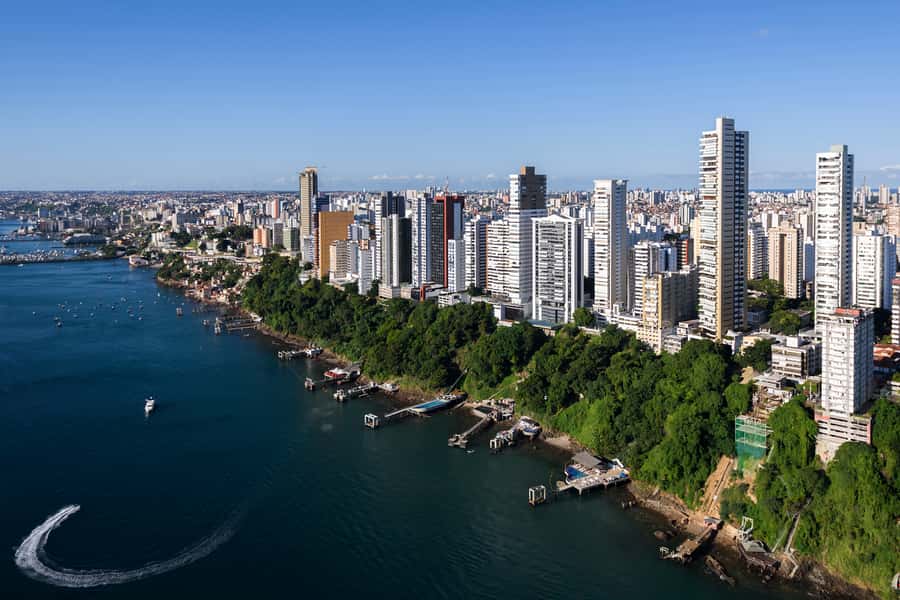
Salvador is one of Brazil’s key places for understanding the African influence on the country. That influence is not simply a matter of music, dance, or colorful food. It reaches into family life, religious practice, language, cooking, clothing, neighborhoods, and the ways people preserved identity under difficult conditions.
This tour puts those subjects at the center. You are not just driven past landmarks while hearing a few dates. The guide connects each stop to the larger story of Afro-Brazilian life, including the ways African traditions changed, adapted, and survived in Bahia.
That makes the tour especially useful early in a Salvador visit. After six hours with a guide, you should have a better sense of what you are seeing elsewhere in the city. A market stall, a religious symbol, or a rhythm heard in the street can carry more meaning when you understand its background.
The experience is private, so the pace and conversation can suit your group. Several guides have been praised for their English, including Wilson, Vagner, Mônia, and Fernando. The available languages are Portuguese, Spanish, English, and French.
A few more things to do in Brazil
- Private São Paulo City Tour
★ 4.8 · 264 reviews - Rio de Janeiro: Private Guided City Tour
★ 4.6 · 207 reviews - Private Helicopter tour – Rio de janeiro in 30min
★ 4.8 · 173 reviews
Rio Vermelho and Yemayá’s waterfront altar
The day begins with pickup in Salvador, usually from your accommodation. You are asked to wait in the hotel lobby 10 minutes before the scheduled time, a small detail worth taking seriously in a city where traffic can affect the schedule.
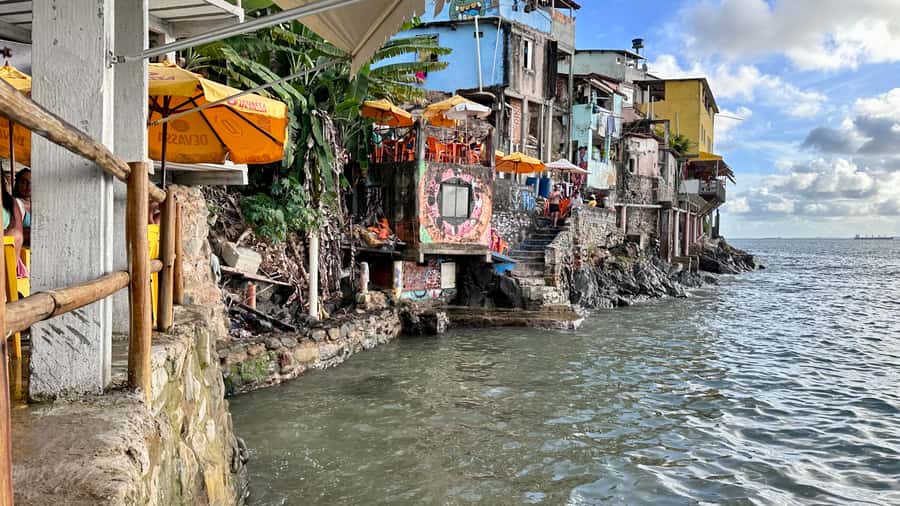
The first stop is the waterfront area of Rio Vermelho. Here, you visit an altar dedicated to Yemayá, the African deity associated with the sea. Local fishermen maintain the altar, which gives the site a living role rather than making it just another photo stop.
Your guide can explain how African religious traditions became part of Brazilian life and how Candomblé communities continue to practice their faith. This is one of the places where a private guide is especially useful. Without context, you might see a decorated seaside shrine. With context, you begin to understand its place in the community.
The stop lasts about 30 minutes. Expect time for photographs and discussion, but not a long visit with a formal ceremony. You should also approach the site with respect. Religious spaces are not props, and your guide can help you understand what is appropriate.
Dique do Tororó and the African figures on the water
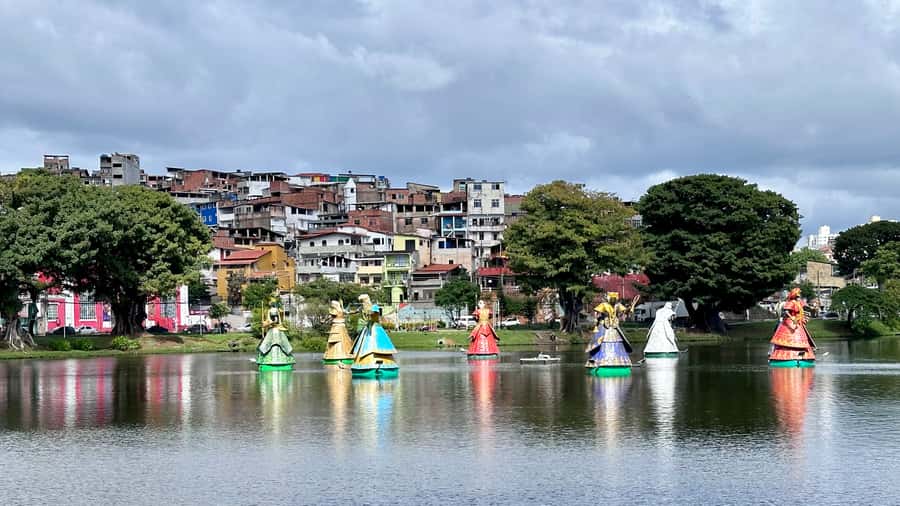
Next comes Dique do Tororó, a lagoon and public space known for its large African-inspired sculptures. The stop lasts about 30 minutes and is mainly suited to photographs and explanation.
The figures give the tour a strong visual moment. They are not presented as isolated decoration. Your guide uses them to discuss African spiritual traditions and the public presence of Black culture in Salvador.
This is also a useful contrast with the waterfront altar. At Rio Vermelho, you see a religious site maintained through local practice. At Dique do Tororó, you see African references presented in a public urban setting. Together, the stops help show how Afro-Brazilian culture appears both in private devotion and in the city’s shared spaces.
Do not expect a long walk around the entire lagoon. The scheduled visit is short, so the value comes from the guide’s explanation and from seeing the sculptures in person.
São Joaquim Fair, where food tells the story
São Joaquim Fair is likely to be one of the day’s most rewarding stops. It is described as an important part of Salvador’s cultural heritage, and the tour allows around 30 minutes for visiting, photographs, and guiding.
The market brings together fruits, vegetables, seasonings, prepared foods, and objects connected to African and Bahian traditions. You can pay attention to the ingredients as much as the finished dishes. A good guide will help you see how food carries memory, religion, migration, and family practice.
This is not a polished food hall designed for visitors. That is part of its value. You are seeing a working market with strong local character, and the sights and smells may be intense. If you prefer neat displays and quiet surroundings, this could feel overwhelming. If you want to understand how everyday cooking connects to culture, it is an important stop.
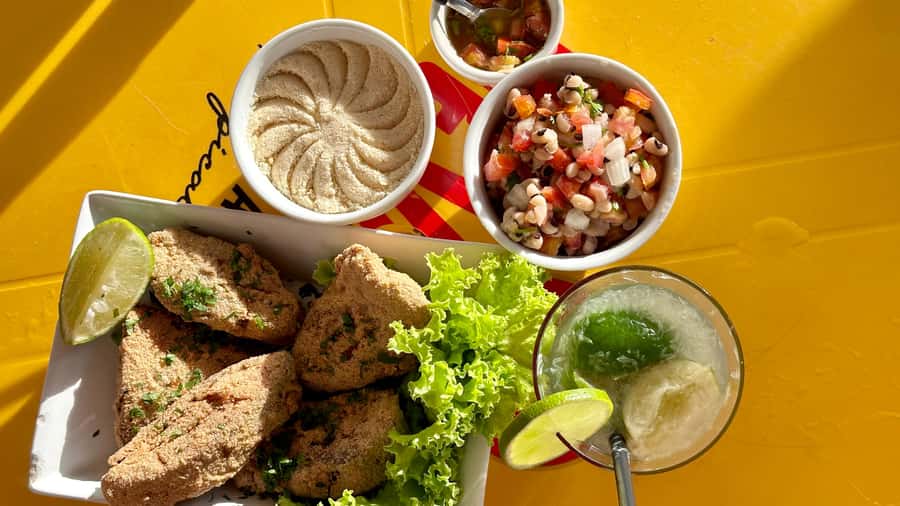
The tour includes an acarajé tasting. Acarajé is made from black-eyed peas and fried in dendê oil, then served with fillings and sauces. It is one of Bahia’s best-known foods, but it also has religious importance in Candomblé traditions. Your guide can explain both the flavor and the meaning.
Drinks are not included, so bring money for beverages if you want something beyond the food provided. The tour information does not specify the exact restaurant or lunch menu, so you should also tell the guide about any dietary concerns before setting out.
More Tours in Brazil
- Rio de Janeiro: 6-Stop Highlights of Rio with Lunch
★ 4.4 · 5,157 reviews - Christ the Redeemer Entry Ticket by Corcovado Train
★ 4.4 · 4,476 reviews - Rio de Janeiro: Rocinha Favela Walking Tour with Local Guide
★ 4.8 · 3,052 reviews - Rio de Janeiro: Sugarloaf Cable Car Official Ticket
★ 4.6 · 2,873 reviews
An Ewe Fon Candomblé temple
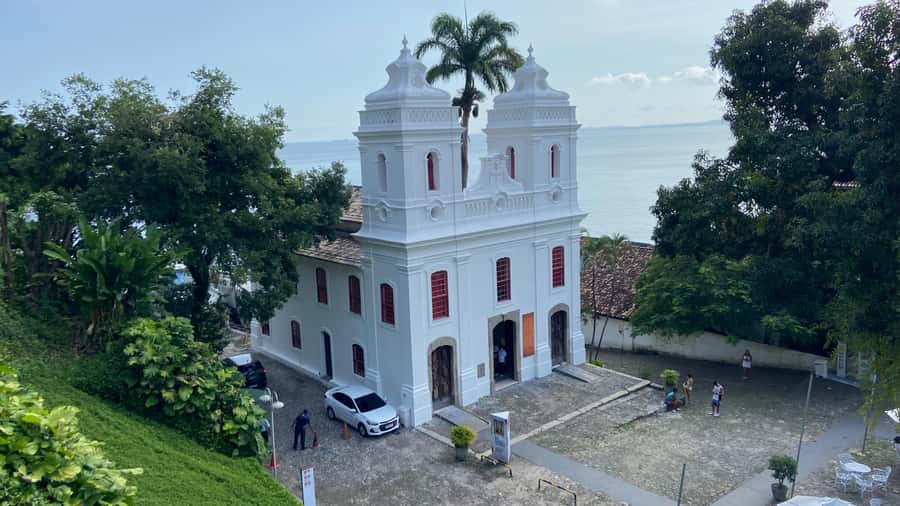
The visit to a Candomblé temple is the tour’s most important cultural encounter. The temple follows the Ewe Fon tradition, and the guide explains the beliefs and practices that shape this form of worship.
This part requires an open mind. Candomblé is not a performance arranged for sightseeing. It is a living religion, and the visit depends on proper conduct and respect for the space. Some groups have had the opportunity to speak with a member of the temple’s family or its leadership, but the exact encounter can vary.
Guides such as Wilson have been praised for handling Candomblé in considerable detail. Other guides, including Mônia, Vagner, and Ronaldo, have been described as able to connect religious practice with wider questions of identity, African heritage, and the history of Bahia.
The subject matter can be emotional and intellectually demanding. One guide has been described as especially helpful to guests with Yoruba family connections, while another booking included a visitor who wanted a stronger focus on religious detail. If that is what you want, tell the operator when booking so the guide can shape the conversation accordingly.
Photography may not be allowed in every sacred space. Follow the guide’s instructions, and do not assume that a memorable moment needs to become a picture.
Lunch beside the sea in a seaside favela
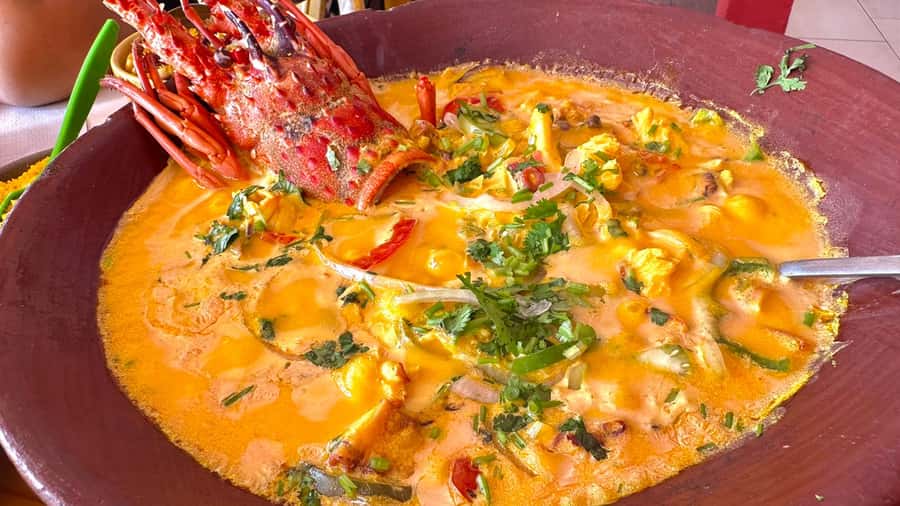
The final major stop takes you to a seaside favela, where you have time for lunch, free time, photographs where permitted, and further explanation. This part lasts about two hours, giving the day a slower finish after several short visits.
The setting is a major part of the appeal. Lunch comes with views of the sea, and the relaxed pace gives you room to talk with your guide about what you have seen. Specific restaurants can vary, but Zanzibar has been used for a meal on some outings. The food has received repeated praise, especially when it includes traditional Bahian flavors.
This is also where you need to keep your expectations realistic. A seaside favela is a living neighborhood, not a themed attraction. The tour description specifically warns that photography is not authorized in some favela communities. Respect that rule without argument. Your guide is there to help you move through the area responsibly.
The stop offers a more grounded view of Salvador than a standard restaurant in the tourist center. You are seeing how people live in an ordinary neighborhood with a striking coastal setting. The combination of local context, lunch, and time to rest makes this a sensible final stop.
What the private car adds
Salvador’s sights are spread out, so private transport is more than a comfort feature. It allows you to reach Rio Vermelho, Dique do Tororó, São Joaquim Fair, a Candomblé temple, and the seaside neighborhood in one half-day without having to manage several taxi rides.
The car is private, and a driver accompanies the guide. Several guides and drivers have been praised for careful driving, smooth navigation, and keeping the day on schedule. That matters in Salvador, where traffic and unfamiliar roads can make an independent route tiring.
The car also gives you a place to cool down between stops. One guide adjusted the order and pace to reduce exposure to the heat. Still, you should wear comfortable shoes and dress for warm conditions. The day includes neighborhood visits and some walking, even though the car handles the long transfers.
The experience is not suitable for wheelchair users. If mobility is a concern, ask the operator for current details before booking rather than assuming the private vehicle solves every access issue.
Is $150 good value for six hours?
At $150 per person, this tour costs more than a basic group city drive. The comparison is not quite fair, though. You are paying for a private car, a guide in your chosen language, lunch, an acarajé tasting, a donation, and a route that would be difficult to organize independently.
The strongest value comes from the guide. A general city tour may point out Salvador’s major sights, but this experience focuses on Afro-Brazilian culture and asks bigger questions about religion, ancestry, food, and social life. Guides such as Wilson have an academic background in history, while others bring strong personal and professional knowledge of Bahia.
The price becomes easier to justify if you are genuinely interested in the subject. If you mainly want colorful streets, quick photographs, and a relaxed ride, a cheaper sightseeing tour may suit you better. This is a good purchase for someone who wants context and conversation, not just a checklist.
Lunch is included, but drinks are not. The private format also works well for solo visitors, couples, and families who want to ask questions without holding up a larger group. You should confirm the exact lunch arrangements when booking, since the restaurant can differ.
Who will get the most from this experience?
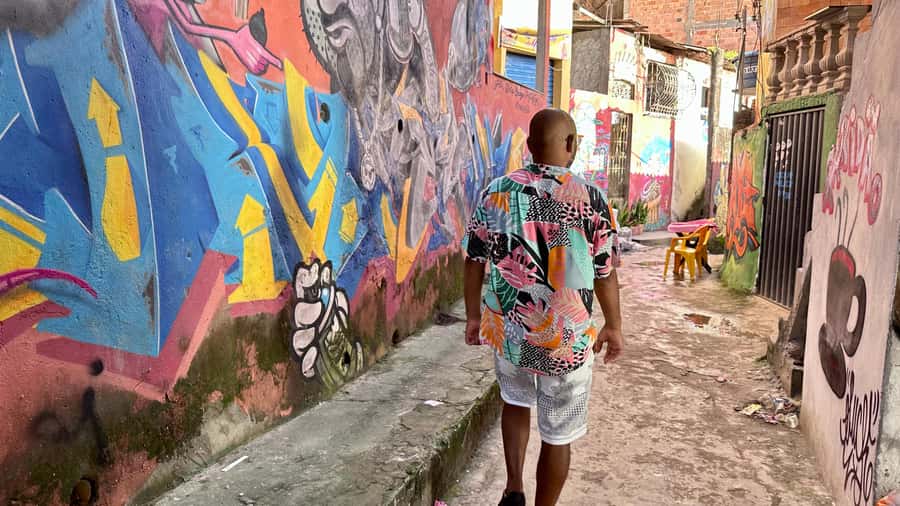
I would recommend this tour to anyone interested in African diaspora history, religion, food traditions, or contemporary life in Salvador. It is also a strong choice if you have family connections to Africa or want a more serious introduction to Candomblé.
The tour suits curious first-time visitors because it provides a framework for understanding the city. It can also work well later in a trip if you have already seen the main tourist areas and want to look beyond them.
You should be comfortable with an educational tone. One especially useful description of the tour called it more intellectual than playful, and that is fair. The guide may discuss painful parts of Brazil’s past, religious survival, social inequality, and the changing identity of Black communities. Those subjects give the day weight, but they may not fit someone seeking a purely cheerful outing.
Guide quality is a major strength across the available bookings. Names that appear in connection with this experience include Wilson, Mônia, Vagner, Ronaldo, Fernando, Leandro, and others. The particular guide is not guaranteed, so if language ability or a specific academic focus matters to you, ask before confirming.
Practical advice for a better day
Wear comfortable shoes. The tour includes several stops, neighborhood visits, and time outside the vehicle.
Carry money for drinks, since general beverages are excluded. Lunch and the acarajé tasting are included.
Keep your camera away when the guide says photography is not permitted. This is especially important in favela communities and at sacred religious sites.
Tell the guide what interests you most. You might prefer food, family ancestry, Candomblé, social history, or present-day neighborhood life. The private format gives the conversation room to follow your interests.
Plan for six hours, including pickup and return in Salvador. Starting times depend on availability, so check the schedule before booking.
The tour includes free cancellation up to 24 hours before departure and allows you to reserve now and pay later. That flexibility is useful if your Salvador plans are still shifting.
Should you book the Afro-Brazilian Roots tour?
Book it if you want to understand Salvador through its African heritage rather than simply photograph its best-known sights. The Candomblé visit, São Joaquim Fair, acarajé tasting, and lunch by the sea create a varied day, while the private car keeps the route practical.
Skip it if you want a short, breezy overview with little discussion of religion or social history. This tour asks for attention and respect, especially in sacred spaces and local neighborhoods.
For the right person, $150 buys more than transportation and lunch. It buys access to places, conversations, and cultural context that are hard to assemble alone. Wear good shoes, leave room for serious questions, and let the day show you a side of Salvador that most standard routes miss.
FAQ
How long does the Afro-Brazilian Roots tour last?
The tour lasts six hours, including pickup and return in Salvador.
Where does the tour begin?
Pickup is included from your accommodation in Salvador. You should wait in the hotel lobby 10 minutes before the scheduled pickup time.
Is the tour private?
Yes. The experience is offered for a private group with a private car.
Which languages are available?
Guiding is available in Portuguese, Spanish, English, and French.
Is lunch included?
Yes. Lunch is included, along with an acarajé tasting.
Are drinks included?
No. General drinks are not included in the tour price.
What places does the tour visit?
The route includes Rio Vermelho and the Yemayá altar, Dique do Tororó, São Joaquim Fair, an Ewe Fon Candomblé temple, and a seaside favela community.
Can I take photographs everywhere?
No. Photography is not authorized in some favela communities, and you should follow the guide’s instructions at sacred sites.
Is the tour suitable for wheelchair users?
No. The tour is not suitable for wheelchair users.
Can I cancel the booking?
Yes. You can cancel up to 24 hours in advance for a full refund. The tour also offers a reserve-now-and-pay-later option.
Just added in Brazil
- From Puerto Iguazu: Itaipu Dam Tour with Entrance Ticket★ 4.7 · 31 reviews
- From Puerto Iguazu: Secret Falls Adventure★ 5.0 · 5 reviews
- Gramado and Canela private trip with English speaking guide★ 5.0 · 6 reviews
- From Natal: Pipa, Cacimbinhas, And Love Beach Full-Day Tour★ 4.5 · 14 reviews
- From Puerto Iguazú: Brazilian Bird Park Tour with Tickets★ 4.7 · 7 reviews
- from Foz do Iguaçu: Private Tour on Argentinean Falls★ 5.0 · 5 reviews
- From Jericoacoara: Preá Beach and Paradise Lagoon Tour★ 3.8 · 51 reviews
- From Manaus: Negro River Half-Day Trip★ 4.7 · 20 reviews
Tours in Salvador, compared.

Browse the lists this tour appears in