
Reviewed · SALVADOR
From Salvador: Cachoeira Colonial Town Daytrip
The most memorable part of this day is the shift from Salvador’s city streets to the Bahian Recôncavo, a region shaped by sugar production, Afro-Brazilian faith, and Brazil’s struggle for independence. You move through Santo Amaro, Cachoeira, and São Félix with a guide, rather than simply ticking off colonial buildings on your own.
I like the small-group private format and the buffet lunch on a farm, where valley views give the long middle of the day a welcome pause. I also like the mix of history and working craft: you see churches and sisterhood traditions, then watch hand-rolled cigars being made at the Dannemann factory.
The main drawback is the pace. You have only about eight hours to cover several places, and time in each town is limited. At $220 per person, this is not a bargain-basement day trip, so it makes the most sense if you value private transport, a multilingual guide, lunch, and a structured introduction to the region.
Key points to know before booking
- Santo Amaro opens the day with sugar-era history, a public market, and colonial buildings.
- Cachoeira provides the strongest cultural stop, with baroque churches, cobbled streets, and Afro-Catholic traditions.
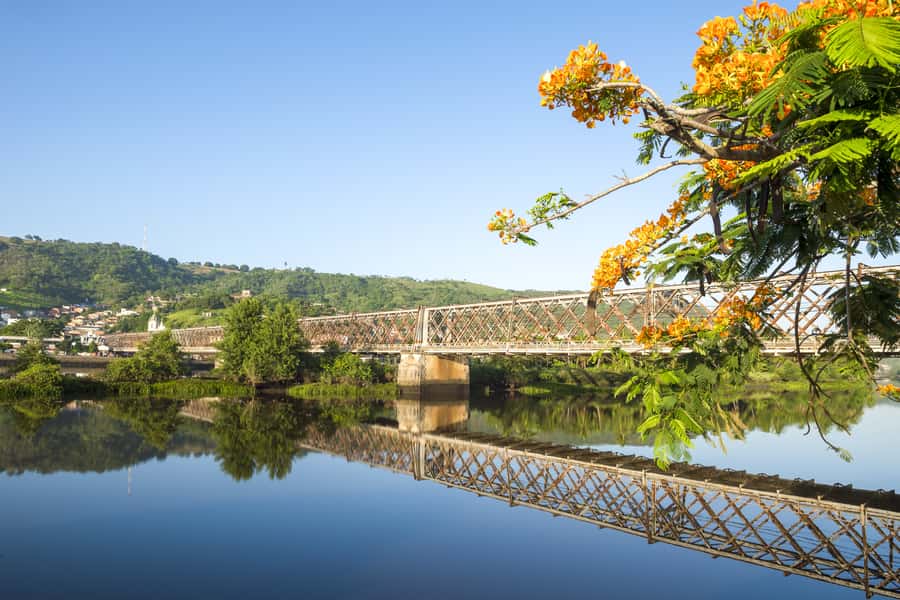
- The 1830 British bridge into São Félix adds a memorable historical crossing before lunch.
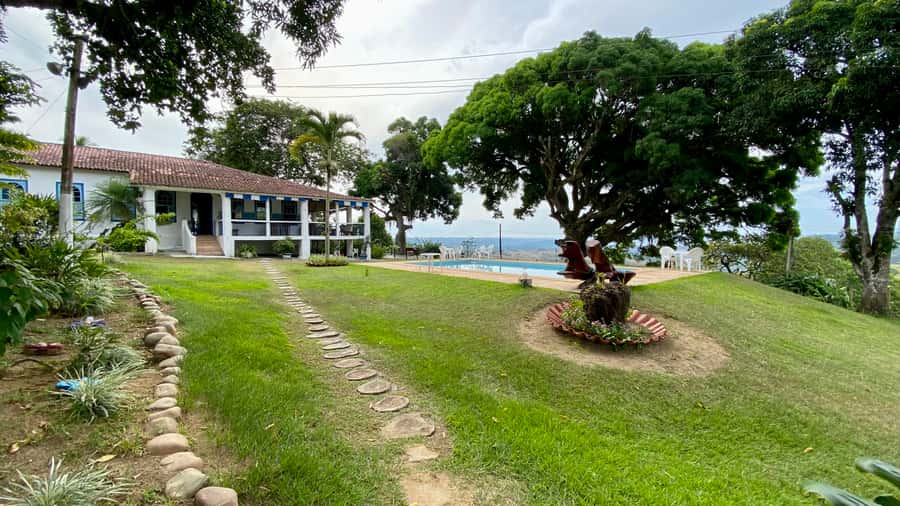
- Lunch is a buffet served on a farm, with views across the valley and drinks purchased separately.
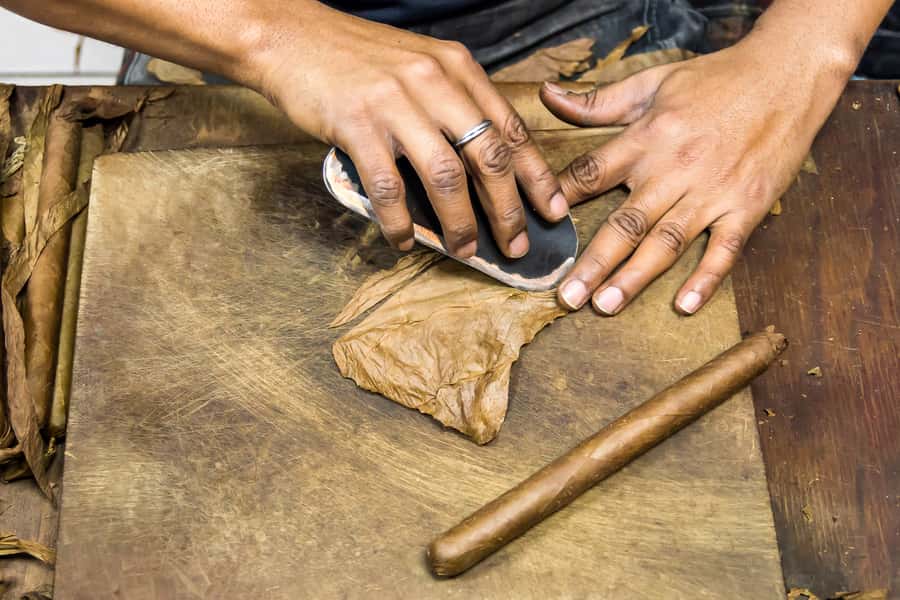
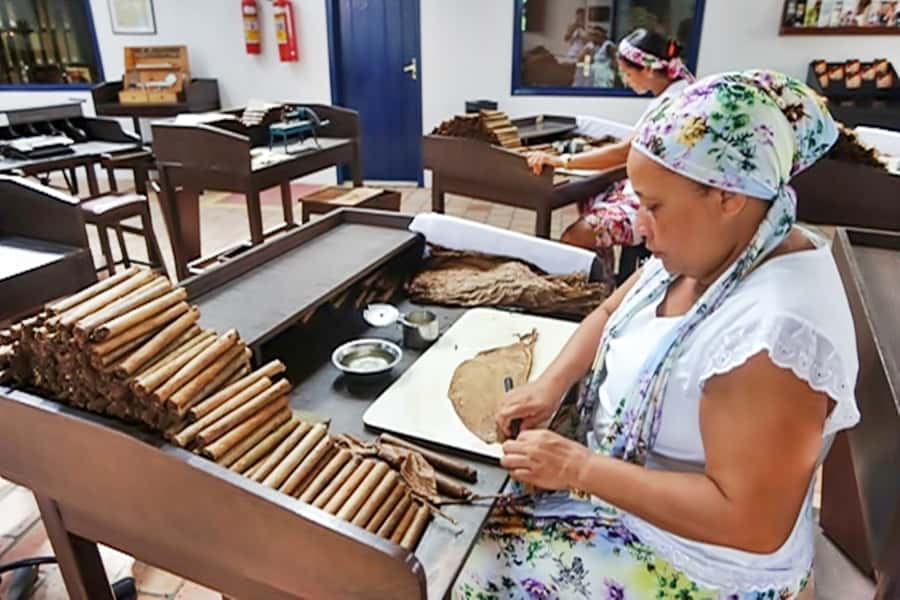
- The Dannemann Cigar Factory shows hand-rolled production, giving the tour a living craft element.
- The guide can speak English, Portuguese, Spanish, French, or Italian, and hotel pickup and drop-off are included.
Why the Recôncavo makes a better day trip than another city tour
Salvador deserves several days, but it can also feel intense. The Recôncavo gives you a different view of Bahia: smaller towns, colonial streets, rural scenery, religious traditions, and a slower rhythm. You still get plenty of historical explanation, but you are not spending the entire day inside museums.
The region played an important role in Brazil’s sugar economy and in the country’s fight against Portuguese rule. Its cultural identity also reflects the strength of Afro-Brazilian communities, especially in religious groups and local traditions. That context matters because Cachoeira is not simply attractive old architecture. The town’s churches, sisterhoods, and public spaces connect directly to Bahia’s history of faith, race, labor, and resistance.
I find this kind of day useful if you want to understand more than Salvador’s best-known sights. The tour shows how the wider region connects to the capital. You see where rural production, religious life, and trade fit into the story.
The tradeoff is travel time. This is a full-day outing, generally lasting eight to nine hours, and the route includes several stops. You should expect a busy schedule rather than a slow, unplanned wander through one town.
More Tours in Brazil
- Rio de Janeiro: 6-Stop Highlights of Rio with Lunch
★ 4.4 · 5,157 reviews - Christ the Redeemer Entry Ticket by Corcovado Train
★ 4.4 · 4,476 reviews - Rio de Janeiro: Rocinha Favela Walking Tour with Local Guide
★ 4.8 · 3,052 reviews
Santo Amaro: a first look at Bahia’s sugar country
The first stop is Santo Amaro, where you have about an hour for a guided visit, a walk, photographs, and views along the way. The town is linked to the sugar economy, and its preserved colonial buildings help explain how that older system shaped the Recôncavo.
The public market is an important part of the stop. Rather than seeing only polished historic façades, you get a look at a place used for everyday trade. That contrast is useful. A market gives you a sense of local life that a church or monument alone cannot provide.
Your guide can point out the connections between the town’s architecture, the sugar era, and resistance to colonization. Because the visit is short, you will not have time to examine every street or spend long browsing. Think of Santo Amaro as a strong introduction to the region, not the main event.
You may also hear the plantation story presented through the rural setting and older agricultural economy. The available details do not promise a long plantation-house tour, so I would not book this expecting an extensive visit to a preserved estate. The emphasis is broader: the history of production, colonization, and the 19th-century world that shaped the area.
Cachoeira: the cultural heart of the route
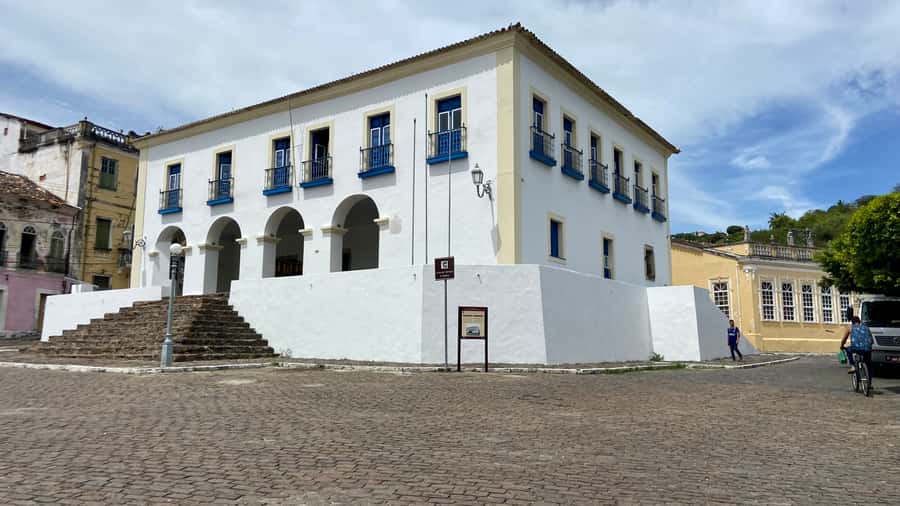
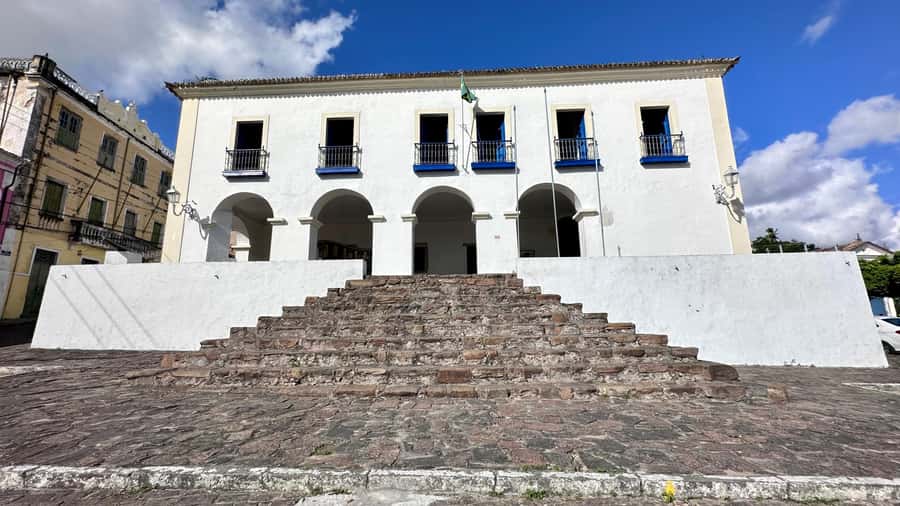
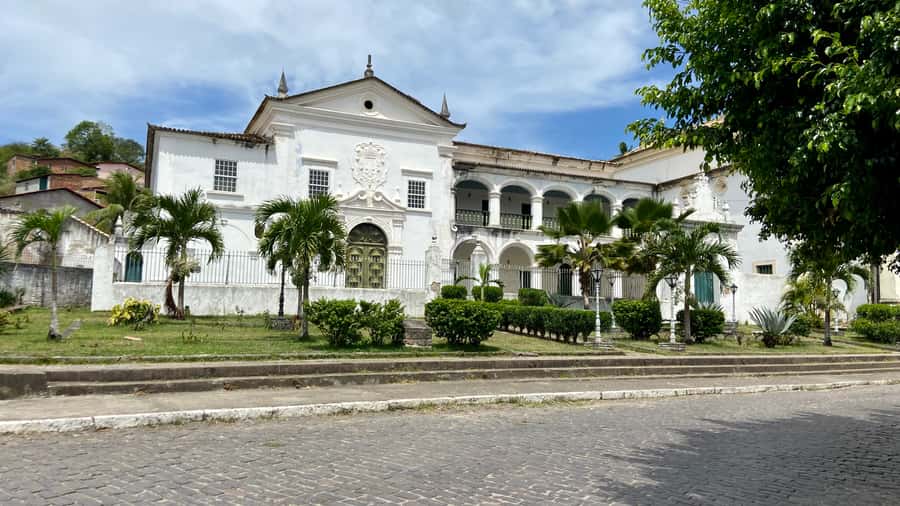
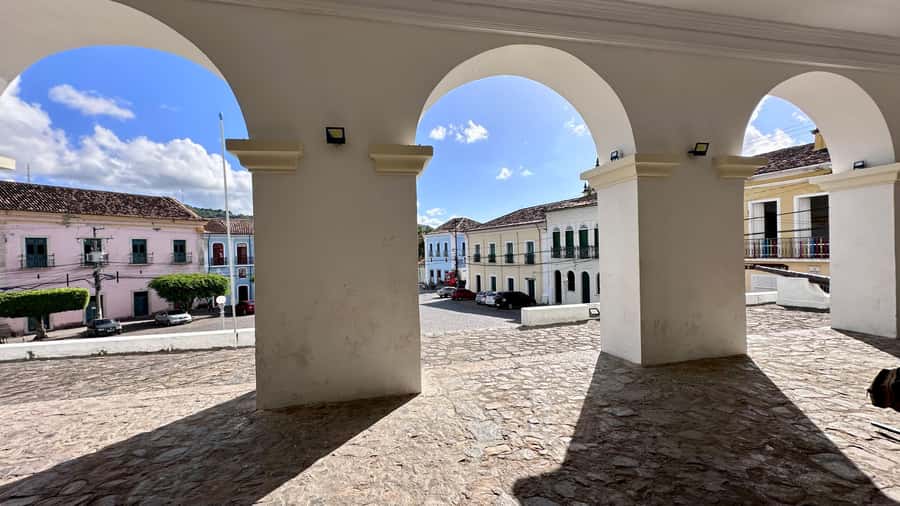
Cachoeira receives roughly two hours, making it the central stop. You walk along cobbled streets, see baroque architecture, visit historic churches, take photographs, and have some time for shopping and independent looking.
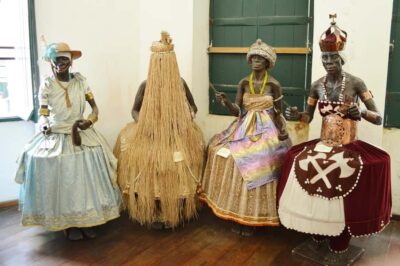
The town’s appeal is not only visual. Its importance comes from the way architecture and Afro-Brazilian identity meet here. The visit to the Sisterhood of Our Lady of the Good Death adds an especially meaningful layer. This Afro-Catholic sisterhood represents cultural endurance and gives you a direct way to understand how African traditions and Catholic practice developed together in Bahia.
A guide is valuable here. Without context, you might see an old church, a narrow street, or a decorated façade and move on. With explanation, you can better understand why the town matters and how its religious life connects to the wider Recôncavo.
Two hours is enough for a focused walk, but not for a leisurely exploration of every corner. If you love photography, historic churches, or local religious culture, you may wish for more time. Still, the schedule gives you a solid introduction without turning the day into a single-site visit.
The tour description identifies Cachoeira as a UNESCO World Heritage Site and highlights its baroque architecture. You should expect a historic town visit rather than a modern attraction with large interpretive facilities. Comfortable shoes will help on the cobbled streets, and modest clothing is sensible when visiting religious sites.
Crossing into São Félix on the old British bridge
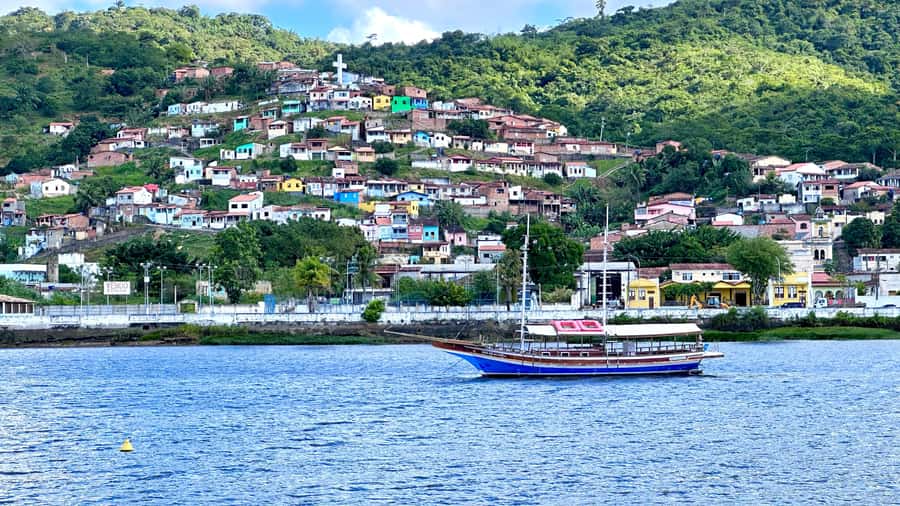
After Cachoeira, the route crosses the historic 1830 British bridge into São Félix. This is a small detail, but it gives the journey a clear sense of place. You are not simply being driven from one town to another. The bridge marks the connection between two communities and adds an engineering and transport story to the day.
The São Félix portion includes a break and lunch, with about an hour set aside. The meal is served at a farm with panoramic views of the valley. I like this arrangement because it gives you time to sit down after the walking portions, eat a proper Bahian buffet, and take in the countryside.
Lunch is included in the price, which matters in a full-day tour. You do not need to search for a restaurant during a tight schedule, and the meal becomes part of the regional experience rather than an anonymous stop on the road. Drinks are not included, so keep that small extra cost in mind.
The one-hour break may feel short if you want a long meal, extended photographs, and unhurried conversation. It is enough for a planned stop, but this is not a leisurely farm afternoon. The value comes from combining food, views, and a practical rest point in one place.
Same city, a different sort of day:
- Rio de Janeiro: Sugarloaf Cable Car Official Ticket
★ 4.6 · 2,873 reviews - Rio: Christ the Redeemer, Sugarloaf, Selaron & BBQ Lunch
★ 4.5 · 2,428 reviews - Rio De Janeiro: Half-Day Rocinha Favela Walking Tour
★ 4.7 · 2,272 reviews - Rio de Janeiro: Angra dos Reis and Ilha Grande Full-Day Tour
★ 4.6 · 1,673 reviews
Dannemann Cigar Factory: a working craft stop
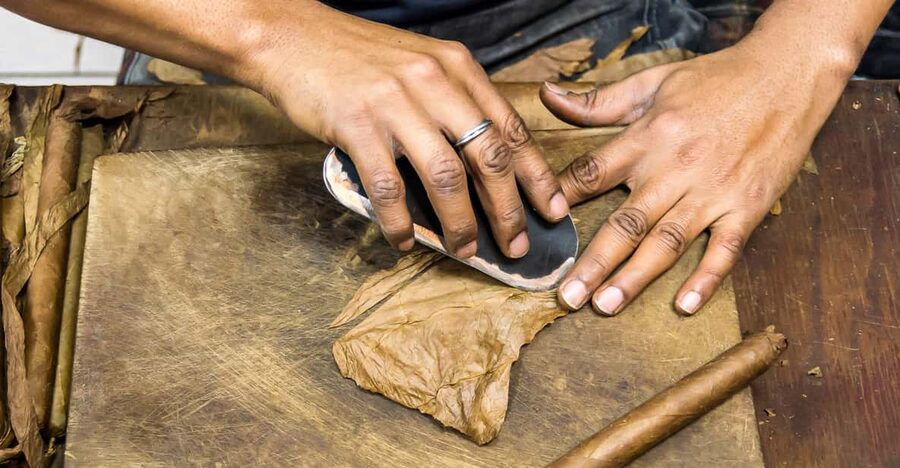
The day ends with a visit to the Dannemann Cigar Factory, where you can see cigars being rolled by hand. This is one of the tour’s most distinctive features because it moves beyond monuments and churches into a traditional craft.
A factory visit can sometimes feel like a sales stop, but the information provided here emphasizes production and craftsmanship. You can watch the process and see how a regional product is made. If you have little interest in cigars, the stop may be less compelling than Cachoeira’s churches and sisterhood history. If you enjoy traditional work and local manufacturing, it adds welcome variety.
The cigar factory also fits the broader theme of the day. The Recôncavo is presented not as a museum piece, but as a place where old economic and cultural practices still have a visible presence. You see colonial architecture, religious traditions, agricultural surroundings, and hand production in the same outing.
Because the trip is private, you can ask your guide to explain what you are seeing instead of relying only on a brief sign or a rushed group explanation. That personal exchange is one reason the price can make sense.
The guide can shape the whole experience
The quality of this tour depends heavily on the guide. You are moving through places whose importance is historical and cultural, not always obvious at first glance. A good explanation can turn a short walk into a much clearer picture of Bahia.
The available language choices are English, Portuguese, Spanish, French, and Italian. That is useful for couples or families who want to ask questions naturally rather than follow a fixed speech. The private-group setup should also make it easier to adjust the conversation to your interests, within the limits of the day’s schedule.
Two guides received especially strong praise in the supplied feedback. Jean Luis was noted for speaking excellent French, having lived in France, and bringing a good sense of humor to the day. Wilson was described as a history professor with excellent English, broad knowledge, and an easy laugh. A driver named Adriana was also praised for handling Salvador’s dense traffic safely.
Those details matter because the route starts and ends in Salvador, where traffic can affect the mood of a long day. A calm driver and a guide who explains the area clearly can make the hours on the road feel useful rather than wasted.
The experience has an overall rating of 4.8 from 18 reviews, with praise centered on smooth organization, strong guides, language ability, humor, and the range of the program. Ratings cannot guarantee the exact guide assigned to you, but they do point to the human side of this tour as its greatest strength.
Is $220 per person a fair price?
At $220 per person, the tour costs more than a basic shared bus excursion. The price includes round-trip hotel transport from Salvador, an air-conditioned coach, a professional guide, lunch, and entrance fees. It is also described as a private group experience, which changes the value calculation.
For two people, the price buys convenience and a full day without arranging separate transport between Santo Amaro, Cachoeira, São Félix, and the factory. You also avoid the work of researching opening times, finding lunch, and coordinating a route through several towns.
I would consider the price fair if you want a guided cultural day and prefer not to manage logistics yourself. It is less attractive if your main goal is simply to reach Cachoeira and spend many hours there at the lowest possible cost.
The included buffet is helpful, though drinks cost extra. The air-conditioned transport is another practical benefit in Bahia’s heat, especially after walking on cobblestones. Hotel pickup and drop-off also make the tour easier at the start and end of a long day.
The booking terms add flexibility: you can cancel up to 24 hours in advance for a full refund, and you can reserve now and pay later. Minimum numbers apply, and at least two people are required per booking. If the operator cannot run the departure because too few people are booked, an alternative or full refund is offered.
Who will enjoy this day most
I would recommend this trip to you if you want:
- A guided introduction to Bahia beyond Salvador
- Colonial architecture with historical explanation
- Afro-Brazilian religious and cultural context
- A private group rather than a large standard excursion
- A local buffet lunch included in the day
- Rural views and a traditional cigar-making visit
- A multilingual guide who can answer questions
It suits couples, families, and small groups that want a structured day with transport included. History fans will get the most from Santo Amaro and Cachoeira, while people interested in local production may especially enjoy the Dannemann factory.
You should think twice if you dislike long road transfers, prefer a slow pace, or want to spend the entire day in one town. The program covers a lot, but that means each stop has a defined limit.
The accessibility information needs careful checking before you reserve. One part of the supplied information describes the activity as wheelchair accessible, while another says it is not wheelchair accessible and lists wheelchair users as unsuitable. Since the route includes cobbled streets and historic sites, you should contact the operator directly and confirm whether your mobility needs can be accommodated.
Should you book the Cachoeira day trip?
Book it if you want a well-organized way to connect Salvador with the wider Recôncavo. The strongest reasons are the private format, included lunch, multilingual guiding, Cachoeira’s religious and colonial history, and the chance to see hand-rolled cigars being produced.
I would choose it over a simple sightseeing bus if you care about context and personal attention. Guides such as Wilson and Jean Luis show how much the day can benefit from someone who understands both the history and the humor of the region.
I would skip it if $220 feels high for a full day with limited time in each town, or if you want a relaxed visit focused only on Cachoeira. For the right traveler, though, this is a useful and varied way to see Bahia’s towns, traditions, food, and countryside in one day.
FAQ
How long does the Cachoeira day trip last?
The tour lasts about eight hours, with some information giving an expected range of eight to nine hours.
Where does the tour begin and end?
Pickup and drop-off are provided at your hotel lobby in Salvador.
Which towns are included?
The route includes Santo Amaro, Cachoeira, and São Félix, followed by the return to Salvador.
Is lunch included?
Yes. A buffet lunch is included and is served on a farm near São Félix. Drinks are not included.
What languages can the guide speak?
Guiding is available in English, Portuguese, Spanish, French, and Italian.
Is this a private tour?
Yes. The experience is described as a private-group tour, with a minimum booking requirement of two people.
What is included besides lunch?
The tour includes a professional guide, hotel pickup and drop-off, air-conditioned transport, and entrance fees to the attractions.
Can I cancel the booking?
Yes. You can cancel up to 24 hours before the activity for a full refund. You can also reserve now and pay later.
Just added in Brazil
- From Puerto Iguazu: Itaipu Dam Tour with Entrance Ticket★ 4.7 · 31 reviews
- From Puerto Iguazu: Secret Falls Adventure★ 5.0 · 5 reviews
- Gramado and Canela private trip with English speaking guide★ 5.0 · 6 reviews
- From Natal: Pipa, Cacimbinhas, And Love Beach Full-Day Tour★ 4.5 · 14 reviews
- From Puerto Iguazú: Brazilian Bird Park Tour with Tickets★ 4.7 · 7 reviews
- from Foz do Iguaçu: Private Tour on Argentinean Falls★ 5.0 · 5 reviews
- From Jericoacoara: Preá Beach and Paradise Lagoon Tour★ 3.8 · 51 reviews
- From Manaus: Negro River Half-Day Trip★ 4.7 · 20 reviews
Tours in Salvador, compared.

Afro-Brazilian Roots Private City Tour in Salvador
Read our review →
Browse the lists this tour appears in