

Reviewed · HISTORICAL TOURS
Rio Culture and History through the Art of Traditional Foods
Rio’s food culture makes the city easier to understand, and this tour uses pão de queijo, coxinha, açaí, tapioca, manioc flour, and cachaça as its guidebook. You move through downtown, Lapa, and Santa Teresa, stopping at local food spots rather than simply looking at monuments from a bus. I especially like the mix of tastings and city views, plus the charming tram ride across the Lapa Arches toward Santa Teresa.
I also like that the guide can connect each snack to family traditions and daily life. Guides such as Romayne and Camila have been praised for their storytelling and personal ties to food stops. The main consideration is the $198 price, which is high for a food walk, though the six-hour length, included tram, many samples, drinks, and sightseeing make it more than a simple tasting tour.
Key points to know before booking
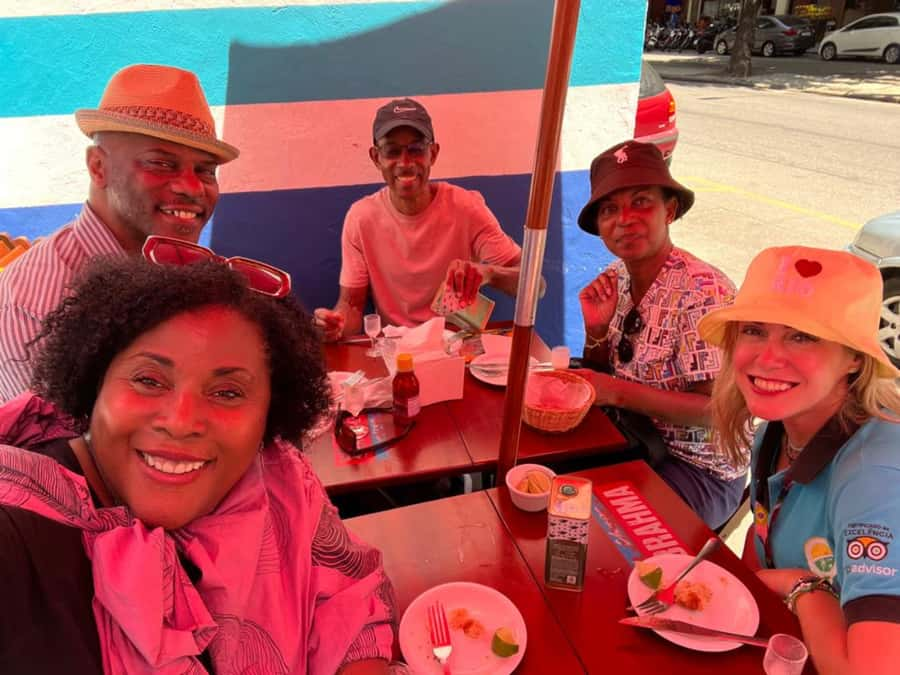
- The food is the main thread: Expect Brazilian staples such as pão de queijo, coxinha, açaí, tapioca, manioc flour dishes, brigadeiros, and bacalao fritters.
- The route links Rio’s downtown, Lapa, and Santa Teresa: You get food stops alongside major sights, historic streets, and city views.
- The Santa Teresa tram is part of the experience: It crosses the Lapa Arches aqueduct and passes Ruinas Park on the climb toward the hilltop neighborhood.
- Drinks are included in the planned tastings: You sample local beer and cachaça, along with other food and beverages.
- The guide matters here: Romayne and Camila have both been praised for warm delivery, strong English, personal connections, and stories about Rio life.
- Plan for six hours, not a quick lunch: The walking distance is about one mile, but food stops, transport, and sightseeing fill most of the day.
Why food is the right way to meet Rio
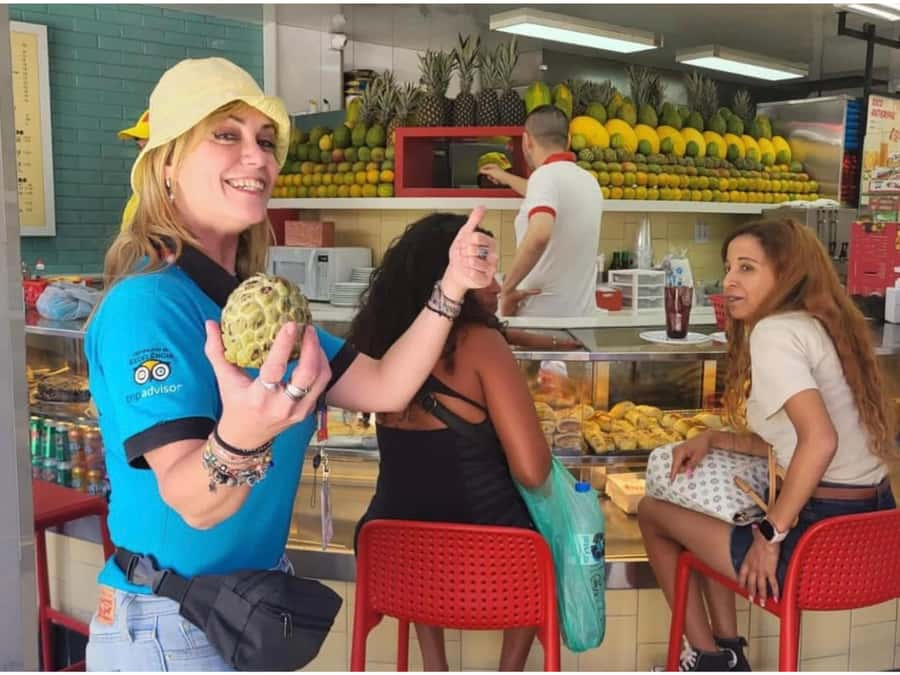
Rio can feel like several cities at once. Its grand downtown buildings, tiled stairways, old aqueduct, hillside neighborhoods, bars, and small food counters each tell a different part of the story.
A food tour gives you a practical way to connect those pieces. You are not just told that manioc flour matters in Brazilian cooking. You taste foods built around it. You do not simply hear about cachaça as Brazil’s national spirit. You try it and learn how it fits into local drinking culture.
That approach is especially useful at the start of a Rio visit. A guide can explain what you are eating, how people order it, and why one snack belongs to a family tradition or a neighborhood custom. You also get a chance to ask questions as the day unfolds, instead of trying to decode unfamiliar foods on your own.
The tour is led in English or Spanish. The guide assignment can vary, but Romayne and Camila are among the guides associated with this experience. Romayne has been praised for keeping a six-hour day moving with energy and stories, while Camila has been praised for her passion for Brazilian food and history and for sharing how people live in Rio.
More history walks in Rio de Janeiro
- Rio de Janeiro: Historic Rio and Santa Teresa Half-Day Tour
★ 4.4 · 228 reviews - Rio de Janeiro: Little Africa Heritage Walking Tour
★ 4.9 · 177 reviews - Explore Little Africa : Unveiling Afro Heritage in Rio de Janeiro
★ 5.0 · 97 reviews
Starting with Brazilian staples and local snacks
Come hungry. The tasting list reaches well beyond one pastry and a cup of coffee.
Pão de queijo is a natural introduction. These small cheese breads are made with tapioca flour, giving them a pleasant springy texture rather than the crumb of ordinary wheat bread. They are common across Brazil, but tasting them during a guided food route helps you place them in the larger picture of Brazilian cooking.
Coxinha brings a different idea. This popular savory snack is typically shaped around a filling and coated before frying. The tour presents it as part of the everyday snack culture you find in Brazil, not as a formal restaurant course.
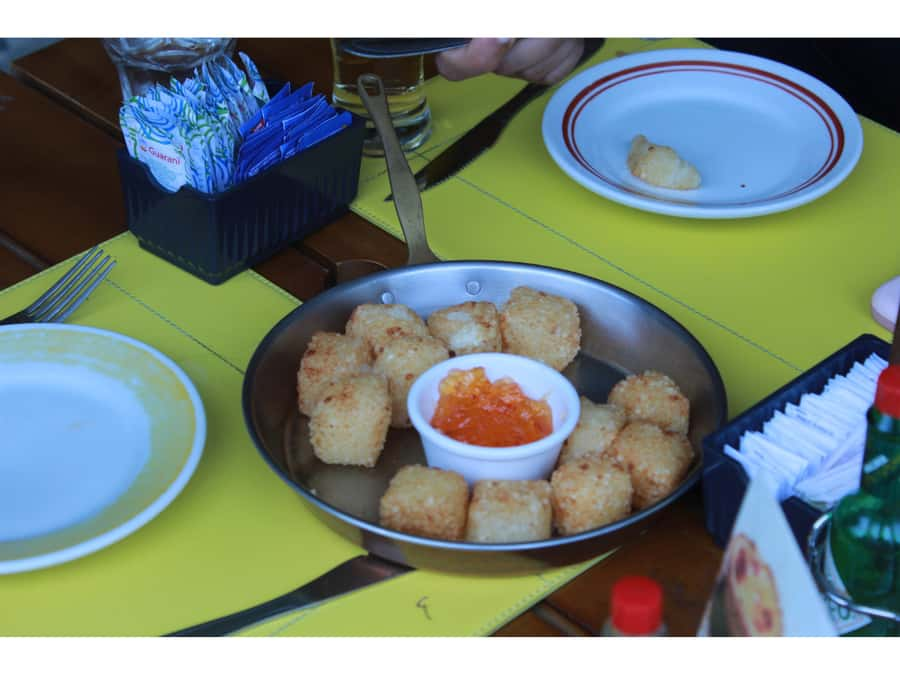
You may also taste bacalao fritters, a reminder of Portuguese influence in Brazilian food. Açaí, tapioca, and manioc flour add other useful reference points. The value here is variety: you sample sweet, salty, fried, creamy, and flour-based foods in one day.
The exact serving order can vary, and the itinerary includes planned tastings rather than unlimited meals. Additional food and drinks are not included, so treat the tour as a generous succession of samples, not a replacement for every meal of the day.
Colombo confectionery and Rio’s sweet tooth
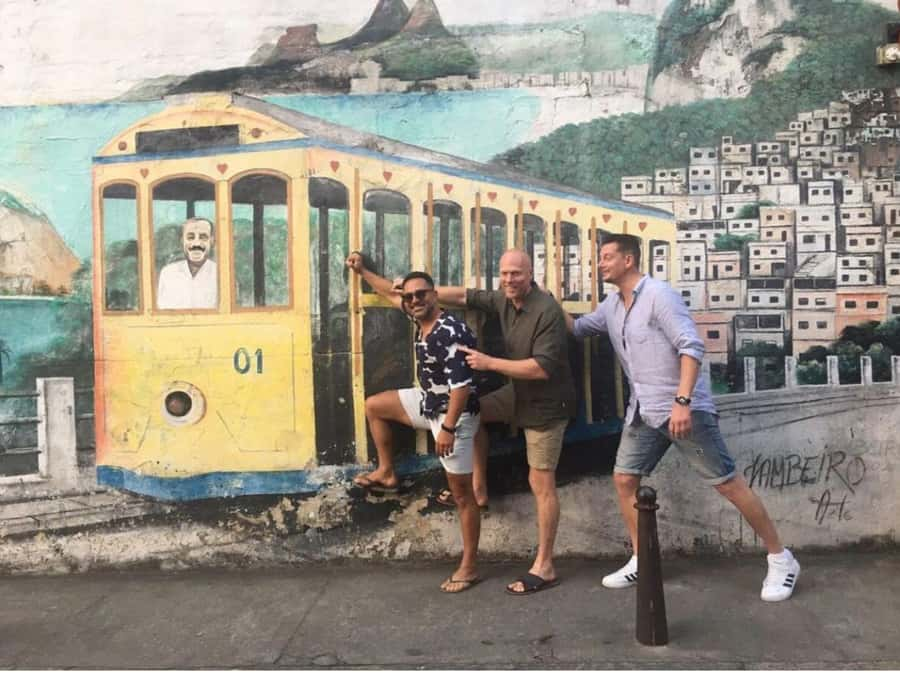
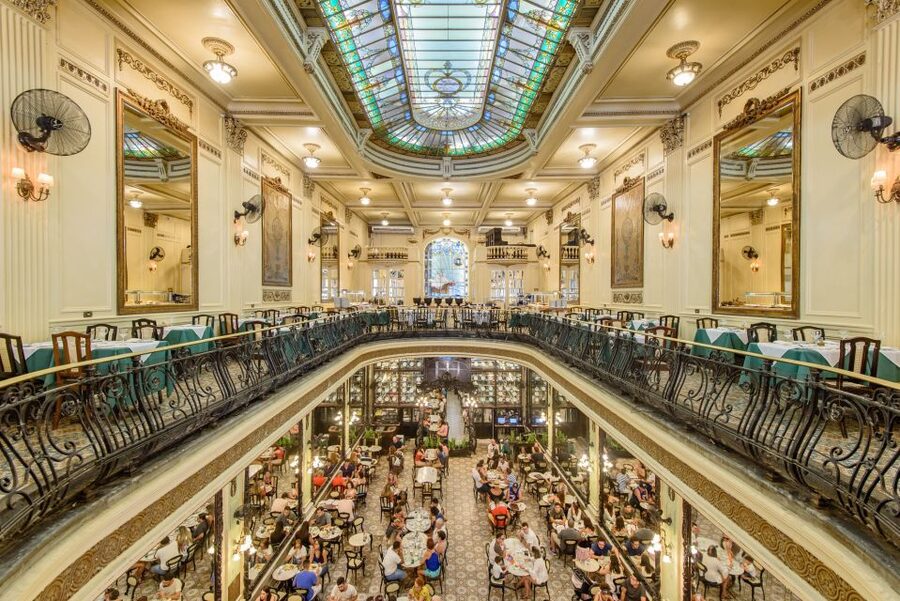
A stop at Colombo confectionery brings a different mood from the casual snack counters. The setting gives you a chance to see how Rio’s food culture includes both humble street-style bites and polished sweets.
You can lose yourself among sweet and salty options here, with the guide explaining why the place matters to Rio’s social and culinary life. This is one of the tour’s strongest contrasts: one moment you are tasting familiar local snacks, and the next you are in an ornate confectionery associated with a more formal side of the city.
Brigadeiros may also appear during the day. One guide was known to welcome a small group with homemade brigadeiros, which shows the personal touch that can shape this experience. Do not assume every group receives the exact same extra, but you can expect the tour to use food as a way to talk about family habits and local traditions.
If you have a strong sweet tooth, Colombo is likely to be a highlight. If you prefer only savory food, the range of pastries and sweets may feel like a lot. That is another reason to arrive hungry and keep the rest of your schedule light.
Riding the tram across the Lapa Arches
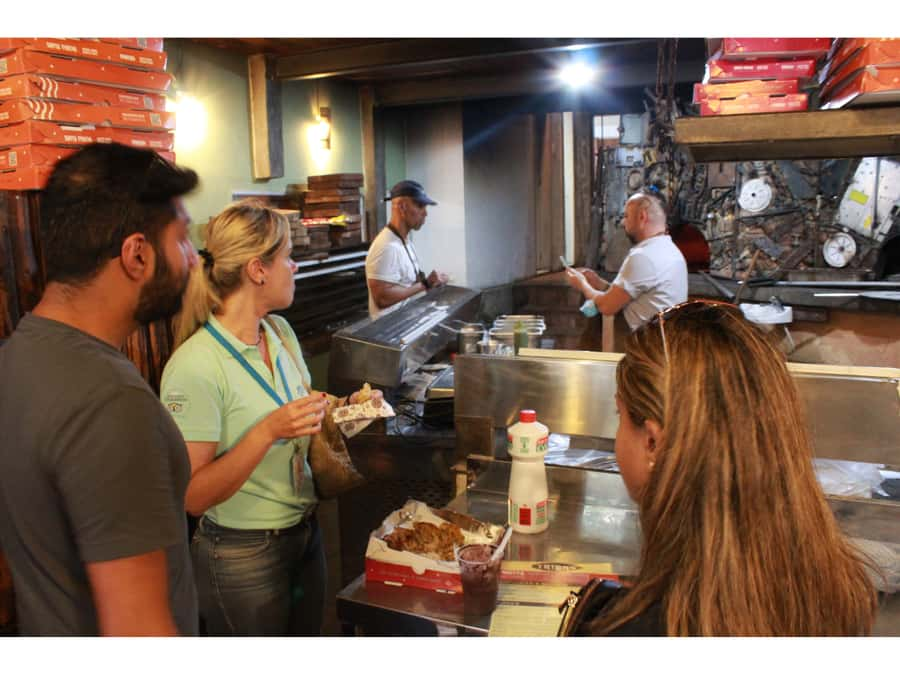
The tram ride is more than a way to save your feet. It gives you a classic Rio experience while connecting downtown with Santa Teresa.
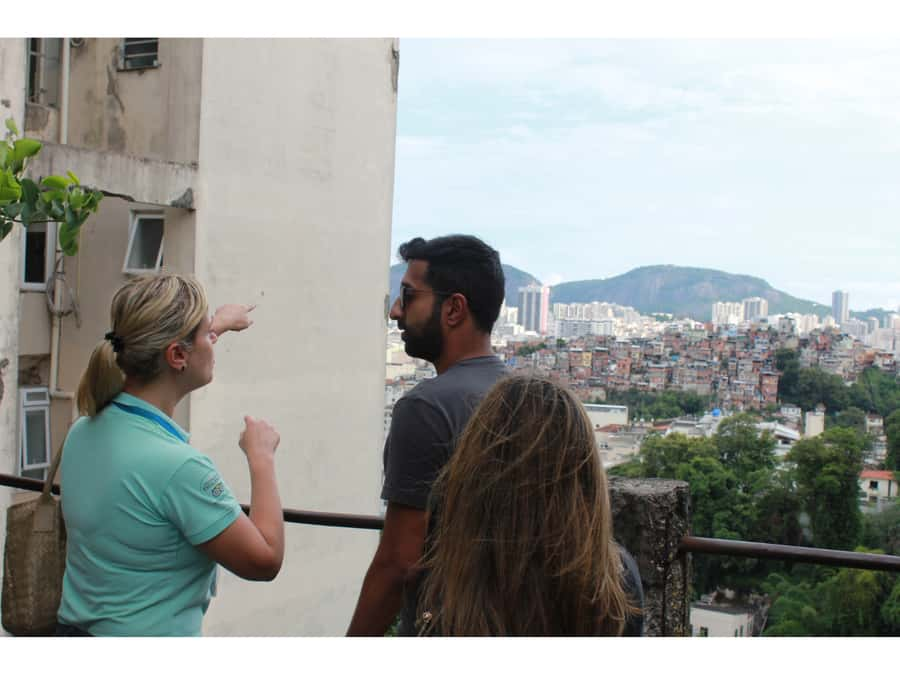
The route goes over the Lapa Arches aqueduct and passes Ruinas Park. From there, you get panoramic views as the tram makes its way toward the hillside neighborhood. The changing view helps explain Rio’s unusual shape, with historic central streets giving way to hills and overlooks.
This is also a useful break in a six-hour outing. The walking distance is about one mile, which is manageable for most people, but you will still spend much of the day moving between stops. The tram lets you sit, watch the city, and listen while the guide continues the story.
The ride can also be one of the most memorable parts for anyone who likes local transport. It feels more connected to the city than a private vehicle. You are using a working part of Rio’s identity while traveling between two neighborhoods with different personalities.
More Tours in Brazil
- Rio de Janeiro: 6-Stop Highlights of Rio with Lunch
★ 4.4 · 5,157 reviews - Christ the Redeemer Entry Ticket by Corcovado Train
★ 4.4 · 4,476 reviews - Rio de Janeiro: Rocinha Favela Walking Tour with Local Guide
★ 4.8 · 3,052 reviews - Rio: Christ the Redeemer, Sugarloaf, Selaron & BBQ Lunch
★ 4.5 · 2,428 reviews
Lapa and Santa Teresa beyond the plate

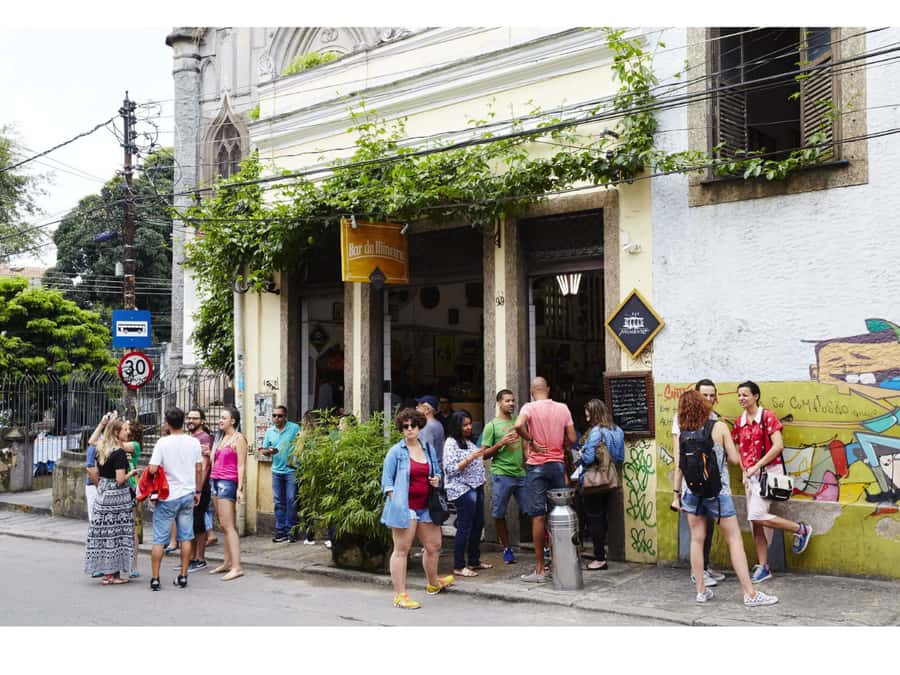
Lapa is known for its arches, nightlife, bars, restaurants, and strong street life. Santa Teresa adds steep streets, hillside views, creative venues, and a slower rhythm. The tour uses both neighborhoods as a backdrop for the food, so you are not confined to restaurants.
You will hear about Rio’s past as you move through the central area, and the route may include major sights such as a notable library reading room. The sightseeing element can make the day feel like two tours joined together: a food walk and a city orientation.
That combination is a real advantage if you have limited time in Rio. You can taste local dishes while learning where the neighborhoods fit into the city. You may also see places you would otherwise pass without understanding their role.
The drawback is that the day is not a focused architectural tour. Food remains the central theme, and sightseeing explanations are woven around stops and transport. If you want a precise, specialist account of every building, book a dedicated history or architecture tour instead.
What makes the guide important
This experience depends heavily on the guide. Food is easy to list, but a good guide gives each item a reason to matter.
Romayne has been praised for a long career in guiding, high energy, personal relationships with local businesses, and strong storytelling. Those connections can change the tone of a stop. Instead of entering as an anonymous customer, you may be greeted warmly and guided through what to try.
Camila has also been praised for her personable approach, excellent English, and enthusiasm for Brazilian food and history. She has taken groups to places she personally uses and has explained daily life in Rio alongside the formal sights.
No guide can guarantee a private welcome at every stop, and guide assignments can vary. Still, the praise for these named guides points to an important buying tip: this is not a self-guided tasting route where the food alone carries the day. You are paying for interpretation, introductions, pacing, and local context.
Is $198 a fair price?
At $198 per person, this is not a budget food walk. You should compare it with the cost of arranging several tastings, a tram ride, local transport, and a half-day guide on your own.
The price includes the professional guide, food samples, the tram ticket, entrance fees, and the walking portion. Local beer and cachaça are part of the planned tasting experience. That helps the value, especially if you would otherwise book separate food and sightseeing activities.
The tour also lasts six hours. You are paying for a substantial portion of the day, not just a two-hour snack outing. The route covers downtown, Lapa, and Santa Teresa, and the guide adds historical and cultural explanation throughout.
Still, the value depends on your priorities. If you eat modestly, avoid alcohol, or prefer exploring independently, $198 may feel steep. If you want a guided introduction to Brazilian food and would like transportation and sightseeing folded into the same day, the cost becomes easier to justify.
Who will enjoy this day most
I would recommend this tour to first-time visitors who want orientation without giving up local food. It is also a good fit for people who enjoy learning by tasting rather than sitting through a long formal lecture.
You will get the most from it if you:
- Like trying unfamiliar snacks and drinks
- Want food explained in cultural and family terms
- Prefer a guided day with several different stops
- Enjoy local transport and city views
- Have six hours available for a relaxed route
- Want to see Lapa and Santa Teresa alongside downtown
The tour can also work well for couples or small groups who want a shared introduction to Rio. The food gives everyone something to discuss, and the changing neighborhoods keep the day from feeling repetitive.
It may not suit you if you need a tightly scheduled sightseeing route, have serious food restrictions that make varied sampling difficult, or want a very inexpensive activity. The provided information does not specify allergy handling or dietary substitutions, so ask before booking if that matters to you.
Practical tips for a smoother day
Meet at the designated point by 10:30 a.m. for the 10:45 a.m. departure. That early arrival matters because the tram and group timing leave less room for late arrivals.
Wear comfortable clothes and shoes. The official walking distance is about one mile, but you will be on your feet between tastings and sights. Bring sunglasses and a sun hat, along with suitable outdoor clothing.
Leave luggage and large bags behind. They are not allowed on the tour. A small day bag is the sensible choice, but keep it compact.
Do not plan a large breakfast. The day includes enough samples to make a full morning meal unnecessary, and you will appreciate having room for the savory snacks, sweets, beer, and cachaça.
The tour offers free cancellation up to 24 hours before departure, and you can reserve while paying later. Those policies are useful if your Rio schedule is still shifting, but the central decision is simpler: can you give this six-hour food and sightseeing route your full attention?
Should you book the Rio food and culture tour?
Book it if you want Brazilian food presented as part of Rio’s daily life, not just served on a plate. The strongest features are the broad tasting range, the tram over the Lapa Arches, the contrast between Lapa and Santa Teresa, and guides such as Romayne or Camila who bring personal stories to the route.
I would be cautious if $198 stretches your budget or if you prefer to choose every restaurant yourself. For everyone else, this is a substantial introduction to Rio, with enough food, transport, history, and neighborhood time to justify considering it as one of your main first-day activities.
FAQ
How long does the Rio food and culture tour last?
The tour lasts six hours. The departure time is 10:45 a.m., with check-in at 10:30 a.m.
Where does the tour go?
The route includes downtown Rio de Janeiro, Lapa, and Santa Teresa. It includes food stops, sightseeing, and a tram ride between downtown and Santa Teresa.
What foods and drinks are included?
Tastings include foods such as pão de queijo, coxinha, açaí, tapioca, manioc flour dishes, sweets, and other local snacks. The experience also includes local beer and cachaça among its planned beverages.
Is the tram ticket included?
Yes. The tram ticket and entrance fees are included in the tour price.
How much walking is involved?
The stated walking distance is about one mile, which is suitable for most fitness levels. You should still wear comfortable clothing and shoes because the tour lasts six hours.
What languages are available?
The live tour guide is available in English or Spanish.
Can I bring luggage or a large bag?
No. Luggage and large bags are not allowed, so bring only a small, practical bag.
Can I cancel the tour for a refund?
Yes. You can cancel up to 24 hours in advance for a full refund. You can also reserve now and pay later.
Just added in Rio de Janeiro
- Rio de Janeiro: Zip Lining and Canopy Tree Tour★ 3.3 · 6 reviews
- Vidigal Favela Tour★ 4.4 · 26 reviews
- Rio de Janeiro: Attend a Vasco da Gama game with local guide★ 4.8 · 9 reviews
- Unforgettable Boat Party★ 5.0 · 3 reviews
- Hang gliding flight in Rio de Janeiro★ 5.0 · 6 reviews
- Rio Highlights: Christ, Sugarloaf, and More in a Private Tour★ 5.0 · 36 reviews
- Tijuca Forest Hike – Waterfalls & Caves, Nature & Wild Life!★ 5.0 · 51 reviews
- Rocinha Walking Tour: Get a Feel for the Brazil’s Largest Favela (Shared Group)★ 5.0 · 37 reviews
Historical Tours, compared.



Scenic Train ride to historical cities of Morretes and Antonina
Read our review →

From Foz do Iguazu: Triple Frontier Landmark Ticket
Read our review →
Explore Little Africa : Unveiling Afro Heritage in Rio de Janeiro
Read our review →
Downtown-Center History Walking Tour – in English
Read our review →Browse the lists this tour appears in