
Reviewed · WALKING TOURS
Rio de Janeiro: Little Africa Heritage Walking Tour
Rio’s Little Africa tour takes you through the port district where Afro-Brazilian culture shaped Rio’s food, music, dance, and identity. The most affecting stops are Cais do Valongo, the former landing point for enslaved Africans, and Pedra do Sal, linked with the birth of samba.
I like the rooftop view over Mauá Square and Guanabara Bay, and I like that the walk gives space to discuss present-day racial issues, not only colonial history. The main drawback is simple: this is a 2.5-hour outdoor walk in Rio’s heat, and the tour runs rain or shine.
Key points before you book
- Start at the Rio Art Museum: Arrive five minutes early, since the guide waits only 15 minutes.
- Follow Little Africa’s story: The route connects slavery, freedom, food, dance, music, and modern Afro-Brazilian identity.
- See samba’s birthplace: Pedra do Sal is one of the tour’s central stops.
- Pause for Mauá Square views: The rooftop look over the square and Guanabara Bay adds a welcome visual break.
- Expect serious subject matter: Slavery, racism, and social inequality are discussed openly and thoughtfully.
- Bring heat-ready gear: Comfortable shoes, water, sunscreen, and light clothing matter here.
Why Little Africa belongs on your Rio itinerary
Rio is often sold through beaches, mountain views, football, and carnival. Those are real parts of the city, but they do not explain how Rio became Rio. In the port district, the story turns toward the millions of Africans brought to Brazil, the people who survived slavery, and the communities that built new lives after abolition.
The neighborhoods around the port became known as Little Africa around the start of the 20th century. Freed people remained in the area, working and forming communities after Brazil ended the slave trade and later abolished slavery. The tour helps you connect that past with the music, food, dance, and public life you see across Brazil today.
I would put this walk near the beginning of a Rio visit. One participant described it as a key to understanding Brazil, and that is a fair way to think about it. You leave with a stronger sense of why samba matters, why Afro-Brazilian food has such a central place in local culture, and why the history of race in Brazil cannot be treated as a footnote.
The subject matter is not light. The guide discusses slavery and racial inequality, and some stops carry a difficult emotional weight. That is part of the value, but you should book this walk because you want to listen and think, not because you are looking for a casual sightseeing stroll.
More history walks in Rio de Janeiro
- Rio de Janeiro: Historic Rio and Santa Teresa Half-Day Tour
★ 4.4 · 228 reviews - Explore Little Africa : Unveiling Afro Heritage in Rio de Janeiro
★ 5.0 · 97 reviews - Learn the History of Rio with an Unforgettable City Center Walking Tour
★ 5.0 · 82 reviews
Starting at the Rio Art Museum and Mauá Square
Meet your guide in front of the Museu de Arte do Rio, usually called the Rio Art Museum. The opening talk sets the colonial context for the places you will see, so the walk does not begin with disconnected monuments. You first get the background needed to understand how Africans arrived in Brazil, how slavery shaped the country, and how Black communities continued to shape Rio afterward.
The museum also provides the tour’s first visual reward. During a short pause of about 10 minutes, you can look across Mauá Square and Guanabara Bay from the rooftop. This is a useful start because it lets you get your bearings before walking into the surrounding port neighborhoods.
The view is not the main reason to book the experience, but it gives the tour a strong opening. You see the modern public face of the port while hearing about the people and events that are often left out of a standard city tour.
If you are arriving by ride-hailing car, allow extra time to find the meeting point. The guide can wait only 15 minutes for late arrivals, and there is no hotel pickup or drop-off.
Morro da Conceição and the shape of the port district
From the museum, the route heads toward Morro da Conceição. The guided walk here lasts about 20 minutes and helps you read the area as a lived-in neighborhood rather than a collection of tourist stops.
The tour places the port region in its wider setting. Little Africa was not one single attraction with a gate and ticket booth. It was a group of neighborhoods where freed people worked, lived, worshipped, cooked, made music, and built community. That makes the guide’s explanation important. Without it, you might pass through the streets and see only old buildings, public art, and steep streets.
The walking pace should suit anyone used to an ordinary city walk, but the area is not a museum corridor. You will be outside, moving between stops, so wear shoes that can handle roughly two and a half hours on foot. The supplied advice is practical: bring water, sunscreen, and comfortable clothes.
Largo de São Francisco da Prainha and Afro-Brazilian food
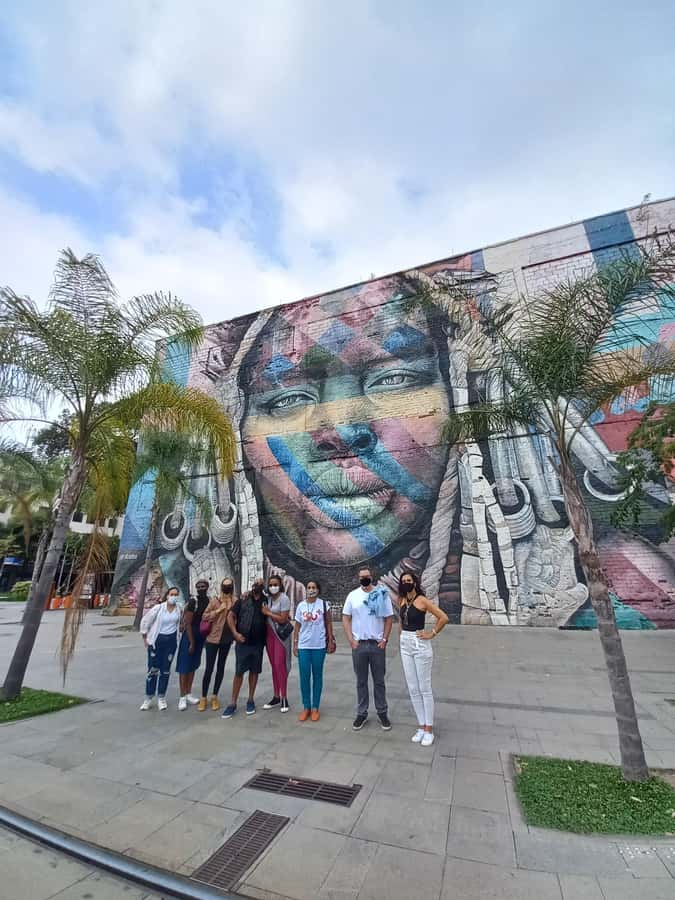
The next major stop is Largo de São Francisco da Prainha, also called Largo da Prainha. Here, the guide explains African influence on Brazilian food.
This is one of the tour’s most useful choices because food makes history easy to grasp. You are not only hearing about people and dates. You are learning how African traditions became part of everyday Brazilian life. The discussion gives you a better reason to pay attention to dishes you may encounter later in Rio, Bahia, or elsewhere in the country.
Several guides also offer food suggestions after the tour. Past participants were pointed toward places to eat, and some continued for lunch together. One recommendation mentioned bobó de camarão, a shrimp stew, along with other local dishes. Lunch is not included, so treat these suggestions as a helpful extra rather than part of the booked experience.
A practical note: the tour description does not promise a meal or food tasting. You will learn about cuisine, but you should not book this expecting a culinary tour.
More walking tours in Rio de Janeiro
- Rio de Janeiro: Rocinha Favela Walking Tour with Local Guide
★ 4.8 · 3,052 reviews - Rio De Janeiro: Half-Day Rocinha Favela Walking Tour
★ 4.7 · 2,272 reviews - Sunrise and Sunrise Walk Two Brothers with Local Guide
★ 5.0 · 193 reviews - Rio’s city walking tour: a glimpse of history and olympic legacy
★ 4.5 · 78 reviews
Mercedes Baptista and the place of Afro dance
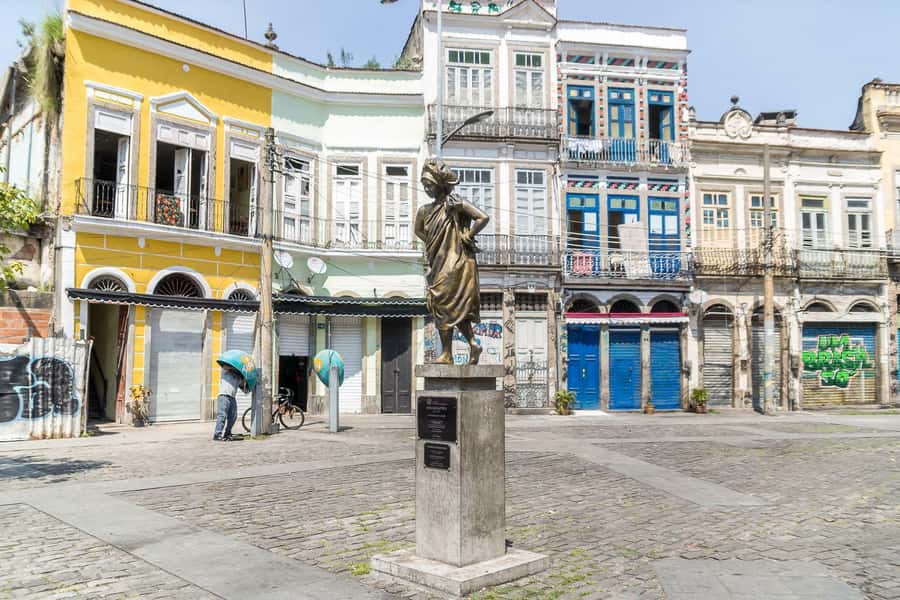
The walk also includes a statue honoring Mercedes Baptista, the first Black dancer at Rio’s Municipal Theater and a forerunner of Afro dance in Brazil.
This stop gives the tour a welcome shift in focus. The route is not only about suffering and exclusion. It also points to artists and cultural figures who changed Brazilian performance and public life. Baptista’s story helps show how Black artists pushed into institutions that had not welcomed them equally.
Guides such as Marina, Larissa, Nathalia, Luana, and Ryane have been praised for bringing personality and care to this kind of material. The exact guide varies, but the experience depends heavily on the person leading it. Good storytelling matters here because many of the sites do not explain themselves with large signs or detailed displays.
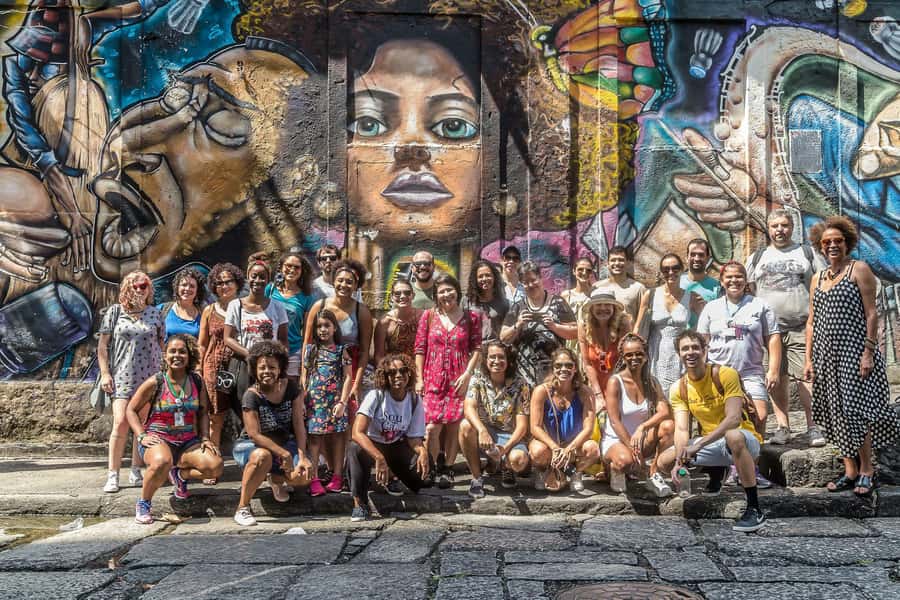
Some guides use expressive storytelling and invite questions. That can make the walk feel more like a conversation than a lecture. It also means you should allow room for serious questions about race, gender, slavery, and modern Brazil.
Pedra do Sal, where samba took root
Pedra do Sal is the tour’s musical heart. It is considered the place where samba was born, and it sits within the oldest continuously inhabited Black neighborhood in Brazil.
Samba is often presented to visitors as a colorful performance or carnival soundtrack. At Pedra do Sal, you get the social setting behind the music. The guide explains how Black communities gathered, created music, and preserved culture in a city shaped by slavery and discrimination.
This is also one of the places where the tour connects the past to present-day Rio. You are not simply looking at a stone and being handed a date. You are hearing why the site matters to music, community, and Afro-Brazilian identity.
The stop lasts about 20 minutes. That is enough time for an explanation and questions, though it is not a full music event or samba lesson. If you want a longer evening around samba, you will need to make separate plans.
The Hanging Garden of Valongo
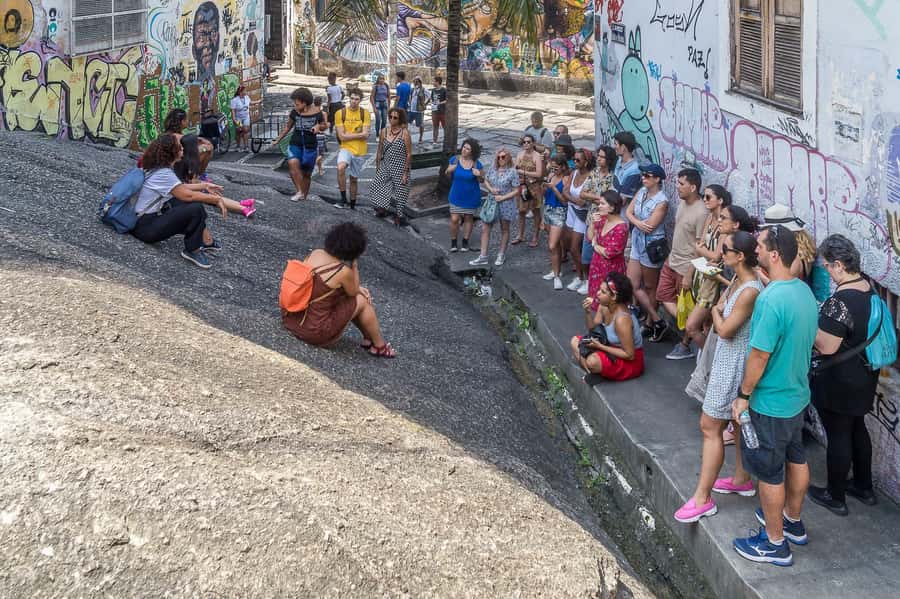
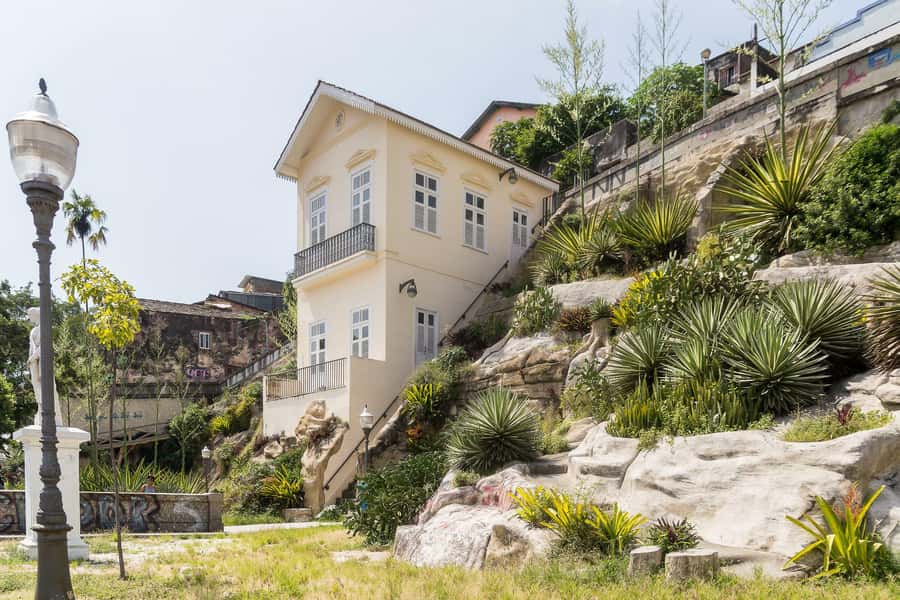
The Jardim Suspenso do Valongo, or Hanging Garden of Valongo, is another important stop. The garden sits within the Valongo area and offers a more reflective pause after the discussion of community, music, and cultural achievement.
The garden’s name can sound peaceful, but its setting is tied to the darker side of the port’s past. The guide explains the area’s connection to the slave trade and helps you understand how public spaces can carry several layers of memory at once.
This is where a strong guide makes a real difference. You need context to understand why the garden matters and how it relates to the nearby wharf. The best approach is to listen carefully, ask questions, and allow the site to be more than a photo stop.
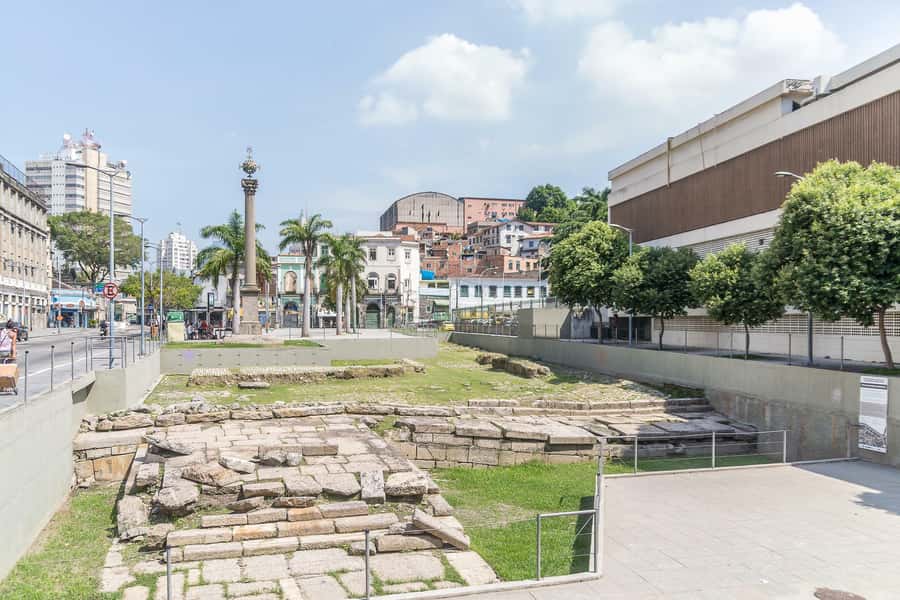
The visit is scheduled for about 20 minutes. The route continues on foot to Cais do Valongo, the final major stop.
Cais do Valongo and the hardest part of the story
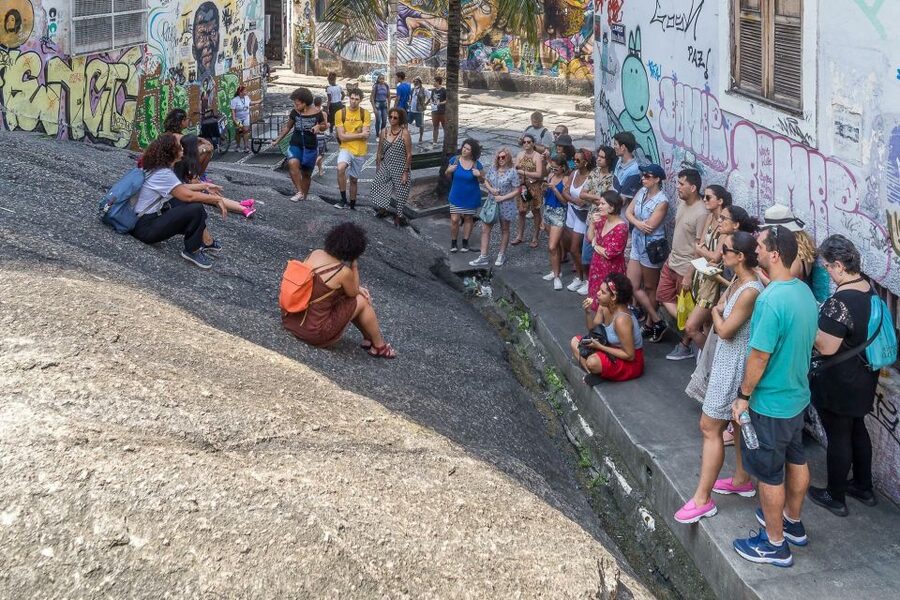
Cais do Valongo was the main landing point for enslaved Africans in Rio. It is the most important historical site on the walk and the place where the tour’s earlier explanations come together.
Standing here, you can better understand the scale and cruelty of the Atlantic slave trade in Brazil. The site is not just about the arrival of ships. It represents the forced removal of people from their homes, the sale of human beings, and the labor system that helped build Brazil.
The guide also connects the site to the lives of freed people and their descendants who remained in the port district. That connection matters. The walk does not treat Afro-Brazilian culture as something frozen in the past. It shows how people created community and cultural expression despite the violence that brought many of their ancestors to Brazil.
For some people, this will be the most moving part of the experience. It can also be uncomfortable, and that is appropriate. A tour about Little Africa should not soften the facts to make the walk easier to sell.
What the guides add to the experience
The tour is offered in English, and the guide is live rather than audio-recorded. The booking information says English only, so do not assume Portuguese or another language will be available for your departure.
Guide assignments vary. Names connected with this experience include Nathalia, Luana, Larissa, Eddie, Marina, Ryane, Raquel, Natalia, Mariana, and Razel. The repeated strengths are clear: guides explain difficult subjects with care, answer sensitive questions, and connect the sites to their own culture and community.
Eddie has been singled out for giving a wider view of how Little Africa connects to the African diaspora. Larissa has led discussions from slavery through present-day racial dynamics and used questions to keep the group involved. Nathalia has been praised for combining humor with care when addressing serious subjects. Marina brings academic study and personal connection to Afro-Brazilian history.
You should not expect every guide to use the same style. Some are more theatrical, some more conversational, and some more academic. That variety is normal for a live walking tour, but the repeated focus on passion, clear English, and thoughtful answers is encouraging.
A particularly kind touch has been guides helping people after the walk, including waiting for a delayed ride-hailing car or checking that someone reached transport safely. That is not a guaranteed service, but it reflects the personal tone many visitors have experienced.
Is the $40 price fair?
At $40 per person, this is not the cheapest way to spend two and a half hours in Rio. You are paying for a live English-speaking guide, focused interpretation, and access to a carefully connected route through several significant sites.
The value is strongest if you want context. You can walk around the port district on your own for free, but you may not understand why Pedra do Sal matters, how the food connects to African traditions, or why Cais do Valongo is central to Rio’s story. The guide turns separate places into one clear narrative.
The price is less attractive if you want a quick photo walk or broad sightseeing. The route is devoted to Afro-Brazilian history and culture, with serious discussion along the way. You are not getting a general introduction to every part of Rio.
Flexible booking also helps. You can reserve now and pay later, and cancellation is free up to 24 hours before the activity for a full refund. These policies are useful if your Rio plans are still shifting, but they should not be the main reason to choose the tour.
Heat, rain, timing, and what to bring
The walk lasts 150 minutes, including a short break and several visits of about 20 minutes each. It begins and ends at the Rio Art Museum, which makes planning easier than a one-way neighborhood walk.
The tour runs rain or shine. One guide continued through heavy rain, but that does not mean you should arrive unprepared. Check the forecast, bring water, wear sunscreen, and use comfortable clothes and shoes. A small umbrella or rain layer would be sensible in wet weather, although the official instructions specifically emphasize sunscreen and water.
Rio’s heat can make two and a half hours feel longer than expected. If you are sensitive to sun or humidity, choose a cooler start time if available. The activity page advises checking availability for starting times, but specific departure times are not provided here.
Children under five are not considered suitable for this tour. Older children may enjoy the route, but the subject matter is serious and the experience depends on sustained listening. It is best for people who can manage a history-focused walk outdoors.
Who should book this Little Africa walk?
I would recommend it to first-time visitors who want to understand Rio beyond its postcard sights. It is also a strong choice for anyone interested in the African diaspora, Brazilian food, samba, dance, public memory, or the social history of cities.
Book it early in your stay if you want its context to shape the rest of your visit. You may notice Afro-Brazilian influences more clearly afterward, and you will have better questions when visiting other parts of Brazil.
This is not the right pick if you want a relaxed sightseeing loop with little discussion, a food tasting, or a fully shaded route. It also may not suit very young children or anyone who finds two and a half hours outdoors difficult.
Should you book it?
Yes, if you want a serious, focused look at the people and traditions that helped shape Rio. The tour’s best features are its route through Pedra do Sal and Cais do Valongo, the rooftop pause at Mauá Square, and the chance to discuss Brazil’s racial history with an engaged local guide.
Book with realistic expectations. This is not a party tour, and it does not hide the violence of slavery or the continuing effects of racism. Bring water, arrive early, and leave room afterward for lunch or further exploring around the port. At $40, it offers good value for a well-told cultural introduction that many standard Rio tours leave out.
FAQ
Where does the Little Africa tour begin?
It begins in front of the Rio Art Museum, or Museu de Arte do Rio, and returns to the same location.
How long does the tour last?
The tour lasts 150 minutes, or two and a half hours.
What language is the tour offered in?
The tour is offered in English with a live English-speaking guide. The booking information says the activity is offered only in English.
What places does the tour visit?
The route includes the Rio Art Museum, Morro da Conceição, Largo de São Francisco da Prainha, Pedra do Sal, the Hanging Garden of Valongo, and Cais do Valongo.
Is hotel pickup included?
No. Hotel pickup and drop-off are not included. You must make your own way to the Rio Art Museum.
What should I bring?
Bring comfortable shoes, sunscreen, water, and comfortable clothes. The tour takes place outdoors and runs rain or shine.
Can I cancel the booking?
Yes. You can cancel up to 24 hours in advance for a full refund. You can also reserve now and pay later.
Just added in Rio de Janeiro
- Rio: Fluminense Match at Maracanã with Guide and Ticket★ 4.9 · 22 reviews
- The Best Food Tour: Taste the Most Authentic Flavours of Rio★ 4.7 · 18 reviews
- Explore Santa Teresa: Walking Tour★ 5.0 · 6 reviews
- Explore Fernando de Noronha: 7-Hour Ilhatour★ 4.9 · 3 reviews
- Favela Santa Marta: Walking Tour with local guide★ 4.8 · 41 reviews
- Helicopter flight no doors in Rio de Janeiro★ 4.7 · 22 reviews
- Discover Rocinha: Guided Tour of the Famous Favela★ 4.5 · 3 reviews
- Discover Noronha: 7-Hour Ilhatour Adventure★ 4.8 · 8 reviews
Walking Tours, compared.


Sunrise and Sunrise Walk Two Brothers with Local Guide
Read our review →
Downtown-Center History Walking Tour – in English
Read our review →
Downtown-Center Walking Tour | 2 Hours – English
Read our review →
Learn the History of Rio with an Unforgettable City Center Walking Tour
Read our review →
Rio’s city walking tour: a glimpse of history and olympic legacy
Read our review →Browse the lists this tour appears in