
Reviewed · WALKING TOURS
Rio de Janeiro: Afrobrazilian Heritage & Black History Walk
Rio’s Black history is written into the streets around Praça Mauá, but it is easy to walk past without understanding what happened there. This 150-minute walking tour connects the port, the murals, Pedra do Sal, and the old African quarter with the story of the millions of enslaved Africans brought to Brazil.
I like the focus on Afro-Brazilian guides, including Kelly and Jaíse, and I like that the tour treats samba, religion, food, and local art as living parts of Rio rather than museum pieces. The main thing to consider is that this is a serious history walk, not a light sightseeing stroll, and it runs rain or shine.
What makes this walk worth your time
- Valongo Wharf: Visit the UNESCO World Heritage Site connected to the memory of the transatlantic slave trade.
- Pedra do Sal: See the place known as the birthplace of samba and the center of Rio’s Little Africa.
- Afro-Brazilian spirituality: Learn about candomblé, umbanda, orishas, nkisis, voduns, and their links with Christianity.
- Port history: Follow the route through Saúde, Praça Mauá, and Largo São Francisco da Prainha.
- Local advice: Get tips on music, museums, restaurants, art, and current programming.
- Flexible planning: Book in English, Spanish, or Portuguese, with free cancellation up to 24 hours before the tour.
Why Rio’s port tells a Black Brazilian story
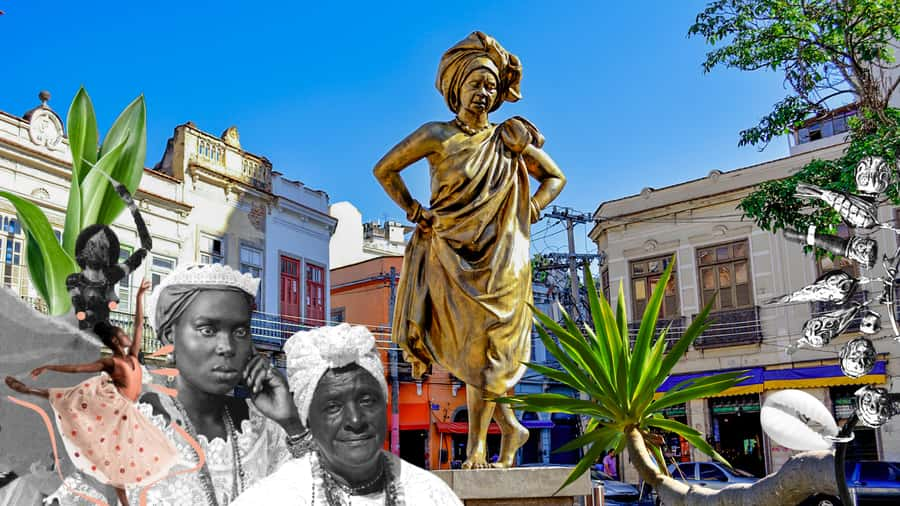
The tour begins in the port area of central Rio, near the MAR Museum, or Rio Art Museum, at Praça Mauá. You meet under the trees in front of the museum. The meeting point is easy to connect with the waterfront sights, but the information also names another museum address as a possible starting option, so I would confirm the exact meeting place before setting out.
From here, the guide sets the context for Rio’s role in the Portuguese slave trade. The walk focuses on the forced arrival of Africans in Brazil over more than 380 years, and on what happened after arrival: sale, labor, family separation, resistance, religion, music, and cultural survival.
That framing matters. You are not simply being shown old buildings and told their dates. You are being asked to see the port as a place where human beings were trafficked and where African cultures helped shape the city that grew around it.
The subject can be painful. A good guide needs to handle it with care, and that is one reason the guide’s background matters here. Kelly is described as having African heritage and extensive personal research into the subject. Jaíse has also led the walk, bringing detailed historical explanations and a warm, personal style. The experience is strongest when that knowledge helps connect the past to modern Rio.
More history walks in Rio de Janeiro
- Rio de Janeiro: Historic Rio and Santa Teresa Half-Day Tour
★ 4.4 · 228 reviews - Rio de Janeiro: Little Africa Heritage Walking Tour
★ 4.9 · 177 reviews - Explore Little Africa : Unveiling Afro Heritage in Rio de Janeiro
★ 5.0 · 97 reviews
Saúde and the first steps into Little Africa
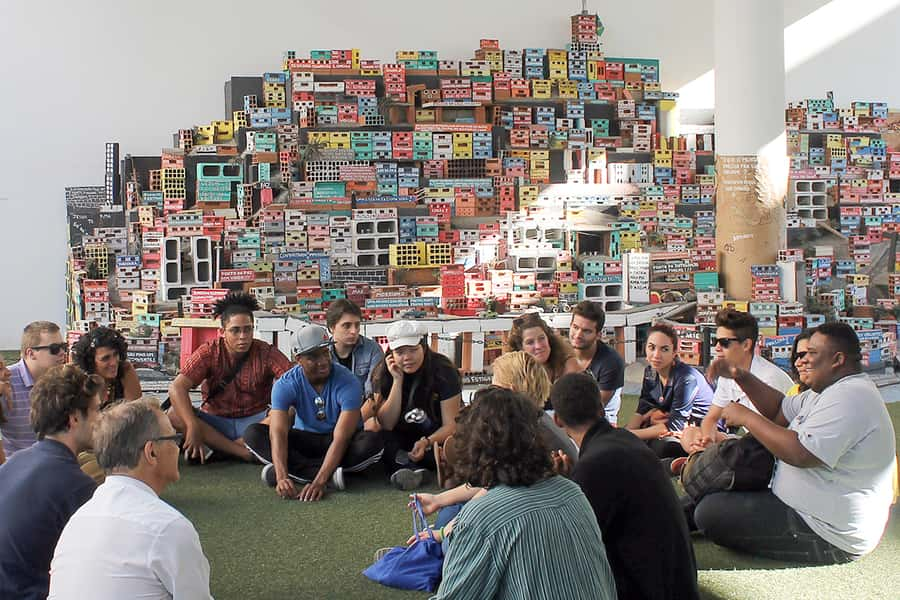
The route includes a guided walk through Saúde, with a listed walking segment of about 15 minutes. This is not a long-distance hike, but you should still wear comfortable clothes and shoes. Central Rio can be hot, and shade is not guaranteed for every part of the route.
Saúde is important because it forms part of the area often called Little Africa. African communities built social, religious, and musical life here after emancipation and throughout the city’s changing port history. The guide explains how those communities shaped Rio, rather than treating Black culture as a side note to the city’s better-known beaches and viewpoints.
I appreciate the scale of the walk. In 150 minutes, you can cover several key places without spending the whole day on foot. The tradeoff is that the tour cannot give every site a long stop. Listen closely as you walk, and ask questions when something catches your attention.
Bring a reusable water bottle and a hat. Rain gear is sensible because the tour operates in wet weather as well as sunshine. Assistance dogs are allowed, but other pets are not.
Valongo Wharf and the memory of the slave trade
Valongo Wharf, or Cais do Valongo, is the central historical stop. The site is recognized by UNESCO for its connection to the transatlantic slave trade and the forced arrival of millions of Africans in Rio.
The value of visiting the wharf with a guide is that the physical remains alone cannot explain the full story. You need the context: why this part of the port was used, how enslaved people were brought into the city, and how the trade affected Rio’s growth.
The guide also places the wharf within the larger Atlantic system created by Portugal. This is not presented as an isolated local event. It is part of a long period of human trafficking that shaped Brazil’s economy, population, religion, language, music, and social divisions.
Expect the tone here to be more reflective than entertaining. That is appropriate. If you want only colorful streets and samba, this stop may feel heavy. If you want to understand why African influence is so central to Rio, it gives the rest of the walk a necessary foundation.
The tour can end at or near Cais do Valongo, depending on the route and drop-off arrangement. Other listed end points include the Etnias mural and Largo São Francisco da Prainha.
Praça Mauá, murals, and the city’s public memory
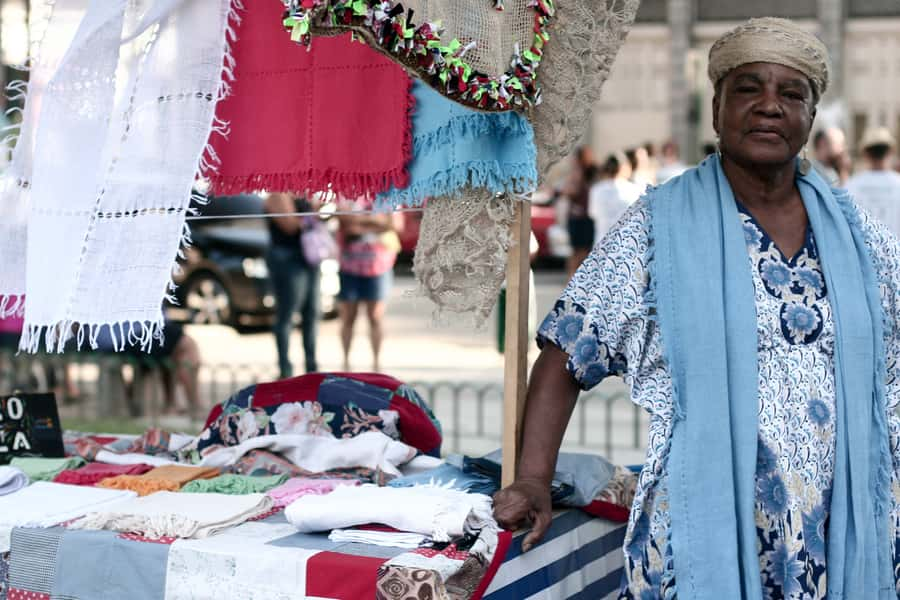
Praça Mauá links the historic port with Rio’s newer cultural district. The square is near the MAR Museum and the Museum of Tomorrow, although entrance to either museum is not included.
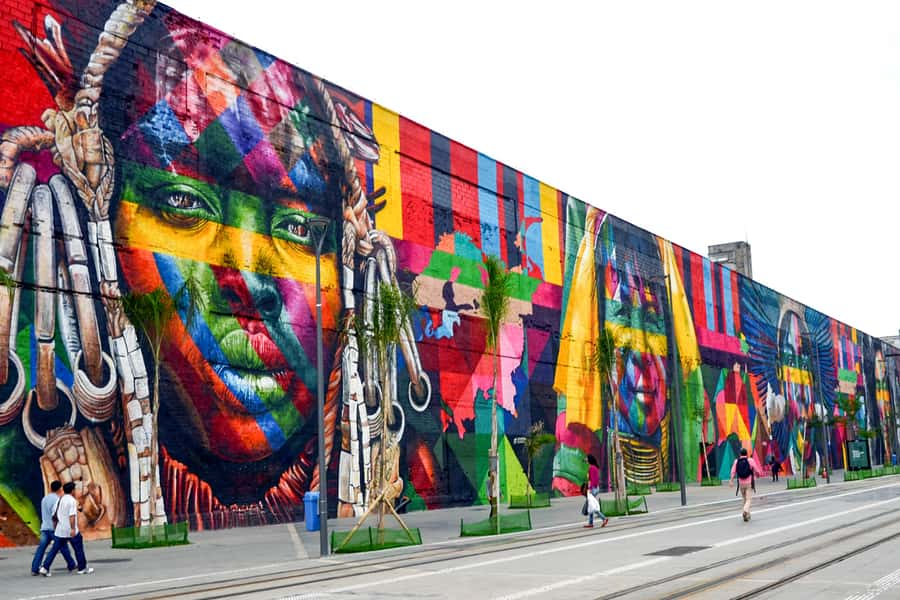
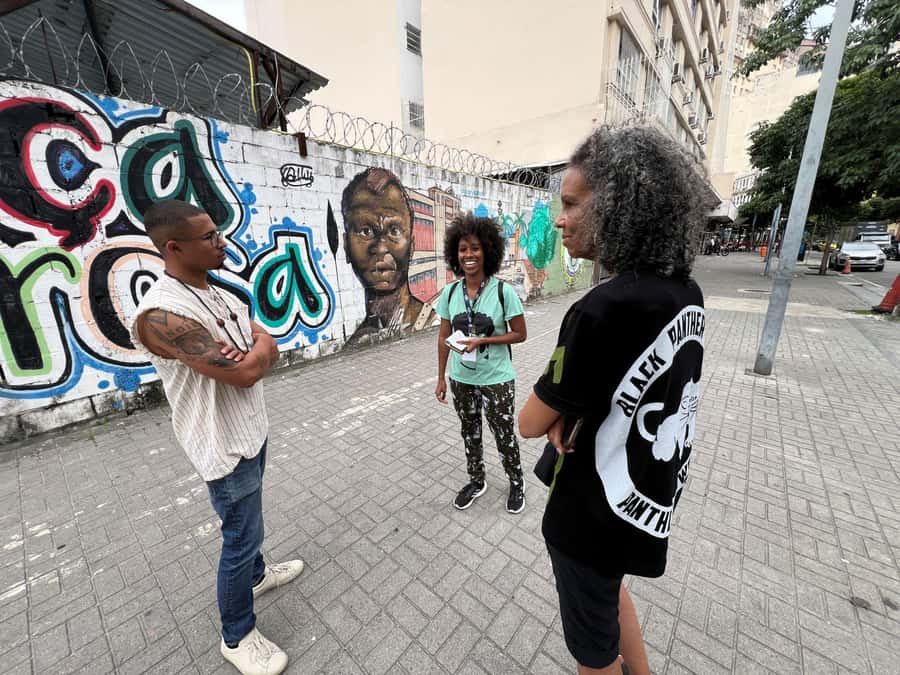
You will also see the Etnias mural, created by Brazilian artist Eduardo Kobra. The mural’s huge painted faces make a strong visual counterpoint to the difficult history discussed on the walk. One review specifically praised the murals, and they are likely to be a highlight if you enjoy public art and photography.
The guide uses these modern cultural spaces to show how Rio remembers and presents its African heritage today. That is useful because public memory is not only found in monuments. It appears in murals, music, museum displays, street gatherings, and the names people use for neighborhoods.
Do not confuse seeing the outside of the museums with visiting them. Entry to the Rio Art Museum and Museum of Tomorrow is extra. If you want to go inside, plan that for before or after the walk rather than expecting a museum tour to be part of the price.
More walking tours in Rio de Janeiro
- Rio de Janeiro: Rocinha Favela Walking Tour with Local Guide
★ 4.8 · 3,052 reviews - Rio De Janeiro: Half-Day Rocinha Favela Walking Tour
★ 4.7 · 2,272 reviews - Sunrise and Sunrise Walk Two Brothers with Local Guide
★ 5.0 · 193 reviews - Learn the History of Rio with an Unforgettable City Center Walking Tour
★ 5.0 · 82 reviews
Largo São Francisco da Prainha and old port culture
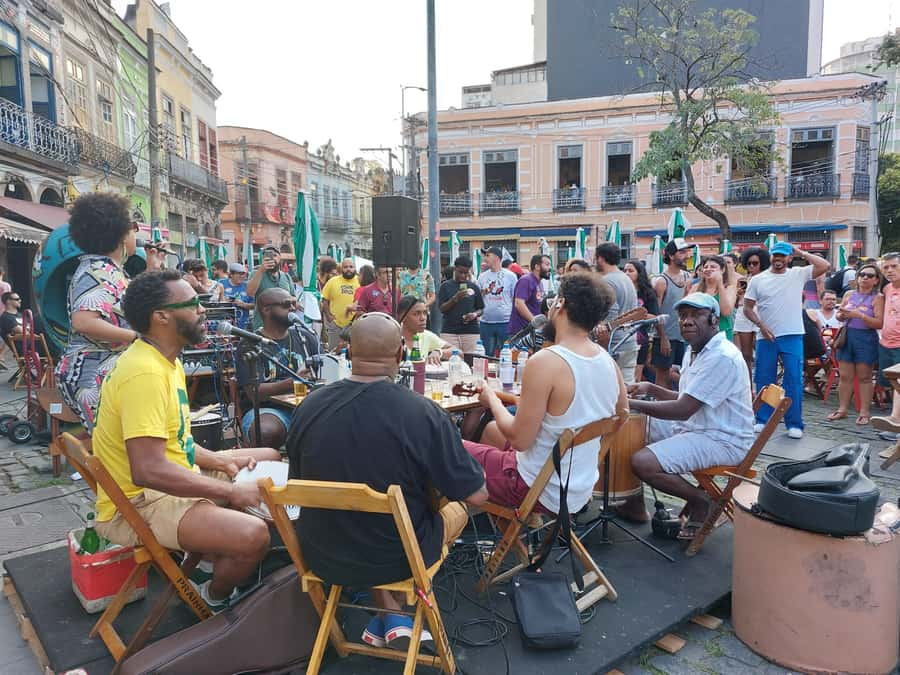
Largo São Francisco da Prainha is one of the important stops in the old port area. The square helps show how community life developed around the neighborhoods connected with Little Africa.
The tour brings together several strands here: African ancestry, local food, music, and the social life of the port. The listed experience includes regional food as part of the Pedra do Sal section, but food itself is not included in the tour price, so budget separately if you want to eat.
This is also a good point to ask the guide for suggestions. The experience includes advice on restaurants, museums, music, art, and local events. That can be more useful than a fixed list of recommendations because the guide can point you toward the kind of evening you want, from a museum visit to a samba gathering.
Pedra do Sal, where samba meets memory
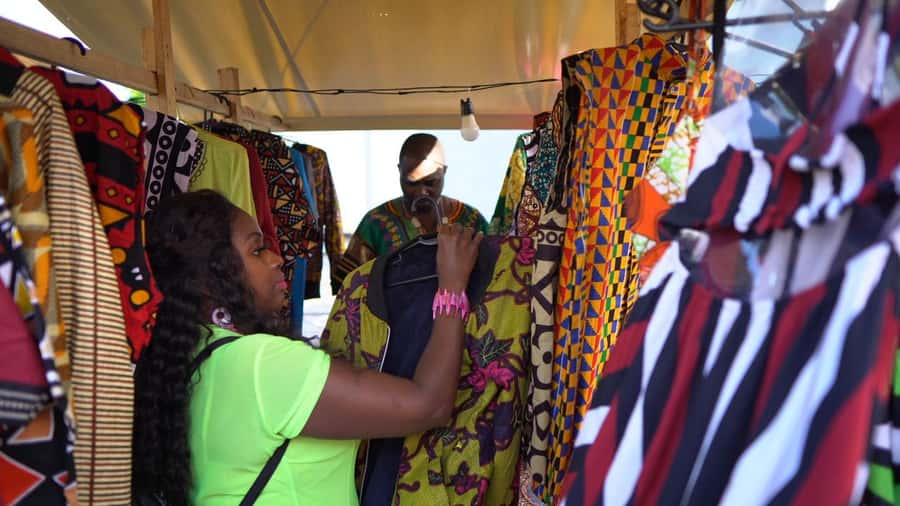
Pedra do Sal is the emotional high point for many people on this walk. The name means Rock of Salt, and the area is widely associated with the birth of samba and with the African community that shaped Rio’s music.
Musicians historically met here to sing, play, and dance. The site also became linked with early Carnival bloco gatherings and parades. Those traditions continue through weekly samba circles, known as rodas de samba.
The guide explains why Pedra do Sal is more than a pretty old neighborhood. It is a place where culture survived through shared music, dance, religious practice, and community ties. Samba here is not simply a performance for outsiders. It grew from social life and from the creative work of Afro-Brazilian communities.
One particularly useful detail is that the guide may offer advice about local samba programming. A previous participant was invited to an authentic samba jam at a town square after the walk. That is not something I would treat as a guaranteed part of every booking, but it shows the kind of local connection the experience can provide.
Pedra do Sal is also where the practical side of the tour matters. Weekly samba gatherings can make the area lively, but the walking tour itself does not promise food, live music, or a full evening event. You are paying for the guided historical walk, not a dinner or concert package.
Candomblé, umbanda, and Afro-Brazilian spiritual life
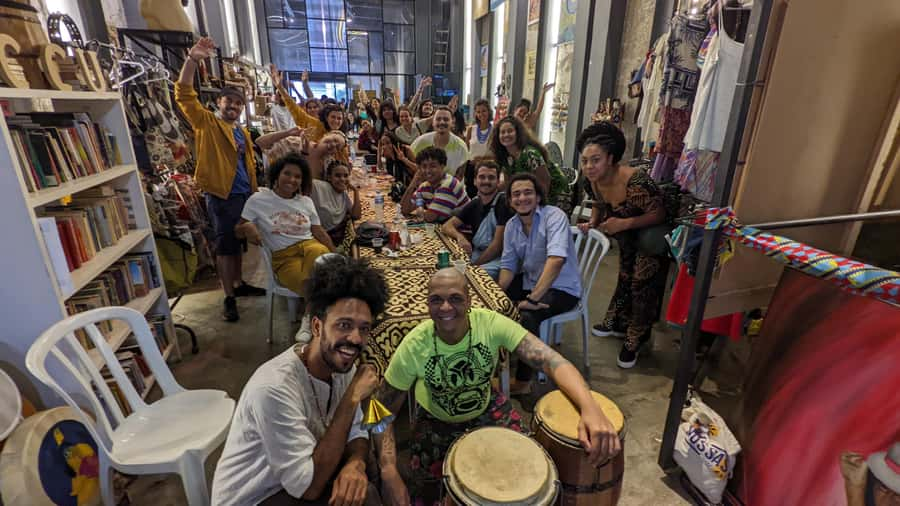
The religious section adds depth to the tour. You learn about candomblé and umbanda, their African roots, and their contact with Christian traditions in Brazil.
The discussion includes orishas, nkisis, and voduns, understood as spiritual beings and forces connected with different African religious traditions. You also learn about ancestral gods and goddesses of nature and about religious syncretism, the blending or parallel practice of African and Christian beliefs under difficult historical conditions.
This is an area where a guide can make a major difference. A quick internet search can reduce these religions to a list of names. On the walk, you have the chance to ask how beliefs, symbols, ceremonies, and identities developed in Brazil.
The subject deserves respect. You should come ready to listen rather than expecting a staged ritual or a tourist show. The tour teaches about the origins and legacy of these traditions, but it does not advertise entry into a religious ceremony.
What the $64 price includes
At $64 per person, the tour is not the cheapest way to see central Rio. Its value depends on how much context you want.
You are paying for a 150-minute guided walk in three languages, access to a guide with a personal connection to Afro-Brazilian history, and a route that joins Valongo Wharf, Saúde, Praça Mauá, Largo São Francisco da Prainha, and Pedra do Sal. You also receive local suggestions for music, art, restaurants, museums, and current programming.
That is good value if you would otherwise pass through the port area without understanding it. It is less compelling if you only want quick photographs of the mural or a brief look at Pedra do Sal. You can see some of the places on your own, but the connections between them are the main product.
Food, museum tickets, and transfers are not included. You should also expect to pay for any meal or drink separately. Private groups can be arranged on another date with about 24 hours’ notice, but vehicle transfers cost extra and depend on availability.
The booking terms are helpful for uncertain plans: you can cancel up to 24 hours ahead for a full refund, and you can reserve now while paying later. The tour is listed as wheelchair accessible, though it remains a walking route, so confirm any specific mobility needs before booking.
Who will enjoy this walk most
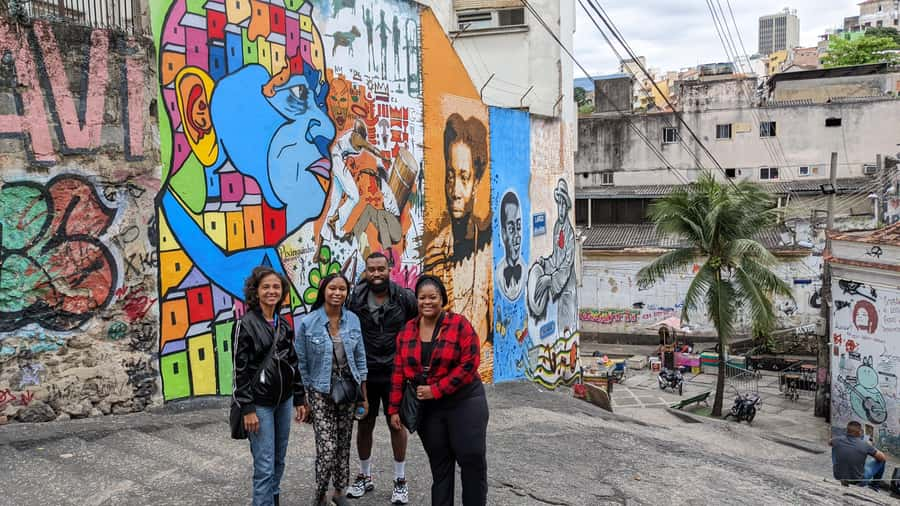
I would choose this tour if you want Rio beyond Copacabana, Ipanema, and the postcard views. It suits you especially well if you care about:
- Brazilian history and the legacy of slavery
- African diaspora culture
- Samba and Carnival
- Public art and city neighborhoods
- Candomblé, umbanda, and religious syncretism
- Meeting a local guide who can suggest what to do afterward
It is also a strong choice early in your Rio stay. The guide’s recommendations for music, restaurants, museums, and local events can help shape the rest of your visit.
I would think twice if you dislike walking in warm or wet weather, or if you want a purely cheerful sightseeing outing. The story includes exploitation, forced migration, and the long effects of slavery. That seriousness is part of the tour’s value, but it is not something to treat as background decoration.
The language options are English, Spanish, and Portuguese. One French-speaking participant found the absence of French a limitation, so do not assume that French is available simply because the booking material may be accessible in French.
Practical tips for a better experience
Meet under the trees in front of the MAR Museum at Praça Mauá, unless the guide confirms another starting point. Send a WhatsApp message if you need faster communication, especially if you are unsure about the meeting location.
Wear comfortable clothing, bring water, and carry a hat and rain gear. Since the walk takes place rain or shine, a wet-weather plan is not optional in Rio.
Keep your travel insurance number and operation details handy, as requested by the guide. Insurance is not mandatory for this tour, but it is recommended for outdoor activities.
If you want to visit the Museum of Tomorrow or the Rio Art Museum, allow extra time and buy those tickets separately. The walk already fills two and a half hours, so avoid scheduling a tight connection afterward.
My call: book it for history, culture, and context
I recommend this walk if you want to understand how African cultures helped create modern Rio. The strongest parts are the UNESCO-listed Valongo Wharf, the personal perspective of guides such as Kelly and Jaíse, the samba connections at Pedra do Sal, and the careful explanation of candomblé and umbanda.
The $64 price is fair for a focused historical walk with local cultural guidance, though it does not cover food, museum entry, or transport. Book it for meaning and context, not for a checklist of sights.
If you choose it, leave room afterward for local music or a samba event. The walk is at its best when you treat it as an introduction to Rio’s Black cultural life, not as a finished lesson.
FAQ
How long does the Afro-Brazilian heritage walk last?
The tour lasts 150 minutes, or two and a half hours.
Where does the tour meet?
The stated meeting point is under the trees in front of the MAR Museum, or Rio Art Museum, at Praça Mauá. Another museum address is also listed as a possible starting option, so confirm the exact meeting point before the tour.
Which languages are available?
The tour is offered in English, Spanish, and Portuguese.
Is Valongo Wharf included?
Yes. The walk visits Valongo Wharf, the UNESCO World Heritage Site connected with the memory of the transatlantic slave trade.
Are museum tickets included?
No. Entrance to the Museum of Tomorrow and the Rio Art Museum is not included.
Is food included?
No. Food is not included, although the route includes regional food as part of the Pedra do Sal area and the guide can provide restaurant suggestions.
Can I cancel for a refund?
You can cancel up to 24 hours in advance for a full refund.
Just added in Rio de Janeiro
- Rio de Janeiro: Zip Lining and Canopy Tree Tour★ 3.3 · 6 reviews
- Vidigal Favela Tour★ 4.4 · 26 reviews
- Rio de Janeiro: Attend a Vasco da Gama game with local guide★ 4.8 · 9 reviews
- Unforgettable Boat Party★ 5.0 · 3 reviews
- Hang gliding flight in Rio de Janeiro★ 5.0 · 6 reviews
- Rio Highlights: Christ, Sugarloaf, and More in a Private Tour★ 5.0 · 36 reviews
- Tijuca Forest Hike – Waterfalls & Caves, Nature & Wild Life!★ 5.0 · 51 reviews
- Rocinha Walking Tour: Get a Feel for the Brazil’s Largest Favela (Shared Group)★ 5.0 · 37 reviews
Walking Tours, compared.


Sunrise and Sunrise Walk Two Brothers with Local Guide
Read our review →
Downtown-Center History Walking Tour – in English
Read our review →
Downtown-Center Walking Tour | 2 Hours – English
Read our review →
Learn the History of Rio with an Unforgettable City Center Walking Tour
Read our review →Browse the lists this tour appears in