
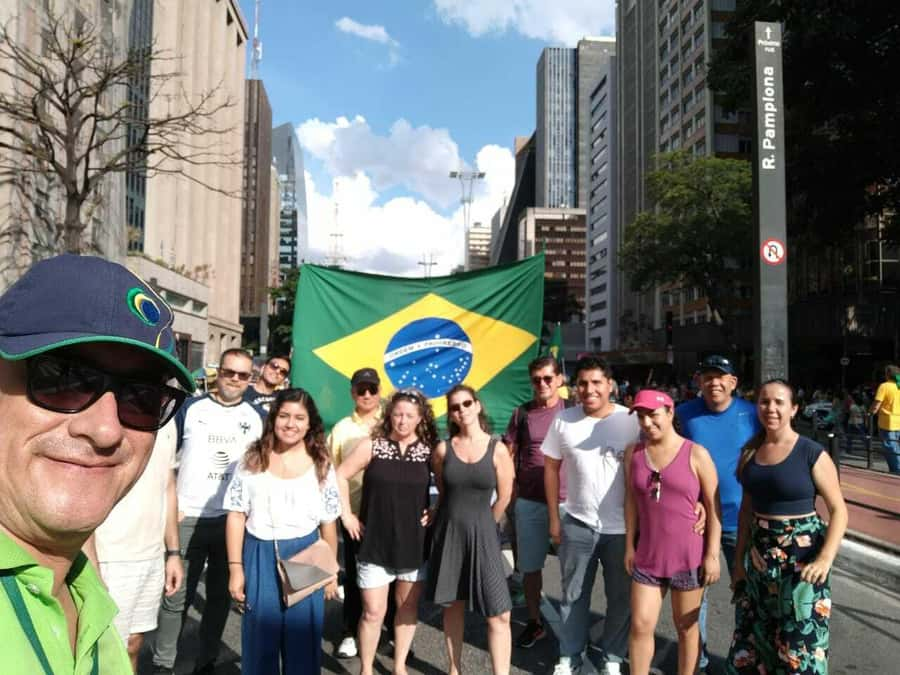
Reviewed · WALKING TOURS
São Paulo: Paulista Avenue Walking Tour
Paulista Avenue is São Paulo in one long, walkable slice: grand old houses, modern cultural centers, public art, a famous museum, leafy Trianon Park, and high-rise city views. This three-hour private walk gives you the story behind the avenue instead of leaving you to guess what each building means.
I like the stop-by-stop pace, with time for photos, snacks, and a little shopping, and I like that guides such as Renato, Doris, Laura, Priscila, and Ilan have been praised for clear, detailed explanations. The main catch is simple: this is an outside walking tour, not a museum tour, so entrance fees and indoor visits are not part of the plan.
Key points at a glance
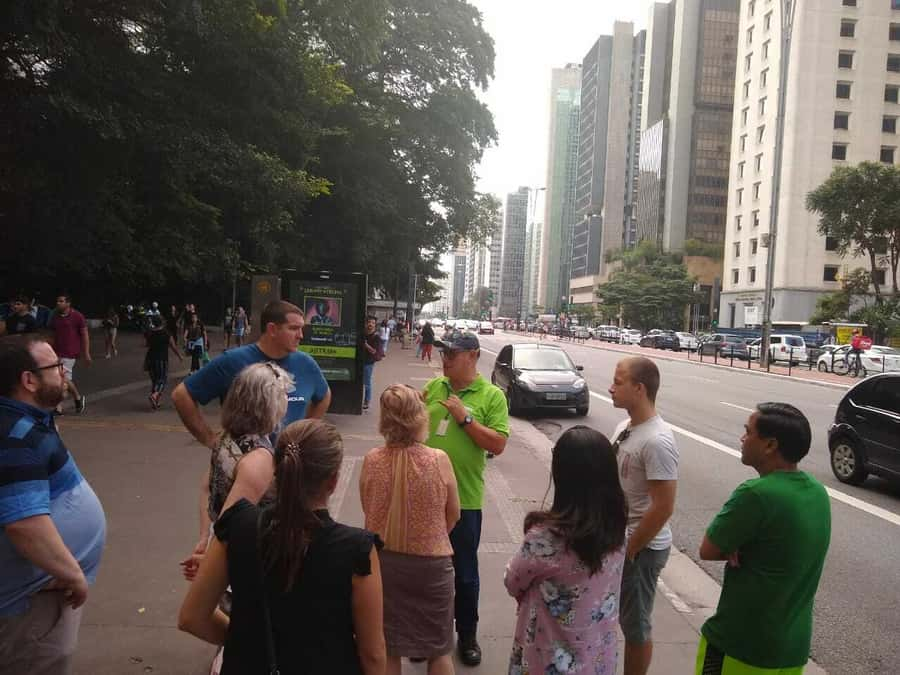
- Eighteen Paulista Avenue sights: The route covers major landmarks from Japan House and Casa das Rosas to MASP, Conjunto Nacional, and Instituto Moreira Salles.
- Private three-hour format: You receive a guide for your group rather than joining a large shared walk.
- Strong historical focus: The guide explains how the avenue developed and how its buildings and public spaces fit together.
- Plenty of planned pauses: You have chances to take photos, stop for snacks, browse for a souvenir, and simply look around.
- Three guide languages: The tour operates in English, Spanish, and Portuguese.
- Outdoor sightseeing only: Museums and other sights that charge admission are viewed from the route, with entry costs not included.
Why Paulista Avenue works so well on foot
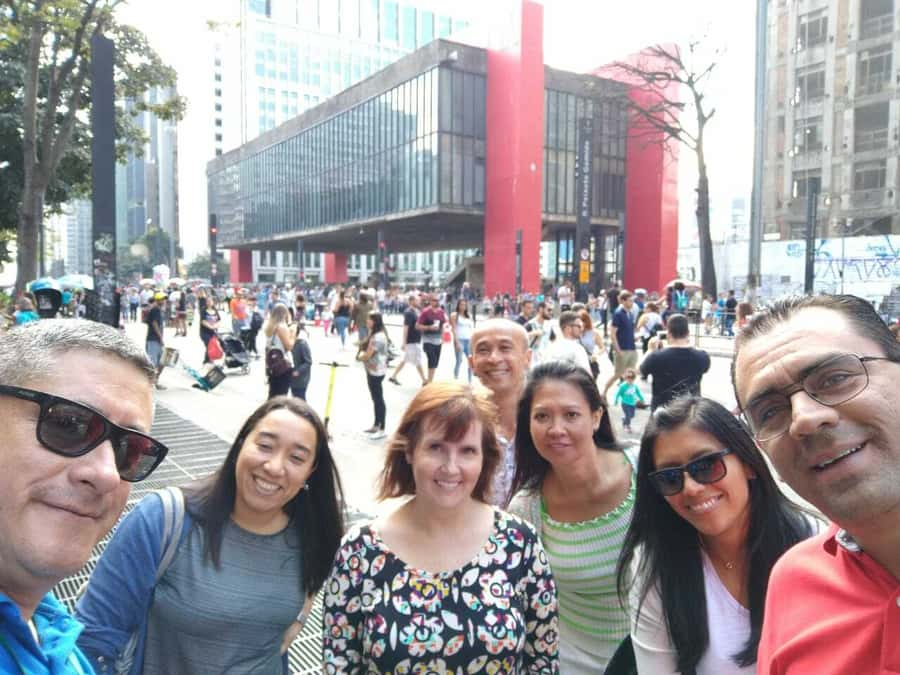
Paulista Avenue is a useful first look at São Paulo because it brings several sides of the city together. You get cultural buildings, public institutions, older residences, office towers, parks, shops, and street art along one central corridor.
That mix gives the walk a clear purpose. You are not simply moving from one photo stop to the next. Your guide helps connect the avenue’s buildings to its past and explains how Paulista changed over time.
The route also keeps moving at a smooth pace. That matters in São Paulo, where a busy sightseeing day can become tiring fast. Short stops break up the walk, and you are not expected to rush through every location.
I would schedule this tour early in your stay. One guide, Renato, made such an impression on a participant that the avenue became easier to understand during later visits. That is the real value of a good orientation walk: after three hours, you know where the key buildings are and have a better sense of which ones deserve a second look.
More walking tours in Brazil
- Rio de Janeiro: Rocinha Favela Walking Tour with Local Guide
★ 4.8 · 3,052 reviews - Rio De Janeiro: Half-Day Rocinha Favela Walking Tour
★ 4.7 · 2,272 reviews - Sunrise and Sunrise Walk Two Brothers with Local Guide
★ 5.0 · 193 reviews
Starting at Japan House
The meeting point is Japan House, near the beginning of the Paulista Avenue route. Your guide starts with background on the avenue and the surrounding area, giving you a framework before the sightseeing begins.
Japan House also sets the tone for the tour. It is a cultural stop on an avenue filled with institutions that connect São Paulo to Brazil and to the wider world. If the building is closed for construction or another temporary reason, the guide may adjust the opening portion of the route. Doris did exactly that during one such situation, taking the group to other parts of town instead.
That flexibility is useful, but you should understand the format. This is not a ticketed visit inside Japan House. It is the starting point for the walking route and the place where your guide introduces the area.
Early stops: hospitals, gardens, and cultural institutions
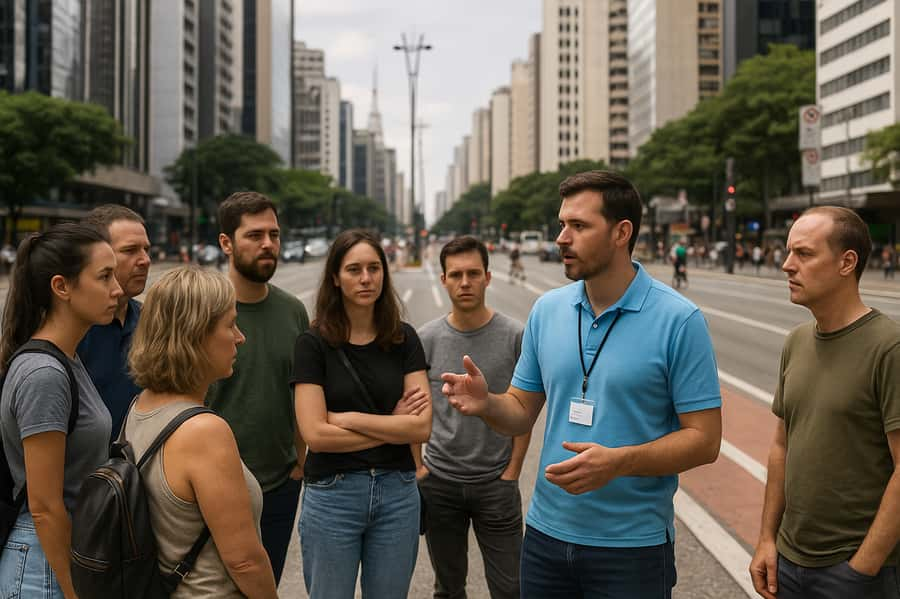
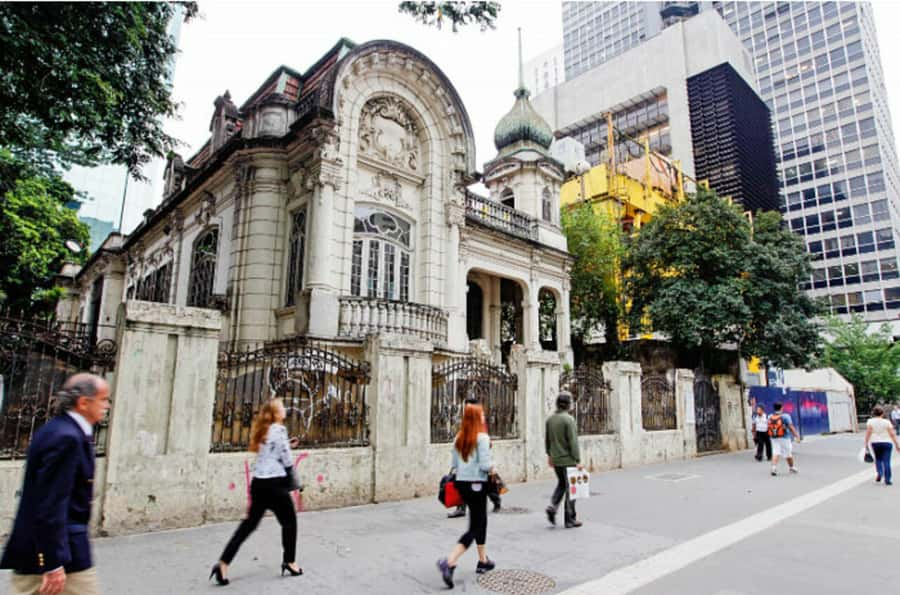
The first section includes Santa Catarina Hospital, Casa das Rosas, Sesc Avenida Paulista, the murals by street artist Eduardo Kobra, the Itau Cultural Institute, State School Rodrigues Alves, and the Pasteur Institute.
These stops give you a broad look at Paulista Avenue rather than focusing only on its most famous museum. Casa das Rosas adds an older architectural note, while the hospitals, school, and research institute show how the avenue also serves everyday civic life.
The Eduardo Kobra murals bring a different kind of interest. Public art makes a good walking stop because you can appreciate it without paying an admission fee, and your guide can point out how the artwork fits into the street around it.
Sesc Avenida Paulista and Itau Cultural Institute show the avenue’s strong cultural side. You may not go inside, since the tour is not designed around paid attractions, but seeing these buildings in sequence helps you understand why Paulista is such an important public corridor.
The route includes time for photos and contemplation here. That wording is worth taking seriously. You are not being marched past every building with only enough time to snap a picture. The pauses give you room to study a mural, look at the architecture, or take a short break.
FIESP, MASP, and the city’s most famous view
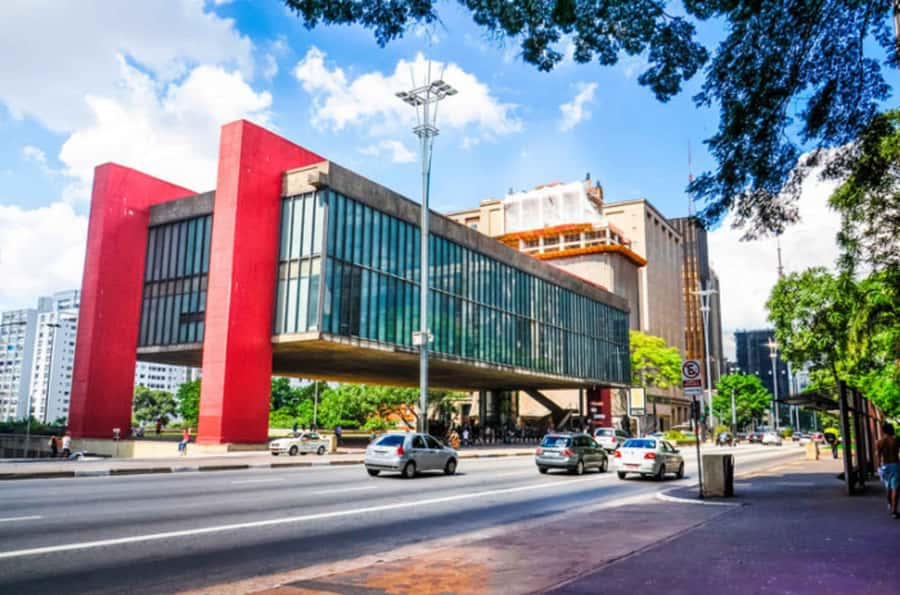
The next major part of the walk brings you to the FIESP Building and the São Paulo Museum of Art, usually called MASP. These are two of the best-known addresses on Paulista Avenue.
The FIESP Building is easy to recognize and important to the avenue’s modern identity. MASP is the headline stop for many people, but this tour treats it as part of a larger story rather than the entire point of the walk.
Your guide explains the buildings and their place in São Paulo’s development. Ilan was praised for giving useful context about the history of the avenue, the buildings, and how the area changed over time. That kind of explanation makes a difference at MASP, where the exterior alone cannot tell you why the building matters.
The tour does not aim to take you into MASP. Entrance fees are extra, and paid museums and sights are not included. If you want to see the collection inside, plan a separate visit. The walking tour is better viewed as an introduction that helps you decide where to return.
More Tours in Brazil
- Rio de Janeiro: 6-Stop Highlights of Rio with Lunch
★ 4.4 · 5,157 reviews - Christ the Redeemer Entry Ticket by Corcovado Train
★ 4.4 · 4,476 reviews - Rio de Janeiro: Sugarloaf Cable Car Official Ticket
★ 4.6 · 2,873 reviews - Rio: Christ the Redeemer, Sugarloaf, Selaron & BBQ Lunch
★ 4.5 · 2,428 reviews
Trianon Park and the July 9 viewpoint
Trianon Park provides a change of pace from the avenue’s buildings and traffic. It is one of the route’s useful pauses because you can step into a greener public space without leaving the main sightseeing area.
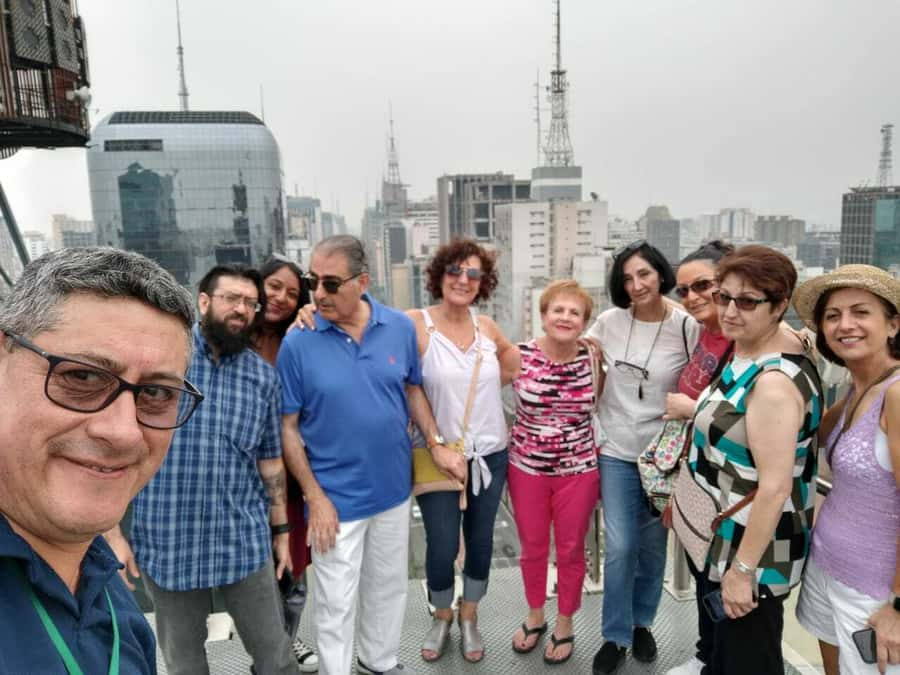
After that, the July 9 belvedere viewpoint gives you another way to read São Paulo. The stop is not just a photo opportunity. It lets you pause and take in the city from a different angle, after seeing so many individual buildings at street level.
These breaks also make the three-hour length more comfortable. You are walking for most of the experience, but the route includes places to stop, look, and catch your breath. Bring comfortable shoes, sunglasses, and sunscreen. The tour operates in all weather, so you also need clothing suited to the forecast.
The quieter architectural stops
The route continues to the Gazeta Building, Alameda Ministro Rocha Azevedo, Residência Joaquim Franco de Melo, and Augusta Street. These locations broaden the experience beyond the big names.
The Gazeta Building adds another piece of Paulista’s built story. Alameda Ministro Rocha Azevedo and the Joaquim Franco de Melo residence give you a closer look at streets and buildings that can be easy to miss if you only follow a standard city highlight list.
Augusta Street brings a different urban flavor and helps show how the Paulista area connects to nearby streets. Your guide’s job here is especially useful. Without local explanation, some of these stops might look like ordinary city blocks. With context, they become part of the avenue’s changing identity.
This is one reason I prefer the private format for this tour. You can ask why a building matters, request a slower pause for photos, or follow up on a point that catches your interest. The exact balance depends on your guide and your group, but private touring normally allows more room for questions than a large scheduled walk.
Conjunto Nacional, Livraria Cultura, and Instituto Moreira Salles
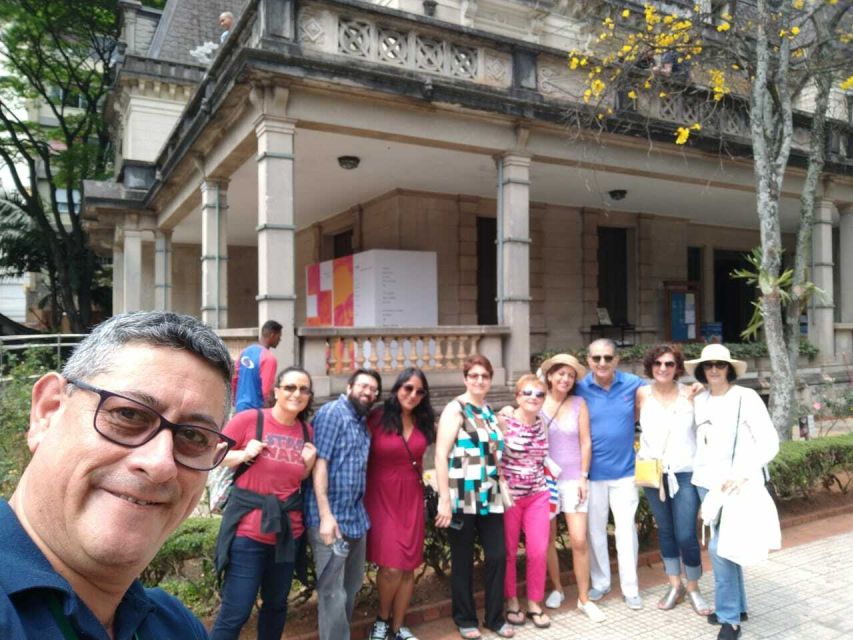
Near the latter part of the route, you visit Conjunto Nacional and Livraria Cultura, followed by Instituto Moreira Salles. This section brings together shopping, books, architecture, and cultural programming.
Livraria Cultura is a natural stop for anyone who likes bookstores or wants a small souvenir connected to Brazil. The itinerary allows a little souvenir shopping, but food, drinks, and purchases are your own expense.
Instituto Moreira Salles adds another cultural marker to the avenue. As with the other institutions, the walk is not built around paid entry. You see the location and receive the guide’s explanation, then decide if you want to return later for an indoor visit.
That arrangement keeps the tour focused and helps the group cover all 18 sights in three hours. It also means you should not book this experience expecting extended museum time. The walk gives you a map of the area, historical background, and ideas for the rest of your stay.
What the guides add
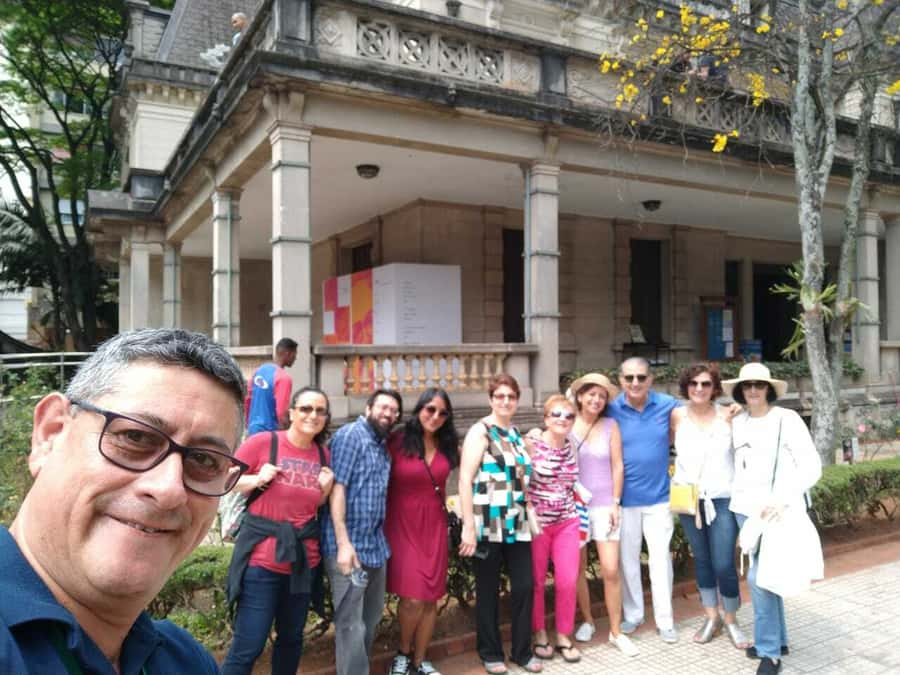
The guide can make or break a history-heavy walking tour, and the named guides connected with this experience bring different strengths. Renato was noted for detailed explanations and useful suggestions about places to visit later on Paulista Avenue. Doris handled a temporary closure by adapting the route without losing the day’s purpose.
Priscila was praised for her warmth and for explaining many aspects of the area. Laura brought energy, stayed attentive throughout the outing, and gave clear explanations at each stop. Ilan focused on the avenue’s buildings, history, and changes over time.
You can book the tour in English, Spanish, or Portuguese. Since it is a private group, it suits people who want to ask questions in their preferred language and move at a comfortable pace.
The available feedback is uniformly positive, but the sample is small, with six ratings. I would take that as a good sign about guide quality, not as a guarantee that every departure will feel identical. Your experience will depend on the assigned guide, weather, temporary closures, and how much time your group spends at each stop.
Price and practical value
At $100 per person, this is not the cheapest way to see Paulista Avenue. The price is easier to justify if you value a private guide, historical explanation, and a relaxed route that covers 18 sights without having to plan the sequence yourself.
A solo visitor may find the cost harder to swallow. For a couple, family, or small private group, the value improves because the guide’s attention is reserved for your party. You are also paying for the time and local structure, not for museum tickets or food.
The tour includes the professional licensed guide, walking service, taxes, and handling charges. Food, drinks, admission fees, and gratuities are not included. I would carry water and budget for a snack, especially if you plan to use one of the route’s refreshment stops.
The walk is wheelchair accessible. Still, the experience takes place outdoors and includes several hours on city streets, so it is sensible to confirm current conditions if someone in your group has specific mobility needs.
Who should book this walk?
I recommend it most for first-time visitors to São Paulo who want a useful orientation without spending a full day inside museums. It also suits anyone interested in architecture, public art, urban change, and the way cultural institutions shape a city.
You will get the most from it if you enjoy stopping to listen and asking questions. The tour covers many places, so it is not designed for long visits at any single sight.
Families and private groups may appreciate the flexible pace. The tour is also a good choice after a long flight, when a guided outdoor walk can help you get oriented without the mental work of planning a route from scratch.
I would skip it if your main goal is to enter MASP, Japan House, or other museums during the same three hours. In that case, use this walk as a separate introduction and schedule indoor visits afterward.
Should you book the Paulista Avenue walk?
Book it if you want a guided introduction to São Paulo’s central cultural avenue, with 18 stops, a private group, and enough pauses to keep the walk comfortable. The strongest reason to choose it is the guide’s historical context. The route becomes much more useful when someone explains how the buildings and streets connect.
The main limitation is the outdoor format. You will see the sights, but paid entry is not part of the experience. At $100 per person, I would choose it for the guide and the structure, not for admission value.
If you are arriving in São Paulo for the first time, schedule this early in your stay. You will leave with a better mental map of Paulista Avenue and practical ideas for where to return on your own.
FAQ
How long does the Paulista Avenue walking tour last?
The tour lasts three hours.
Where does the tour begin?
The meeting point is Japan House on Paulista Avenue.
Which languages are available?
The tour is offered in English, Spanish, and Portuguese.
Is this a private tour?
Yes. It is operated as a private group experience.
Are museum entrance fees included?
No. The tour is not designed to enter museums and other sights that charge admission. Any entrance fees are an additional expense.
What should I bring?
Bring comfortable shoes, sunglasses, and sunscreen. The tour operates in all weather, so dress for the conditions.
Just added in Brazil
- Rio de Janeiro: Zip Lining and Canopy Tree Tour★ 3.3 · 6 reviews
- Vidigal Favela Tour★ 4.4 · 26 reviews
- Walking Tour of São Luís do Maranhão★ 4.4 · 14 reviews
- Buzios: City Tour by Trolley with 12 Beaches and Pickup★ 4.5 · 4 reviews
- Rio de Janeiro: Attend a Vasco da Gama game with local guide★ 4.8 · 9 reviews
- Unforgettable Boat Party★ 5.0 · 3 reviews
- Trindade Day Trip: Nature and Sea Adventure from Paraty★ 4.6 · 5 reviews
- Hang gliding flight in Rio de Janeiro★ 5.0 · 6 reviews
Walking Tours, compared.



Sunrise and Sunrise Walk Two Brothers with Local Guide
Read our review →
Downtown-Center History Walking Tour – in English
Read our review →
Downtown-Center Walking Tour | 2 Hours – English
Read our review →
Learn the History of Rio with an Unforgettable City Center Walking Tour
Read our review →Browse the lists this tour appears in