
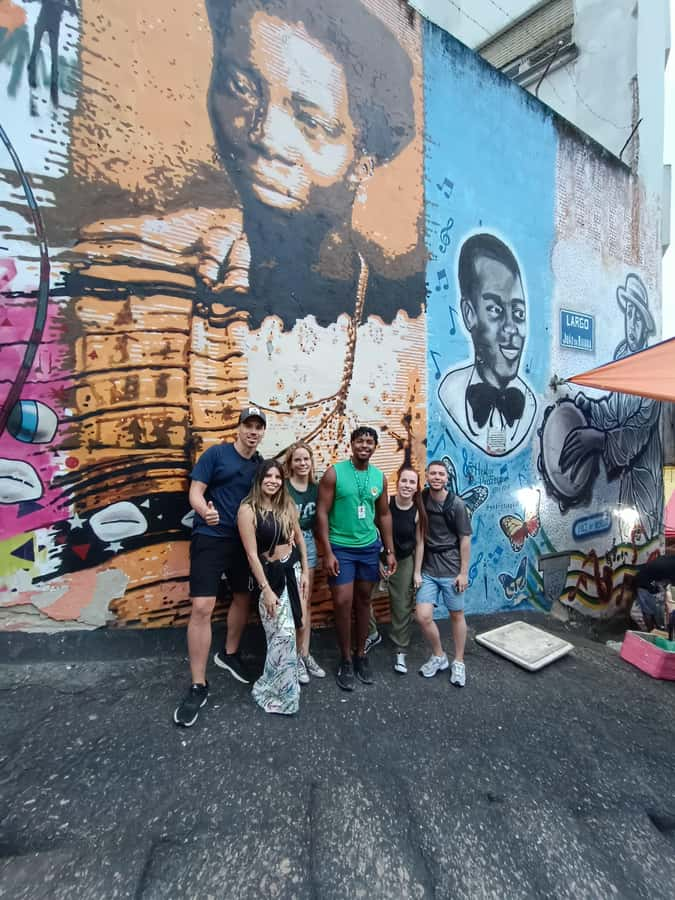
Reviewed · WALKING TOURS
Rio: African Culture Walking Tour
Rio is usually sold through beaches, mountain views, and samba. This tour points you toward a different Rio: Little Africa and Pedra do Sal, places tied to Black resistance, the abolition struggle, and the growth of Afro-Brazilian culture. You walk through locations many first-time visitors miss, then finish among the enormous props and costumes of Rio Carnival.
I like two things in particular. First, the guide-led history gives the streets meaning instead of treating them as scenery. Second, the visit to Cidade do Samba adds a practical look at carnival production, with access to a samba-school warehouse where parade pieces are built. The main consideration is that the final carnival stop can feel more organized and commercial than the street history that comes before it.
Key points to know
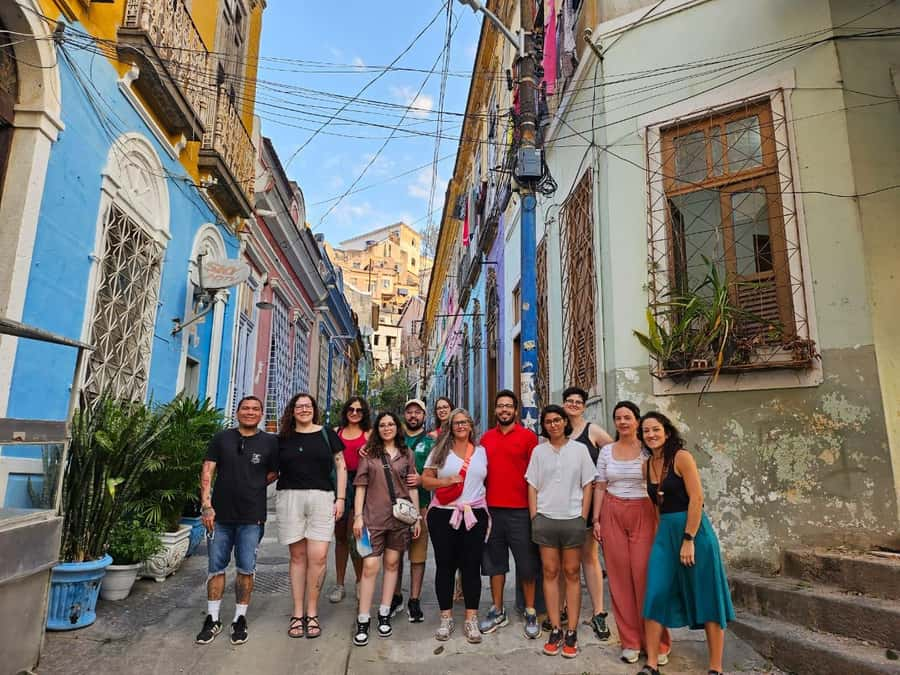
- Little Africa and Pedra do Sal: Walk through two of Rio’s most important areas for Afro-Brazilian history and culture.
- Black resistance and abolition: The guide explains slavery, the fight to end it in Brazil, and how that past still shapes Rio.
- Cidade do Samba access: Go behind the scenes at a carnival workshop and learn how samba-school parades are created.
- Small-group format: The advertised maximum is 15 people, while the activity is also listed as a private-group experience.
- Three-hour route: You get a focused cultural visit without giving up an entire day of sightseeing.
- Three guide languages: Tours are offered in English, Spanish, and Portuguese, and the operator asks you to provide a WhatsApp contact.
Why this tour changes the way you see Rio
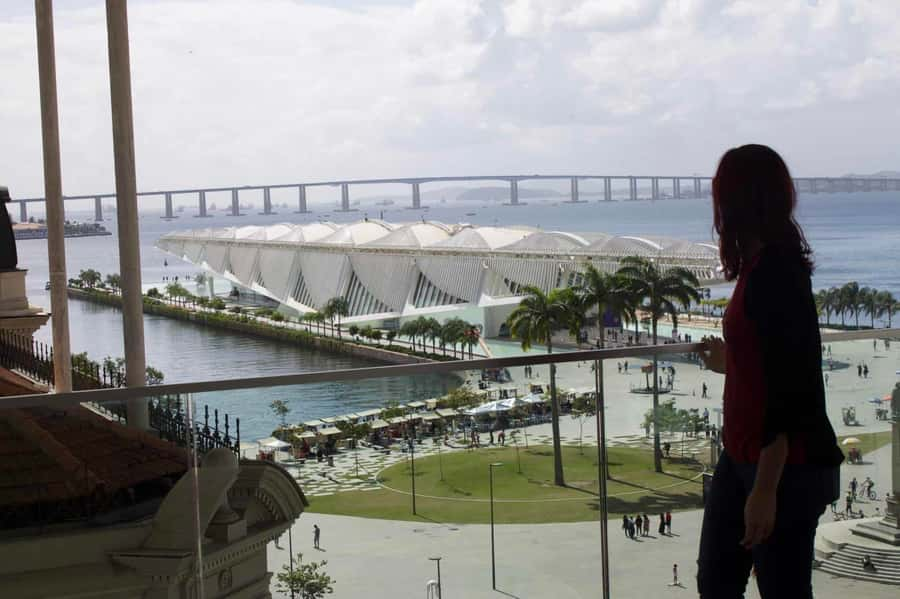
Rio’s popular image is easy to understand. It has beaches, samba, and postcard views. But those things can leave out the city’s African roots and the people whose work shaped its music, traditions, and public life.
This three-hour walk begins with that missing chapter. You move through Little Africa and Pedra do Sal while your guide explains the history of Black resistance and the long struggle to abolish slavery in Brazil. The value is not just in seeing another neighborhood. It is in learning why these places matter.
I would choose this tour early in a Rio visit if I wanted a stronger sense of place. Once you understand the role of Afro-Brazilian communities in the city, samba and carnival stop looking like isolated entertainment. They become part of a much larger story.
The tour is also a good fit if you prefer conversation to a large scripted group. The listed maximum is 15 people, and the activity is described as a private group. That combination is worth clarifying when booking, since private and small-group arrangements can mean different things. Either way, the format is intended to keep the guide close enough for questions.
More walking tours in Rio de Janeiro
- Rio de Janeiro: Rocinha Favela Walking Tour with Local Guide
★ 4.8 · 3,052 reviews - Rio De Janeiro: Half-Day Rocinha Favela Walking Tour
★ 4.7 · 2,272 reviews - Sunrise and Sunrise Walk Two Brothers with Local Guide
★ 5.0 · 193 reviews
Little Africa gives the tour its purpose
The first portion takes place in Little Africa, a district linked to the history of Black life in Rio. Your guide discusses slavery, resistance, abolition, and the cultural traditions that grew from this community.
This is where the tour earns its $100 price more than anywhere else. A walk through streets alone would show you buildings and public spaces, but it would not necessarily explain the forces behind them. A good guide connects the sites to Brazil’s past and then brings the subject into the present.
One participant specifically praised the clear, study-based explanation of Afro-Brazilian history and the guide’s willingness to answer questions. That matters here. The subject is large and often reduced to a few familiar facts, so time for discussion can make the difference between a quick tour and a useful lesson.
The tour also encourages comparisons. One participant noticed clear parallels between systems of racial oppression in Brazil and the United States, along with important differences. You do not need to arrive with a background in history, but you should expect serious topics and a conversation that goes beyond carnival costumes.
The tone appears flexible rather than rigid. A guide identified as Rafael was praised for being attentive, and another guide was described as open to questions and helpful with extra suggestions after the scheduled visit. Specific guide assignments can change, so Rafael should not be assumed for every departure.
Pedra do Sal connects history with living culture
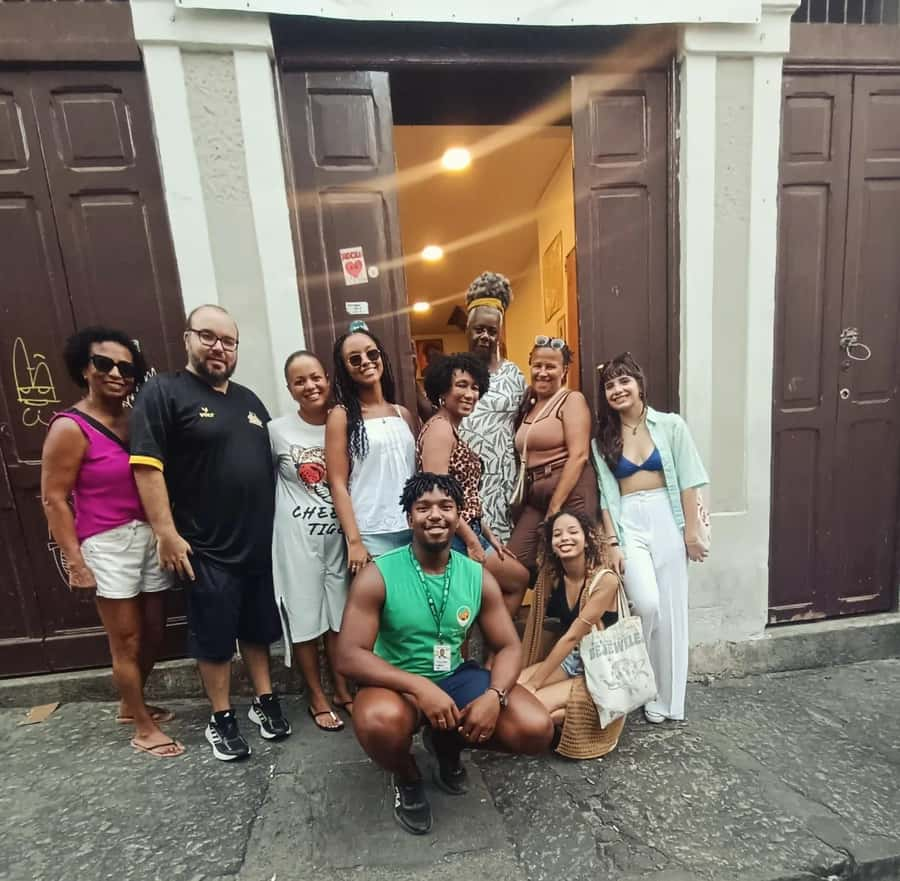
Pedra do Sal is the next major part of the walk. The area is especially important for understanding the connection between Afro-Brazilian culture and samba.
Your guide uses the neighborhood to explain traditions, resistance, and the role of Black communities in Rio’s cultural life. This is not a tour built around a single grand building. Its strength lies in the setting and the interpretation provided as you move through it.
I like that the route treats culture as something shaped by people and memory, not just as a performance for visitors. You get context for why samba matters and how its traditions relate to the city’s Black heritage.
The walking itself is manageable. One detailed account described seeing and learning a great deal without having to walk too much. Still, this is a walking tour, so comfortable shoes and a willingness to spend part of the morning or afternoon on foot are sensible choices.
The route is also listed as wheelchair accessible. That is useful, though access on a historic walking route can depend on the exact streets and conditions on the day. If you use a wheelchair, mention your needs when arranging the tour so the operator can confirm the practical details.
The abolition story is handled as more than a date
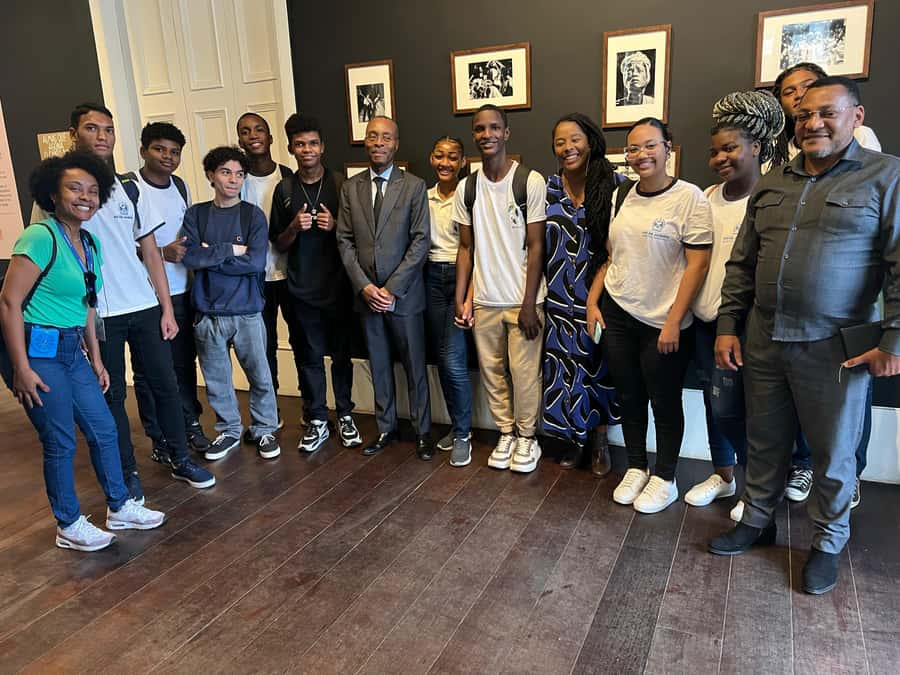
A strong feature of the experience is its focus on the struggle to abolish slavery in Brazil. You are not simply told when abolition happened. The guide places the issue within the lives, resistance, and cultural survival of Afro-Brazilian communities.
That approach gives the tour weight. It also helps you read Rio differently during the rest of your stay. Monuments, music, neighborhoods, and public celebrations can look very different once you have learned who built the culture and what obstacles they faced.
The subject may not suit someone looking for a light sightseeing stroll. The tour deals with slavery and racial oppression, and the discussion can raise difficult questions. That is not a flaw, but it is worth knowing before you book. The history is central, not a short aside between photo stops.
The guide’s role is especially important here. The experience is offered in English, Spanish, and Portuguese, so you can choose a language that lets you follow the details and ask questions comfortably. The strongest accounts praised the guide’s clarity, friendliness, and ability to discuss the subject without making it feel like a lecture.
More Tours in Brazil
- Rio de Janeiro: 6-Stop Highlights of Rio with Lunch
★ 4.4 · 5,157 reviews - Christ the Redeemer Entry Ticket by Corcovado Train
★ 4.4 · 4,476 reviews - Rio: Christ the Redeemer, Sugarloaf, Selaron & BBQ Lunch
★ 4.5 · 2,428 reviews - Rio de Janeiro: Angra dos Reis and Ilha Grande Full-Day Tour
★ 4.6 · 1,673 reviews
Cidade do Samba reveals the machinery behind carnival
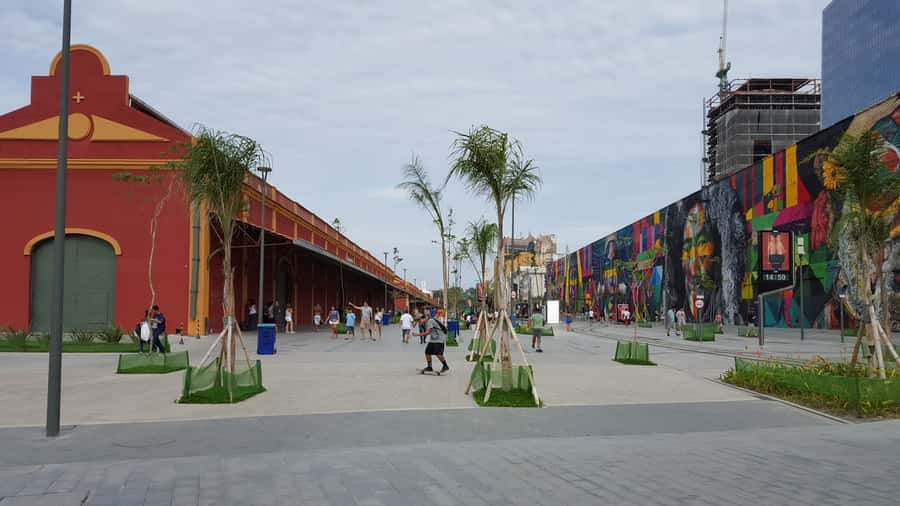
The tour ends at Cidade do Samba, also called the City of Samba. Here you visit a carnival production space and learn how samba-school parades are made.
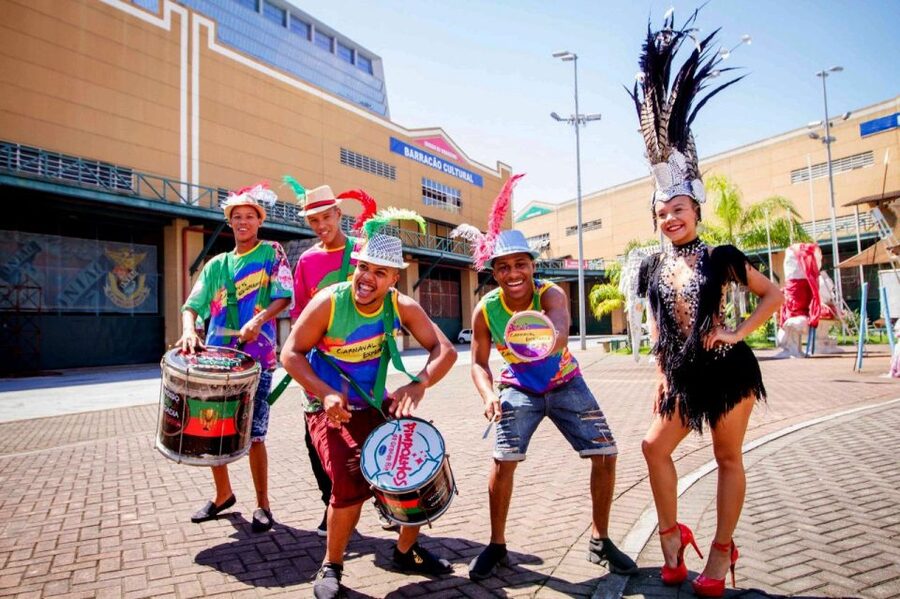
This is the tour’s most visual section. Instead of seeing only the finished parade on television or from a grandstand, you get a look at the workshop side of carnival. You may see the scale of the props and the work that goes into creating the spectacle, though the exact pieces on display can change.
The visit includes entrance to Cidade do Samba and Carnaval Experience. That added access makes the tour more than a neighborhood walk. You finish with a behind-the-scenes look at one of Rio’s best-known cultural traditions.
The contrast between the two halves is useful. Little Africa and Pedra do Sal provide the historical and social setting. Cidade do Samba shows how samba schools turn that cultural tradition into a massive public event.
There is one fair warning. The carnival warehouse has less of the street-level feel of the earlier stops. One detailed account found this portion slightly less authentic, even while calling the access amazing. I agree with that distinction. The warehouse is made for visitors and presentation, but it still offers something you would not get from a normal city sightseeing route.
If you are fascinated by carnival design, this final stop may be the highlight. If you care most about local history and everyday neighborhoods, the first two hours may be more meaningful.
What the $100 price really covers
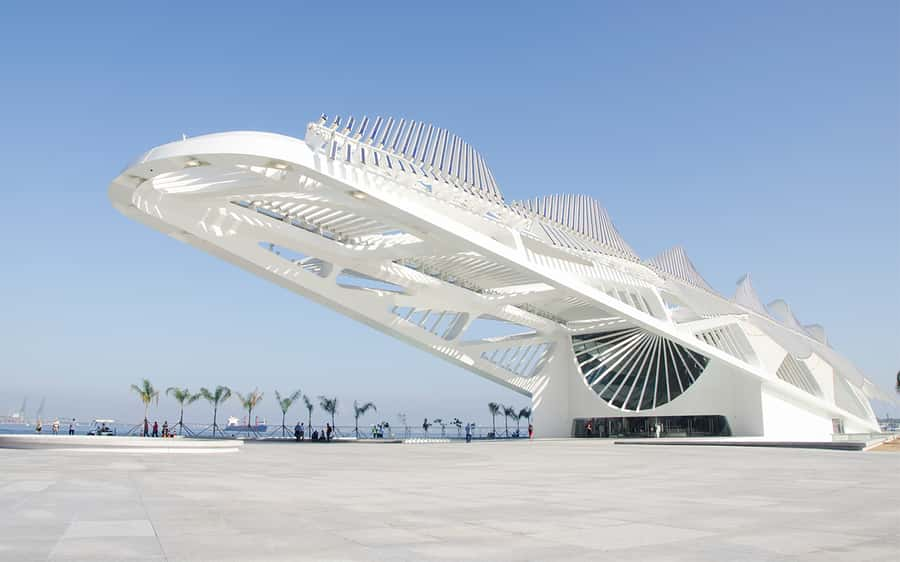
At $100 per person, this is not a cheap orientation walk. The price makes more sense when you treat it as two connected experiences: a guided cultural history tour and admission to Cidade do Samba with a carnival-focused visit.
You are paying for interpretation, not just transportation or entry tickets. The value depends heavily on how much you want to understand Rio’s Afro-Brazilian past. If you only want quick photos and famous sights, the cost may feel high. If you want history, discussion, and access to a place you would probably not visit on your own, it is easier to justify.
The three-hour length helps. You can fit the tour into a morning or afternoon without losing a full day. It is long enough to cover both Little Africa and the samba workshop, but short enough to combine with other Rio plans.
Food and drinks are not included. Plan to eat before or after the walk, and do not expect a snack break to be part of the tour. All listed taxes, fees, and handling charges are included, so the main extra spending should be your own meals and drinks.
Who will get the most from this experience
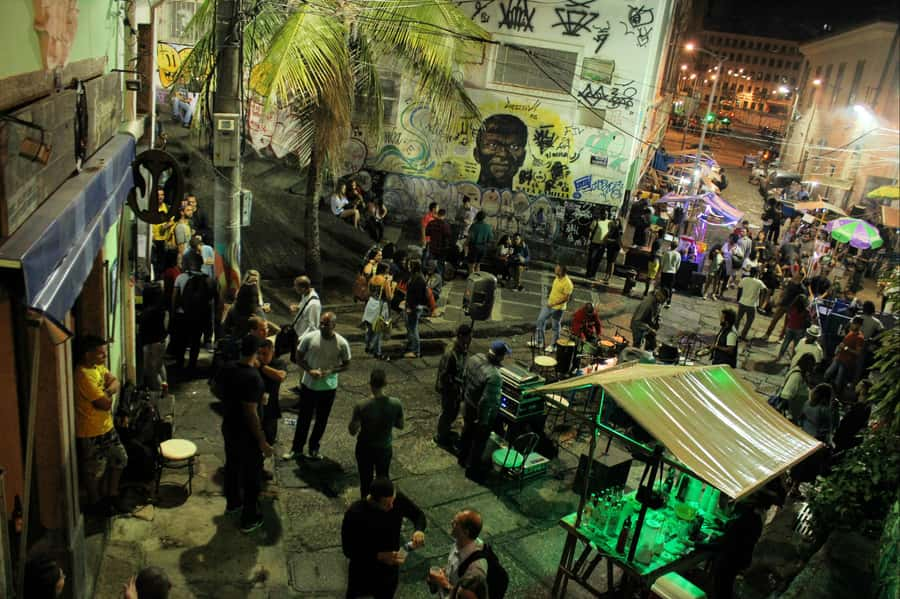
I would recommend this tour to you if you want Rio’s cultural story to extend beyond beaches and nightlife. It suits people who enjoy asking questions, learning from a local guide, and seeing places that are not usually part of a first-day city route.
It is particularly useful for:
- First-time visitors who want historical context before exploring more of Rio
- People interested in African diaspora history and Brazil’s abolition struggle
- Carnival fans who want to see the production side of samba-school parades
- Visitors who prefer a small group and direct conversation
- Anyone who wants a focused cultural activity lasting three hours
It may be less suitable if you want a relaxed sightseeing loop with little discussion. The topic is serious, and the tour works best when you are ready to pay attention.
Families with older children or teenagers may also find it worthwhile if they are interested in history and music. The listing does not provide a specific child age policy, so check before booking if that affects your plans.
Practical details that matter on the day
The tour is offered in English, Spanish, and Portuguese. Ask for your preferred language when booking, and provide the requested WhatsApp contact so the operator can reach you with meeting information or updates.
The activity is listed as wheelchair accessible. Since the route includes walking through historic areas, confirm the exact access arrangements if you need step-free movement throughout.
The advertised group limit is 15 people. A smaller group should make it easier to hear the guide and ask about sensitive or complicated subjects. The activity is also marked as private group, so confirm how that applies to your chosen booking before paying.
You can cancel up to 24 hours before the start time for a full refund. You can also reserve now and pay later, which is useful if you are still fitting Rio plans together.
Because the tour ends at Cidade do Samba, check your onward plans before booking. The information provided does not specify hotel pickup, return transport, or the exact meeting point, so do not assume transportation is included. The activity is described as a walking tour with entry to the samba venue.
Is the carnival stop worth it?

Yes, for most people who are curious about how Rio Carnival is made. The warehouse visit gives scale to an event that can otherwise seem to appear fully formed during parade season.
You will not get the same feeling as standing in a neighborhood samba gathering or watching the parade itself. This is a production and visitor-access experience. Yet the chance to see where large parade elements are created adds a useful second layer to the tour.
Think of it as a change of pace. The first section asks you to listen and reflect. The final section lets you look at the craft and machinery behind the celebration.
Should you book Rio: African Culture Walking Tour?
Book it if you want a serious, compact introduction to Rio’s Black history, Afro-Brazilian traditions, and the origins of samba culture. The best part is the guide-led walk through Little Africa and Pedra do Sal, where the streets gain meaning through clear explanations and open discussion.
The Cidade do Samba visit makes the $100 easier to defend, especially if carnival is high on your list. Just keep your expectations balanced: the warehouse is fascinating and unusual, but less personal than the historic walking portion.
I would choose this over a standard city walk if you have three hours available and want to understand Rio rather than simply photograph it. Bring questions, wear comfortable shoes, and confirm the group format and meeting details before you go.
FAQ
How long does the tour last?
The tour lasts three hours.
What areas does the walking tour visit?
The walking portion covers Little Africa and the Pedra do Sal area.
What will I learn about during the walk?
The guide explains local history and culture, Black resistance in Rio, the struggle to abolish slavery in Brazil, and Afro-Brazilian traditions.
Is entrance to Cidade do Samba included?
Yes. The tour includes entrance to Cidade do Samba and the Carnaval Experience.
What languages are available?
The live guide is available in English, Spanish, and Portuguese.
Is the tour wheelchair accessible?
Yes, the activity is listed as wheelchair accessible.
Can I cancel for a full refund?
Yes. You can cancel up to 24 hours in advance for a full refund.
Just added in Rio de Janeiro
- Rio de Janeiro: Zip Lining and Canopy Tree Tour★ 3.3 · 6 reviews
- Vidigal Favela Tour★ 4.4 · 26 reviews
- Rio de Janeiro: Attend a Vasco da Gama game with local guide★ 4.8 · 9 reviews
- Unforgettable Boat Party★ 5.0 · 3 reviews
- Hang gliding flight in Rio de Janeiro★ 5.0 · 6 reviews
- Rio Highlights: Christ, Sugarloaf, and More in a Private Tour★ 5.0 · 36 reviews
- Tijuca Forest Hike – Waterfalls & Caves, Nature & Wild Life!★ 5.0 · 51 reviews
- Rocinha Walking Tour: Get a Feel for the Brazil’s Largest Favela (Shared Group)★ 5.0 · 37 reviews
Walking Tours, compared.


Sunrise and Sunrise Walk Two Brothers with Local Guide
Read our review →
Downtown-Center History Walking Tour – in English
Read our review →
Downtown-Center Walking Tour | 2 Hours – English
Read our review →
Learn the History of Rio with an Unforgettable City Center Walking Tour
Read our review →Browse the lists this tour appears in