
Reviewed · WALKING TOURS
Little Africa – Walking tour from the passed to the future
Rio’s Little Africa is not a polished museum district. It is a place where streets, remains, and public spaces point to the forced arrival of African men, women, and children in Brazil. The tour connects those physical traces to slavery, Black heritage, art, and the way Rio remembers its past. The emotional weight is real, so come ready to listen rather than simply collect sightseeing stops.
I like two things right away: the three-hour walking format, which gives the guide time to explain what you are seeing, and the focus on places that once included a slave market, shops, homes, and burial grounds. The biggest consideration is language. Several English-speaking participants found their guides clear and engaging, but two people said limited English made the explanations hard to follow.
Key points to know before you book
- Little Africa is a history walk, not a general Rio city tour: The focus is Black heritage, forced migration, memory, art, and the future.
- The sites are spread through the streets of downtown Rio: You walk through alleys and historic areas rather than moving between attractions by vehicle.
- The guide makes or breaks the experience: Larissa, Gabriela, Luana, Rafael, and Tatjana received especially warm praise for passion, care, and clear storytelling.
- English ability can vary: Portuguese and Spanish may be better choices if you speak either language comfortably.
- The listed price is not the full local payment: You pay US$32 through the booking platform, plus R$160 per person to the guide, with a stated total of R$310 per passenger.
- Expect a serious, sometimes moving experience: Respectful behavior matters, and this is not the place for rushed sightseeing or casual jokes.
Why Little Africa matters in Rio

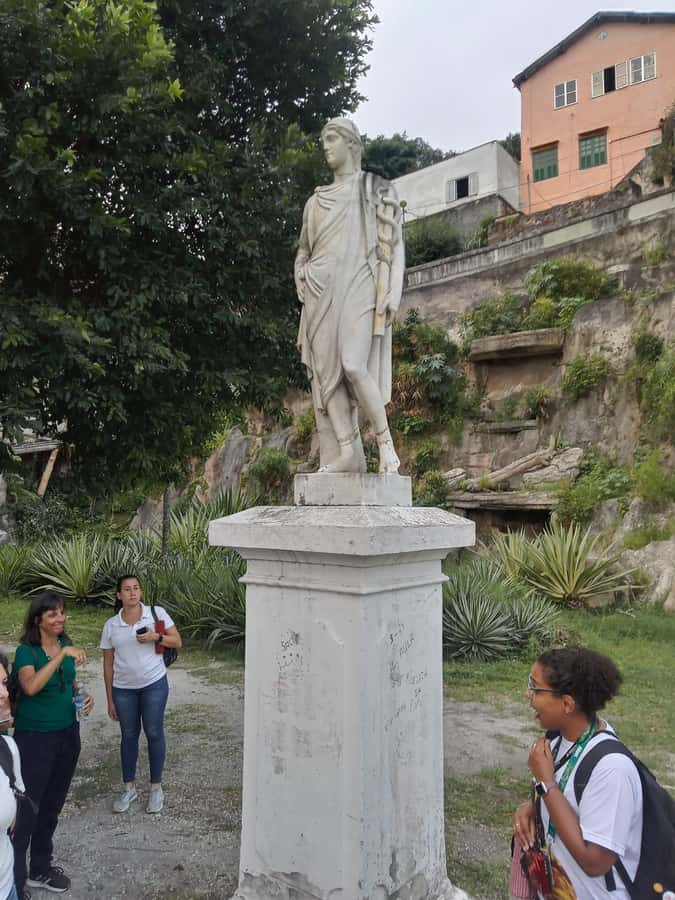
To understand this walk, you need to see Little Africa as more than a neighborhood name. It was an entry point for many Africans brought to Brazil by force. The area included a slave open market, residences, shops, and graveyards, so the tour deals with several parts of that system rather than one isolated monument.
That range gives the walk its value. You are not only hearing about slavery in a classroom setting. You are moving through the area where trade, domestic life, death, and survival once occupied the same urban space. The guide’s remarks help connect ordinary-looking streets and remains to events that shaped Brazilian society.
I appreciate the title’s movement from the past to the future. The tour is not presented as a backward glance only. Its themes include Black history, heritage, art, culture, and the question of what comes next. That makes it useful for anyone who wants to understand how Brazil’s African heritage remains part of the country’s present.
Still, this subject needs care. The experience can be emotional, and the description itself asks you to be respectful. Plan your mood accordingly. It is not a light break between beach time and nightlife.
More walking tours in Rio de Janeiro
- Rio de Janeiro: Rocinha Favela Walking Tour with Local Guide
★ 4.8 · 3,052 reviews - Rio De Janeiro: Half-Day Rocinha Favela Walking Tour
★ 4.7 · 2,272 reviews - Sunrise and Sunrise Walk Two Brothers with Local Guide
★ 5.0 · 193 reviews
Walking the streets and historic remains
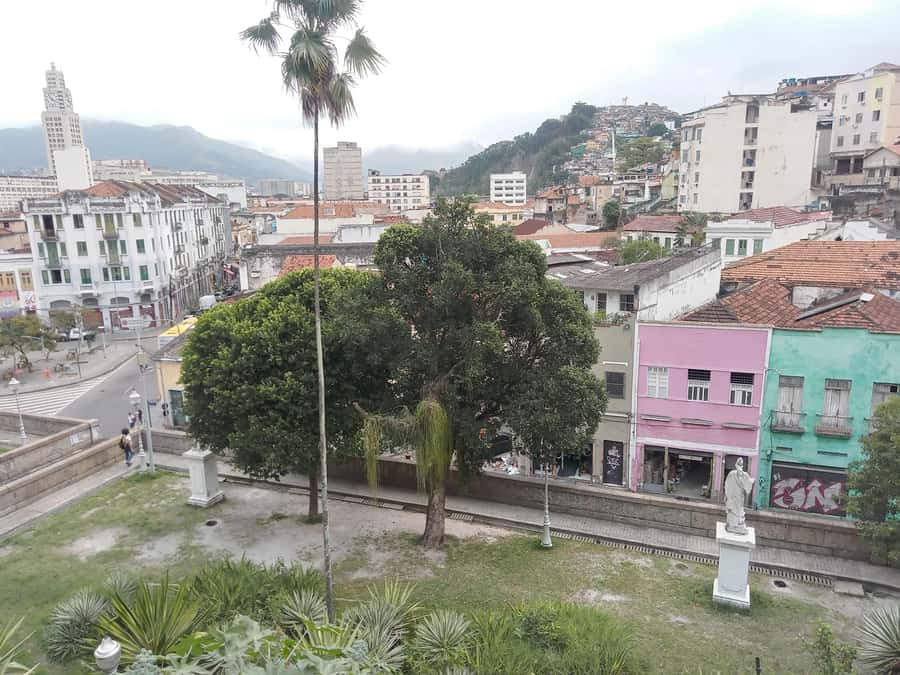
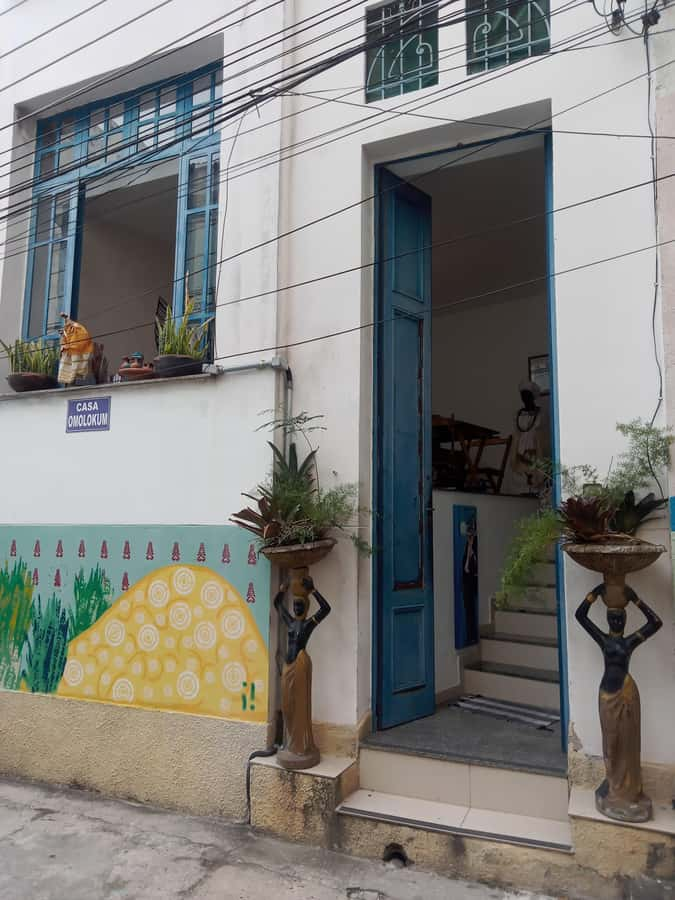
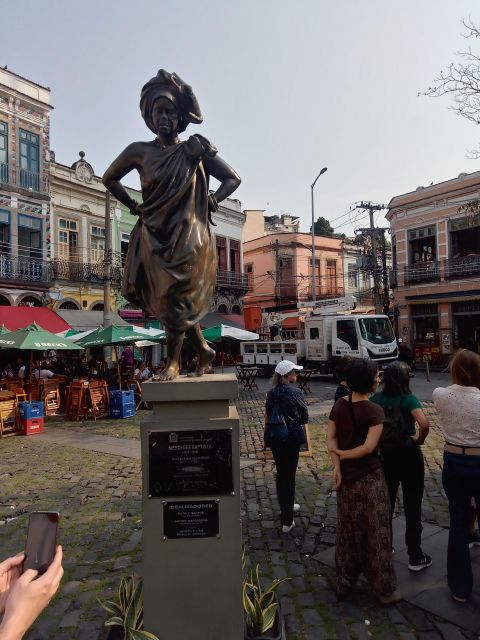
The core of the experience is simple: meet in downtown Rio de Janeiro, then walk through the Little Africa area while the guide explains each historical place. You will pass through alleys and public spaces connected with the district’s former life.
The tour’s strength is the connection between place and story. A written account of an open market can feel distant. Hearing about it while standing in the area where such activity took place gives the subject a harder edge. The same is true of the former homes, stores, and graveyards. Each type of site helps you see how large and organized the area once was.
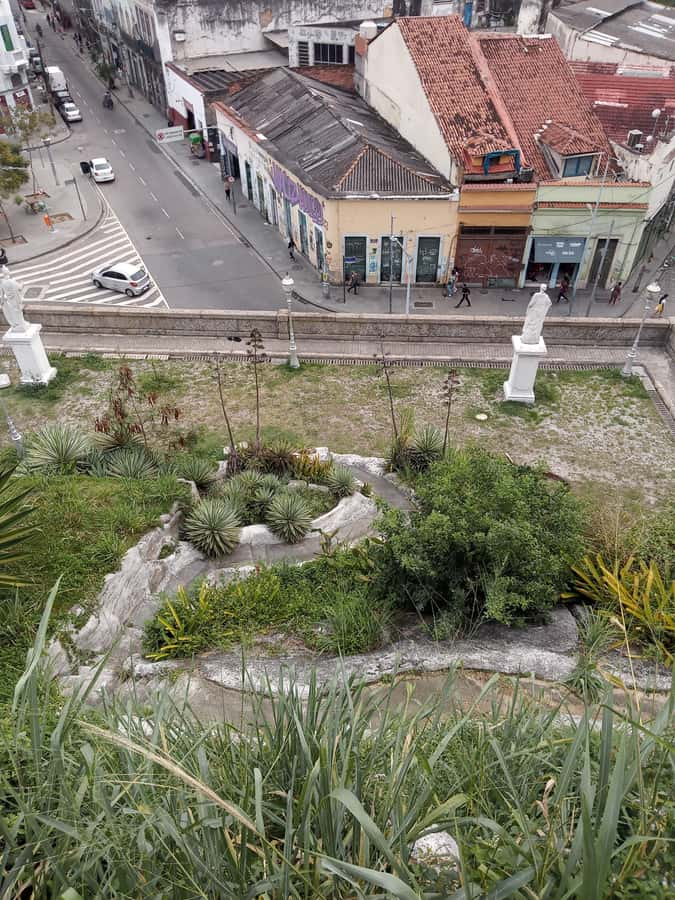
Do not expect every stop to look like a preserved monument. Some remains may be modest, and the surrounding city continues to function as a modern urban district. That contrast is part of the point, but it also means you should listen closely. The guide’s explanation may carry more meaning than the physical feature in front of you.
You will get the most from the walk by slowing down and paying attention to the guide’s comments. This is not a tour where you can glance at a building, take a photograph, and move on without context. The details are what turn the streets into historical evidence.
The guide’s role in telling the story
The guide is central here. Strong leaders make the walk personal and understandable without losing its seriousness. Larissa was praised for her passion and ability to tell the story in a way that helped people picture the past. Gabriela was described as personable and well informed, while Luana earned appreciation for her information, kindness, and thoughtfulness.
Rafael also handled a difficult change well when a delayed flight caused a missed tour time. The company arranged another day, which is useful evidence that the operator can show some flexibility when plans go wrong. Tatjana was also praised for making the experience an educational highlight of a Rio visit.
Those names are worth noting, but you cannot necessarily choose a particular guide when booking. The practical lesson is to check the language carefully and contact the provider if you are traveling alone or have special timing concerns.
The English-language experience has had mixed results. Two participants found the English difficult to understand, despite feeling that the guide knew the subject. That is not a small issue on a history tour. If the explanation is hard to follow, the streets alone cannot carry the experience.
If you speak Portuguese or Spanish, consider taking the tour in one of those languages. If English is your only comfortable option, ask about the guide and language before committing. This single check could make the difference between a thoughtful history lesson and a frustrating walk.
Art, museums, and what is not included
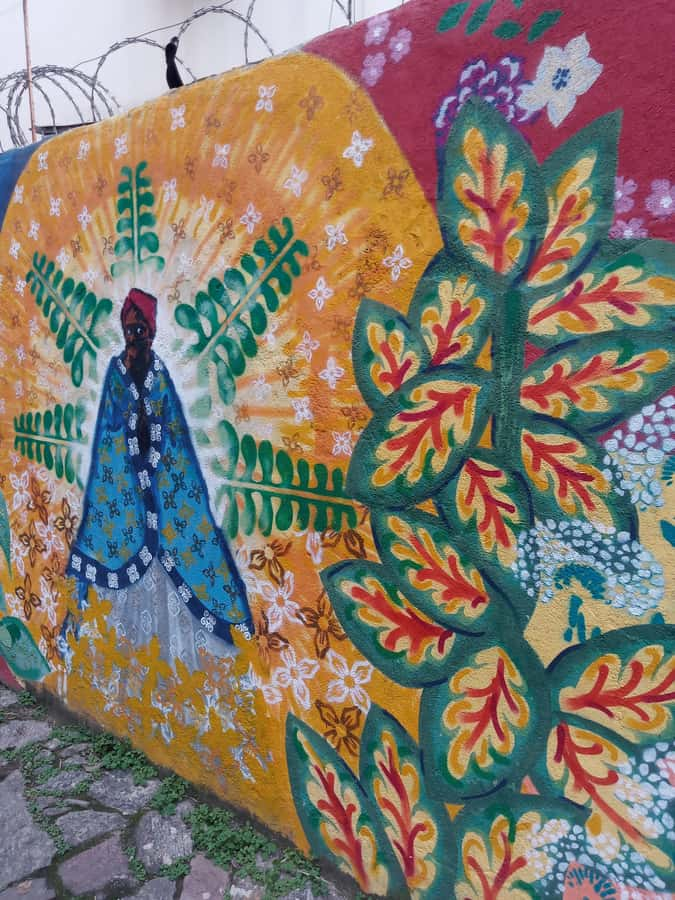
Art and culture are part of the tour’s stated focus, but you should not assume that every nearby exhibition or museum display is included. One participant expected an art museum exhibit to be part of the experience and found it was not. Another had to pay extra to enter a museum.
That is an important distinction. The tour gives you guide service and an online booking service, but food, drinks, transportation, souvenirs, and possible entry fees are not included. Museum admission should therefore be treated as a possible extra, not part of the advertised base price.
The museum issue does not erase the value of the walk. It simply means you need to ask what is covered on your chosen date. Exhibitions can change, and a site mentioned in conversation may not be part of the scheduled route. A quick question before departure can prevent an awkward surprise.
I also like that art is placed alongside history rather than treated as decoration. Cultural work can help show how Black identity and memory are expressed in Brazil today. Just keep your expectations precise: this is mainly a guided walking experience, not a museum admission package.
More Tours in Brazil
- Rio de Janeiro: 6-Stop Highlights of Rio with Lunch
★ 4.4 · 5,157 reviews - Christ the Redeemer Entry Ticket by Corcovado Train
★ 4.4 · 4,476 reviews - Rio: Christ the Redeemer, Sugarloaf, Selaron & BBQ Lunch
★ 4.5 · 2,428 reviews - Rio de Janeiro: Angra dos Reis and Ilha Grande Full-Day Tour
★ 4.6 · 1,673 reviews
Three hours at a useful pace
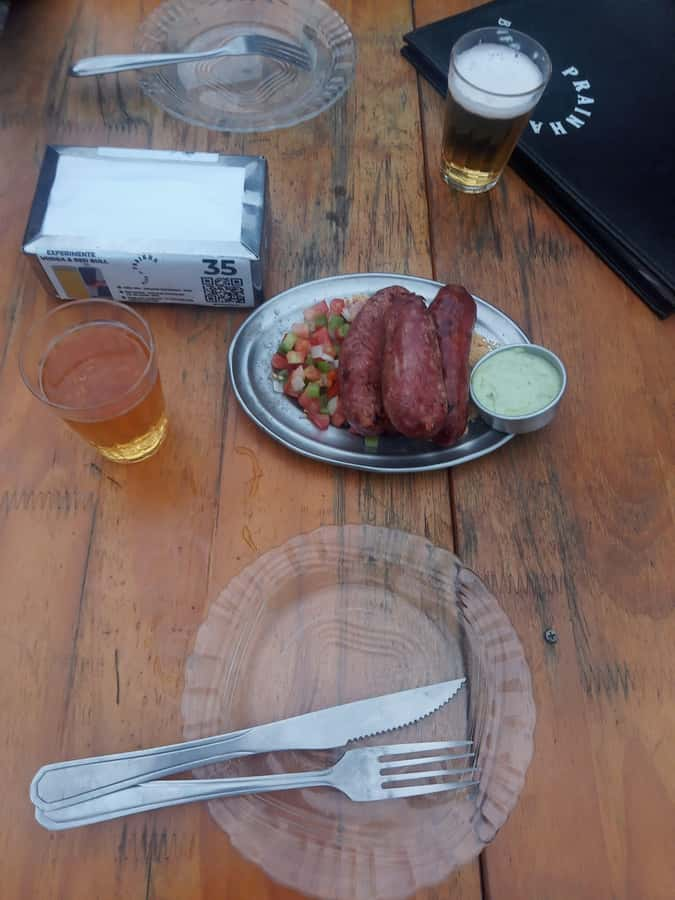
Three hours is a sensible length for this subject. A shorter tour might rush through the stops and leave you with a list of names but little understanding. Three hours allows the guide to pause, explain, and give the area some human scale.
The walking format also keeps the experience grounded. You are not looking at Little Africa from a bus window. You are moving through the alleys and seeing how historical places sit within present-day Rio. For me, that makes the connection between past and future easier to grasp.
At the same time, a three-hour walk requires attention and energy. The information is serious, and the emotional load can build as the route continues. Wear practical walking shoes and keep your schedule afterward reasonably open. The tour description does not promise transportation, meals, or a relaxed café stop, so plan those separately.
The meeting point is in downtown Rio de Janeiro. The information provided does not specify hotel pickup or included transport, so you need to arrange your own way to the meeting point. The same applies to the finish: confirm the exact location if you have a timed reservation afterward.
Price, payment, and real value

The advertised online price is US$32 per person, but that is not the complete payment. An additional R$160 per person is paid directly to the guide, and the stated total is R$310 per passenger. The figures are presented in two currencies, so exchange rates and card charges can affect what you actually spend.
Credit and debit cards are accepted for the additional payment, with a stated 5 percent tax. Children from ages three to ten pay half the local amount according to the payment details, while the general information also says children ages five to ten receive a 50 percent discount and children from zero to four are free on a parent’s lap. Because those age ranges are not perfectly consistent, confirm the child price before booking.
The value depends on what you want from Rio. If you want a quick list of famous sights, the cost may feel high because the experience is focused on interpretation rather than a large number of attractions. If you want a serious introduction to African heritage in Brazil with a live guide, three hours of explanation makes the total more defensible.
Remember to budget for any museum entry, food, and drinks. Souvenirs are also separate. The tour does not include transportation, so that cost belongs in your day plan as well.
Who should take this walk
This tour suits you if you care about history, social memory, Black culture, and the forces that shaped modern Brazil. It is also a strong choice early in a Rio visit because it can give later sightseeing more context. Streets and cultural sites may mean more once you understand the people and events connected with them.
It suits adults and older children who can handle difficult material. The child policy allows young children, including free travel for some ages on a parent’s lap, but the subject itself may be too serious for very small children. The provider should confirm the exact age-based price and suitability for your family.
You should be comfortable with a walking tour in a city district rather than a packaged attraction. There is no promise of extensive indoor shelter, included food, or a museum-heavy route. The reward comes from the guide’s storytelling and the setting.
This may not suit you if you need a fully predictable museum itinerary or if you are uncomfortable with possible variation between guides. It is also a weaker choice for English speakers who cannot confirm clear English service in advance.
How to prepare for a respectful visit
Bring water, wear comfortable shoes, and arrive ready to focus. The description specifically asks you to be respectful, and that is good advice. The sites relate to enslavement, forced arrival, death, and cultural survival, so treat them as places of memory rather than ordinary photo stops.
Ask before taking photographs at sensitive locations. Listen when the guide pauses. Give the subject room, and do not expect the guide to turn painful history into entertainment.
You should also confirm three things before the tour begins: the language, the exact meeting point, and any museum entrance costs. Those checks address the main practical concerns raised by the experience. If you are traveling alone, contact the provider first because the minimum group size is two customers.
The tour offers free cancellation up to 24 hours before the start and allows you to reserve now and pay later through the booking platform. Those policies help if your Rio schedule is still shifting, but they do not remove the need to confirm the extra local payment.
Should you book Little Africa?

Book it if you want a thoughtful, place-based look at African heritage in Brazil and you are willing to give three hours to a serious subject. The best version of this tour comes with a strong guide, and the praise for Larissa, Gabriela, Luana, Rafael, and Tatjana shows what good storytelling can add.
Before paying, confirm the language and the full cost. English clarity has not been consistent, and museum admission may cost extra. With those points settled, this is a worthwhile choice for a culturally focused Rio itinerary, especially if you want to understand the city beyond its beaches and postcard views.
FAQ
Where does the Little Africa walking tour meet?
The meeting point is in downtown Rio de Janeiro. The exact meeting location should be confirmed when you reserve.
How long does the tour last?
The walking tour lasts three hours.
What languages are available?
The tour is offered in English, Portuguese, and Spanish.
What places are connected with the walk?
The route covers the Little Africa area, including places connected with a former slave open market, stores, homes, and graveyards. You walk through alleys and visit historical locations with guide commentary.
Is transportation included?
No. Transportation is not included, so you must arrange your own way to the downtown meeting point and account for transport costs during your day.
What is the full price?
The online reservation is listed at US$32 per person. An additional R$160 per person is paid directly to the guide, and the stated total is R$310 per passenger. Card payments for the additional amount carry a stated 5 percent tax.
Are museum tickets included?
Museum entry is not listed as included. An additional entrance fee may be required, so ask the provider what applies to your chosen tour date.
Can children join the tour?
Yes. Children are covered by the child pricing policy. The information states that children ages three to ten pay half of the local payment, while children from zero to four can be free on a parent’s lap. Confirm the exact age-based price before booking.
Just added in Rio de Janeiro
- Rio de Janeiro: Zip Lining and Canopy Tree Tour★ 3.3 · 6 reviews
- Vidigal Favela Tour★ 4.4 · 26 reviews
- Rio de Janeiro: Attend a Vasco da Gama game with local guide★ 4.8 · 9 reviews
- Unforgettable Boat Party★ 5.0 · 3 reviews
- Hang gliding flight in Rio de Janeiro★ 5.0 · 6 reviews
- Rio Highlights: Christ, Sugarloaf, and More in a Private Tour★ 5.0 · 36 reviews
- Tijuca Forest Hike – Waterfalls & Caves, Nature & Wild Life!★ 5.0 · 51 reviews
- Rocinha Walking Tour: Get a Feel for the Brazil’s Largest Favela (Shared Group)★ 5.0 · 37 reviews
Walking Tours, compared.



Sunrise and Sunrise Walk Two Brothers with Local Guide
Read our review →

Downtown-Center History Walking Tour – in English
Read our review →
Downtown-Center Walking Tour | 2 Hours – English
Read our review →
Learn the History of Rio with an Unforgettable City Center Walking Tour
Read our review →Browse the lists this tour appears in