
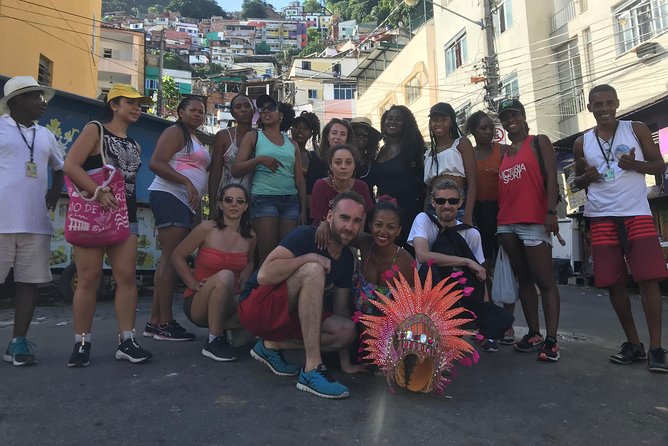
Reviewed · FAVELA TOURS
Guided Tour to Favela Santa Marta
Santa Marta is more than a quick photo stop. With a guide who lives in the community, you learn how local projects, art, transport, utilities, and the neighborhood association shape daily life. I especially like the chance to visit a guide’s home and the Michael Jackson statue, tied to the singer’s visit and famous music video. The community projects add meaning beyond sightseeing.
The main caution is physical. Santa Marta has steep paths, narrow alleys, steps, and slick surfaces. When the tram was partly out of service, one older family had to climb much farther than expected, so this tour suits you best if you are steady on your feet.
Key points at a glance
- A local guide leads the way: Guides such as Mario, Marco, and Luis are Santa Marta residents with personal ties to the community.
- Michael Jackson Square is a real highlight: See the statue, music-video stairs, and the spot that turned part of Santa Marta into a Rio attraction.
- Community life comes first: Learn about social projects, neighborhood organization, utilities, security, and local transport.
- The route includes a tram ride: It is free, but service may not cover the entire uphill or downhill route on your day.
- You get more than a view: The tour can include a home visit, a community balcony, art, local businesses, and a caipirinha workshop.
- Plan for steep walking: Three hours can involve many stairs, slippery surfaces, and uneven paths.
Santa Marta beyond the postcard view

A visit to Santa Marta gives you a side of Rio that is easy to miss from Copacabana, Ipanema, and the city’s grand viewpoints. The focus here is not simply on looking down at Rio. You walk through a working neighborhood and learn how people organize everyday life in a place often reduced to a few dramatic headlines.
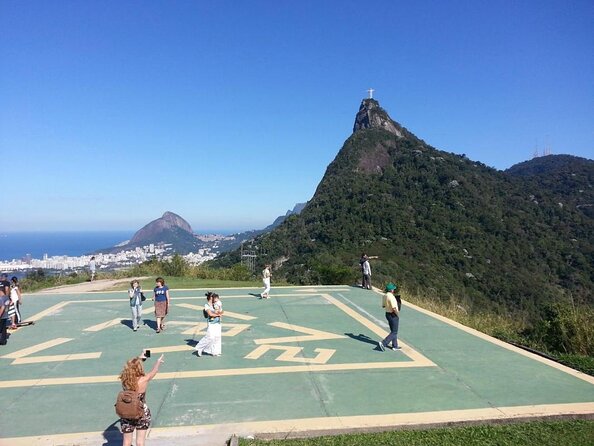
That difference matters. A local guide can explain the parts of Santa Marta that are hard to understand from outside: how people move through the steep community, how local groups support residents, and how social projects improve shared spaces. The tour also makes room for art, music, politics, and personal stories.
You are not being shown a staged village built for sightseeing. Santa Marta is home to people who work, shop, raise families, and run businesses. You may see ordinary shops, bars, restaurants, pizzerias, sushi places, and other signs of a self-contained neighborhood. The guide’s job is to help you look with respect, not treat the community as a curiosity.
That approach is one of the strongest reasons to book. You get context while walking through the real setting.
More favela tours in Rio de Janeiro
- Rio de Janeiro: Rocinha Favela Walking Tour with Local Guide
★ 4.8 · 3,052 reviews - Rio De Janeiro: Half-Day Rocinha Favela Walking Tour
★ 4.7 · 2,272 reviews - Rio de Janeiro: Favela Santa Marta Top Tour with Local Guide
★ 4.9 · 488 reviews
Meeting your local guide in Botafogo
The tour starts at R. São Clemente, 320, in Botafogo, and ends back at the same meeting point. The starting point is near public transportation, which makes it practical if you are staying in Botafogo or coming from another part of Rio.
The guide names appearing in the experience include Mario, Marco, and Luis. The exact guide can depend on the date, but the important point is that the person leading the visit is an accredited local resident. Mario, in particular, is described as having been born and raised in Santa Marta, while Marco is known for community projects, including efforts to replace trash with trees and support a community garden.
That local connection changes the tone of the visit. Mario has shown visitors his own home and explained the area’s transport, utilities, security, and residential association system. Marco has taken visitors to a balcony at his property, with views toward Christ the Redeemer and Sugarloaf Mountain.
You should still follow the guide’s rules about photography and personal space. This is someone’s home neighborhood, not a theme park. Ask before photographing residents, homes, or private activities, and keep your attention on the guide when he explains how the community works.
Riding the tram and climbing Santa Marta
The free tram ride is a useful part of the route because Santa Marta rises sharply above the surrounding streets. It gives you a sense of how steep the community is and why local transport matters so much.
The tram service can be unpredictable. One family found that it was not working for about two-thirds of the uphill route, which meant climbing many steps. On the way down, the tram covered only the final third, leaving more stairs and slick surfaces to manage.
I would treat the tram as a helpful feature, not a guarantee that you will avoid strenuous walking. Wear shoes with a firm grip and bring enough water for three hours. You should be comfortable with uneven steps and uphill walking. The experience is not described as wheelchair accessible, and the steep, narrow route would be difficult for anyone with limited mobility.
The physical effort can be worthwhile, but you need to judge it honestly. One older group, including people aged 68, 75, and 76, enjoyed the tour but found their leg muscles very sore afterward. That is useful information if you are traveling with older relatives or anyone who does not exercise regularly.
Michael Jackson Square and the music-video connection
The Michael Jackson statue is the tour’s most recognizable stop. The pop star visited Santa Marta, and the community later became associated with the music video filmed there. The statue now draws people who want to see a specific piece of Rio’s popular culture.
The stop is more interesting when the guide explains the setting instead of pointing to the statue and moving on. You can see the steps connected to the video and hear how Michael Jackson’s visit affected the area’s profile. Some tours also include music and rhythms around Michael Jackson Square, giving the place a social feel rather than making it only a monument.
If you are booking mainly for the statue, keep your expectations sensible. It is not a large museum or a long formal exhibit. The value comes from the setting, the story, and the chance to connect a famous music video with the actual streets and stairways.
I like that the tour places the statue inside a broader visit. You see a famous cultural reference, then continue into the lives and projects of the people who live there. Santa Marta is not presented as a backdrop for a celebrity story.
A few more things to do in Rio de Janeiro
- Rio de Janeiro: Guided Jeep Tour through Tijuca Rainforest
★ 4.3 · 740 reviews - Jeep Adventure: Guided Tour through Tijuca Rain Forest
★ 4.0 · 554 reviews - Rio de Janeiro: Favela Santa Marta Tour with Resident Guide
★ 4.6 · 220 reviews - Rio: Favela Rocinha Tour with Local Guide & Secret Spots
★ 4.7 · 218 reviews
Community projects and everyday organization
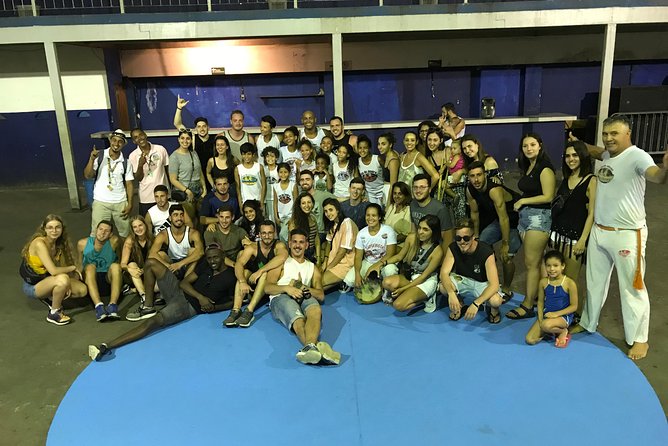
The most useful part of the visit may be the explanation of how Santa Marta functions as a community. The route can include the neighborhood association and a social project. Your guide may discuss security, utilities, transport, local administration, and the way residents work together.
This is where the experience earns its price. A standard sightseeing outing might show you a dramatic view and a few colorful walls. This one can explain why the community has its own systems and how residents respond to local needs.
Marco’s work is a good example. He has helped start projects focused on cleaning up trash, planting trees, and maintaining a community garden nonprofit. Those efforts give you something concrete to look for as you walk. Instead of hearing only broad claims about community spirit, you can connect the discussion to real projects.
The visit to the neighborhood association also gives useful political context. One guide has explained the local governing structure and how Santa Marta is self-governed. You should not expect a formal civics lecture, but you can ask direct questions and get a first-hand account from someone who lives there.
This is also a good place to remember that no single guide can explain every favela in Rio. Each community has its own character and organization. Santa Marta offers one local example, not a complete picture of every favela.
Homes, alleyways, shops, and daily life
The tour can include a visit to the guide’s home. That is an unusual privilege, and it helps turn an abstract discussion about Santa Marta into something personal. One guide has shown a home balcony with wide views of Christ the Redeemer and Sugarloaf Mountain.
Walking through the narrow alleys and stairways gives you a close look at the community’s physical shape. Some people compare the maze-like passages to Kowloon Walled City, though the comparison is only about the tight urban layout. You will see how homes, shops, and public paths fit together on a steep hillside.
The tour may also pass local businesses and small social spaces. Pizzerias, sushi shops, bars, and stores show that this is not a place defined by poverty alone. At the same time, you should expect a true working neighborhood, with worn surfaces, crowded paths, and ordinary infrastructure.
One stop involving a local woman with a large collection of clocks has felt random to some visitors. That does not ruin the visit, but it is a reminder that the route can include personal or informal moments rather than a tightly scripted museum itinerary.
Art, music, and the caipirinha workshop
Art and culture are part of the tour’s central theme. You will learn about art projects in Santa Marta and how creative work supports the community’s identity. The Michael Jackson area adds music to the walk, with local rhythms sometimes forming part of the stop.
The caipirinha workshop offers a lighter finish. It gives you a chance to learn about one of Brazil’s best-known drinks while talking with the guide and group. Dinner is not included, so do not treat the workshop as a meal. If you need food afterward, plan to eat separately once you return to Botafogo.
I like this mix of serious discussion and relaxed activity. The tour can cover politics, social projects, and living conditions without becoming a grim lecture. The workshop and music help keep the three-hour visit human and social.
Safety, respect, and the value of a local escort
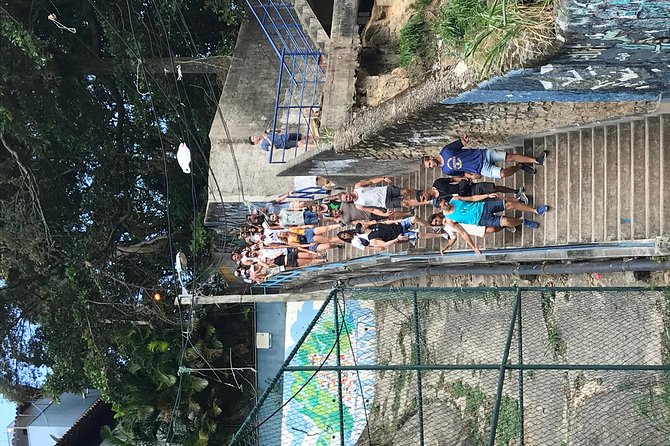
A guide is especially useful in Santa Marta because the passages can be confusing. The route includes narrow stairs and alleys, and you would have little reason to explore them alone. A local resident knows how to move through the community and how to introduce you properly.
The guide’s standing in the neighborhood also matters. Mario is described as well known and respected, and the experience is presented as a safe tour with an accredited resident. That does not mean you should ignore normal city awareness. Keep valuables secure, listen to instructions, and avoid wandering away from the group.
The best safety habit is respectful behavior. Do not photograph people without permission. Do not block steps or doorways. Keep your voice down near homes, and remember that the people you pass are living their regular day.
The format is private, so only your group participates. That makes it easier to ask questions about sensitive subjects and adjust the pace within reason. It also avoids the feel of a large group being marched through a residential area.
Is $35 a fair price for three hours?
At $35 per person, this is a solid value if you want context rather than a quick photo opportunity. The price includes the guide, the tram ride, the Michael Jackson statue, a social project, and the neighborhood association. You also get the local explanation that ties those stops together.
The value is strongest for first-time visitors to Rio who want to understand more than the usual beach and landmark circuit. Three hours is long enough to walk through several parts of Santa Marta without taking up an entire day.
The price is less compelling if you mainly want a view or a photo beside the statue. You could find a shorter sightseeing option elsewhere, but it would not offer the same access to a resident guide, community projects, or local systems.
Dinner is not included. That is not a serious drawback at this price, but budget for your own meal afterward. The activity returns to the Botafogo meeting point, so you can make a separate plan nearby.
Who should book this experience?
I would recommend it to solo visitors, couples, families with older children, and anyone who wants a thoughtful look at Rio’s social and cultural life. Solo visitors benefit from the private format and the chance to ask questions freely. Families can use the visit to discuss how neighborhoods organize themselves and how media images leave out daily life.
It is also a good fit if you have only a day or two in Rio. The three-hour length leaves room for other sights, and the return to Botafogo keeps the logistics simple.
You should think twice if you dislike stairs, have balance problems, or need a fully accessible route. The tram may not run for the full climb, and wet or slick surfaces can make the descent harder. If you are unsure, contact the provider before booking rather than assuming the tram will remove the walking.
Free cancellation is available if you cancel at least 24 hours before the start time. Cancellations made less than 24 hours ahead are not refunded, and late changes are not accepted.
Should you book the Santa Marta tour?
Book it if you want a local guide, real community context, Michael Jackson’s Santa Marta connection, and a walk that goes beyond Rio’s postcard sights. The strongest parts are the resident guides, the explanation of community projects, the personal home and neighborhood stories, and the chance to see how a hillside community works day to day.
Skip it if you want an easy, flat outing or a polished attraction with fixed transport. The steps can be demanding, and the tram may cover only part of the route.
For most physically able visitors, I think the experience offers an unusually personal way to see Rio. Go with sturdy shoes, patience, and respect for the people who live there, and you will get far more than a statue photo.
FAQ
How long does the Guided Tour to Favela Santa Marta last?
The tour lasts approximately three hours.
How much does the tour cost?
The listed price is $35 per person.
Where does the tour start?
It starts at R. São Clemente, 320, Botafogo, Rio de Janeiro, RJ 22260-004, Brazil.
Where does the tour end?
The activity ends back at the meeting point in Botafogo.
Is the tram ride included?
Yes. The tour includes a free tram ride, although tram service may not cover the entire uphill or downhill route.
Does the tour visit the Michael Jackson statue?
Yes. The route includes the Michael Jackson statue and the area connected with his visit to Santa Marta.
Is dinner included?
No. Dinner is not included in the tour price.
Is this a private tour?
Yes. Only your group participates in the activity.
Can I cancel for a full refund?
Yes, if you cancel at least 24 hours before the experience starts. Cancellations made less than 24 hours before the start time are not refunded.
Just added in Rio de Janeiro
- Rio: Fluminense Match at Maracanã with Guide and Ticket★ 4.9 · 22 reviews
- Explore Santa Teresa: Walking Tour★ 5.0 · 6 reviews
- The Best Food Tour: Taste the Most Authentic Flavours of Rio★ 4.7 · 18 reviews
- Explore Fernando de Noronha: 7-Hour Ilhatour★ 4.9 · 3 reviews
- Favela Santa Marta: Walking Tour with local guide★ 4.8 · 41 reviews
- Helicopter flight no doors in Rio de Janeiro★ 4.7 · 22 reviews
- Discover Rocinha: Guided Tour of the Famous Favela★ 4.5 · 3 reviews
- Discover Noronha: 7-Hour Ilhatour Adventure★ 4.8 · 8 reviews
Favela Tours, compared.

Favela Rocinha Tour with Local Guide & Secret Spots
Read our review →

Favela Tour The Original, Rocinha & Vila Canoas since 1992
Read our review →
Browse the lists this tour appears in