
Reviewed · WALKING TOURS
Florianopolis: Walking Tour – History, Art and Gastronomy
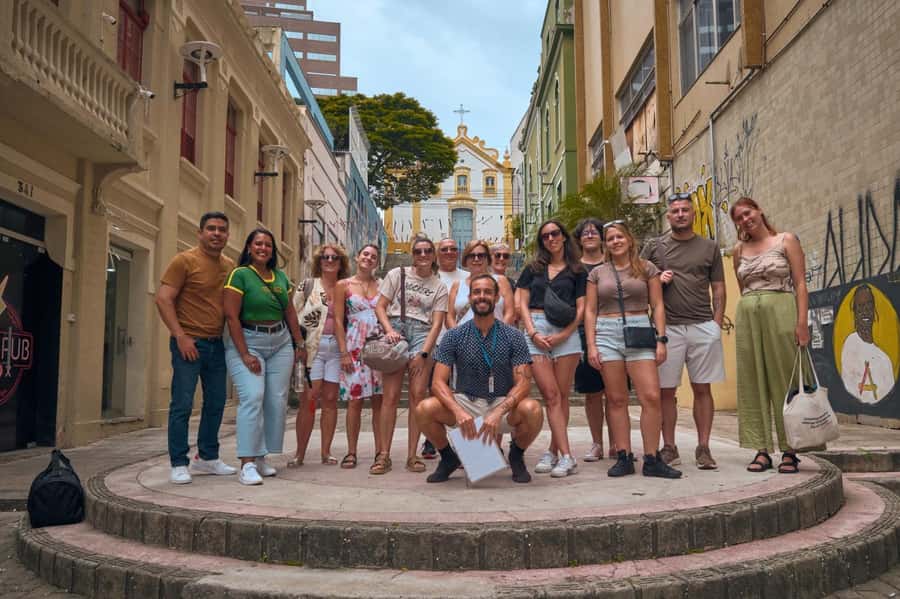
Florianópolis reveals its best stories on foot, especially in the old center where a cathedral, colonial palace, Black heritage sites, theater, fort, and market sit within a compact route. This tour connects those places to the island’s Indigenous roots, Portuguese settlement, and African history rather than treating them as isolated photo stops.
I like the clear historical storytelling, praised by Miriam from Germany, who found Isaac’s English easy to follow and appreciated his food and bar tips. I also like the food-centered finish, with time for pastéis, coxinhas, sugar cane juice, and local beer around the Public Market.
The main consideration is pace. You will walk for about two hours, and the full plan can stretch toward 150 minutes once the food stop is included. Bring comfortable shoes, and budget extra for anything you eat or drink.
Key points to know before booking
- A compact history lesson: Learn how Indigenous groups, Portuguese colonisers, and African enslaved people shaped Santa Catarina Island and Florianópolis.
- A strong guide component: Isaac has been praised for clear English, an organized approach, and useful recommendations for bars and food.
- A taste of local life: Try pastéis, coxinhas, sugar cane juice, and local beer, with a typical pint costing around $4.
- More than monuments: The route gives special attention to places connected with Florianópolis’s Black community.
- Easy central meeting point: Begin at Café|Bar do Largo da Alfândega and finish at the Public Market.
- Flexible and accessible: The tour is offered in English, Portuguese, and Spanish, and is wheelchair accessible.
Why this Florianópolis walk is worth your time
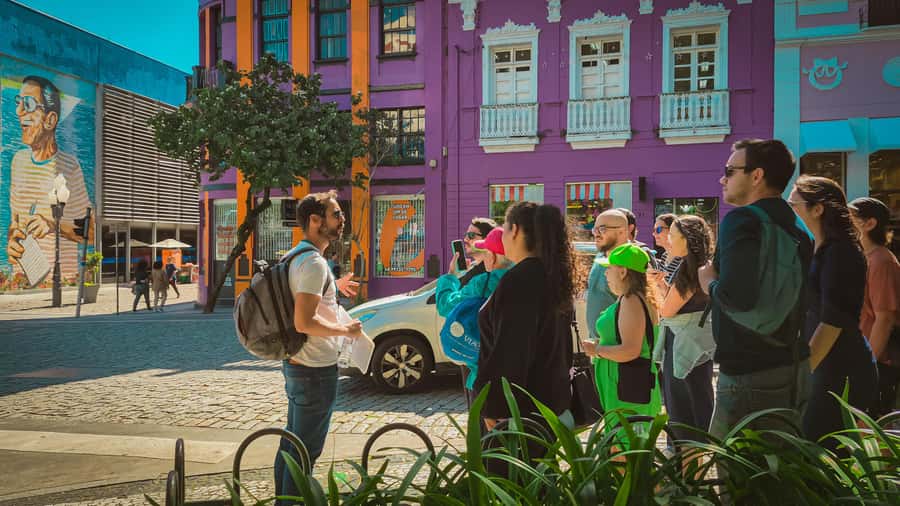
Florianópolis is famous for beaches, but its central district tells a different story. This tour gives you a useful first look at the city’s political, social, and cultural development before you head to the coast.
For $18, you are paying mainly for interpretation and local orientation. That is fair value if you want more than a quick stroll past old buildings. The guide explains how the island changed over time, then points out places where those changes can still be seen.
The food element helps keep the history grounded. Instead of ending with one last monument and a goodbye, the walk leads into the Public Market and a local bar stop. You can taste simple local foods, ask where to eat later, and get suggestions for the rest of your stay.
The price does not include food or drinks. A pint costs about $4, so your total will depend on how much you order. That is worth keeping in mind if you are comparing this with a sightseeing tour that includes refreshments.
More history walks in Brazil
- Rio de Janeiro: Historic Rio and Santa Teresa Half-Day Tour
★ 4.4 · 228 reviews - São Paulo: Downtown Historical Bike Tour
★ 4.9 · 191 reviews - Scenic Train ride to historical cities of Morretes and Antonina
★ 4.0 · 188 reviews
Starting at Café|Bar do Largo da Alfândega
The meeting point is outside Café|Bar do Largo da Alfândega, a practical place to arrive early. You can buy a coffee and use the restroom before setting off.
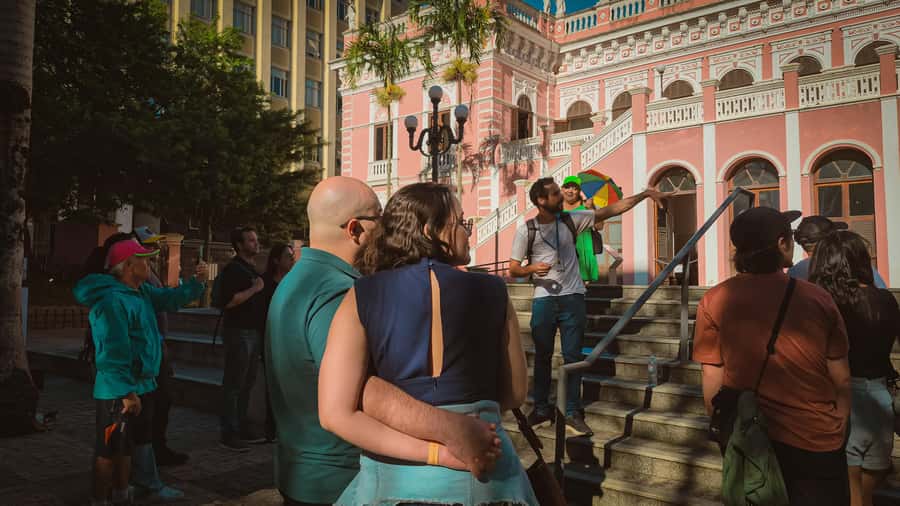
The guide wears a white T-shirt marked The Best of Florianopolis, carries tour credentials, and uses a small colorful umbrella. That is useful in a busy central area, especially if you arrive before the group has gathered.
Rain is not meant to end the outing. Raincoats are provided if needed, but comfortable shoes remain essential. The route is on foot, and the tour lasts around two hours, with the full schedule listed at up to 150 minutes.
The language choice is another plus. You can take the walk in English, Portuguese, or Spanish. This makes it easier to ask questions about sensitive subjects such as slavery, race, class, and colonisation.
Catedral Metropolitana and the first layers of the island
The walk begins in the historic center at Catedral Metropolitana de Florianópolis Nossa Senhora do Desterro e Santa Catarina de Alexandria. The guided visit here lasts about 20 minutes, making it one of the longer early stops.
The cathedral gives the guide a natural place to explain the colonial period and the arrival of Portuguese settlers. The discussion also reaches further back, to the Indigenous groups who occupied Santa Catarina Island before European colonisation.
That order matters. You do not begin with a simplified story that treats Portuguese settlement as the start of everything. Instead, you get a basic timeline for understanding who lived on the island, who arrived later, and how power developed.
Expect the cathedral to be more of a history stop than a long architectural visit. The main value is the context that the guide adds to the building and its place in the city center.
Cruz e Sousa Palace and Praça XV
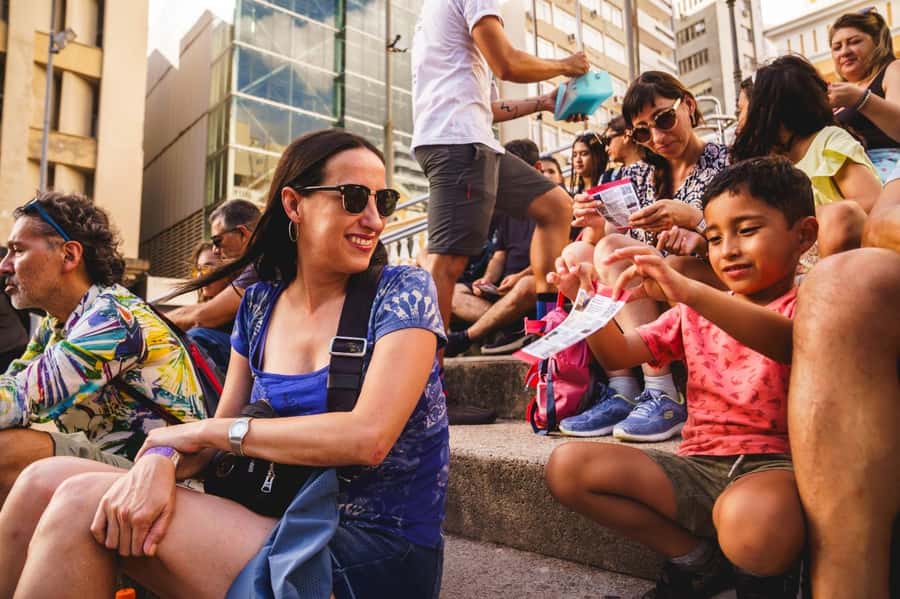
Next comes Cruz e Sousa Palace, with about 10 minutes of guided attention. The building is one of the city’s key historic landmarks, and the stop helps connect architecture with government, status, and the formation of Florianópolis.
The palace is followed by Praça XV de Novembro, another 10-minute stop. This square offers a chance to understand how the old center was organized around public buildings and civic life.
The guide’s job here is not simply to name dates. The broader aim is to show how Brazil and Florianópolis developed through Portuguese control, economic change, and the forced labor of African people.
This part should suit you if you want a clear overview rather than a specialist lecture. The information is delivered in short sections while you move, which keeps the walk from becoming too formal or classroom-like.
More walking tours in Brazil
- Rio de Janeiro: Rocinha Favela Walking Tour with Local Guide
★ 4.8 · 3,052 reviews - Rio De Janeiro: Half-Day Rocinha Favela Walking Tour
★ 4.7 · 2,272 reviews - Sunrise and Sunrise Walk Two Brothers with Local Guide
★ 5.0 · 193 reviews - Rio de Janeiro: Little Africa Heritage Walking Tour
★ 4.9 · 177 reviews
Fernando Machado Square and Black Florianópolis

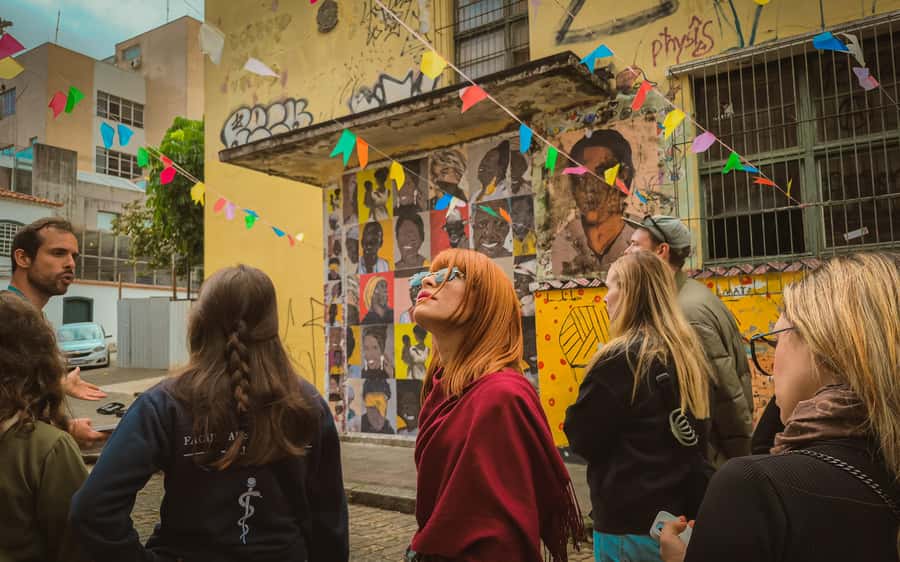
Praça Fernando Machado leads into one of the tour’s most important themes: the history of Florianópolis’s Black community. The route includes landmarks connected with Black life in the city, giving the walk a wider social focus than a standard colonial sightseeing circuit.
This is a valuable feature because old-center tours can easily focus only on grand buildings and Portuguese-era figures. Here, the guide also addresses the people whose labor and presence helped shape the city but are often left out of a polished architectural story.
The tour does not provide a separate list of every Black heritage location, so you should think of this as a guided introduction rather than a full specialist study. Still, the subject gives the walk more substance and helps you read the center with greater care.
For many visitors, this may be the most meaningful part of the experience. The route asks you to connect public spaces with the communities that used them, built the city, and fought to remain visible within it.
The Public Market, where history turns into lunch
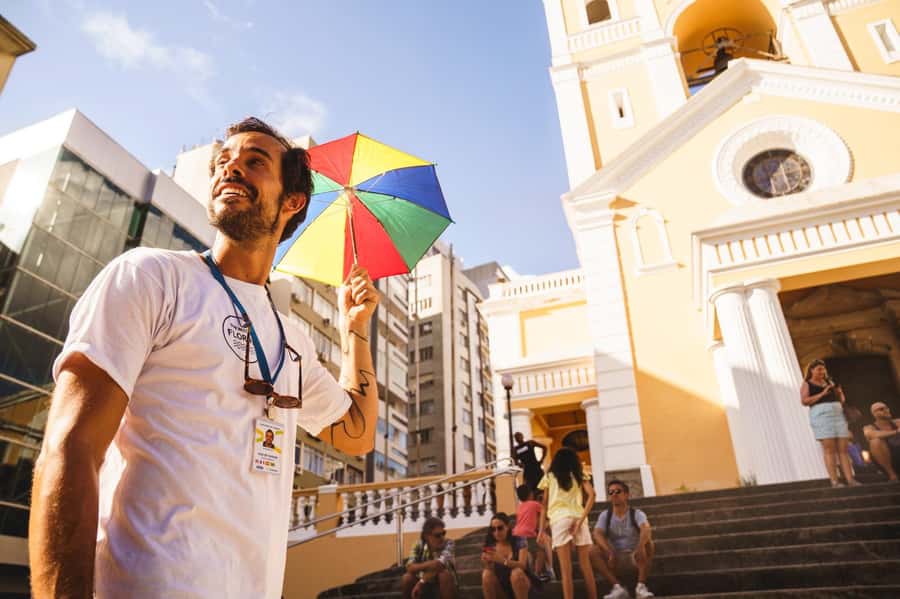
The Mercado Público de Florianópolis receives about 30 minutes of guided time and is the central food stop. This is where the historical walk becomes practical. You can see how the market functions as a place to eat, meet, browse, and get a feel for daily city life.
The planned snacks include pastéis, coxinhas, sugar cane juice, and local beers. These are not included in the $18 price, so bring money if you want to taste along the way. A pint averages around $4.
You may prefer to sample one item rather than turn the stop into a full meal. That gives you room to try something else later, especially since the final bar stop also takes time.
The Public Market is also the finishing point, which makes the tour convenient. You do not have to walk back to the starting café after saying goodbye. If you plan to continue exploring the center, you can do so from the market and use the supplied city map for ideas.
Álvaro de Carvalho Theatre and the city’s arts side
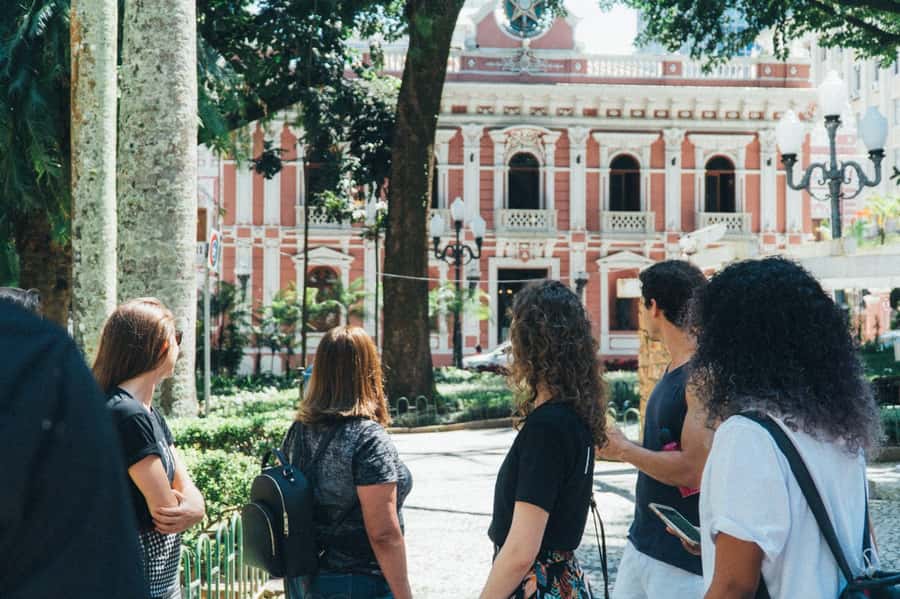
The route then includes Álvaro de Carvalho Theatre, one of Florianópolis’s most attractive monuments. The guided portion lasts around 10 minutes.
This stop adds an arts and performance angle to a walk otherwise focused on government, religion, commerce, and social history. It also shows that the old center is not only about colonial façades. The city’s cultural life has its own place in the story.
Do not expect a full theater performance or an extended interior tour. The value lies in seeing the building as part of the city’s cultural identity and hearing the guide explain why it matters.
The short visit works well in the overall rhythm. After the market’s food and people, the theater provides a quieter architectural pause before the walk continues along the city streets.
Avenida Hercílio Luz and Forte de Santa Bárbara
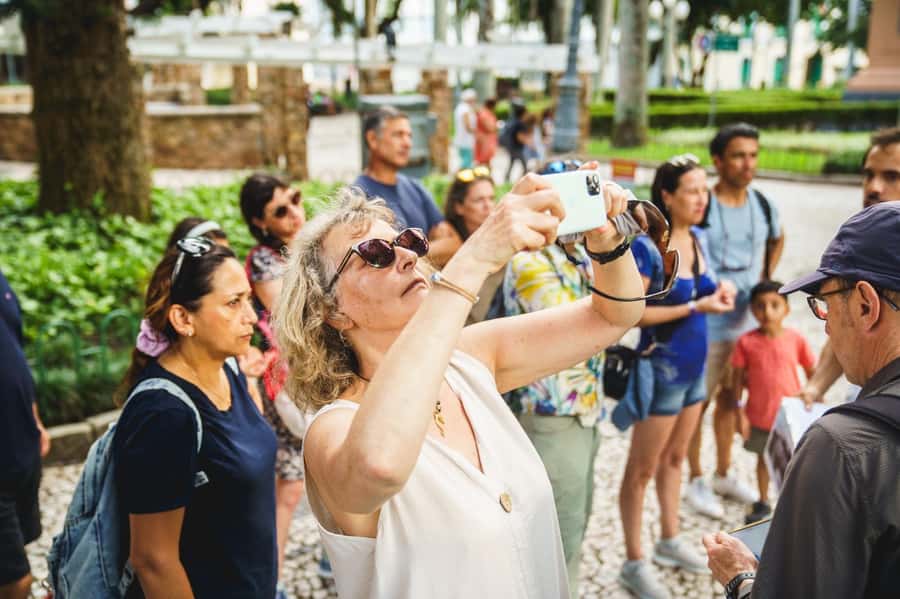
Avenida Hercílio Luz receives roughly 10 minutes of guided attention. The stop helps shift the focus from individual buildings to the way streets and public spaces connect the historic center.
Forte de Santa Bárbara follows, also with about 10 minutes. Its inclusion gives the route a military and defensive layer, showing that the island’s story involved more than churches, palaces, and markets.
Because these stops are brief, you should not book this experience expecting a detailed fortress tour or a long architectural study of the avenue. Think of them as pieces in a larger explanation of how Florianópolis developed and protected its central area.
The advantage is variety. In one outing, you move through religious, political, artistic, commercial, community, and military history. The drawback is that each subject receives only a short introduction.
Bar do Noel and the final local stop
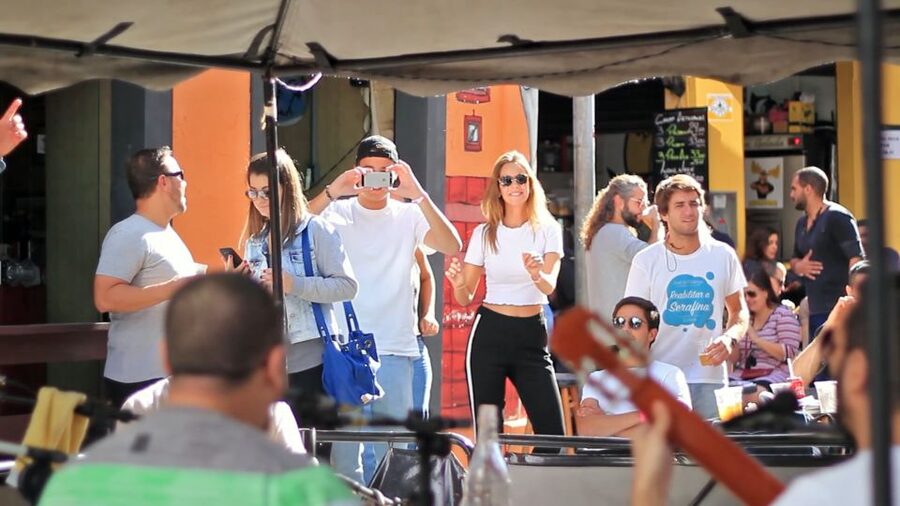
The tour lists about 40 minutes at Bar do Noel, making it the longest individual stop after the market. This is where the social side of the experience becomes most obvious.
You can order drinks and continue the conversation with the guide and the group. Alcoholic beverages are not included, so you pay for anything you choose. Local beer is part of the experience, but you can also simply enjoy the setting and talk with people from different countries.
This final stop is a good match for solo visitors and anyone who wants company after a day of sightseeing. The guide may also suggest other bars and restaurants, and there is a chance to continue socially after the official tour ends.
The group atmosphere is not guaranteed to feel the same every day, of course. Still, the design of the outing encourages conversation rather than a quick photo, explanation, and departure.
What the guide style adds
The strongest praise centers on the guide rather than a single monument. Isaac has been singled out for his strong English, friendly manner, clear explanations, and broad knowledge of Brazilian and Florianópolis history. Other comments describe the tour as organized, interesting, and easy to follow.
That matters because this route covers difficult material in a short time. Indigenous displacement, Portuguese colonisation, African enslavement, and Black community history need careful explanation. A guide who can keep the story clear in English, Portuguese, or Spanish adds real value.
You should still ask questions. The tour appears designed as an overview, not an academic seminar. If a particular subject interests you, use the market or bar stop to request more recommendations and follow-up places to visit.
The city map is useful here. It comes with local suggestions, so you leave with more than a memory of the route. You also have a basic plan for food, drinks, and further exploration.
Timing, cost, and comfort
The listed duration is two hours to 150 minutes. In practical terms, plan for a long two-hour walk, possibly closer to two and a half hours depending on the pace and the food and drink stops.
Wear comfortable shoes and clothes. Even though the route is wheelchair accessible, a central walking tour can still involve sustained movement and outdoor conditions. The provided raincoats help with wet weather, but they do not replace sensible footwear.
At $18 per person, the tour is reasonably priced for a live, multilingual history walk with a market visit and local guidance. Add around $4 for an average pint, plus anything else you eat or drink.
The value is strongest if you are new to Florianópolis and want an introduction that combines history with practical advice. It is less compelling if you only want beach time, a short photo walk, or a fully included food tour.
Who should book this Florianópolis walking tour?
I would suggest this experience to first-time visitors, solo visitors, couples, and anyone who enjoys meeting people while learning how a city developed. It is also a good opening activity because the guide can help you decide what to do afterward.
The tour suits you especially well if you want:
- A short introduction to Florianópolis history
- A route that includes Indigenous, Portuguese, and African perspectives
- Local snacks and beer without committing to a full food tour
- Advice about bars and restaurants
- A central walk in English, Portuguese, or Spanish
- A social setting with an international group
You may want another option if you dislike walking, prefer long visits inside museums, or want every meal and drink included in the booking price. The brief stops cover a lot of ground, so visitors seeking detailed architectural study may find the pace too quick.
Should you book it?
Book this tour if you want Florianópolis explained by a local guide who can connect monuments to the people and forces that shaped the city. The strongest reasons are the clear historical overview, attention to Black heritage, and practical food and bar guidance.
The $18 price is fair, but plan for extra spending at the market and Bar do Noel. Bring comfortable shoes, arrive at Café|Bar do Largo da Alfândega with time for a restroom stop, and allow up to 150 minutes.
For a first day in the city, this is a useful choice. It gives you the old center, a few local flavors, and a friendly way to get your bearings before exploring farther across the island.
FAQ
Where does the Florianópolis walking tour begin?
The tour begins outside Café|Bar do Largo da Alfândega in the historic center. You can buy coffee and use the restroom there before the walk.
Where does the tour finish?
The experience finishes at Mercado Público de Florianópolis.
How long does the tour take?
The advertised duration is two hours to 150 minutes. Plan for roughly two to two and a half hours, depending on the walking pace and stops.
Which languages are available?
The live guide is available in English, Portuguese, and Spanish.
Are food and drinks included?
No. Food and alcoholic beverages are not included. Pastéis, coxinhas, sugar cane juice, and local beer are suggested stops, and an average pint costs around $4.
Is the tour wheelchair accessible?
Yes. The activity is listed as wheelchair accessible. You should also wear comfortable shoes because the route involves walking for around two hours.
Just added in Brazil
- From Puerto Iguazu: Itaipu Dam Tour with Entrance Ticket★ 4.7 · 31 reviews
- From Puerto Iguazu: Secret Falls Adventure★ 5.0 · 5 reviews
- Gramado and Canela private trip with English speaking guide★ 5.0 · 6 reviews
- From Natal: Pipa, Cacimbinhas, And Love Beach Full-Day Tour★ 4.5 · 14 reviews
- From Puerto Iguazú: Brazilian Bird Park Tour with Tickets★ 4.7 · 7 reviews
- from Foz do Iguaçu: Private Tour on Argentinean Falls★ 5.0 · 5 reviews
- From Jericoacoara: Preá Beach and Paradise Lagoon Tour★ 3.8 · 51 reviews
- From Manaus: Negro River Half-Day Trip★ 4.7 · 20 reviews
Walking Tours, compared.

Sunrise and Sunrise Walk Two Brothers with Local Guide
Read our review →
Downtown-Center History Walking Tour – in English
Read our review →
Downtown-Center Walking Tour | 2 Hours – English
Read our review →
Learn the History of Rio with an Unforgettable City Center Walking Tour
Read our review →Browse the lists this tour appears in