
Reviewed · MUSEUMS
Rio de Janeiro: Flamengo Museum Ticket Entrance
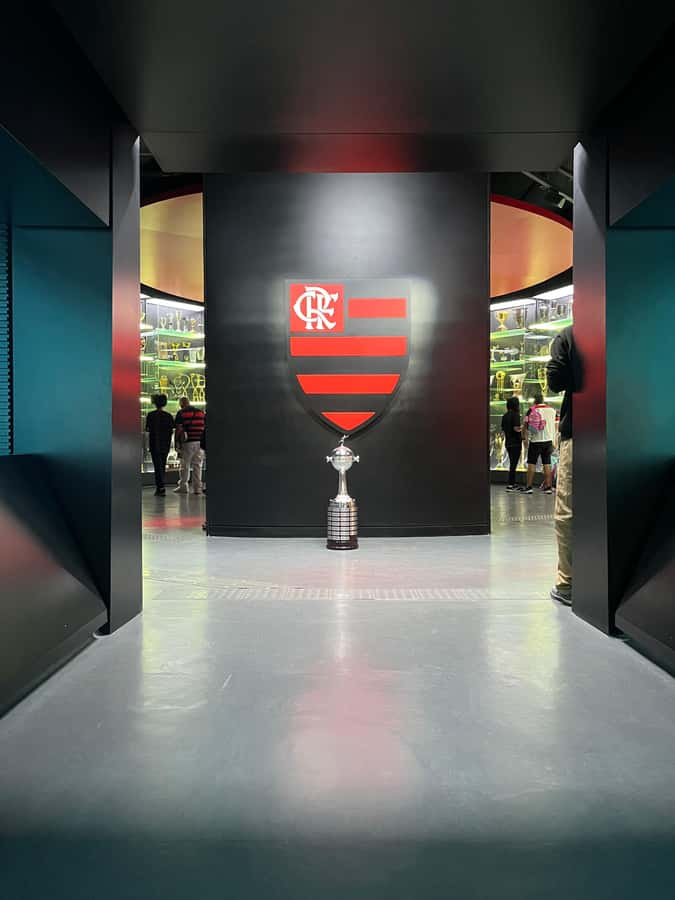
Flamengo’s museum turns club history into a full sensory show. You move from its 1895 sailing-club beginnings through football triumphs, famous idols, trophies, and moments that made the red-and-black colors a national obsession. I especially like the four-floor trophy room and the 14 themed sections, which give the visit more shape than a simple display of shirts and cups.
I also like that the digital guide works in English, Spanish, and Portuguese, making the museum easier to follow if you do not speak Portuguese. The main drawback is simple: this is firmly a Flamengo experience, not a general Rio sports museum, and a visit to the wider Gávea complex is not included.
Key points
- Four floors of trophies give the museum a strong visual center.
- Fourteen themed sections cover Flamengo’s story across sailing and football.
- Giant screens and sensory rooms place you inside key club moments.
- The collection reaches back to 1895, before Flamengo became a football giant.
- Digital guidance is available in English, Spanish, and Portuguese.
- The $18 price is reasonable for fans who want more than a quick stadium photo.
From a sailing club to Brazil’s red-and-black giant
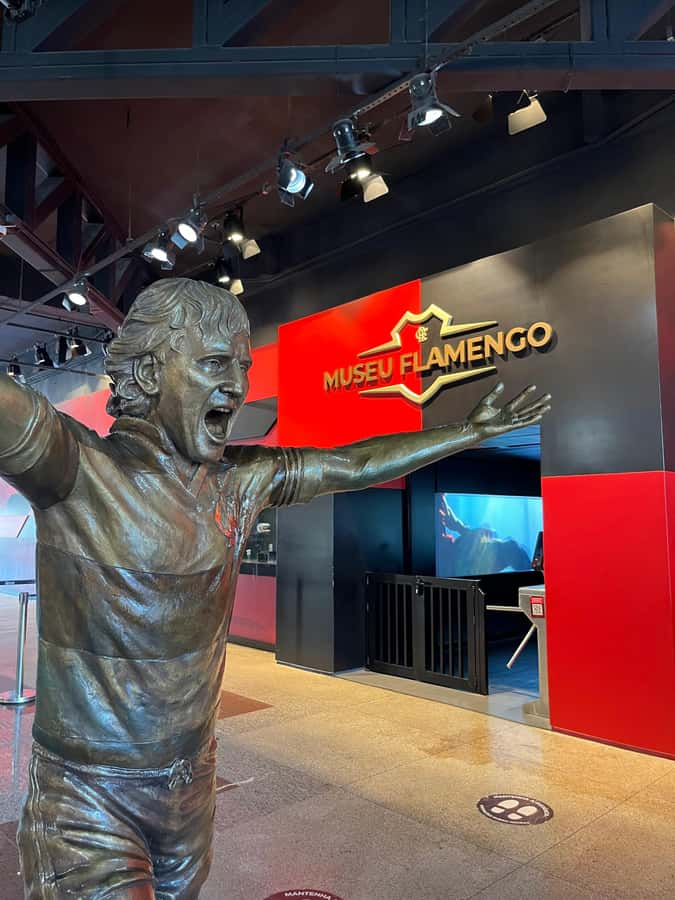
At the Flamengo Museum, you begin with a club that was not originally built around football. Clube de Regatas do Flamengo dates to 1895, when its identity was tied to rowing and sailing. That early chapter matters because it explains why the museum’s story is broader than a parade of football trophies.
As you move through the displays, the club’s growth comes into focus. Flamengo became a major force in Brazilian football, but the museum also keeps attention on idols and achievements from several sports. That makes the visit useful for anyone who knows Flamengo mainly through football and wants a clearer picture of the institution behind the famous shirt.
I like this starting point because it gives the club a sense of time. You are not simply looking at old equipment. You are following a change from a sporting club by the water to one of Brazil’s best-known football names.
The museum’s setting at Flamengo’s headquarters in Gávea adds to that sense of place. Gávea is in Rio’s south, and the museum is not a detached exhibition in an unrelated building. You are visiting the club’s own home, although the ticket does not include a tour of the wider Gávea facilities.
More museums in Rio de Janeiro
- Petrópolis Day Trip from Rio de Janeiro including Imperial Museum and Crystal Palace
★ 4.0 · 101 reviews - Olympic Boulevard, Museum of Tomorrow & Historical Rio
★ 4.5 · 66 reviews - Rio: Olympic Boulevard, AquaRio and Museum of Tomorrow Tour
★ 4.5 · 54 reviews
Four floors of trophies and club history
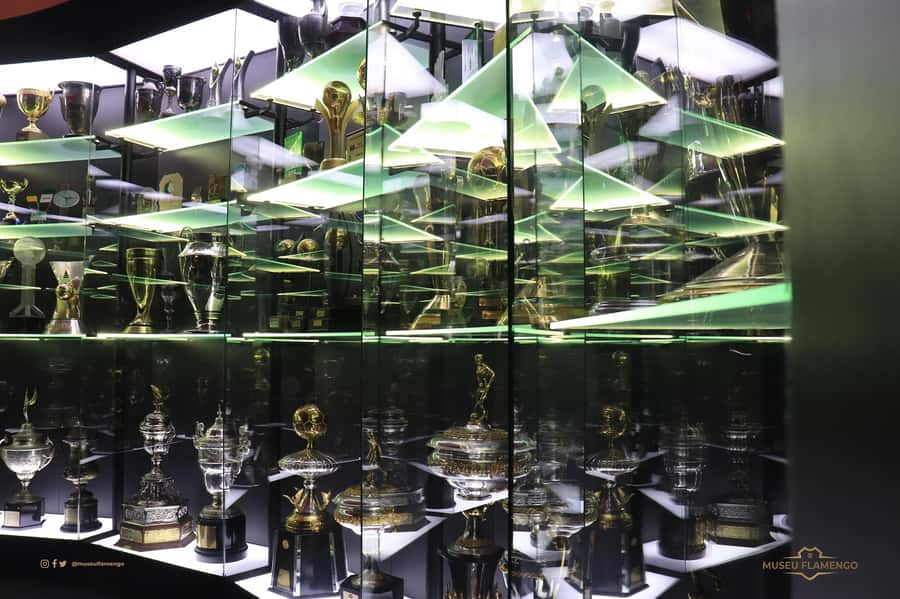
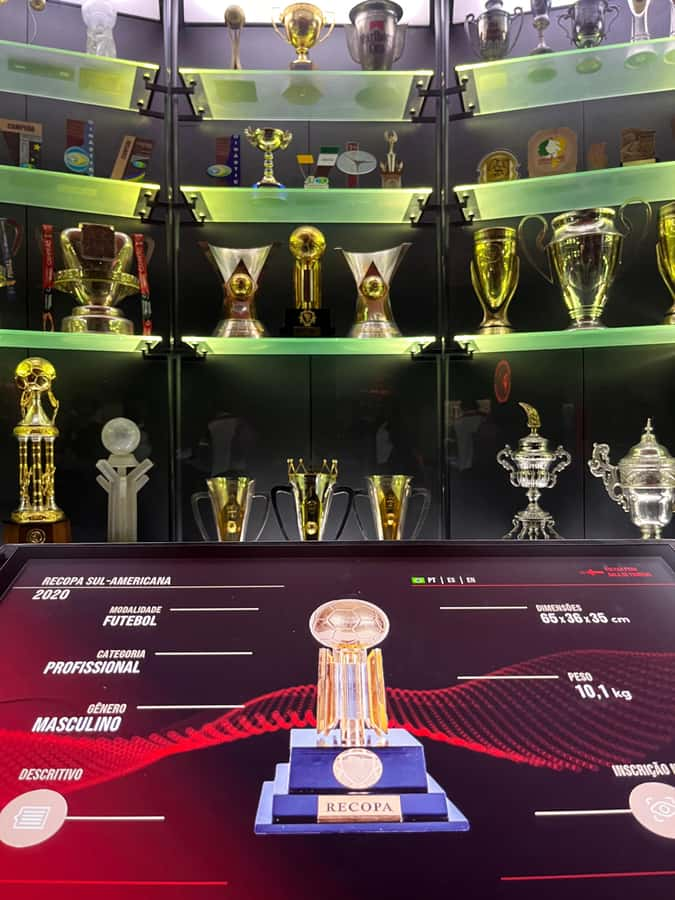
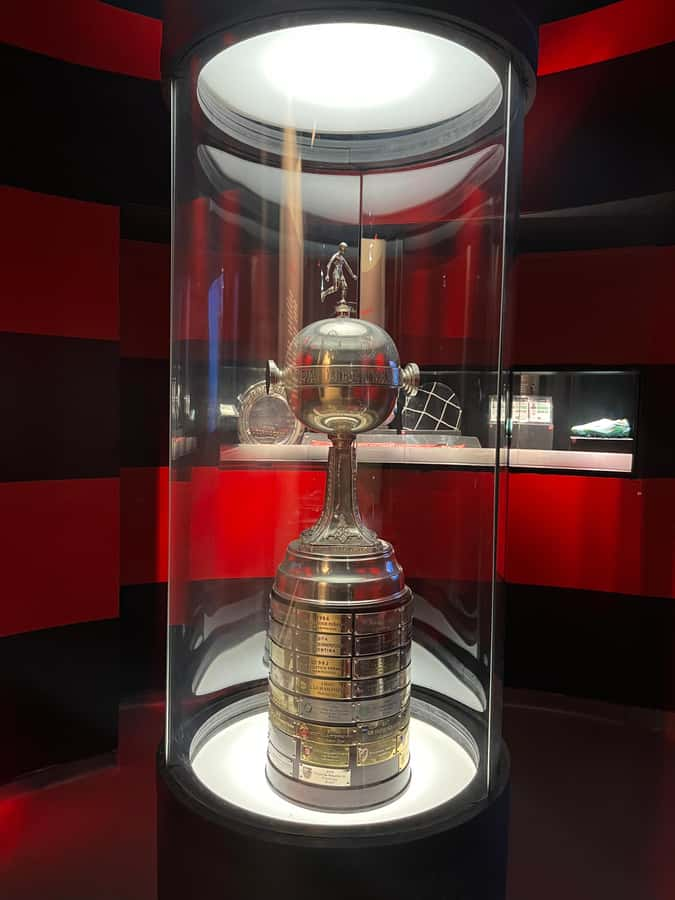
The trophy room is the museum’s clearest visual centerpiece. Spread across four floors, it gives the collection room to breathe and turns the club’s successes into a route rather than one crowded cabinet.
You can expect to see historical objects, sporting memorabilia, and material connected with Flamengo’s major eras. The exact arrangement of every display is not specified, so I would not book this expecting a fixed list of particular cups or match artifacts. The reliable point is the scale: the collection is designed to show the club’s progress over time.
For a supporter, the trophies provide the emotional payoff. For a first-time visitor, they offer a quick way to understand Flamengo’s stature in Brazilian sport. The size of the display also helps explain why the museum is not just a short photo stop. Give yourself time to read, watch, and take in the objects across the different levels.
The trophy room is especially useful if you enjoy seeing original objects rather than only digital presentations. At the same time, the museum does not depend on glass cases alone. Its visual technology gives the visit a more modern pace.
Fourteen sections built around sight and sound
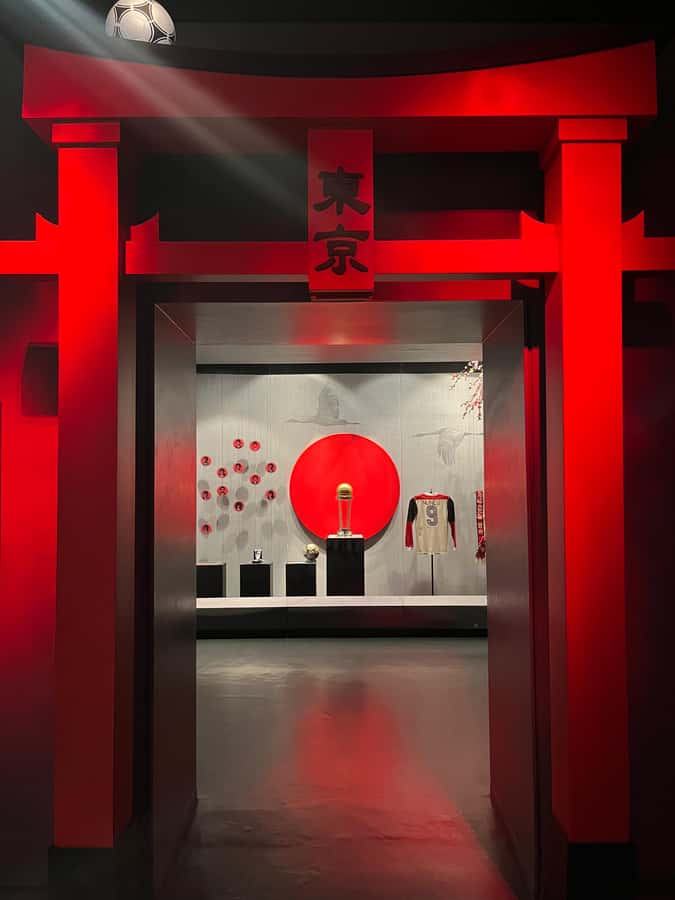
The museum is arranged in 14 themed sections, using giant screens, sensory settings, and interactive spaces. These features are meant to put you near the club’s major moments rather than simply tell you about them in a conventional timeline.
That approach should suit you if you like museums that mix objects with visual storytelling. Giant screens can make famous matches and celebrations feel more immediate, while the sensory rooms add atmosphere to the historical material. The experience is designed to connect you with the feeling of belonging to Flamengo’s huge supporter base.
I would still keep expectations in check. This is not a quiet archive where every item is presented with long academic labels. The emphasis is on emotion, spectacle, and participation. If you prefer detailed historical documents and slow reading, the technology may sometimes feel like it is competing with the objects.
For most visitors, though, the mix gives the museum a useful rhythm. You can move from a historic item to a screen-based presentation, then into a room built around a particular club memory. That variety helps families and mixed groups stay engaged, even when only one person in the group is a committed fan.
Famous Flamengo moments without needing a match ticket
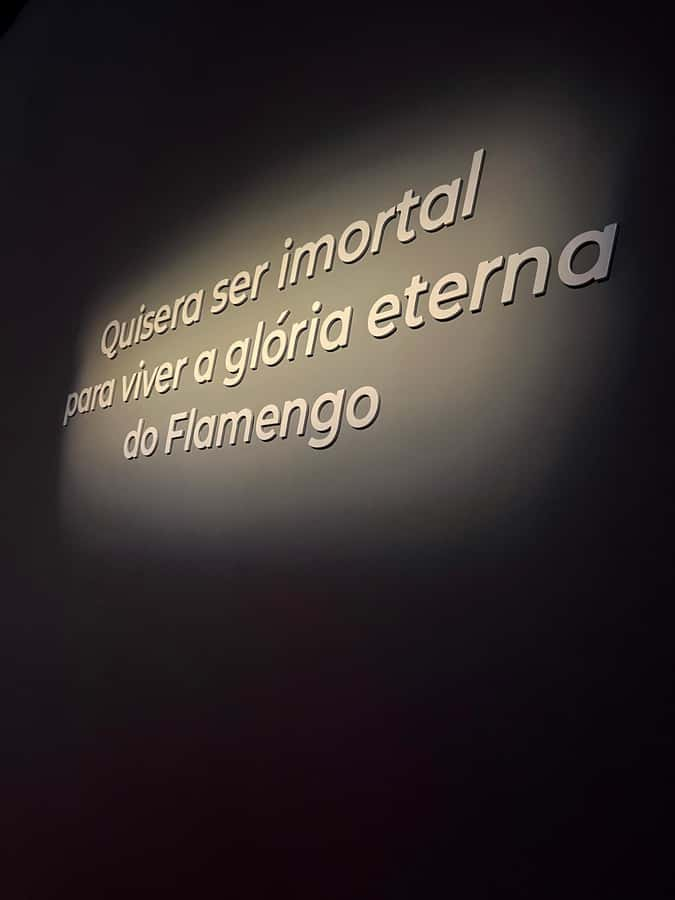
A major benefit of the museum is that you can encounter Flamengo’s most important eras without arranging a match. Tickets for a live game can be difficult to plan around, and a stadium atmosphere depends on the fixture, the crowd, and the date. The museum gives you a more dependable way to connect with the club.
The presentation focuses on iconic and unforgettable moments from Flamengo’s path. You can expect the red-and-black identity to be central, from the visual design to the stories about players and sporting achievements. The material includes idols from several sports, not only football stars.
The published score is 4.7 from 22 ratings, and the strongest praise centers on the emotional quality of the visit, the red-and-black atmosphere, and the chance to see club symbols and history in one place. That matches the museum’s purpose: it is built to make you feel part of Flamengo’s story, not just to provide dates and statistics.
The tradeoff is that the emotional effect will vary. A Flamengo supporter will recognize the meaning behind names, symbols, and turning points more quickly than a neutral visitor. If you have little interest in sport, the museum may feel more like a polished club tribute than a major general museum.
A few more things to do in Rio de Janeiro
- Christ the Redeemer Entry Ticket by Corcovado Train
★ 4.4 · 4,476 reviews - Skip the Line Christ the Redeemer Admission Ticket
★ 4.0 · 508 reviews - Rio de Janeiro: Marine Aquarium Entry Tickets
★ 4.2 · 373 reviews - Rio: Sugarloaf Cable Car and Corcovado Train Tickets
★ 4.0 · 267 reviews
The digital guide helps international visitors
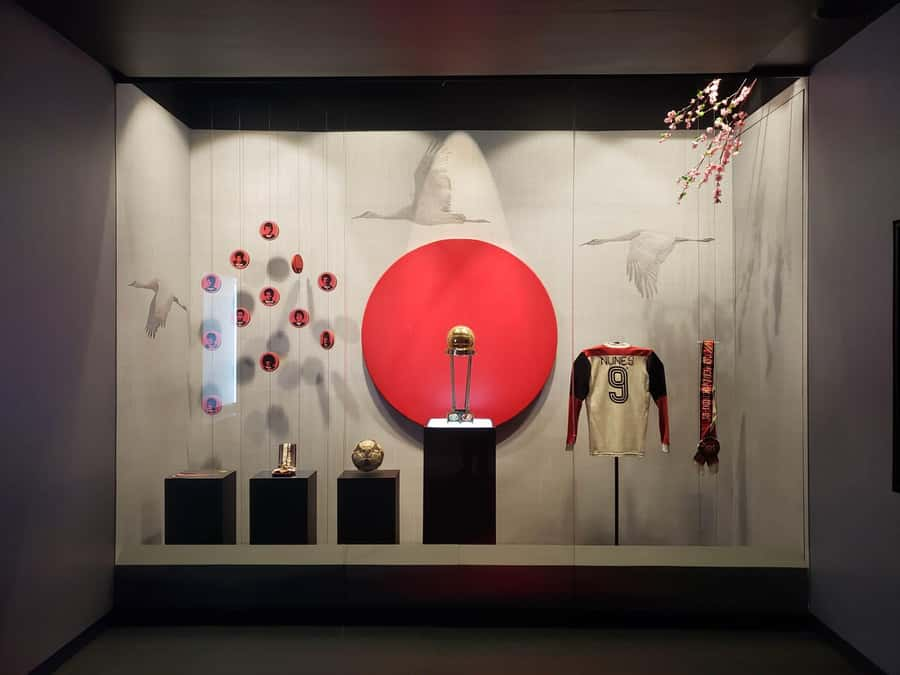
The included digital guide is available in English, Spanish, and Portuguese. This is one of the most practical parts of the ticket for visitors who do not read Portuguese, since the museum’s historical displays and club references may otherwise be harder to follow.
You should still expect Flamengo’s local identity to come through strongly. Translation can explain the content, but it cannot replace knowing why a particular shirt, logo, or celebration matters to supporters. Even so, the three-language option makes the museum far more accessible to an international audience.
No individual guide names are provided, and the experience is not described as a traditional guided tour led continuously by a person. Instead, plan on using the digital guide as you move through the exhibits. Staff instruction may be available in English, Spanish, or Portuguese, but the listed language information refers to the experience and guide rather than a named personal guide.
If you want a fully narrated tour of Gávea, this ticket is not that product. The tour of the wider headquarters is specifically excluded, so keep your expectations focused on the museum itself.
Why the $18 ticket can make sense

At $18 per person, this is not the cheapest possible museum stop in Rio, but the value is fairly clear for the right audience. You are paying for access to a purpose-built club museum with four floors of trophies, 14 themed areas, technology, and a multilingual digital guide.
I see the price as good value if you already follow Flamengo, have attended a match, or want a closer look at one of Brazil’s major sporting identities. It is also a practical option for a day when no suitable match is being played.
The value is weaker if you are only mildly curious about football and are choosing between many Rio attractions. The museum’s focus is narrow by design. It will not give you a broad history of Brazilian sport, and it does not include food, drinks, or a tour of the Gávea headquarters.
The one-day validity gives you flexibility to visit during the available operating window rather than tying the ticket to a long excursion. Starting times depend on availability, so check the schedule before committing your day.
Practical rules that affect your visit
The museum has several firm restrictions. Food, drinks, alcohol, drugs, smoking materials, vaping devices, weapons, sharp objects, glass objects, plastic bags, and scooters are not allowed. Assistance dogs are allowed, but other pets are not.
Sportswear is listed among the prohibited items, which is worth noting because this is a football museum and visitors may assume a team shirt or athletic clothing is always suitable. Check your outfit before arrival if you plan to wear something specifically for the club theme.
Unaccompanied minors are not allowed. Your phone should be on airplane mode or silent, and flash photography and filming are prohibited. Smoking is expressly forbidden inside the museum.
These rules are not minor details if you are planning a family outing or carrying a day bag. Pack lightly, avoid bringing food and drinks, and plan to experience the displays without recording every room. You can still take in the design and collection, but the museum asks you to keep the atmosphere quiet and controlled.
Who will enjoy the Flamengo Museum most
I would choose this experience for:
- Flamengo supporters who want club history beyond a match-day visit
- Football fans interested in Brazil’s most famous club identities
- Visitors curious about how a sailing club became a football powerhouse
- Families with older children who enjoy screens and interactive displays
- International visitors who want guidance in English or Spanish
- Sports fans who cannot fit a live match into their Rio schedule
I would think twice if you want an all-purpose history museum, a stadium tour, or a broad look at Rio’s sports culture. The museum is proudly partisan. That is part of its charm, but also its limit.
The best mindset is to treat it as an official Flamengo home experience. You are coming to understand the club’s symbols, triumphs, idols, and emotional pull. You are not coming for a neutral comparison of Brazilian teams.
Allow time for the collection, not just the photo stops
The museum is valid for one day, but no exact visit length is provided. I would avoid squeezing it into a few rushed minutes. Four floors and 14 sections give you enough material to move at a relaxed pace, especially if you use the digital guide and stop for the screens and sensory environments.
Your pace will depend on your interest. A committed supporter may want to read every panel and revisit favorite moments. A casual visitor can move more quickly, focusing on the trophy room, major screens, and club origins.
There is no food or drink included, and food and drinks are not allowed inside. Plan any refreshment break outside the museum rather than expecting a café stop as part of the visit.
The museum is at Flamengo’s headquarters in Gávea, so plan your transport around reaching that neighborhood. The ticket covers the museum experience, not a separate Gávea tour.
Booking flexibility and language support
Free cancellation is available up to 24 hours before the experience for a full refund. You can also reserve now and pay later, which helps if your Rio schedule is still changing.
That flexibility is useful for a museum visit because the attraction is best fitted around your other plans rather than treated as a full-day guided outing. Check the available start times, then leave enough room to explore without rushing.
Instruction and support are listed in English, Spanish, and Portuguese. The digital guide uses those same languages, giving you a clear option if Portuguese is not comfortable for you.
Should you book this Flamengo experience?
Book it if Flamengo means something to you, or if you want a focused look at the club that goes beyond football headlines. The four-floor trophy room, 14 themed sections, and old-to-new story give the $18 ticket real value for fans. The multilingual digital guide is another strong point for international visitors.
Skip it if you are seeking a general museum, a live football atmosphere, or a tour of the entire Gávea headquarters. For the right audience, though, this is a lively and carefully designed way to understand why Flamengo’s red-and-black colors carry such force in Brazil.
FAQ
Where is the Flamengo Museum?
The museum is at the headquarters of Clube de Regatas do Flamengo in the Gávea neighborhood of Rio de Janeiro’s southern area.
How much does admission cost?
The listed price is $18 per person.
How long is the ticket valid?
The ticket is valid for one day. Available starting times depend on the schedule.
What languages are available?
The digital guide is available in English, Spanish, and Portuguese. The activity also lists English, Spanish, and Portuguese for instruction.
Is a tour of Gávea included?
No. The ticket includes the museum experience, but a tour of Gávea is not included.
Can I cancel for a refund?
Yes. You can cancel up to 24 hours in advance for a full refund.
Are food and drinks allowed inside?
No. Food and drinks are not allowed, and they are not included with the ticket.
Can I take photos or film inside?
Flash photography and filming are not allowed. Your phone should be on airplane mode or silent, and smoking is forbidden inside the museum.
Just added in Rio de Janeiro
- Rio de Janeiro: Zip Lining and Canopy Tree Tour★ 3.3 · 6 reviews
- Vidigal Favela Tour★ 4.4 · 26 reviews
- Rio de Janeiro: Attend a Vasco da Gama game with local guide★ 4.8 · 9 reviews
- Unforgettable Boat Party★ 5.0 · 3 reviews
- Hang gliding flight in Rio de Janeiro★ 5.0 · 6 reviews
- Rio Highlights: Christ, Sugarloaf, and More in a Private Tour★ 5.0 · 36 reviews
- Tijuca Forest Hike – Waterfalls & Caves, Nature & Wild Life!★ 5.0 · 51 reviews
- Tijuca Forest w/ Chinese View,cascatinha Taunay,horto waterfall and parque laje★ 4.5 · 29 reviews
Museums, compared.
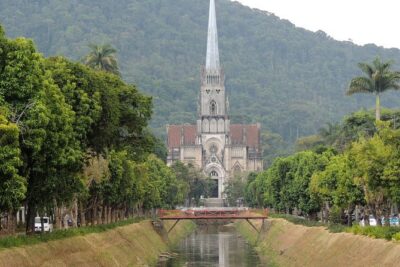
Petrópolis Day Trip from Rio de Janeiro including Imperial Museum and Crystal Palace
Read our review →
7-Hour Shared Group Santos Tour : Mont Serrat, Coffee Museum and Sightseeing
Read our review →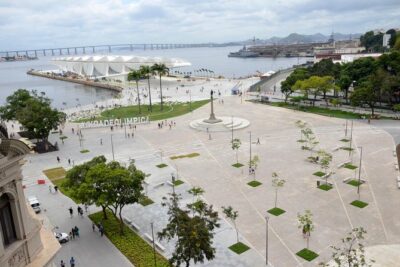
Olympic Boulevard, Museum of Tomorrow & Historical Rio
Read our review →
Olympic Boulevard, AquaRio and Museum of Tomorrow Tour
Read our review →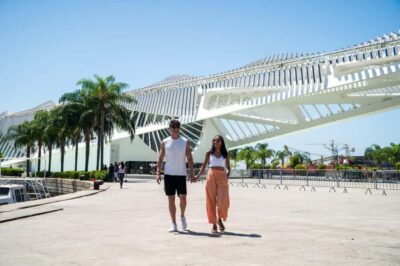
Olympic Boulevard, Museum of Tomorrow & History Tour
Read our review →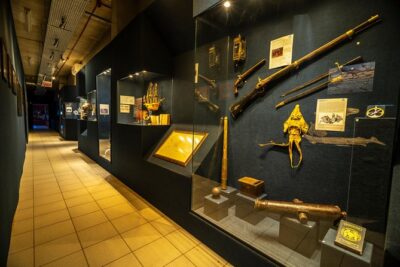
Official Ticket: Oceanographic Museum Univali – Piçarras – SC
Read our review →
Petrópolis Trip with Palace, Imperial Museum & Brewery
Read our review →
Museum of Tomorrow Guided Tour, Admission & Transfer
Read our review →Browse the lists this tour appears in