
Reviewed · WALKING TOURS
Rio de Janeiro: Downtown Walking Tour
Downtown Rio’s old center packs Brazil’s past into a surprisingly compact walk. In four hours, you move from imperial squares and colonial lanes to grand theaters, museums, and the city’s modern political core. XV de Novembro Square and the winding passage beneath the dos Teles Arch give the tour its strongest sense of place.
I like the route for two reasons: it connects history to actual buildings, and it ends near a subway station, so you can keep exploring after the guide leaves. I also like the range of languages and the chance to see both grand public landmarks and smaller architectural details. The main drawback is that the walk is not designed for people with mobility limitations, and the amount of historical detail can depend on your guide.
Key points at a glance
- A five-century route: Follow Rio’s story from the monarchy through the creation of the republic.
- The old and the grand: See Paço Imperial, do Carmo Convent, Candelária Church, and the stately buildings around Cinelandia.
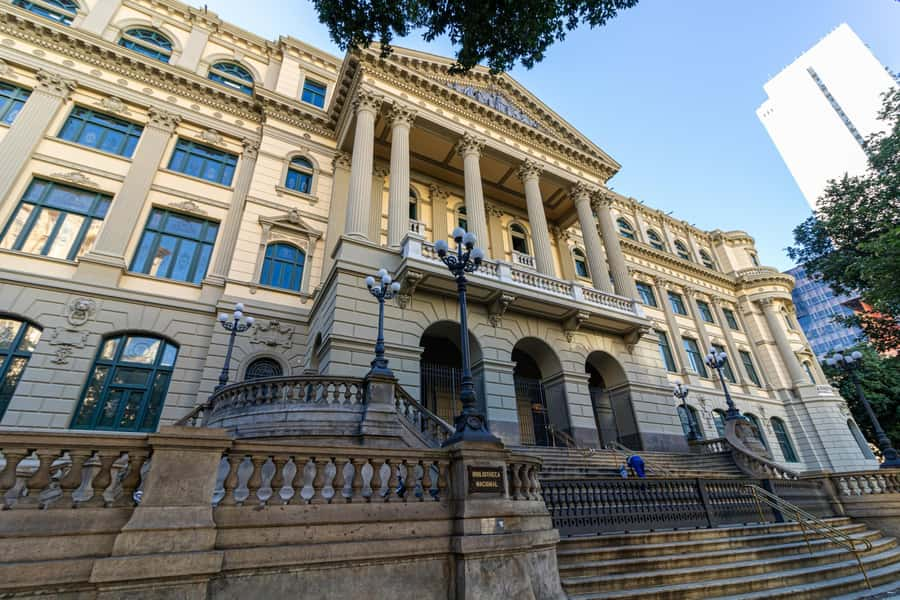
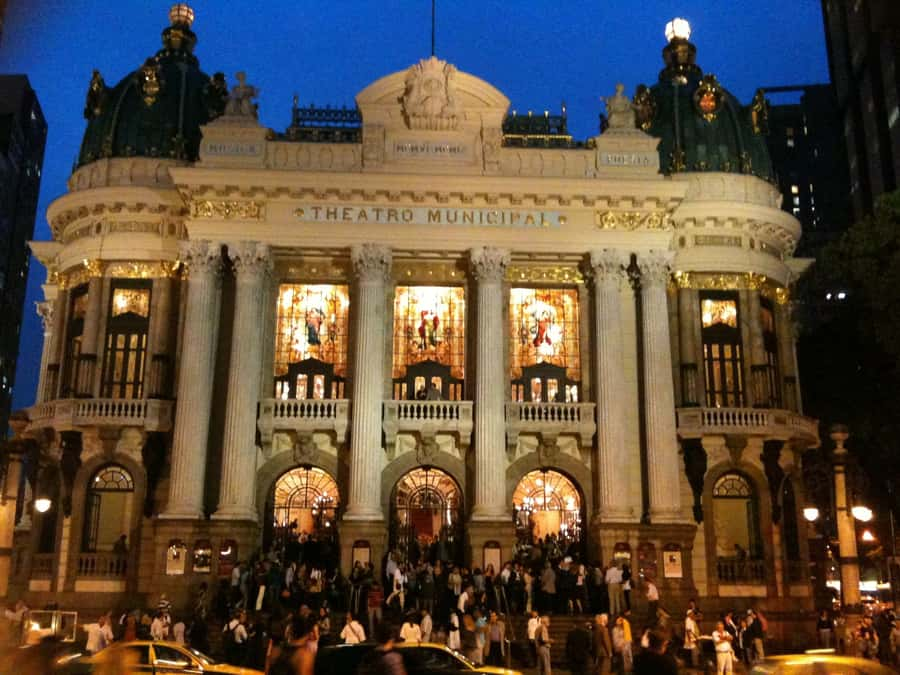
- A striking contrast: Walk from historic streets to the Municipal Theater, National Library, and other grand civic buildings.
- A local food stop: Finish with time for a snack at Colombo Bakery, one of Rio’s best-known landmarks.
- Strong language choice: Tours are offered in Portuguese, Spanish, English, Italian, and French.
- Useful starting point: The tour begins at Atlantico Business Hotel and ends at a Downtown Rio subway station.
Why Downtown Rio deserves a walking tour
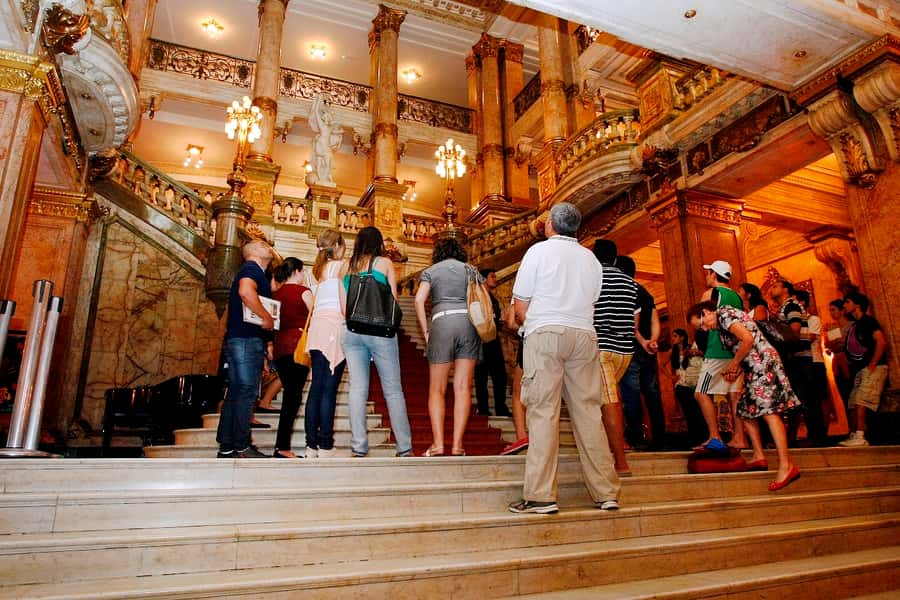
Rio is often sold through beaches, mountains, and sweeping views. Those are important, but they tell only part of the city’s story. Downtown shows how Rio developed as a seat of royal power, a capital, and later a republic.
You walk along old roads bordered by buildings from different periods. Some façades carry the formal style of government and monarchy. Others reflect later civic ambition, when Rio built theaters, libraries, museums, and public squares meant to signal a modern nation.
That mix is the real subject of this tour. You are not simply checking off monuments. You are watching Rio change block by block, from colonial and imperial architecture to the grand civic buildings around Cinelandia.
A guide adds useful context here. Without one, you may see an impressive façade but miss why it mattered, who used it, or how it fit into the city’s political life. The best guides on this route, including Angelica, Antonio, Lavinha, and Renato, have been praised for patient explanations, strong language skills, and personal stories tied to the places you pass.
Still, this is a walking history tour rather than a museum visit. The focus is on seeing the exteriors and understanding the setting. If you want long indoor visits or detailed art interpretation, you may need to add those on your own.
More walking tours in Rio de Janeiro
- Rio de Janeiro: Rocinha Favela Walking Tour with Local Guide
★ 4.8 · 3,052 reviews - Rio De Janeiro: Half-Day Rocinha Favela Walking Tour
★ 4.7 · 2,272 reviews - Sunrise and Sunrise Walk Two Brothers with Local Guide
★ 5.0 · 193 reviews
Starting at XV de Novembro Square
The first major section centers on XV de Novembro Square, a fitting place to begin because it brings together several important chapters of Rio’s past. The square sits in the historic center and is surrounded by buildings linked to the monarchy and the city’s earlier political life.
Here you see the ALERJ building, Paço Imperial, and do Carmo Convent. Each gives the guide a chance to explain a different side of Rio’s development. The appeal is not just the architecture. It is the way these buildings help you picture the old center as a place of ceremony, government, religion, and daily urban life.
Paço Imperial is especially useful for understanding Rio as a royal and imperial city. The ALERJ building adds a political layer, while do Carmo Convent gives the square a religious and historical counterpoint.
I recommend listening for dates, names, and changes in function. Some visitors have found that the tour is strongest when the guide adds stories and explains why a building mattered, while one less satisfied participant wanted more dates and detail about the monuments. That difference tells you something practical: ask questions as you go. Guides are described as patient and willing to explain, so you can help shape the depth of the tour.
The square is also a good place to get your bearings. Downtown can feel visually dense, with streets, façades, traffic, and pedestrians competing for attention. The guide helps arrange it into a readable story.
The dos Teles Arch and Rio’s older street plan
The route then passes through the dos Teles Arch and its winding alleyways. This is one of the more characterful parts of the walk because the scale changes quickly. After the larger square and formal buildings, you move through narrower passages that show a less ceremonial side of old Rio.
The arch and lanes are valuable because they make the city’s age easier to feel. You are not looking only at isolated landmarks. You are following the shape of the older street network and seeing how the historic center developed around tight routes and small connections.
This is also the kind of place where a guide’s local knowledge matters. A short lane can seem ordinary until someone explains its place in the city’s story. The route includes lesser-known corners as well as headline sights, which helps keep the walk from becoming a parade of famous façades.
Wear shoes that can handle four hours on foot. The tour takes place in rain or shine, so a light rain layer or sun protection is sensible, depending on the forecast. Large bags and luggage are not allowed, so leave suitcases at your accommodation rather than arriving with airport baggage.
Candelária Church and the city’s public memory
Candelária Church is another major stop. The guide explains its importance to Rio, giving the route a chance to move from royal and civic power toward religion and public memory.
The church works well in the sequence because you have already seen the older square and lanes. By this point, you can compare different kinds of authority in the historic center: government buildings, religious buildings, and public spaces all sharing the same urban area.
The tour description does not promise an interior visit, so plan on viewing the church as part of the walking route unless your guide says otherwise. That is an important distinction for anyone hoping to spend time inside every landmark.
I like this section because it keeps the tour from becoming architecture only. Buildings matter here not just for their appearance, but for the role they played in Rio’s public life. The strongest guides also add small stories and answer questions, which can make a short stop feel far more meaningful.
More Tours in Brazil
- Rio de Janeiro: 6-Stop Highlights of Rio with Lunch
★ 4.4 · 5,157 reviews - Christ the Redeemer Entry Ticket by Corcovado Train
★ 4.4 · 4,476 reviews - Rio: Christ the Redeemer, Sugarloaf, Selaron & BBQ Lunch
★ 4.5 · 2,428 reviews - Rio de Janeiro: Angra dos Reis and Ilha Grande Full-Day Tour
★ 4.6 · 1,673 reviews
CCBB, where history meets culture
The next stop is the Banco do Brasil Cultural Center, known locally as CCBB. The tour points out architectural details and introduces this cultural building as one of Downtown Rio’s less obvious treasures.
CCBB is a useful bridge between the old center and present-day Rio. You see how a historic structure can continue to matter through culture and public use. The route does not list a full exhibition visit, so do not book this walk expecting a long gallery session. Instead, think of CCBB as an architectural and cultural stop within a larger city walk.
This part also shows the advantage of moving through Downtown with a local guide. You get a quick introduction to a place you might otherwise pass without understanding. If you have extra time after the tour, you can decide for yourself if you want to return and explore further.
The guide’s language may shape your experience. Portuguese, Spanish, English, Italian, and French are offered. Angelica received special praise for her Italian and for sharing Brazilian culture with warmth. Renato was praised for clear Spanish and punctuality, while Antonio was described as especially good at connecting history to less familiar corners. Those names may not be available on every departure, but they show the level of guide-led interpretation the experience can provide.
From old streets to Cinelandia Square
The walk toward Cinelandia creates the tour’s clearest contrast. You leave the older streets and approach a broad civic area lined with major cultural and political buildings.
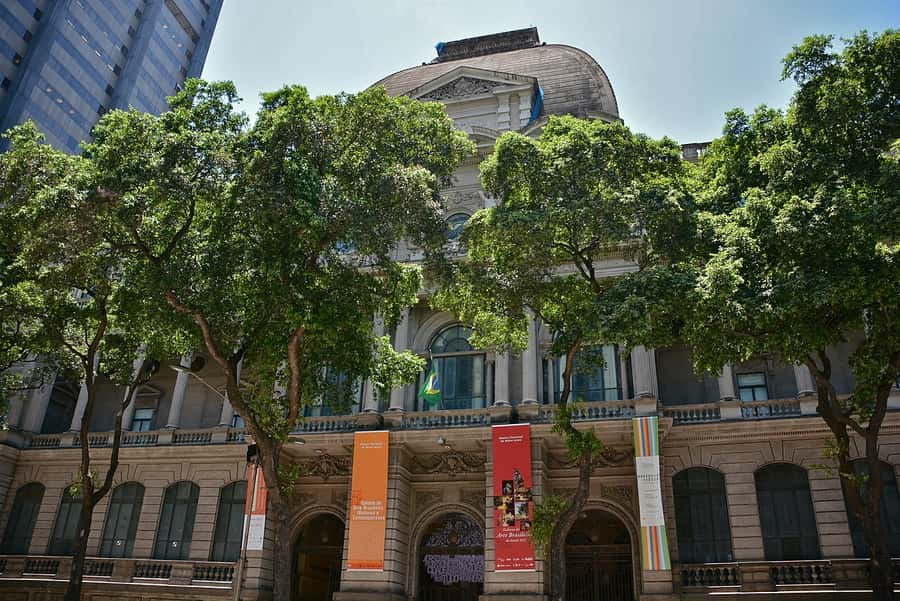
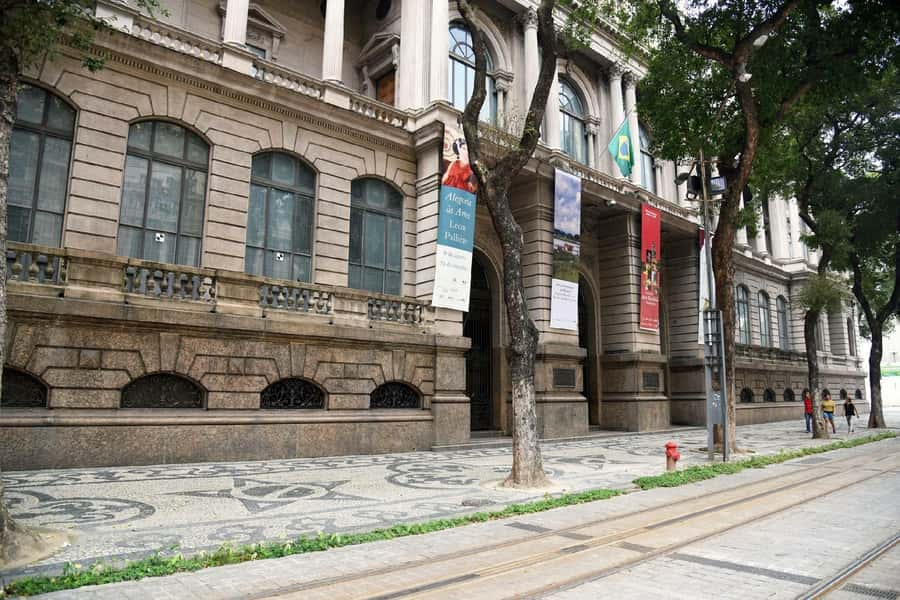
Cinelandia Square is surrounded by the Municipal Theater of Rio de Janeiro, the National Library of Brazil, the National Museum of Fine Arts, and the City Council of Rio de Janeiro. Together, these buildings show Rio presenting itself as a modern capital with serious ambitions in theater, books, art, and government.
This is likely to be the most visually impressive portion of the walk. The buildings have a formal scale that differs sharply from the tighter lanes near XV de Novembro Square. I like that the itinerary does not treat old Rio and modern Rio as separate attractions. You see the contrast in one continuous route.
The tradeoff is that a four-hour walk covers a lot. You will receive explanations at several sites, but you should not expect a long, detailed tour of every building. If one landmark catches your eye, make a note of it and return later. The subway finish makes that easy.
Traffic and crowds can also slow the route, especially during high season. The tour may take longer than four hours when Downtown is busy. Keep that in mind if you have a flight, dinner booking, or timed attraction afterward.
A sweet finish at Colombo Bakery
The final landmark is Colombo Bakery, one of Rio’s best-known architectural and food stops. The tour includes time for a snack, but food and drinks are not included in the price.
That arrangement gives you flexibility. You can buy something that appeals to you rather than paying for a fixed meal, but you should bring extra money if you want to eat there. The bakery is valuable as more than a refreshment stop. Its architecture adds another layer to the route and gives you a chance to pause after several hours of walking.
I would treat this as a light snack break, not a full lunch plan. The information provided does not specify a menu, included item, or set amount of time. If you need a substantial meal, plan one separately.
Ending at Colombo Bakery also gives the tour a pleasant change of pace. After churches, civic buildings, and political history, you finish with a familiar part of city life: a historic food institution still used as a social meeting place.
Finishing near the Downtown subway
The tour ends at a subway station in Downtown Rio. You can use the station to return to your hotel or continue exploring the center independently.
A subway ticket is not included. The stated cost is BRL 15 roundtrip per person if needed, so carry funds for transport. Hotel pickup and drop-off are also not included. You make your own way to the meeting point at Atlantico Business Hotel, at Rua Senador Dantas, 25, Centro.
Arrive 15 minutes early. The guide will call you by name at the meeting point, which is useful in a busy city, but you still need to allow time to find the hotel and reach the correct spot. Contact the operator if you need directions.
The subway finish is one of the tour’s practical strengths. You are not dropped back at the starting point and left to work out your next move. Instead, you finish in a central area with an obvious transport option and the freedom to keep seeing Rio.
Price, pace, and what you receive for $47
At $47 per person, this is not the cheapest way to walk through Downtown Rio. You are paying for a four-hour guided route, multilingual service, and historical interpretation across many major landmarks.
The value depends on how much context you want. If you are happy to read signs, follow a map, and research buildings yourself, a self-guided walk will cost less. If you want someone to organize the route, explain the links between places, answer questions, and help you notice details, the price is easier to justify.
The tour also covers a broad area. You see religious, political, cultural, and food landmarks in one morning or afternoon. That saves planning time and gives you a useful first look at Downtown before deciding where to return.
The main uncertainty is depth. Most of the feedback is very positive about guide attitude, language ability, patience, and enthusiasm. One weaker assessment found the historical information too thin, especially for dates and events connected to particular buildings. I would book this tour for a clear introduction rather than a specialist architectural study.
The free cancellation policy allows cancellation up to 24 hours before the activity for a full refund. You can also reserve and pay later, which helps if your Rio plans are still shifting.
Who should book this walk?
I recommend it to first-time visitors who want to understand Rio beyond its famous beaches. It is also a good choice if you enjoy architecture, public squares, political history, and city stories delivered while you walk.
You will get the most from it if you ask questions and stay engaged. Ask your guide to explain dates, building changes, and local stories when you want more detail. The guides have been especially praised for kindness, patience, and communication, so the format works well for curious visitors who prefer conversation to a recorded audio guide.
This is less suitable if you have mobility impairments or use a wheelchair. The experience is a four-hour walk and is specifically marked as unsuitable for wheelchair users. It also does not work well if you are carrying luggage or large bags.
Bring comfortable shoes and a passport or ID card. A copy of your identification is accepted. Since the tour runs rain or shine, check the weather and dress for the conditions.
Should you book the Downtown Rio walking tour?
Book it if you want a well-organized introduction to Rio’s historic center, especially if you value a guide who can connect buildings to Brazilian history. The route has real variety: imperial squares, narrow lanes, a church, CCBB, major cultural institutions, a famous bakery, and a subway finish.
I would skip it if your priority is beach time, mountain views, or long interior visits. I would also choose another plan if you need a fully accessible route or a tightly timed four-hour schedule during high season.
For most able-bodied visitors with an interest in cities, this is a useful first look at Downtown Rio. Go in expecting a brisk, information-led walk rather than a slow museum tour. Ask questions, wear good shoes, and leave room in your day for delays caused by traffic and crowds.
FAQ
How long does the Downtown Rio walking tour last?
The tour lasts four hours, although it can take longer during high season because of traffic and the large number of people in the city.
Where does the tour meet?
The meeting point is Atlantico Business Hotel at Rua Senador Dantas, 25, Centro, Downtown Rio de Janeiro.
How early should I arrive?
Arrive 15 minutes before the scheduled start time. The guide will call you by name at the meeting point.
Is hotel pickup included?
No. Hotel pickup and drop-off are not included, so you must travel to the meeting point yourself.
Which languages are available?
The tour is offered in Portuguese, Spanish, English, Italian, and French.
Does the tour include food and drinks?
No. Food and drinks are not included, although the route includes time for a snack at Colombo Bakery.
Is the subway ticket included?
No. If you need one, the stated cost is BRL 15 roundtrip per person.
What should I bring?
Bring comfortable shoes and a passport or ID card. A copy of your identification is accepted.
Can I bring luggage or a large bag?
No. Luggage and large bags are not allowed on the tour.
Is the tour suitable for wheelchair users?
No. The activity is not suitable for wheelchair users or people with mobility impairments.
Just added in Rio de Janeiro
- Rio de Janeiro: Zip Lining and Canopy Tree Tour★ 3.3 · 6 reviews
- Vidigal Favela Tour★ 4.4 · 26 reviews
- Rio de Janeiro: Attend a Vasco da Gama game with local guide★ 4.8 · 9 reviews
- Unforgettable Boat Party★ 5.0 · 3 reviews
- Hang gliding flight in Rio de Janeiro★ 5.0 · 6 reviews
- Rio Highlights: Christ, Sugarloaf, and More in a Private Tour★ 5.0 · 36 reviews
- Tijuca Forest Hike – Waterfalls & Caves, Nature & Wild Life!★ 5.0 · 51 reviews
- Rocinha Walking Tour: Get a Feel for the Brazil’s Largest Favela (Shared Group)★ 5.0 · 37 reviews
Walking Tours, compared.



Sunrise and Sunrise Walk Two Brothers with Local Guide
Read our review →
Downtown-Center History Walking Tour – in English
Read our review →
Downtown-Center Walking Tour | 2 Hours – English
Read our review →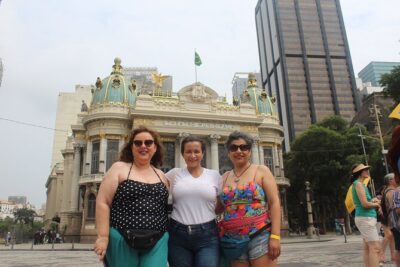
Learn the History of Rio with an Unforgettable City Center Walking Tour
Read our review →Browse the lists this tour appears in