
Reviewed · WALKING TOURS
Sao Paulo: Downtown-Center Walking Tour | 2 Hours – English
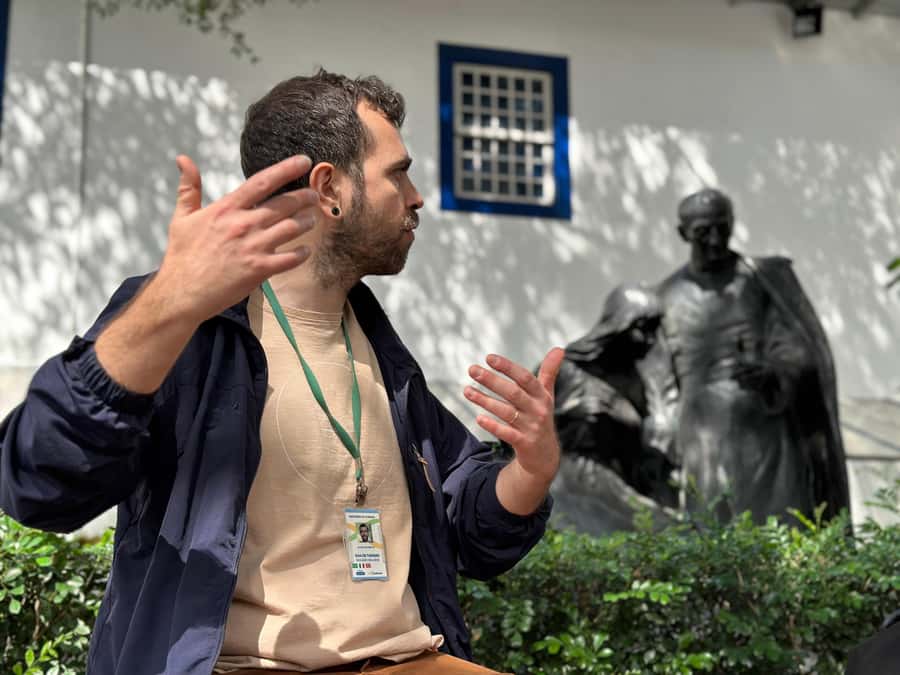
São Paulo’s center makes the most sense when you read its buildings as a city story. On this two-hour walk, you move from the Copan Building and early skyscrapers to Jesuit roots, immigrant districts, grand churches, banks, and the Japanese quarter of Liberdade. The architecture does the talking, but guide Giuliano adds the social context that keeps the tour from becoming a dry list of dates.
I like the small group limit of 10, which gives you room to ask questions and keeps the walk personal. I also like the way the route connects São Paulo’s many communities, including Italian, Japanese, Syrian-Lebanese, Indigenous, and Portuguese influences. The main consideration is pace: ten stops in two hours means short visits, not long indoor explorations, and the tour starts strictly on time.
Key points at a glance
- Copan begins the story with modern São Paulo: See one of the city’s best-known early skyscrapers and learn how the center grew upward.
- The route links architecture with people: Churches, banks, galleries, and immigrant communities help explain how São Paulo changed.
- Galeria do Rock adds a different side of downtown: Allow time for shops, music culture, color, and local character.
- Giuliano offers practical city advice: Past participants received suggestions for vegetarian food and places to explore after the walk.
- The two-hour format works well early in a stay: You finish in Liberdade with a useful sense of direction for later sightseeing.
- Bring sun protection and rain gear: São Paulo weather can turn quickly, and the walk continues outdoors.
Why this two-hour walk is a useful first look at São Paulo
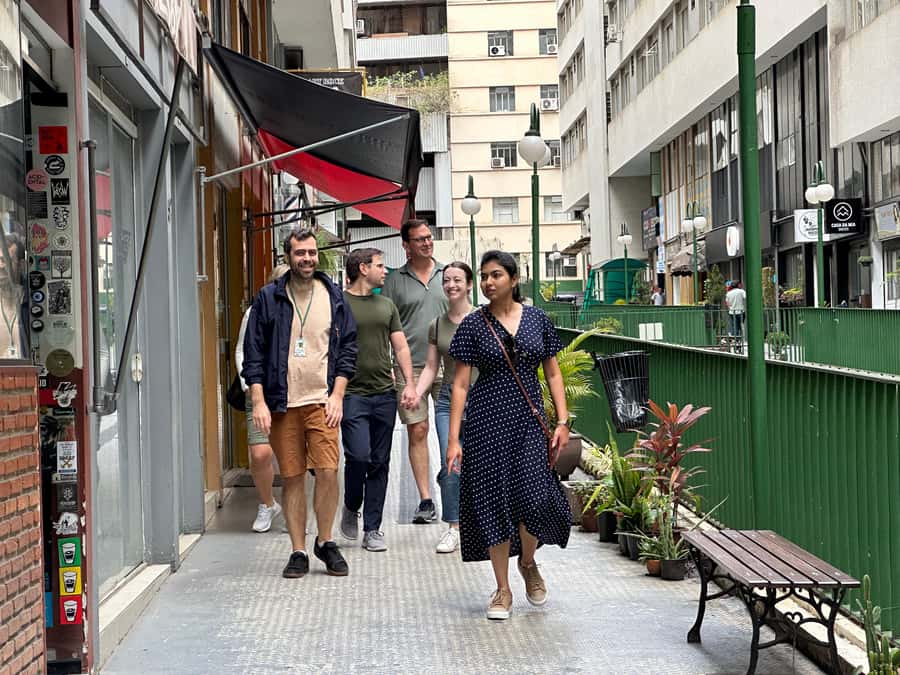
São Paulo can feel too large to grasp from a taxi window. This route gives you a compact introduction to the city center, where one block may hold a modern tower, a Baroque church, a bank building, a shopping gallery, and a street shaped by immigration.
I like that the tour does not treat São Paulo as only a modern business city. You hear about the Tupi nation that existed before European settlement, the old South American paths that crossed the region, the work of Jesuits and conquerors, and the arrival of migrants who helped shape present-day neighborhoods.
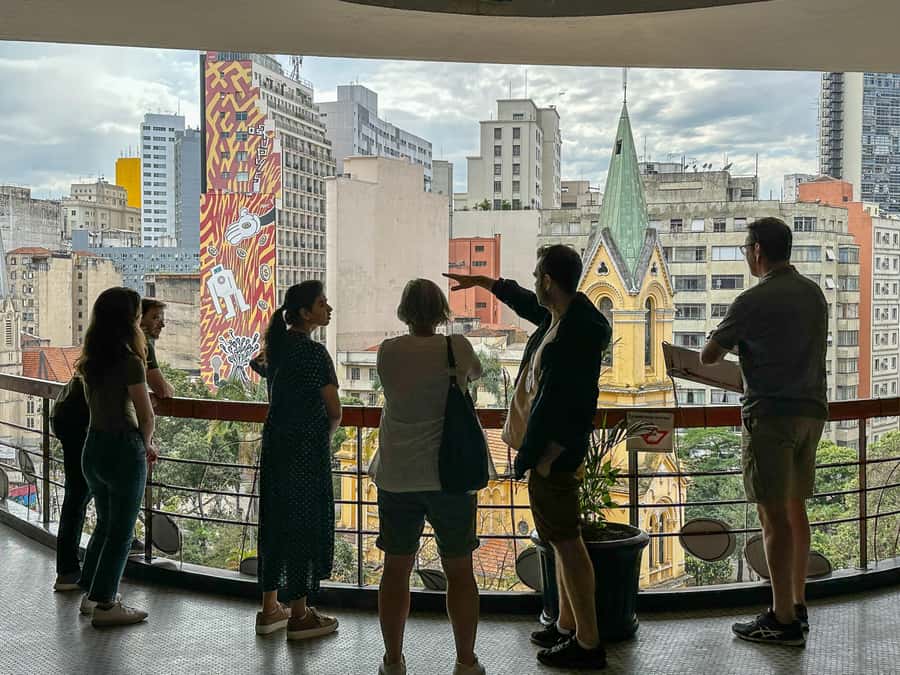
The route also explains change. São Paulo grew from a much smaller settlement into a huge metropolis, and the walk uses its buildings to show that shift. You get a look at early vertical construction, historic religious sites, cultural centers, and public spaces that still matter to residents.
At $37 per person, the price is reasonable if you want a guided introduction rather than a self-guided stroll. You are paying for two hours with a licensed English-speaking guide and a group capped at 10. You are not paying for transport, food, drinks, or a series of long museum visits, so the value rests on the guide’s explanation and the range of stops.
That makes this a good first or second activity in São Paulo. You can use Giuliano’s recommendations to plan the rest of your stay, including food options and areas worth returning to at a slower pace.
More walking tours in São Paulo
- Sao Paulo: Downtown-Center History Walking Tour – in English
★ 5.0 · 91 reviews - Ecological walk in sao paulo
★ 5.0 · 61 reviews - Rio de Janeiro: Rocinha Favela Walking Tour with Local Guide
★ 4.8 · 3,052 reviews
Starting at Edifício Itália and the Copan Building
The meeting point is at the entrance of Edifício Itália on Avenida Ipiranga, number 336. You need to arrive ready to go because the tour starts strictly on time. If you are unfamiliar with downtown São Paulo, allow extra time to reach the building and locate the entrance.
The first major stop is the Copan Building, one of the city’s famous early skyscrapers. The visit is scheduled for about 10 minutes, so expect an introduction and a look at the building rather than a long architectural tour.
Copan helps set up one of the walk’s main ideas: São Paulo’s past is not confined to colonial churches. The city’s twentieth-century growth changed the skyline, and buildings such as Copan show how quickly the center developed upward.
This short stop is useful even if you already know the building from photographs. A guide can explain its place within the city’s growth and point out how modern São Paulo sits beside older religious and civic structures.
Galeria Metrópole and downtown’s indoor city life
The next stop is Galeria Metrópole, with about 10 minutes scheduled. Galleries are an important part of central São Paulo, offering a different type of public space from a church, plaza, or formal cultural center.
You should think of this as a quick taste of downtown life rather than a shopping session. The tight schedule gives you enough time to see the character of the place and understand how galleries fit into the center’s daily rhythm, but not enough time for browsing every shop.
This is one reason comfortable shoes matter. The route moves through several distinct settings, and the experience works best when you stay alert to small details instead of expecting a long stop at each address.
Galeria do Rock, where the route gets more colorful
Galeria do Rock receives the longest scheduled visit so far, about 20 minutes. It brings a lively, youthful layer to the walk and helps show that downtown São Paulo is not only about old churches and office towers.
You can expect a look at shops, fashion, music culture, and the building’s strong visual character. The stop gives the tour some variety after the architectural opening, and it is a good place to notice how local culture uses commercial spaces.
I would enjoy this part most with a little freedom to look around. Still, 20 minutes is enough for an introduction, not a full shopping stop. If you find something you want to explore at length, make a note and return later.
More two-hour tours in São Paulo
- Rio de Janeiro: 2-Hour Boat Trip with Parasailing
★ 4.8 · 53 reviews
The Municipal Theatre and the city’s grand public face
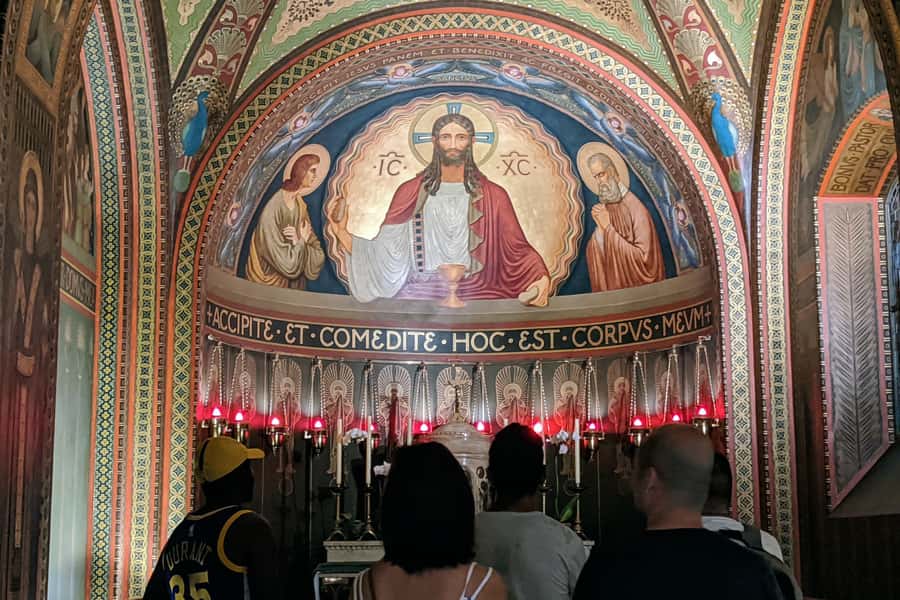
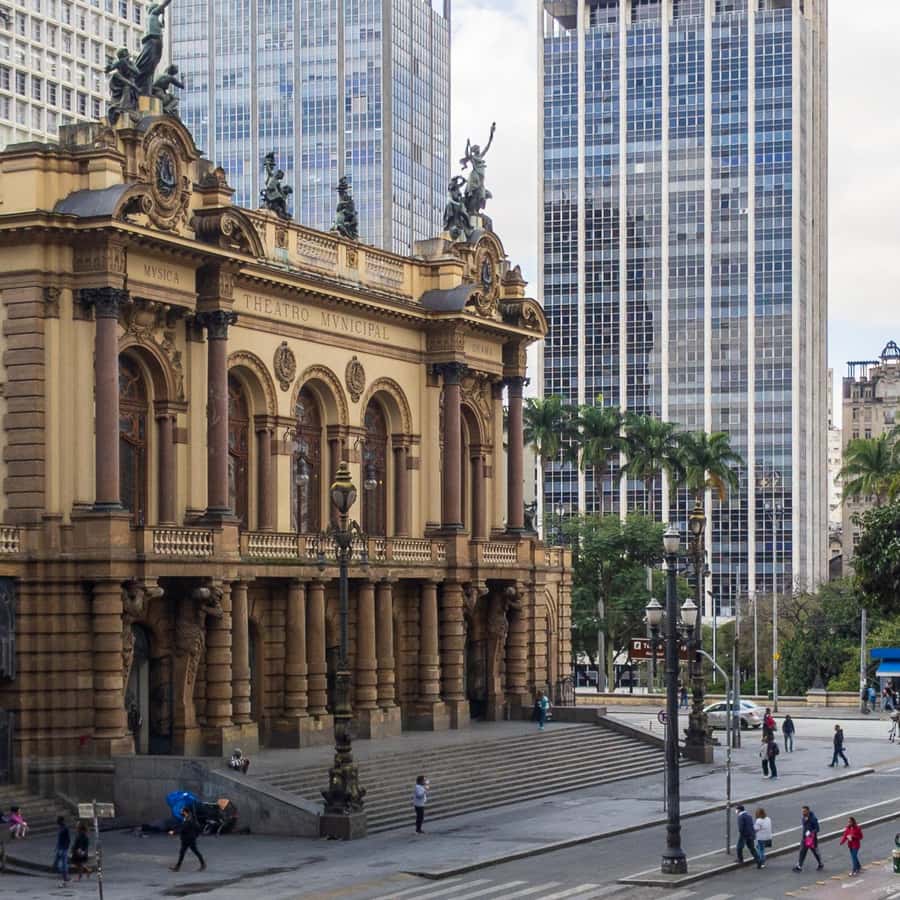
The Municipal Theatre of São Paulo is another short visit, scheduled for about 10 minutes. Its role on the route is to show the formal side of the center, where architecture, music, public life, and civic ambition meet.
The contrast with Galeria do Rock is useful. In a short distance, you move from an informal commercial and music-focused space to a grand cultural building. That contrast helps explain why São Paulo can feel like several cities at once.
Since the itinerary allows only a brief stop, do not book this tour expecting a full performance venue visit or an extended interior tour. The value here is the guide’s explanation and the chance to place the theatre within the wider story of the center.
São Francisco and São Bento: two different views of faith
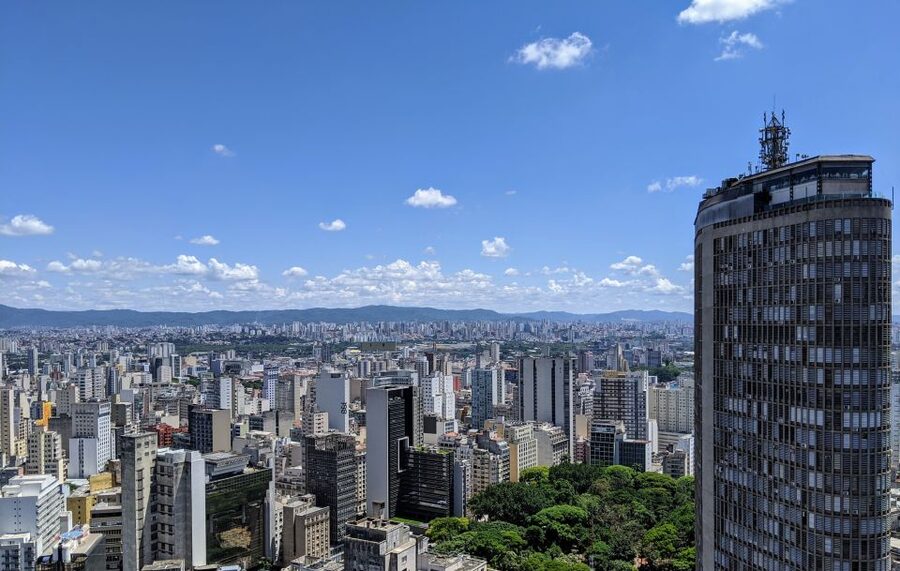
The route then turns to the Paróquia São Francisco de Assis for about 20 minutes. This is one of the longer stops, and it gives the religious history of downtown room to breathe.
The church represents the older foundations of São Paulo, before the city became known for high-rises, finance, and a huge commuter population. The guide connects religious institutions with the broader work of Jesuits and early settlers, while also placing those events alongside the Indigenous communities that lived here before European control.
Next comes Mosteiro de São Bento, with about 15 minutes scheduled. São Bento adds another important religious building to the route, but the point is not simply to count churches. Together, these stops show how faith, education, power, and settlement shaped the center.
If you care about church interiors, ask the guide what you will be able to enter during your departure time. The supplied details promise visits, but they do not specify admission arrangements or interior access at every stop. Treat the route as a guided outdoor and architectural overview with selected visits, not as a guaranteed series of long indoor tours.
Banco do Brasil and Pateo do Collegio
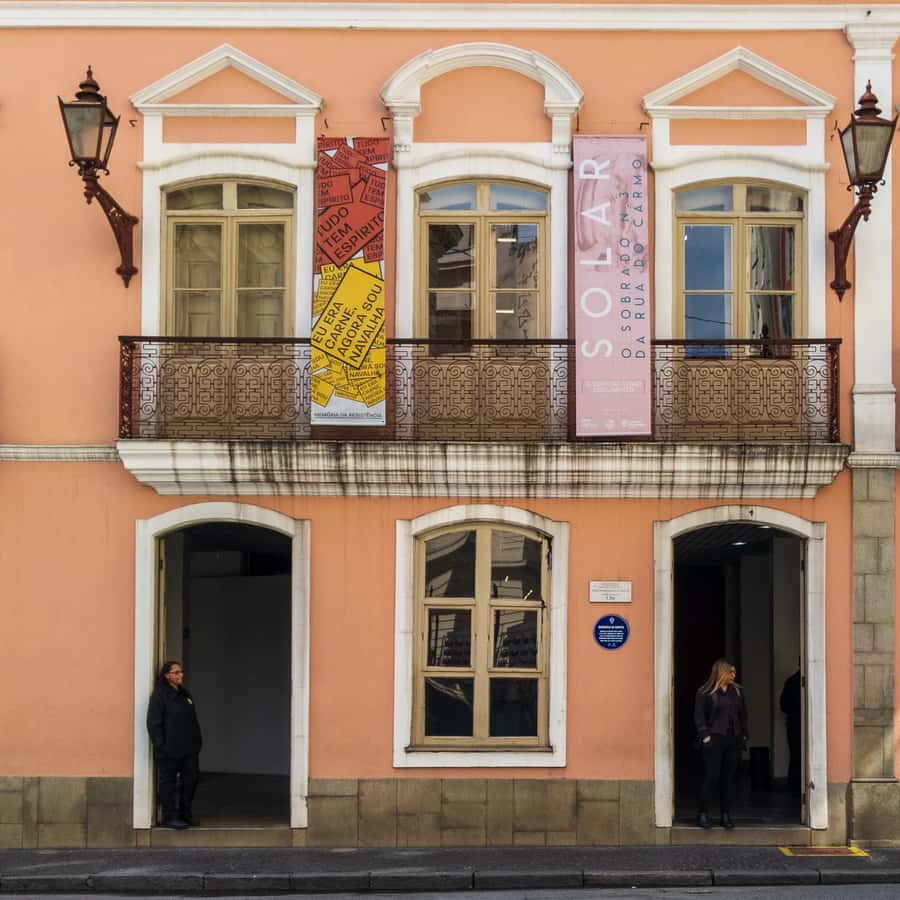
The Bank of Brazil Cultural Center is scheduled for 15 minutes. This stop adds a civic and cultural angle, showing how an old financial institution can become part of the city’s public cultural life.
The building also helps connect São Paulo’s economic rise with its cultural development. Banks, offices, and public institutions were not separate from the city’s growth. They helped give the center its scale and identity.
The route then reaches Pateo do Collegio for about 20 minutes. This is one of the most important historical points in the walk because it connects the present-day center with the city’s Jesuit beginnings.
Here, the guide can help you picture the older settlement beneath today’s streets and towers. You also hear about the Tupi nation and the pathways that existed before São Paulo became a European-founded city. That broader frame matters. It keeps the story from beginning only when colonists arrived.
Pateo do Collegio is a strong stop for anyone who wants more than surface-level sightseeing. You see how a modern city can preserve, reinterpret, and sometimes struggle with the stories of its earliest foundations.
São Paulo Cathedral and the finish in Liberdade
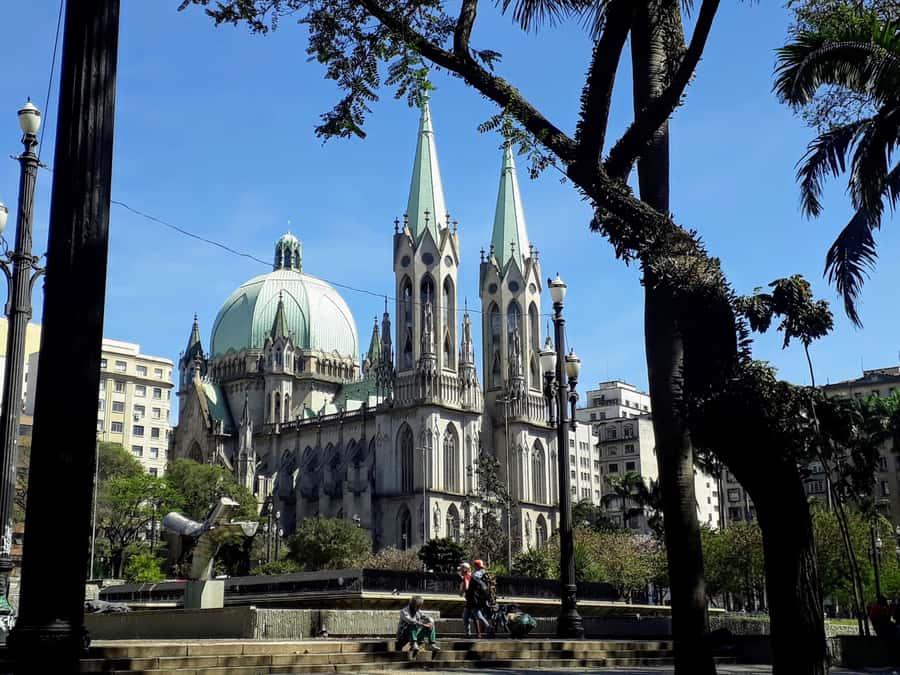
The São Paulo Cathedral receives about 15 minutes. Its size and central position make it a fitting late stop, after you have seen skyscrapers, galleries, theatres, churches, cultural institutions, and historic sites.
By this point, the route has given you several ways to read the city. The cathedral represents religious authority and public ceremony, while the surrounding center shows commerce, migration, work, and street life. The tour’s value comes from making those connections clear.
The walk finishes at Praça da Liberdade in the Liberdade district. This is a particularly useful ending because you finish near one of São Paulo’s best-known immigrant communities and can continue exploring on your own.
Liberdade is tied strongly to Japanese immigration, but São Paulo’s wider story includes Italians, Syrian-Lebanese communities, and many other groups. The route does not reduce the city to one national influence. Instead, it gives you a starting point for understanding how many communities shaped the metropolis.
Ask Giuliano for suggestions before the tour ends. Practical advice is one of the more useful parts of a short city walk, especially if you want vegetarian food or ideas for what to see next. One past participant specifically received help finding vegetarian options, which suggests the guide is willing to tailor suggestions to the group.
What the guide adds to the buildings
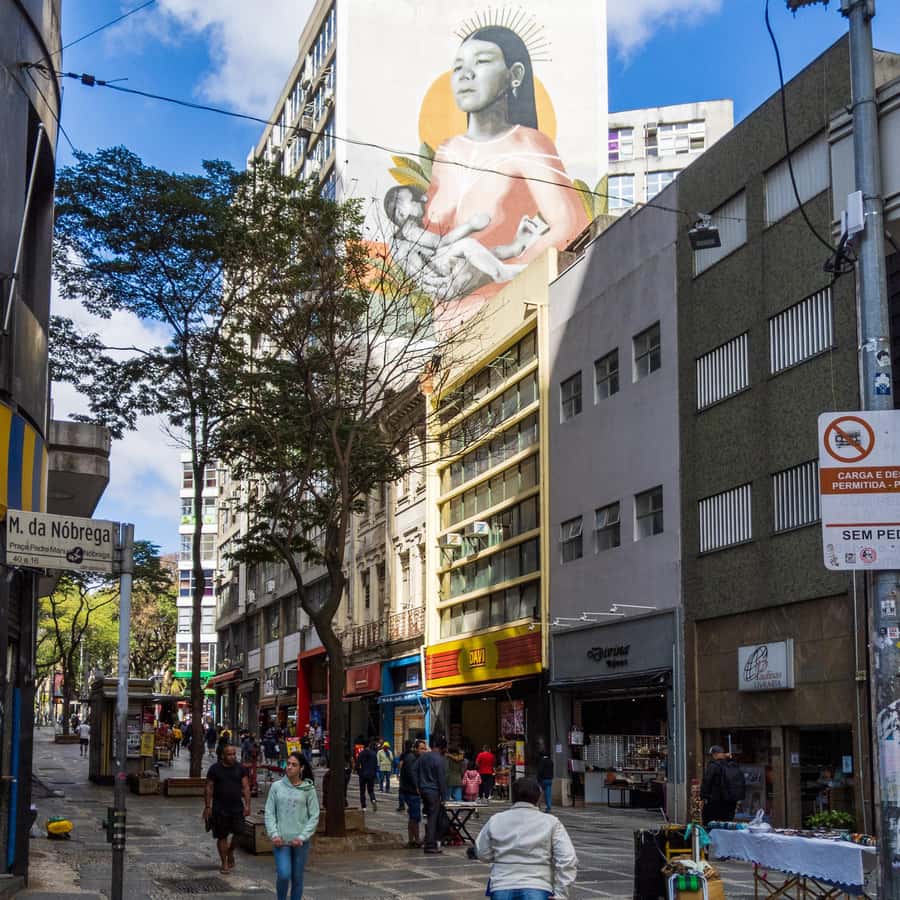
A walking route through downtown can be rewarding on its own, but it can also become a parade of façades. The guide is what turns the stops into a connected lesson.
Giuliano has been praised for explaining both architecture and the social setting in which buildings were created. That distinction matters. You do not just hear that a church is old or a tower is tall. You learn how the building fits into São Paulo’s changes over time.
The group size helps here. With no more than 10 participants, you can ask questions without trying to speak over a large crowd. The small format also supports the conversational side of the tour, including recommendations for food and later sightseeing.
The tour is in English only, even though the guide also speaks Spanish, Portuguese, and Italian. If you are booking because another language is available, confirm the language arrangement first. The advertised tour itself is English.
Pace, weather, and practical comfort
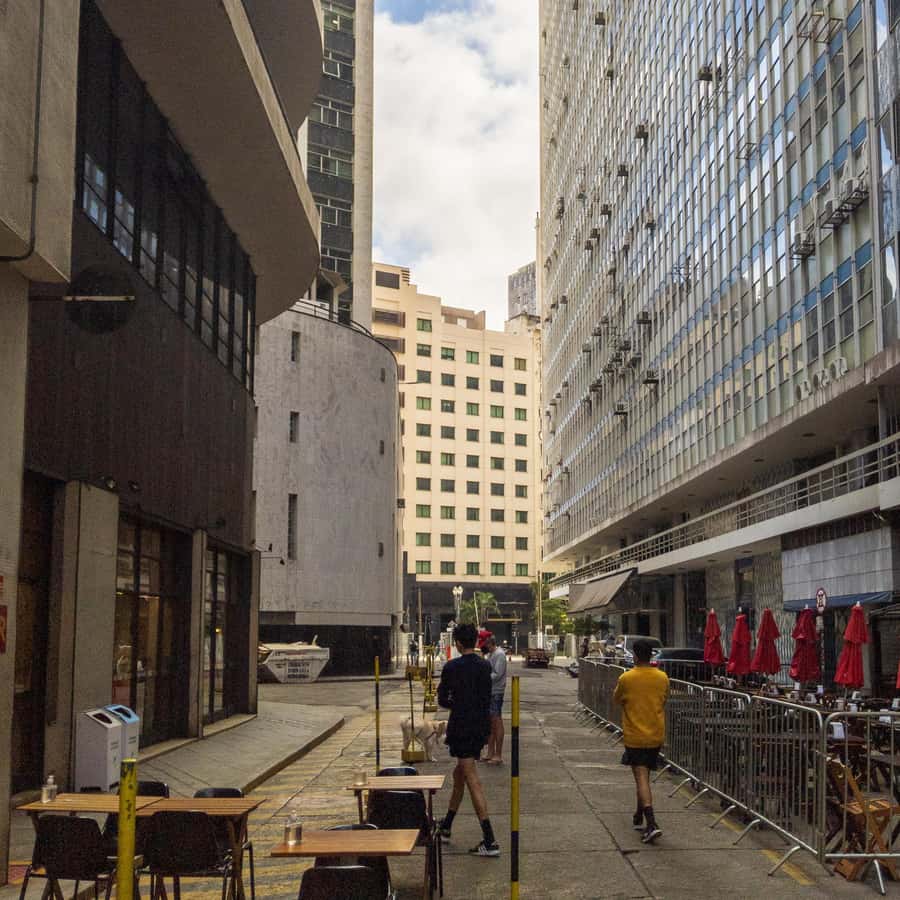
Two hours is a smart length for a first look at downtown, but it also creates a brisk schedule. Ten listed stops leave little room for lingering, shopping, long photo sessions, or unexpected delays.
Wear shoes suited to city walking and keep your belongings secure in the normal way you would in a major urban center. The tour does not include transport, food, or drinks, so bring water if you need it and plan any meal separately.
São Paulo weather can be unpredictable and tropical. Bring sunscreen and an umbrella, even if the morning begins clear. Rain did not prevent one group from enjoying the walk, and the guide adjusted the route and found places to shelter, but you should still dress for changing conditions.
The information provided describes the tour as wheelchair accessible, but it also says it is not suitable for people with mobility impairments. Those statements do not fully agree. If you use a wheelchair or have difficulty walking, contact the provider before booking and ask about pavement, stairs, church access, and the exact route on your chosen date.
Free cancellation is available up to 24 hours before the tour, and you can reserve now and pay later. Those policies are useful if your São Paulo plans are still shifting, but the strict start time remains important. Once the walk begins, the guide will be focused on the group and cannot be expected to check messages or admit late arrivals.
Who will get the most from this tour
I would choose this walk for a first visit, especially if you want to understand central São Paulo before exploring it alone. It gives you a framework for the city’s architecture, migration, religion, and modern growth without taking up an entire day.
It also suits travelers who enjoy buildings but want social context. The route moves beyond postcard views and explains how Indigenous history, colonial settlement, immigration, finance, culture, and faith overlap in the center.
The tour may be less suitable if you want long museum visits, a relaxed café break, or extensive time inside every building. It is also not the best fit for anyone who cannot comfortably manage a city walking route, given the mobility warning.
Should you book the São Paulo Downtown Center Walking Tour?
Book it if you want a focused introduction with a live English-speaking guide, a small group, and a route that covers far more than one period of São Paulo’s past. The strongest reasons are the variety of stops, Giuliano’s practical recommendations, and the way the tour connects architecture with the city’s social story.
Skip it if you prefer to explore at a slow pace or want guaranteed interior access and lengthy visits at each attraction. At $37, the price makes sense when you value explanation and orientation. For a first morning or early afternoon in São Paulo, this walk can give you the context you need to make better choices for the rest of your stay.
FAQ
How long is the São Paulo Downtown Center Walking Tour?
The tour lasts two hours.
What language is the tour conducted in?
The tour is conducted in English. The guide also speaks Spanish, Portuguese, and Italian, but this experience is advertised as English only.
Where does the tour begin?
Meet at the entrance of Edifício Itália, at Avenida Ipiranga, 336.
Where does the tour finish?
The walk finishes at Praça da Liberdade in the Liberdade district of São Paulo.
What places are included on the route?
The route includes the Copan Building, Galeria Metrópole, Galeria do Rock, Municipal Theatre, Paróquia São Francisco de Assis, Mosteiro de São Bento, Bank of Brazil Cultural Center, Pateo do Collegio, São Paulo Cathedral, and Liberdade.
Is transportation included?
No. This is a walking tour, and no transportation, food, or drinks are included.
How many people can join the group?
The group is limited to 10 participants.
Can I cancel the booking?
You can cancel up to 24 hours in advance for a full refund. You can also reserve now and pay later.
Just added in São Paulo
- Corinthians Football Game Experience★ 4.8 · 33 reviews
- Companionship of a bilingual guide in São Paulo★ 4.8 · 10 reviews
- Best São Paulo City Tour History 5Hours Private Experience.★ 4.0 · 3 reviews
- From São Paulo: Aparecida Cathedral Tour★ 4.8 · 10 reviews
- The Brazilian Switzerland – Day Trip on Campos do Jordão from São Paulo★ 4.5 · 53 reviews
- Campos do Jordão – Brazilian Switzerland departing from São Paulo★ 4.5 · 53 reviews
- Wine Tour in São Roque by Car, Tour with Local Guides★ 5.0 · 60 reviews
- Street Art and Park Bike Tour★ 5.0 · 56 reviews
Walking Tours, compared.

Sunrise and Sunrise Walk Two Brothers with Local Guide
Read our review →
Downtown-Center History Walking Tour – in English
Read our review →
Learn the History of Rio with an Unforgettable City Center Walking Tour
Read our review →
Rio’s city walking tour: a glimpse of history and olympic legacy
Read our review →Browse the lists this tour appears in