Reviewed · RIO DE JANEIRO
Rio de Janeiro: Be a true Rio’s local for a day – Tour
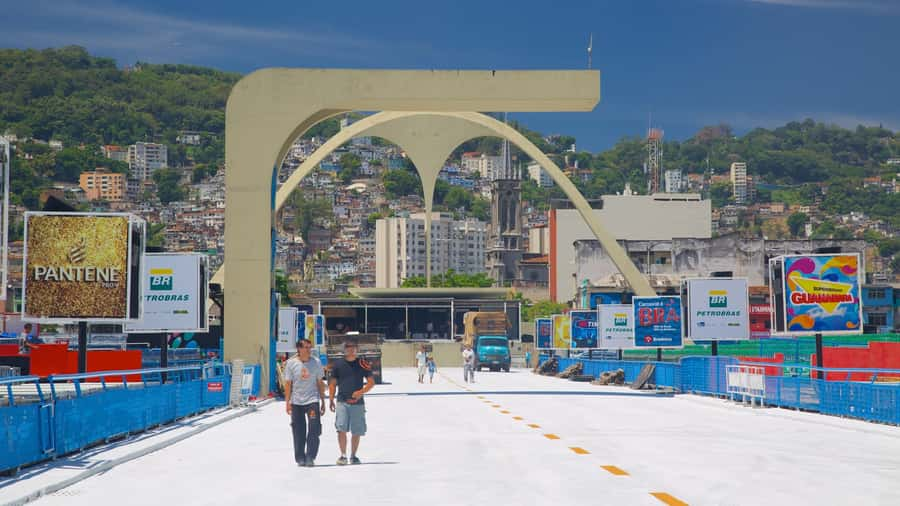
Rio’s great passions come together neatly on this five-hour tour: football at Maracanã, samba at the Sambadrome, and a caipirinha to drink along the way. You also get time in Sahara, a central market district where you can shop for costumes, beachwear, gifts, party goods, and everyday items far from the polished beachfront shops.
I like the easy hotel transfers and the chance to see parts of Rio that a standard sightseeing route often skips. I also like that guides such as Luis, Karen, Renato, and Margo bring different strengths, from football knowledge to help with shopping and translation. The main drawback is the Sambadrome stop, which can feel spare outside Carnival season. In high season, traffic can also stretch the five-hour schedule.
Key points at a glance

- Maracanã comes first: Visit the football museum and see memorabilia, club shirts, and dressing-room displays inside Brazil’s best-known stadium.
- The Sambadrome needs the right expectations: You learn how Carnival works and see the parade route, but outside Carnival it is mainly bleachers and pavement.
- Sahara is the most local stop: Browse clothes, shoes, bikinis, costumes, makeup, toys, furniture, and party supplies in Rio’s largest market district.
- Guides add practical help: Luis has led French-language visits, while Karen has helped shoppers translate with vendors and choose purchases.
- The price includes useful extras: At $74 per person, you get a guide, round-trip transport, museum admission, and a caipirinha.
- Hotel pickup is limited by area: Pickup covers most hotels in Leblon, Ipanema, Copacabana, Flamengo, Centro, and the cruise port.
Three sides of Rio in five hours
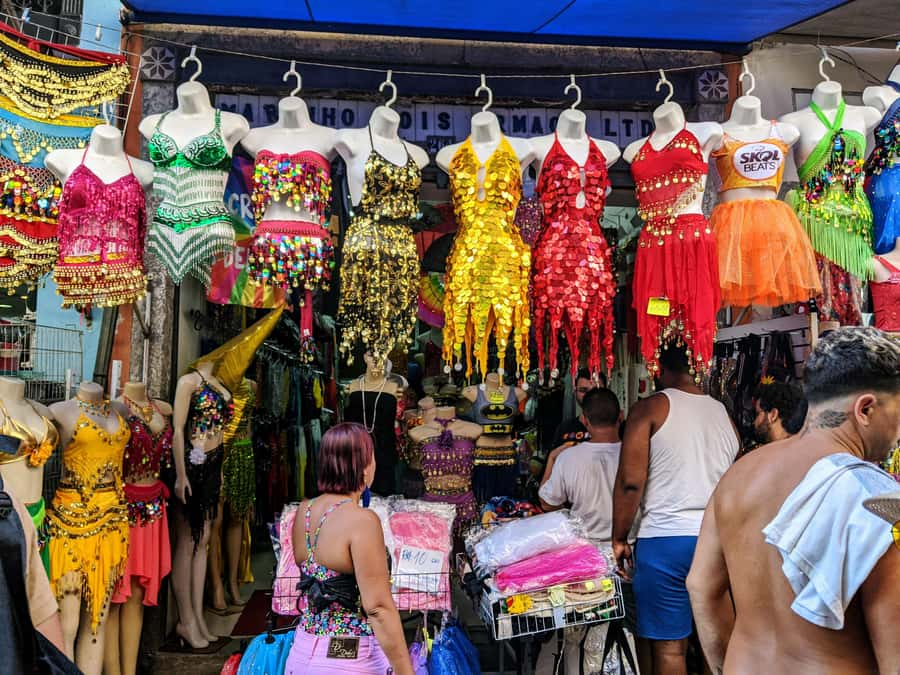
This tour works because it links three subjects that are central to Rio life but often appear in separate excursions. Football gives you a major cultural landmark, Carnival explains the city’s public celebration, and Sahara shows you a working shopping district where locals buy far more than souvenirs.
The route is also practical for a first visit. You are not left to cross the city by yourself, compare unfamiliar transport, or figure out how to reach Maracanã and the Sambadrome. A driver handles the movement between stops, while your guide provides the context.
The itinerary is busy rather than slow. You should expect several short visits instead of long, unhurried time at one site. That suits you if you want a broad introduction to Rio’s popular culture. It is less suitable if you prefer a quiet museum visit or a full afternoon devoted to shopping.
The tour costs $74 per person. That is fair value if you plan to see all three stops, since the price includes transport, a live guide, museum entrance, and a welcome caipirinha. You still need to pay for meals and any other drinks, as well as your shopping at Sahara.
More Tours in Brazil
- Rio de Janeiro: 6-Stop Highlights of Rio with Lunch
★ 4.4 · 5,157 reviews - Christ the Redeemer Entry Ticket by Corcovado Train
★ 4.4 · 4,476 reviews - Rio de Janeiro: Rocinha Favela Walking Tour with Local Guide
★ 4.8 · 3,052 reviews
Maracanã, where football becomes culture
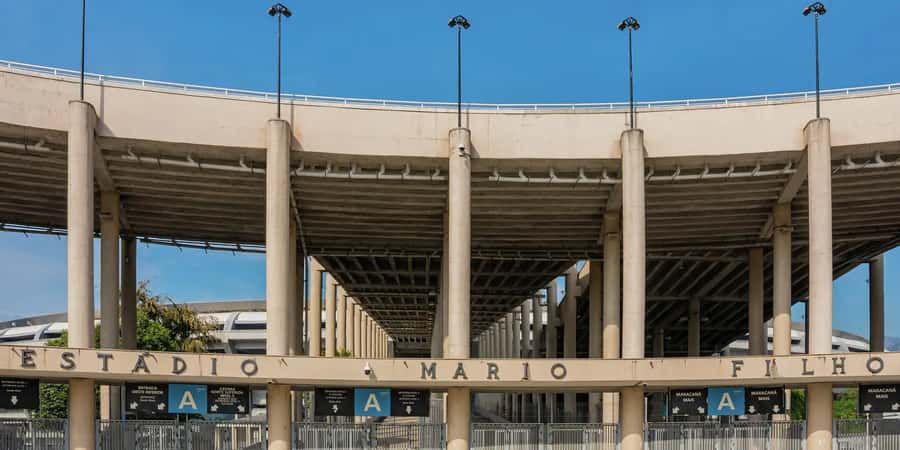
Maracanã is the strongest stop for many people, even if you do not follow Brazilian football closely. The stadium is presented not just as a sports venue but as a place tied to national identity, famous players, clubs, and major moments in Brazilian football.
Your visit includes the Football Museum, with memorabilia and displays about the figures who shaped the sport. You can also see a dressing room decorated with Brazilian club shirts. These details help turn a large stadium into something more personal. Instead of only looking at empty seats, you get objects, names, and club symbols to focus on.
A guide who cares about football can make a real difference here. Luis, for example, has been praised for sharing his enthusiasm and explaining the stadium in French. The tour is offered in English, Spanish, Portuguese, French, Italian, and German, so request your preferred language when booking and confirm the pickup details in advance.
Do not expect a full match-day atmosphere. This is a museum and stadium visit, not a football game, and the available details do not promise access to every part of the venue. Still, the museum admission gives the stop substance, particularly for anyone interested in Brazilian clubs and football culture.
If football is your main reason for booking, this is the part that justifies the tour. If you have little interest in the sport, the museum may feel shorter and more specialized than other Rio attractions.
The Sambadrome outside Carnival season
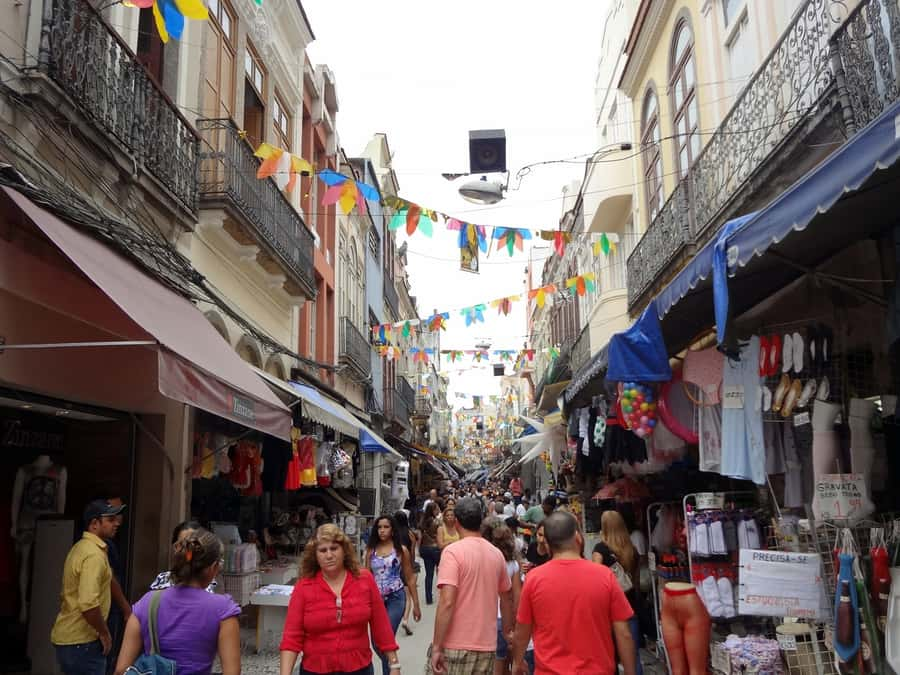
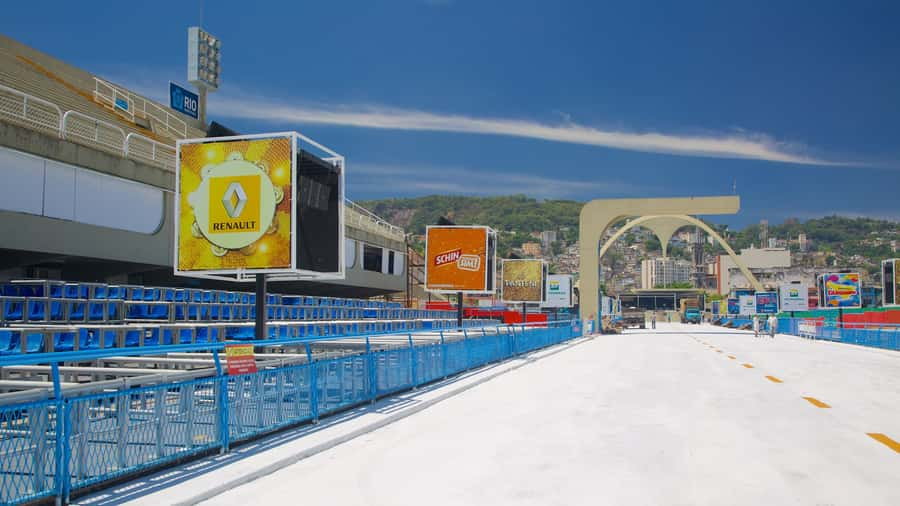
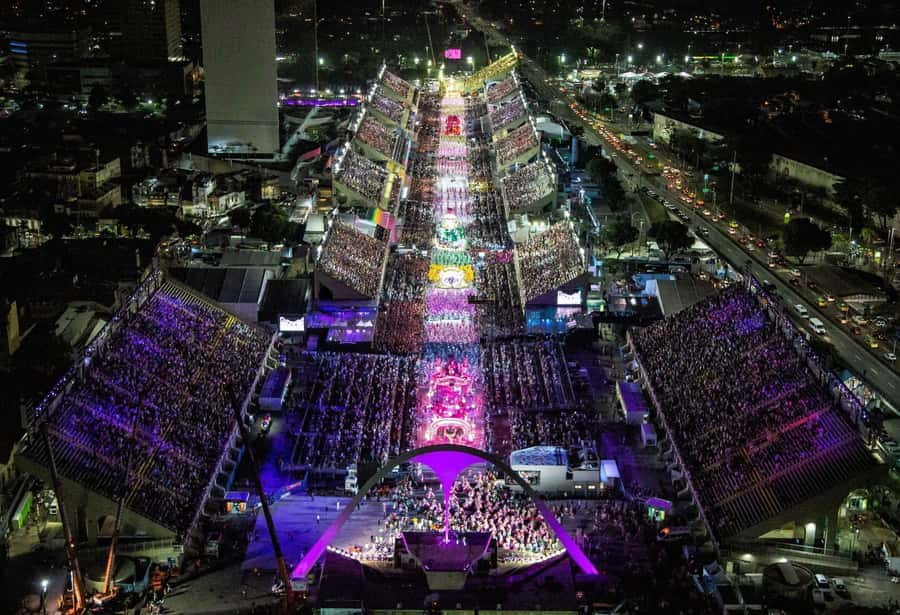
The Sambadrome is the purpose-built parade route for Rio’s Carnival schools. Your guide explains how the parade works and why the site matters, giving you a better sense of the scale and organization behind the annual event.
The physical setting is simple. It is a long stretch of road bordered by bleachers, and outside Carnival there may be little activity to see. One useful way to think about this stop is as a cultural explanation with a visual setting, not as a full Carnival show.
That distinction matters. If you arrive expecting costumes, drums, dancers, and crowds, you may be disappointed. If you want to understand where the parade takes place and how the venue is used, the stop makes sense. During Carnival preparations, the setting can feel more connected to the event, but the tour does not promise a performance.
I like this part because it adds context to something many people know only from photographs. You can picture the route filled with performers and spectators, then compare that imagined scene with the quiet structure you see during an ordinary visit.
The Sambadrome visit is usually brief, which is helpful on a five-hour route. You get the explanation without spending too much of the day at a place that may be quiet.
Sahara Market, Rio’s practical shopping district
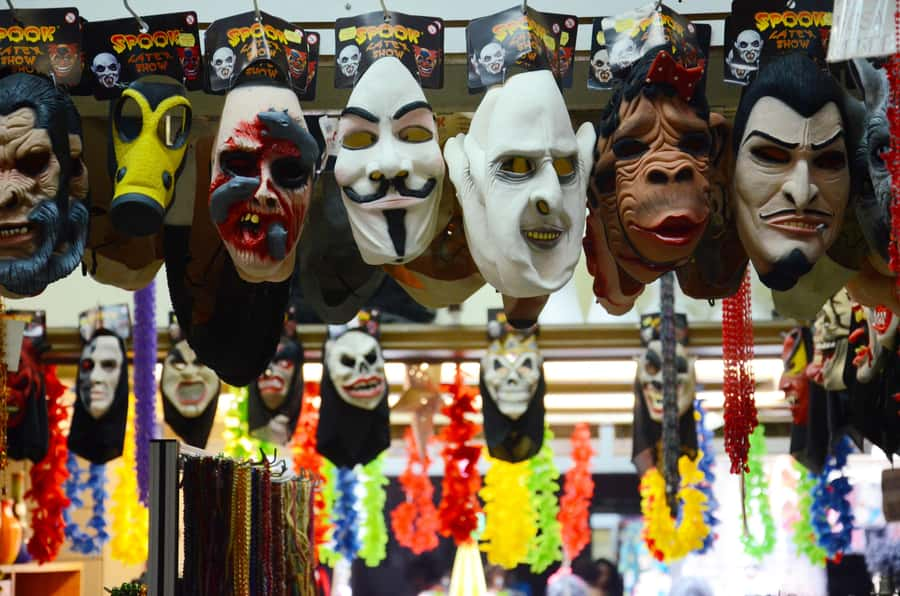
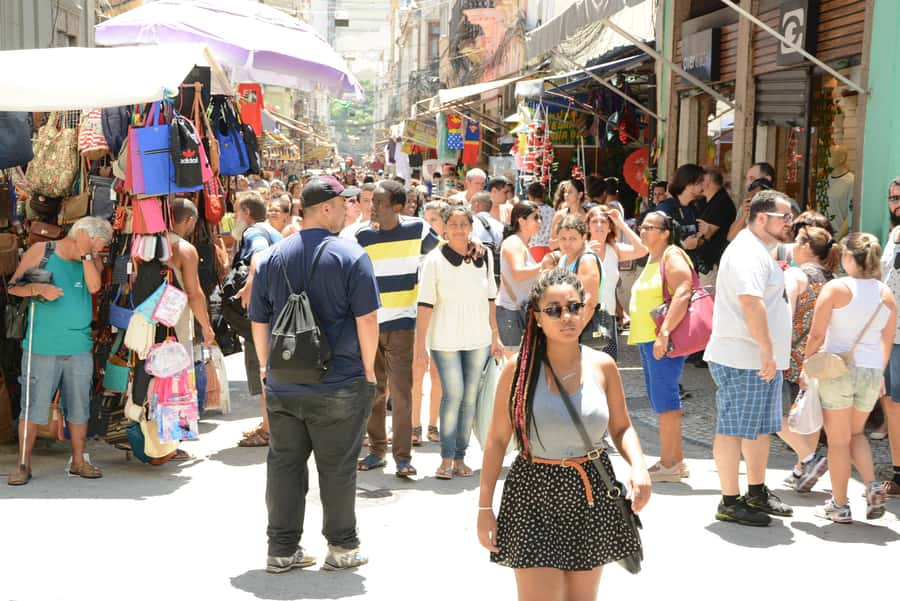
Sahara is likely to be the most surprising stop. This is not a tidy row of tourist boutiques. It is a large market district with shops selling clothes, shoes, accessories, costumes, makeup, furniture, toys, party supplies, and more.
That range makes Sahara useful for different kinds of shoppers. You can search for small gifts, Carnival-related items, beachwear, costume pieces, or something for yourself. The market is also a chance to see a more everyday side of Rio’s commercial life, rather than spending the whole day in areas designed mainly for visitors.
Give yourself room to browse, but remember that the total tour lasts five hours. One person who enjoyed the route wished for more time at the market, which is a fair warning for serious shoppers. You may find yourself wanting to stop at several shops, compare prices, and look through more items than the schedule allows.
Karen has helped shoppers communicate with vendors and choose purchases, including assisting with bikini shopping and color selection. That kind of help is valuable when you are unsure about sizing, product details, or how to ask a question. It also removes some of the stress of shopping in an unfamiliar place.
Sahara is not the place for a quiet coffee and a slow stroll. Expect a crowded commercial area, many small shops, and a lot to look at. Wear practical shoes, keep your belongings secure, and decide in advance how much time and money you want to spend.
Same city, a different sort of day:
- Rio: Christ the Redeemer, Sugarloaf, Selaron & BBQ Lunch
★ 4.5 · 2,428 reviews - Rio De Janeiro: Half-Day Rocinha Favela Walking Tour
★ 4.7 · 2,272 reviews - Rio de Janeiro: Angra dos Reis and Ilha Grande Full-Day Tour
★ 4.6 · 1,673 reviews - Rio de Janeiro: Beginner Samba Lesson in Ipanema
★ 4.9 · 1,071 reviews
The caipirinha sets the tone
A caipirinha is included as a welcome drink. It is a small but fitting detail, since the drink is closely linked with Brazil and gives the tour a social start.
The listing describes the caipirinha as a welcome drink rather than a full tasting session. You should not book this expecting a cocktail class or a food tour. Meals and additional beverages are not included, so bring money if you want lunch, water, or another drink during the day.
The drink also helps set the mood for a route about Rio’s popular culture. Football and Carnival can be discussed in a formal way, but a caipirinha makes the opening feel more relaxed. If you do not drink alcohol, confirm available alternatives with the provider before booking, since the supplied details only specify the caipirinha.
What the transport arrangement adds
Pickup is included from most hotels in Leblon, Ipanema, Copacabana, Flamengo, and Centro, as well as the cruise port. The listed meeting point is Rio Othon Palace on Avenida Atlantica in Copacabana, so you can use that location if hotel pickup does not apply.
You need to send your hotel location and confirm the pickup time. This is important because the tour does not give one universal departure time, and the vehicle must work around Rio traffic and the locations of other pickups.
Pickup from Barra da Tijuca or Recreio dos Bandeirantes costs an extra $10 or 40 Brazilian reais per person. Factor that into the price before deciding if this is the right fit.
The driver and guide arrangement is a strength. French-speaking guests have specifically benefited from guides such as Luis, while Renato and driver Eric were praised for making the route easy to follow. Karen has offered hands-on help in the market, and Margo has guided the Maracanã visit. Since the exact guide depends on the date and language, do not assume you will receive a particular person, but the named examples show the sort of help available.
Traffic is the main practical risk. In high season, Rio has more people on the roads and at major sights, so the tour may run longer than five hours. Keep the rest of your day flexible, especially if you have a flight, dinner reservation, or cruise departure.
Who will get the most from this tour
I would choose this tour if you want a short cultural sampler rather than a single-subject excursion. It fits a first visit, a cruise stop, or a day when you want help connecting several parts of the city.
Football fans are the clearest match. Maracanã and its museum give the tour a firm center, while the Sambadrome and Sahara add variety. The route also suits shoppers who want more than standard beach souvenirs and appreciate having a guide help with communication.
It is a good choice for people who value door-to-door transport. Rio is spread out, and moving between the stadium, Carnival venue, and central market can take effort. Having a guide and driver removes much of that work.
Families and mixed-interest groups may also like the balance. One person can focus on football, another on Carnival, and another on shopping. The five-hour length is manageable, though the market may feel too short for someone who wants extended browsing.
I would think twice if your priority is an in-depth Carnival visit. The Sambadrome is mainly an explanatory stop outside the season. I would also skip this tour if you want a food-focused day, since only the welcome drink is included and no meal is part of the plan.
Planning tips before you book
Bring a hat and sunscreen. The route includes outdoor movement and time around the Sambadrome, so basic sun protection is sensible.
Tell the provider in advance if you have reduced mobility or use a wheelchair. Access is subject to availability, and the tour operator needs notice before confirming the arrangements.
Wear shoes that work for walking and shopping. Sahara can take more time than expected, particularly if you want to compare clothing, accessories, or souvenirs across several shops.
Confirm four things before the day begins:
- Your hotel address and pickup time
- Your preferred tour language
- Any extra charge for Barra da Tijuca or Recreio dos Bandeirantes
- Any mobility requirements
The activity offers free cancellation up to 24 hours before departure for a full refund. You can also reserve now and pay later, which helps if your Rio schedule is still changing.
Should you book it?
Book this tour if you want Rio explained through football, Carnival, and local shopping in one compact route. The Maracanã museum, included transport, and useful market assistance give the $74 price solid value, especially if you are staying in a covered pickup area.
Set your expectations correctly for the Sambadrome and allow extra time in high season. If you do that, this is a practical way to see a side of Rio that goes beyond beaches and viewpoints, with enough local flavor to make the half-day worthwhile.
FAQ
How long does the tour last?
The tour lasts five hours, although high-season traffic and large crowds in Rio can make the day run longer.
What is included in the price?
The $74 price includes a live guide, round-trip transfer, entrance to the Football Museum at Maracanã, and a welcome caipirinha.
Are meals included?
No. Meals and beverages other than the included welcome caipirinha are not included.
Where does hotel pickup operate?
Pickup is available from most hotels in Leblon, Ipanema, Copacabana, Flamengo, and Centro, as well as the cruise port. The listed meeting point is Rio Othon Palace in Copacabana.
Is pickup available from Barra da Tijuca or Recreio dos Bandeirantes?
Yes, but pickup from those areas costs an additional $10 or 40 Brazilian reais per person.
What languages are available for the live guide?
The tour is offered in English, Spanish, Portuguese, French, Italian, and German.
Just added in Rio de Janeiro
- Rio de Janeiro: Zip Lining and Canopy Tree Tour★ 3.3 · 6 reviews
- Vidigal Favela Tour★ 4.4 · 26 reviews
- Rio de Janeiro: Attend a Vasco da Gama game with local guide★ 4.8 · 9 reviews
- Unforgettable Boat Party★ 5.0 · 3 reviews
- Hang gliding flight in Rio de Janeiro★ 5.0 · 6 reviews
- Rio Highlights: Christ, Sugarloaf, and More in a Private Tour★ 5.0 · 36 reviews
- Tijuca Forest Hike – Waterfalls & Caves, Nature & Wild Life!★ 5.0 · 51 reviews
- City Tour Full VIP – Corcovado Train + Churrascaria Rodízio★ 5.0 · 43 reviews
Tours in Rio de Janeiro, compared.

Christ the Redeemer Entry Ticket by Corcovado Train
Read our review →

Christ the Redeemer, Sugarloaf, Selaron & BBQ Lunch
Read our review →