
Reviewed · AMAZON RAINFOREST TOURS
Manaus: Multi-Day Amazon Trip at Tapiri Floating Lodge
The most memorable part of this Amazon trip is not a single sight, but the change in rhythm. You leave Manaus by boat, sleep beside the water, paddle through forest channels, walk beneath giant trees, and spend a night in a hammock with only mosquito netting between you and the forest. The jungle becomes your schedule.
I like the mix of wildlife outings and practical jungle activities, especially piranha fishing, caiman spotting, sunrise canoe rides, and forest walks. I also like the small group size, with no more than 12 people, plus the comfortable air-conditioned rooms and three included meals each day. The tradeoff is that wildlife is never guaranteed, and some routes and activities may feel repetitive on a longer stay.
Key points to know before you book
- The journey begins on the water: You travel by speedboat from Manaus to the Meeting of the Waters, then continue by road and boat to the lodge.
- The 3-day plan gives you the essentials: Expect dolphins, birds, piranhas, caimans, a jungle hike, sunrise, sunset, and a family visit.
- Four and five days add real forest camping: You sleep in a hammock with a mosquito net and prepare dinner in a remote part of the jungle.
- Water levels shape the program: Canoeing through forest channels is possible during the rainy season, roughly April to August. From August to March, some of those outings are done on foot.
- The lodge is more comfortable than a basic camp: You get a private air-conditioned room, bed netting, meals, and drinking water with meals.
- The guides make a major difference: Past guides named Tony, Kennedy, Yamal, Emilson, Marcos, and Osmar have led outings in English or Portuguese.
From Manaus to the Meeting of the Waters
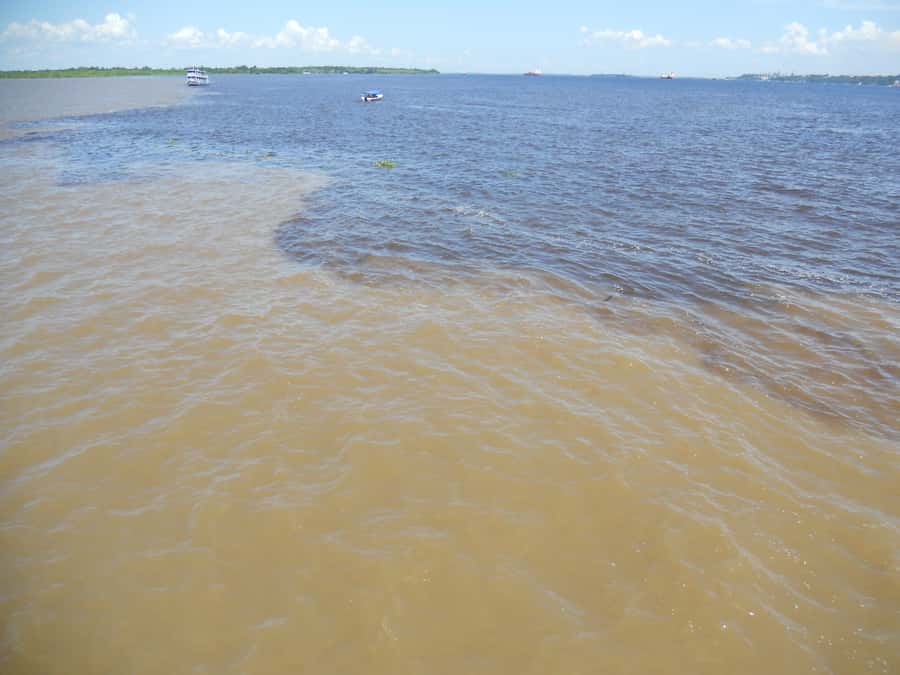
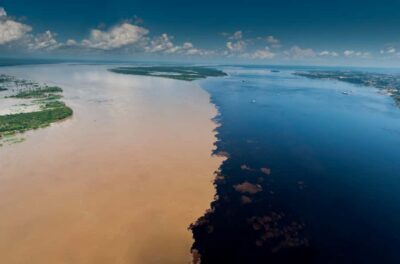
Your day begins early, with pickup from a Manaus hotel or the airport. Downtown hotel pickup is around 7:30 AM, while hotels outside the central area may require a 7 AM pickup. From the Ceasa port, a speedboat carries you toward the Meeting of the Waters, where the dark Rio Negro meets the muddy Solimões River.
This is more than a quick photo stop. The two rivers run side by side for a long stretch before mixing, and seeing that divide from a boat gives the opening journey a real sense of place. You are not simply being driven to a lodge. The transfer itself introduces the waterways that shape life in this part of Brazil.
The route then continues to an arapaima fish farm. Arapaima gigas, called pirarucu locally, is one of the largest freshwater fish in the world. This stop adds a useful human angle to the trip, showing how a famous Amazon species is raised and managed rather than seen only as a distant shape beneath the water.
After the fish farm, you cross toward Careiro Village, continue by van for about an hour to the Mamori River, and board another speedboat. You should reach Tapiri Floating Lodge around 11:30 AM. It is a long morning, but the changes in transport also show how quickly the region shifts from city access to forest waterways.
More Amazon rainforest trips from Manaus
- From Manaus: One-Day Amazon Jungle Experience
★ 4.8 · 408 reviews - Manaus: Full-Day Tour on the Amazon River
★ 4.2 · 362 reviews - From Manaus: Presidente Figueiredo Waterfalls Daytrip
★ 4.3 · 149 reviews
What the floating lodge is really like
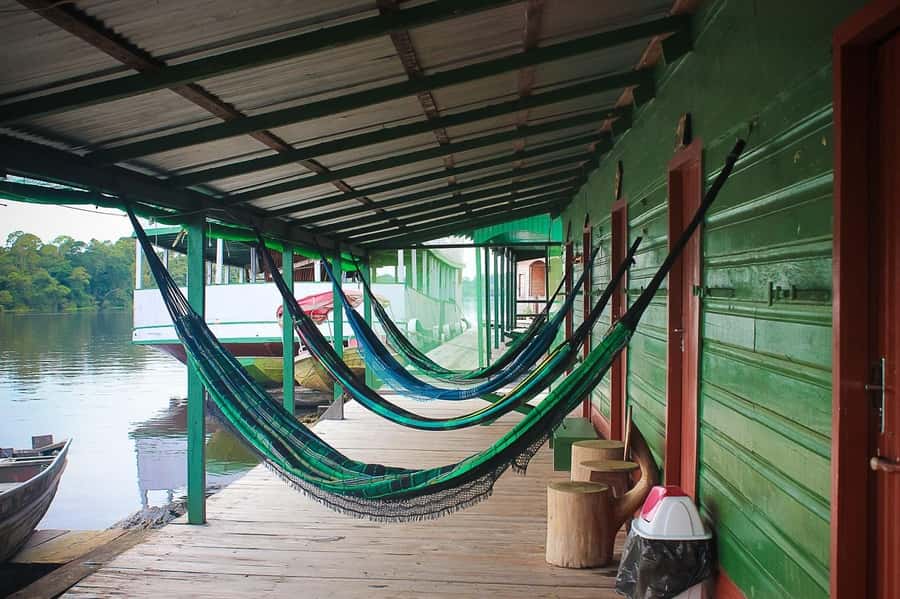
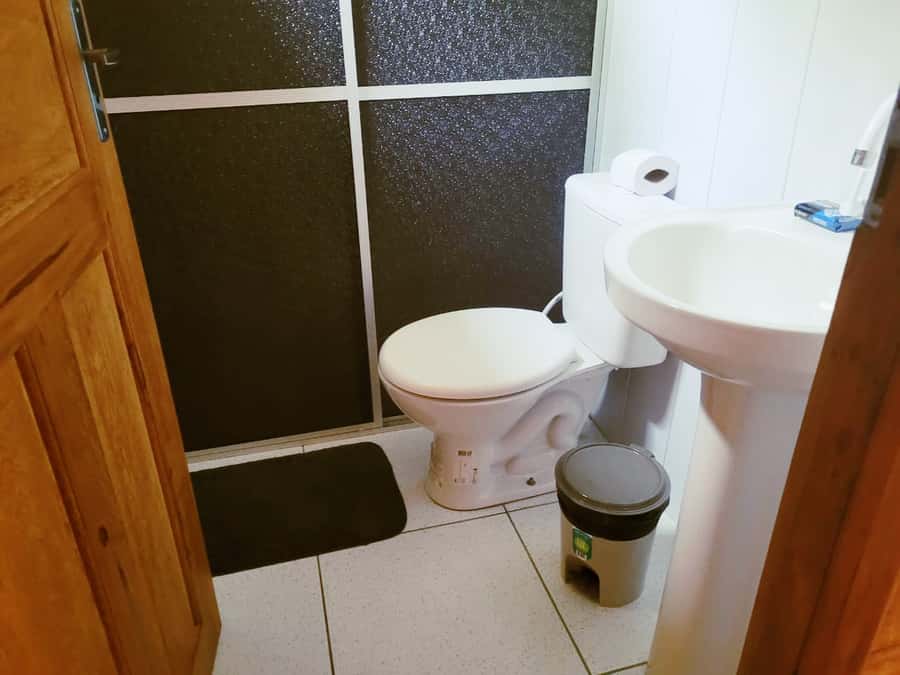
Tapiri Floating Lodge gives you a base that is simple but more comfortable than the word jungle trip may suggest. Accommodation is in a private air-conditioned apartment, with netting on the beds. Breakfast, lunch, and dinner are included, and mineral water is provided during meals.
That air conditioning matters after a hot boat ride or a humid forest walk. You still spend plenty of time outdoors, but you are not required to sleep in a rough open shelter every night. The lodge also gives you a place to dry off, repack, and rest between activities.
Food is one of the strong points. Reports from the trip describe the meals as fresh and better than expected, with enough variety to make three meals a day feel manageable. Soft drinks and alcohol cost extra, so bring cash if you want them. Cash is also useful for small purchases and any personal needs along the way.
The lodge is not a luxury resort, and the schedule is active. You will move by boat, canoe, van, and foot, often in heat and wet conditions. Still, the combination of clean rooms, bed netting, meals, and organized transfers gives you a sensible middle ground between a hotel stay and a hard camping expedition.
Day one: piranhas, sunset, and caiman eyes
The first organized outing begins around 3 PM. You leave by canoe for bird and dolphin watching, then try your hand at piranha fishing. This is a good first activity because it gets you close to the water without demanding a long hike after the morning transfer.
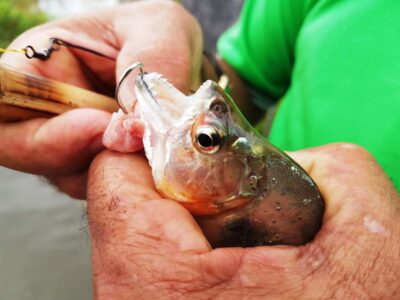
Piranha fishing is not just a staged show. You use bait and a fishing line, and you may catch smaller fish while learning how the guides handle them. A later night outing offers the chance to try spear fishing for piranhas, a more active and memorable version of the same idea.
Around 6:30 PM, the group pauses for sunset. This is one of the trip’s quieter rewards. The water, sky, and low boat ride create a natural break between the daytime heat and the evening wildlife outing.
After dinner, you head out to look for caimans. The guide shines a light across the water, searching for the reflective eyes of these night-active reptiles. It is an exciting activity, but keep your expectations sensible. You may see several caimans, or you may spend time scanning dark water with only brief sightings.
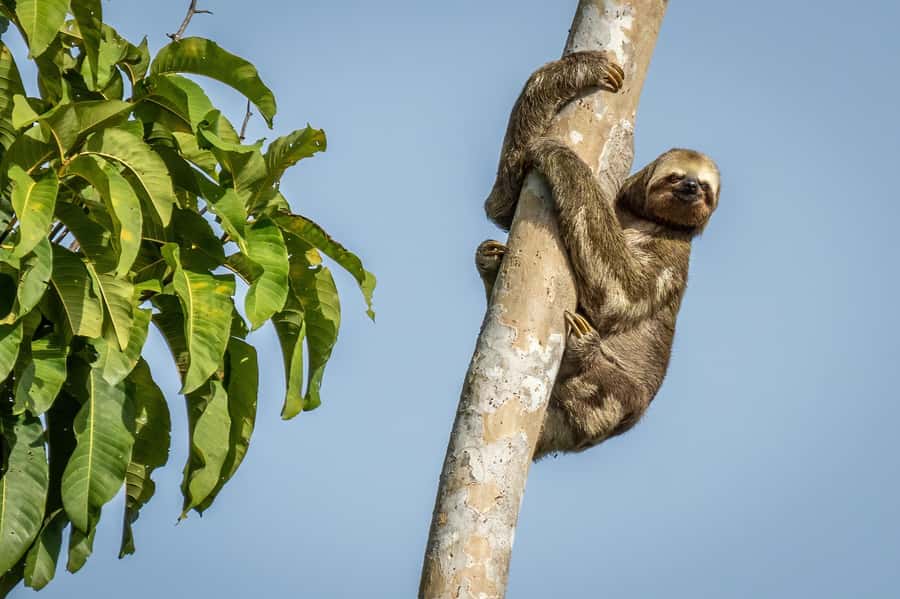
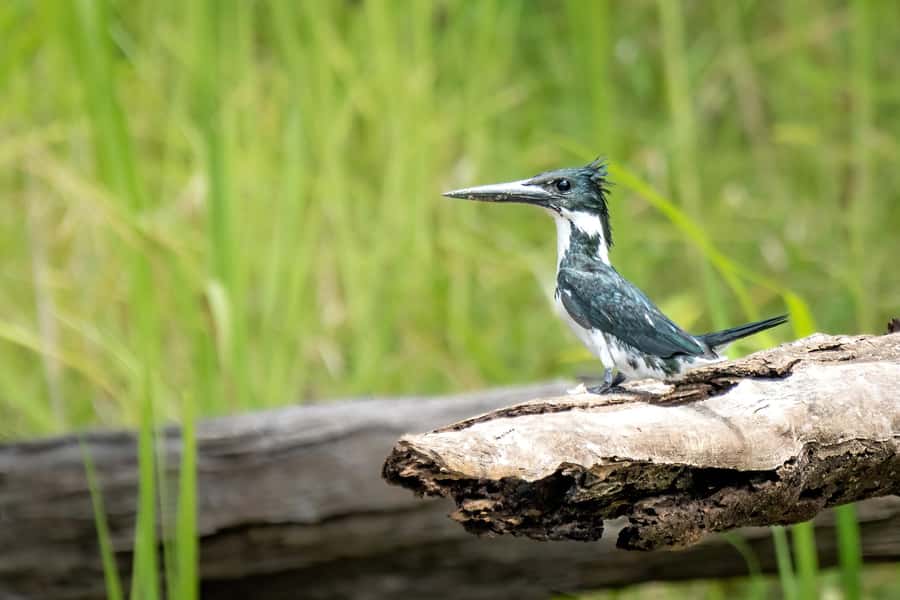
The same is true of dolphins, monkeys, birds, sloths, iguanas, tarantulas, and other wildlife. Previous trips have recorded all of these, but the Amazon is not a zoo. The best approach is to value the guide’s explanations and the search itself, not only a checklist of animals.
Day two: sunrise and a forest classroom
The second day starts at 5:30 AM with a canoe ride for sunrise. You return for breakfast around 7 AM, then set out on a jungle trek that takes up much of the morning.
This walk is where the trip becomes more than a wildlife cruise. Local guides explain medicinal plants, trees, insects, spiders, and other signs of forest life. You might also see monkeys, but the larger benefit is learning how much is happening at ground level, in tree bark, leaves, vines, and the forest floor.
Guides such as Tony and Emilson have been praised for explaining animals and plants clearly in English. Kennedy has also led well-organized trips and wildlife outings. Your assigned guide may be different, so it is worth confirming the language you need before booking.
The afternoon depends on the season and the length of your trip. During the rainy season, roughly April through August, you may canoe along small forest channels where water has spread beneath the trees. During the drier period, from August through March, that same kind of outing is done on foot because many channels no longer have enough water.
This seasonal change is important. A rainy-season visit may offer more canoeing through flooded forest, while a drier-season trip may provide more walking. Neither is automatically better, but you should choose based on the kind of activity you prefer.
More Tours in Brazil
- From Manuas: Full-Day River Tour
★ 4.8 · 102 reviews - Manaus: Half-Day City Tour
★ 4.0 · 94 reviews - Manaus: Piranha Fishing and Alligator Watch Evening Tour
★ 4.5 · 57 reviews - Manaus to Santarém: 36-Hour Ferry on the Amazon
★ 3.9 · 55 reviews
Day three: family life and the first night outside
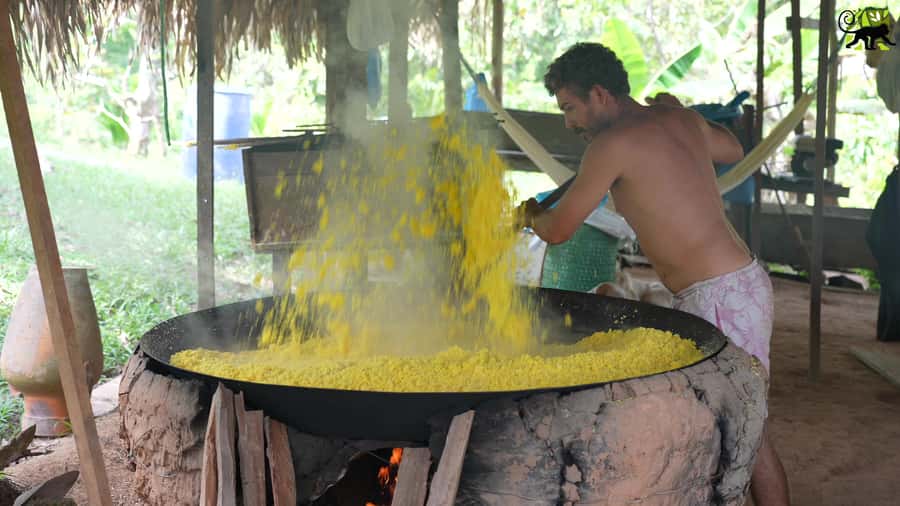
On the three-day trip, the morning from 8 AM to 11 AM is spent visiting a local family. You see how people live in the forest and learn about a way of life shaped by rivers, weather, and limited access to city services.
The visit gives the trip a human side, though it may feel quieter than fishing or animal spotting. You should treat it as a cultural visit rather than a performance. Small gifts such as toys, comic books, or useful items are welcomed, but do not hand money to children.
After lunch, the three-day group leaves for Manaus, arriving around 4:30 PM. This shorter option works well if you want a concentrated introduction without spending several nights away from the city.
On the four and five-day versions, the afternoon continues with more canoeing through small channels and another chance to spot birds, monkeys, caimans, and dolphins. At around 3 PM, you leave the lodge to camp in a remote part of the forest.
Your guide provides a hammock and mosquito net, helps set up camp, and assists with dinner. This is not a hotel night with a few rustic touches. You sleep outdoors, listen to the forest around you, and manage basic comfort in a way that connects the activity to older forms of travel in the Amazon.
After dinner, you may try spear fishing for piranhas. The activity is unusual and memorable, but it also requires patience, balance, and comfort around darkness, insects, and wet conditions. If you prefer predictable evenings and a proper bed, the three-day version may be the better choice.
Day four and five: survival skills and another camp
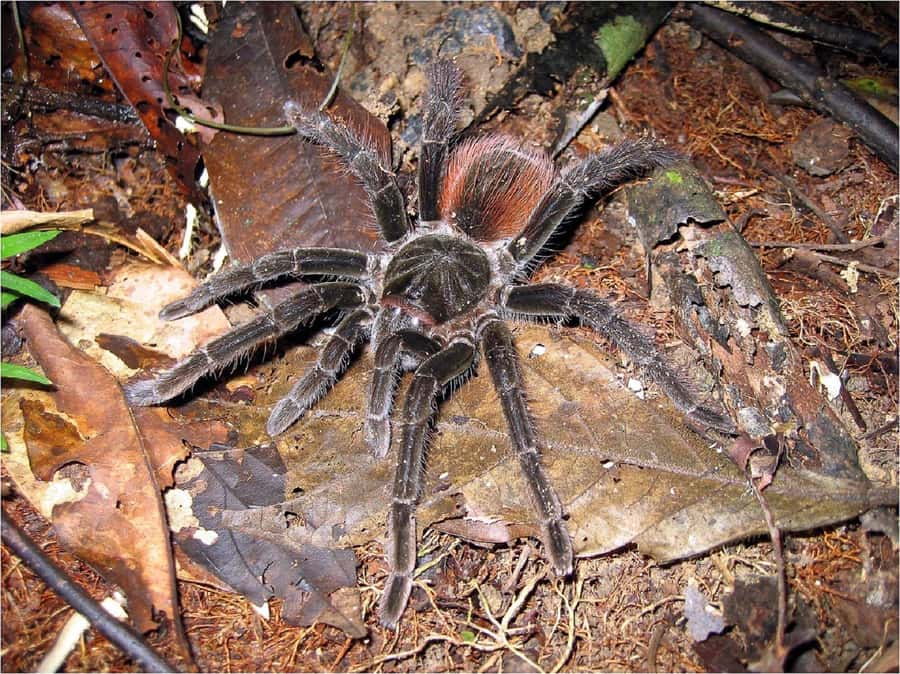
The four-day program includes forest survival lessons, more trekking and canoeing, and a return to the lodge for lunch. You then leave for Manaus, reaching the city around 4:30 PM.
The five-day option adds another night in the forest. You return to the lodge around 11 AM on the final day, eat lunch, and leave around 1 PM. Arrival in Manaus is expected between 4:30 and 5 PM.
The extra days make sense if your priority is time outdoors rather than collecting more standard sightseeing stops. You get a slower pace, another chance at wildlife, and more practice with forest camping. The drawback is that routes can repeat, and the same types of activities may appear again.
One practical point: the return transfer may not fit an afternoon flight. If you need to leave Manaus on an afternoon departure, a morning transfer is available for an extra charge, but confirm the exact fee before booking because the stated amount appears unusually high.
Is the 1,100 dollar price good value?
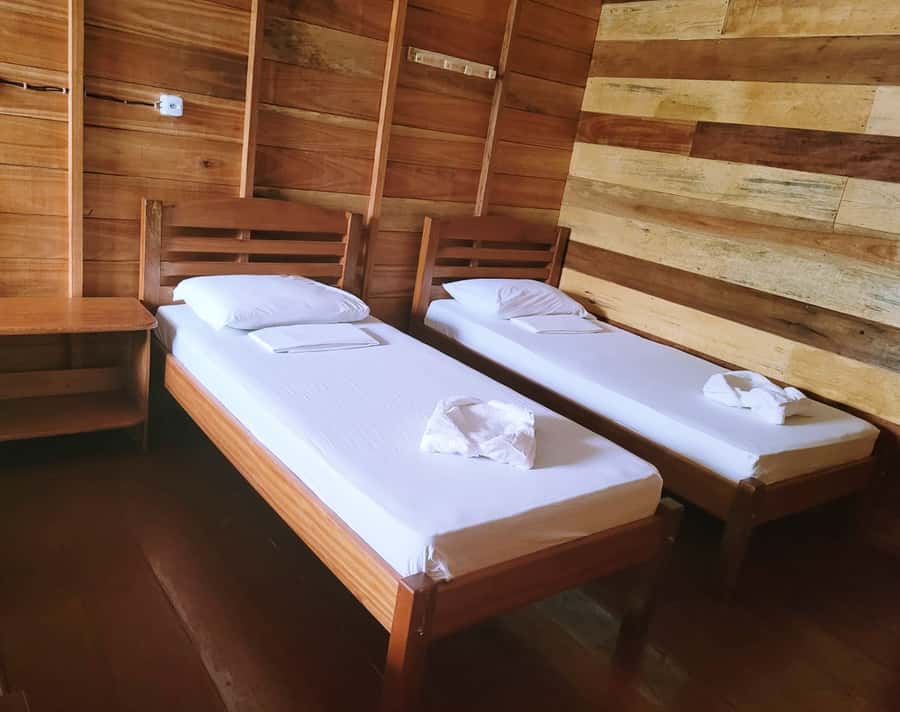
At $1,100 per person, this is not a cheap side trip from Manaus. The price makes more sense when you count what it covers: transfers from Manaus, boat and van transport, accommodation, three meals a day, mineral water with meals, guided activities, and return transport to your hotel or airport.
You are also paying for access. Reaching the lodge involves several transport stages, and the longer trips include equipment support for hammock camping, guides, meals, and local routes that would be difficult to arrange alone.
I would see the three-day option as the best value for a first Amazon visit. It includes the main experiences, such as sunrise, sunset, piranha fishing, caiman spotting, forest trekking, and the family visit. The four-day trip is a good middle choice if you want one night outdoors without committing to the longest program.
The five-day option suits you only if you genuinely want more time in the forest. It is not automatically better because it is longer. The longer stay is worth the added cost for people who enjoy camping, slow wildlife searches, and a less polished daily routine.
What to pack for the Amazon
Pack light. The luggage limit is 25 pounds, or 12 kilograms, per person, and large bags are not accepted on the trip. Leave excess luggage at your Manaus hotel or the local partner office.
Bring:
- Comfortable walking shoes and sandals
- Insect repellent and sunscreen
- A hat or cap and sunglasses
- Comfortable clothing and a change of clothes
- Rain gear or a rain jacket
- A small water bottle
- A camera or phone
- Binoculars
- Cash
- Passport or identity card
Boots, raincoats, telescopes, and lights are not listed as standard equipment. One useful suggestion is to ask if these can be rented or supplied before you depart. A headlamp or small flashlight would be especially useful for night outings and hammock camping, but confirm what is provided.
Do not bring pets, oversized luggage, or large bags. Pregnant people and wheelchair users should not book this activity because of the boat transfers, uneven forest paths, and camping arrangements.
Who should book the Tapiri trip?
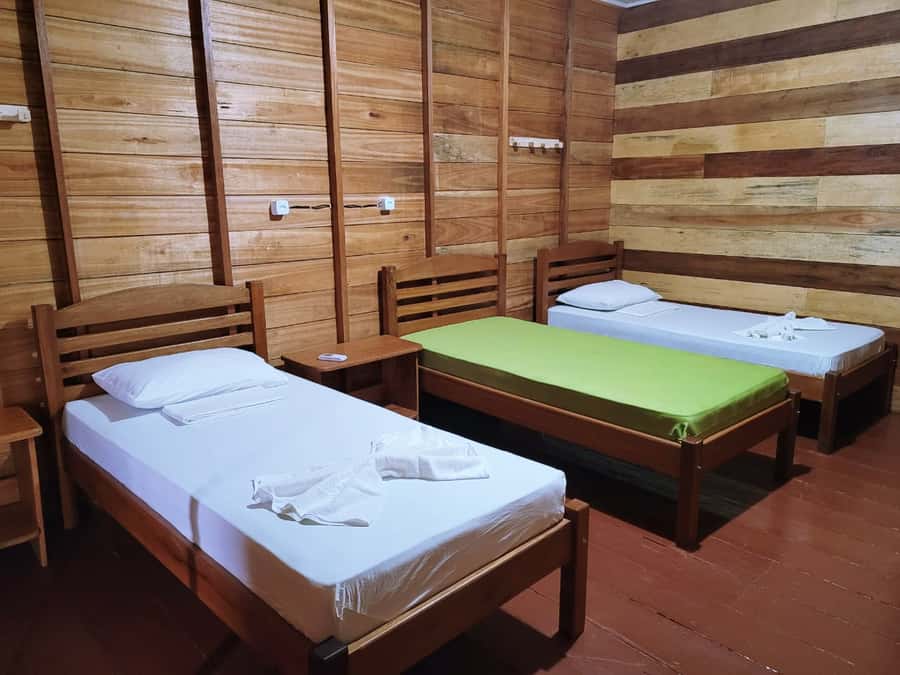
I would choose this experience if you want a broad introduction to the Amazon with both comfort and adventure. It works particularly well for people who want organized transport, local guides, regular meals, and a chance to camp without arranging every detail alone.
It is also a good fit if you enjoy learning how plants, insects, rivers, and local communities connect. The forest walk and family visit add meaning to the animal outings, while the lodge gives you a comfortable place to recover.
I would hesitate if your only goal is to see a long list of animals. Sightings are unpredictable, and some outings may follow similar routes. You should also think twice if heat, insects, early mornings, wet clothes, or hammocks sound miserable.
Should you book this Amazon trip?
Book it if you want a well-organized introduction to the Amazon that includes real outdoor time, not just a boat ride and a lodge view. The three-day version gives you the strongest balance of activities, comfort, and price.
Choose four days if sleeping in a hammock is part of the appeal. Choose five only if you want the forest itself to be the main event. Bring light luggage, proper rain gear, insect repellent, and realistic expectations about wildlife, and this trip can give you a memorable look at Amazon life without requiring a full expedition.
FAQ
How long is the Tapiri Floating Lodge trip?
You can book the trip for three, four, or five days.
What time is pickup in Manaus?
Pickup is around 7:30 AM from hotels in downtown Manaus. Pickup from hotels outside downtown is around 7 AM. Airport pickup is available with flight details provided in advance.
Is transportation from Manaus included?
Yes. Transfers between your Manaus hotel or airport and the lodge are included, along with the speedboat, van, and canoe portions of the route.
What languages do the guides speak?
Guides are available in English and Portuguese.
How many people are in the group?
The group is limited to 12 participants.
What accommodation is provided?
You stay in a private air-conditioned apartment at the lodge, with netting provided on the beds. Longer trips also include hammock camping with mosquito nets in the forest.
Are meals included?
Breakfast, lunch, and dinner are included. Mineral water is provided during meals. Soft drinks and alcohol are not included.
Can I see dolphins and caimans?
The program includes dolphin watching and night caiman spotting. Wildlife sightings are possible but cannot be guaranteed.
When can I canoe through flooded forest?
Canoeing through forest or creek areas is offered during the rainy season, approximately April through August. From August through March, some of these outings are done on foot because there is less water.
How much luggage can I bring?
The maximum is 25 pounds, or 12 kilograms, per person. Excess luggage must remain at your Manaus hotel or the partner office.
Can I cancel the booking?
You can cancel up to 24 hours in advance for a full refund. The reserve-now, pay-later option lets you hold a place without paying immediately.
Just added in Manaus
- From Manaus: Negro River Half-Day Trip★ 4.7 · 20 reviews
- Manaus: Food Tour★ 4.1 · 26 reviews
- Amazon Experience: Indigenous culture and nature phenomenon★ 4.4 · 10 reviews
- From Manaus: 3 or 4-Day Rio Negro & Anavilhanas River Cruise★ 4.2 · 32 reviews
- Manaus: Amazon Jungle Half-Day Walking Tour★ 4.8 · 14 reviews
- Manaus: 2-Day River Tour With Overnight Stay★ 4.7 · 53 reviews
- Manaus to Santarém: 36-Hour Ferry on the Amazon★ 3.9 · 55 reviews
- Manaus: Piranha Fishing and Alligator Watch Evening Tour★ 4.5 · 57 reviews
Amazon Rainforest Tours, compared.
Jungle Waterfalls and Cachaça Distillery Jeep Tour
Read our review →

Piranha Fishing and Alligator Watch Evening Tour
Read our review →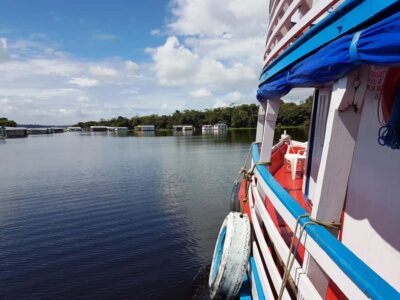
Manaus to Santarém: 36-Hour Ferry on the Amazon
Read our review →Browse the lists this tour appears in