
Reviewed · RIO DE JANEIRO
Rio de Janeiro: Local Experience in Forró dance
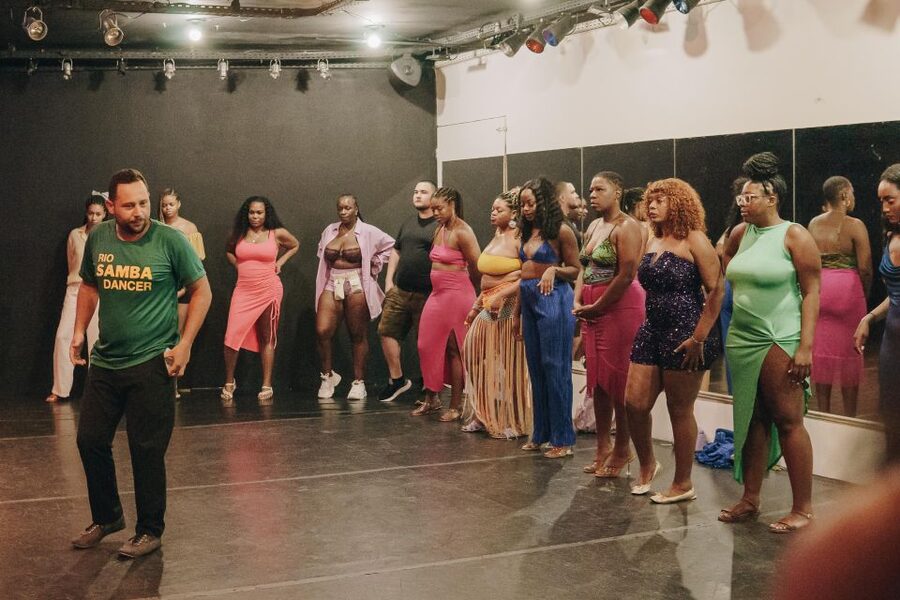
Rio’s Forró night begins quietly, in a blue house beside General Osorio metro station. First comes a one-hour class with Bruno, a teacher who explains the rhythm, footwork, and dance frame in clear English. Then you head to a local club for live music and the real test: dancing among people who know Forró well.
I like two things here. You learn before you watch, so the club feels less mysterious. And the class leads to a genuine local night out, not a staged show built for visitors. The main thing to consider is the late-evening logistics: transportation back to your lodging is not included, though your guide helps you arrange it.
This is a good pick if you want Brazilian music with a social side. Forró is less familiar to many visitors than samba, but that is part of its appeal. You can dance, watch, or do both.
Key points to know before you book
- The class starts beside General Osorio metro station: Look for Casa do Caminho, a blue house that also operates as a Portuguese language school.
- Bruno teaches beginners step by step: No partner or previous dance experience is required.
- The club is a real local Forró venue: Expect a traditional setting rather than a tourist performance.
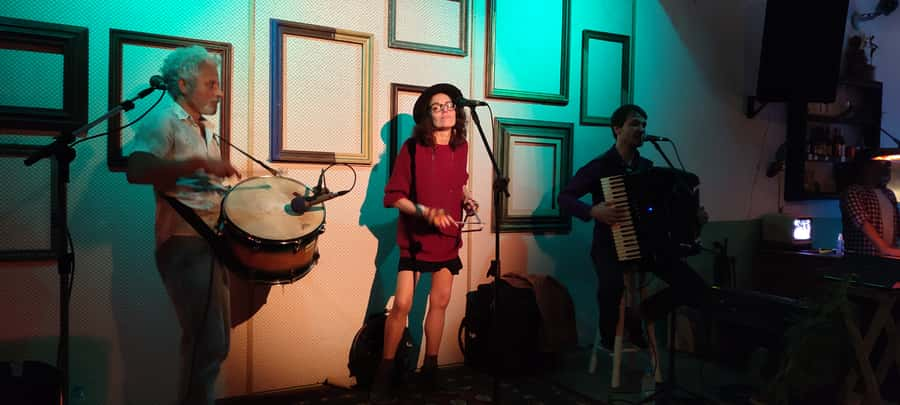
- A live band provides the night’s soundtrack: You can dance or simply watch local dancers.
- Transport covers only the move to the club: You are responsible for getting back, with guidance from the teacher.
- Wednesday is the night to plan for: This experience runs every Wednesday and lasts about 210 minutes.
Why Forró makes a good Rio night out
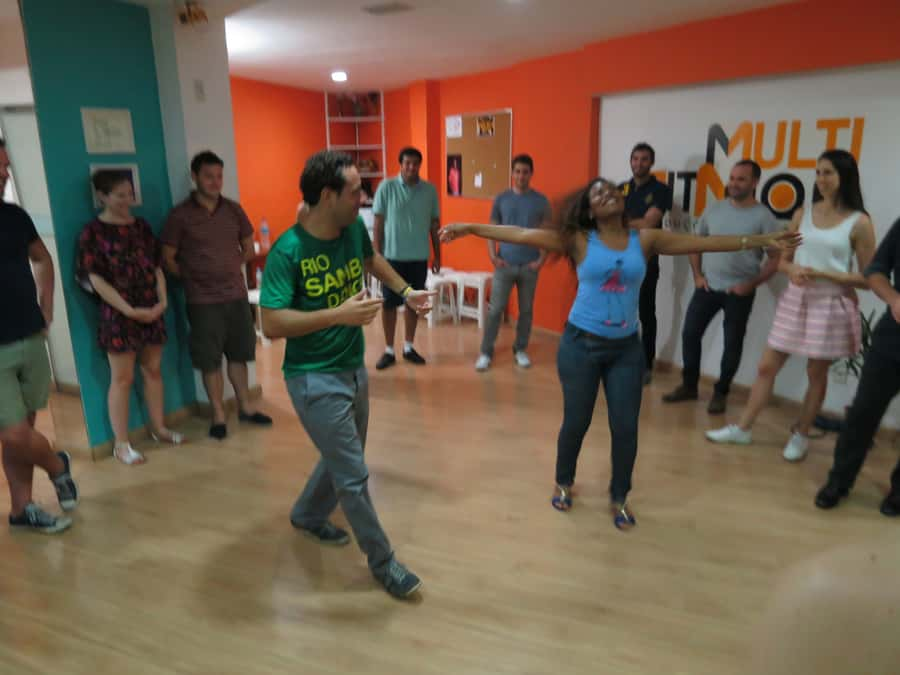
Forró comes from northeastern Brazil and remains a beloved social dance. It is close and rhythmic, but the basic steps are approachable. You do not need to arrive with polished salsa skills or a dance partner in tow.
That matters because many dance activities leave beginners standing at the edge of the room. Here, the first hour gives you a working set of steps before you enter the club. You learn enough to recognize the rhythm and join in if you feel ready.
Forró also offers a different view of Brazilian culture than the better-known samba circuit. Samba has its place in Rio, of course, but Forró brings its own music, movement, and social customs. The point is not to perform for an audience. It is to share a dance floor.
I like that the evening includes both instruction and observation. You can try the footwork, watch skilled dancers, and decide how much you want to participate. Even if your dancing stops after the class, the club remains a useful cultural experience.
More Tours in Brazil
- Rio de Janeiro: 6-Stop Highlights of Rio with Lunch
★ 4.4 · 5,157 reviews - Christ the Redeemer Entry Ticket by Corcovado Train
★ 4.4 · 4,476 reviews - Rio de Janeiro: Rocinha Favela Walking Tour with Local Guide
★ 4.8 · 3,052 reviews
Meeting at the blue house in Ipanema
The meeting point is next to General Osorio metro station in Ipanema, at Casa do Caminho. It is a blue house that also serves as a Portuguese language school.
Give yourself enough time to find the building. The metro reference is useful, but you still need to identify the house itself. Since the activity takes place on Wednesday, check the exact starting time when you book.
The location is practical for anyone staying in or near Ipanema. It also gives the evening a local, everyday beginning rather than a hotel pickup or a large tour office. You meet your instructor there, get settled, and begin with the class.
The experience is offered in English, Portuguese, and Spanish. That is especially helpful during a dance lesson, where a small misunderstanding about direction or rhythm can make a step feel harder than it is.
Bruno’s one-hour beginner class
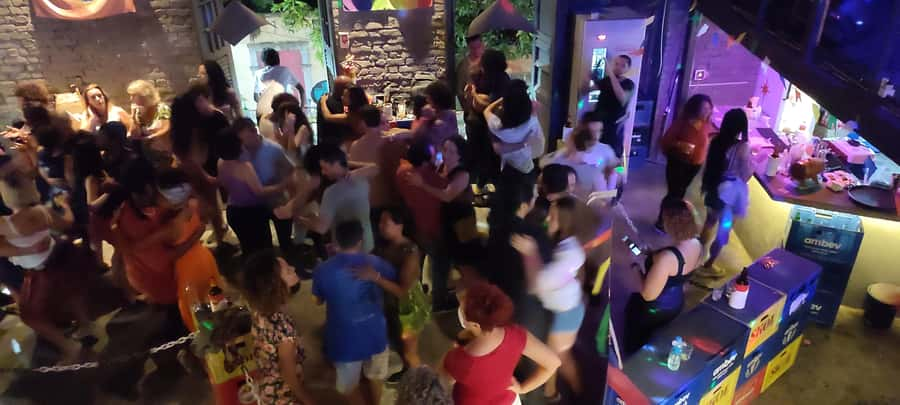
The first hour is the foundation of the evening. Bruno teaches the basic Forró frame, rhythm, and footwork, building the dance in small steps. You do not need a partner because the teacher can guide you, and the activity is designed for complete beginners.
A verified participant named Edwin had some prior salsa experience and found the class useful for understanding the specific Forró frame, rhythm, and footwork. That is a good clue about the lesson’s level. Experienced social dancers may recognize some ideas, but they should not expect Forró to feel exactly like salsa.
If you have never danced before, focus on three simple goals:
- Hear the beat.
- Keep the basic step steady.
- Stay relaxed while changing direction.
You are not there to master every variation in one hour. You are learning enough to enter the social setting with some confidence. The teacher guides you through the movement rather than expecting you to copy a fast performance.
Bruno’s English is described as very strong, and his instructions are clear. That makes a real difference for a beginner class. Dance teaching depends on precise explanations, especially when the teacher is showing how the body position and footwork work together.
The class also gives you a chance to ask questions before the night gets busy. If a step feels awkward, this is the best time to sort it out. Once you reach the club, the music and movement may be less controlled.
Moving from class to the local club
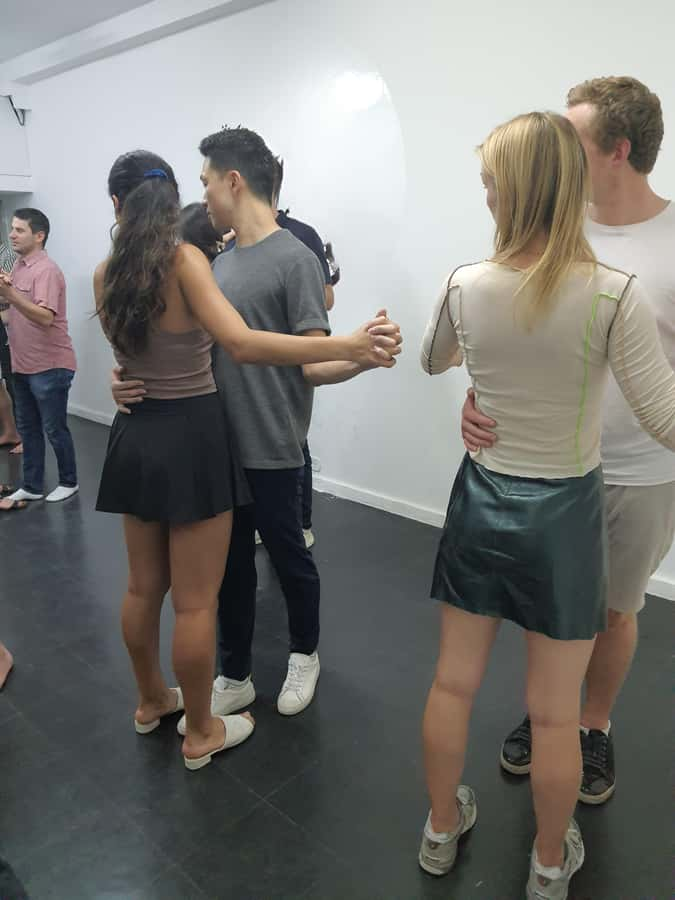
After the lesson, the group travels together to the Forró club. Transportation from the class to the venue is included, so you do not need to solve that part of the evening on your own.
The club is a local and traditional dance spot, not a venue designed mainly for visitors. That is the heart of the experience, but it also means you should adjust your expectations. The setting may feel less polished or predictable than a formal cultural show. You are entering a place where people come to dance.
Your teacher is also your guide. For part of the evening, he remains with the group and can serve as a familiar dance partner if you want to try the steps. This is helpful for anyone who feels shy about joining the floor alone.
The guide later leaves, so the evening is not fully escorted from start to finish. That is worth knowing before you book. You get support while entering the club and beginning the night, but you should be comfortable spending part of the evening without the guide beside you.
The guide will help you arrange transportation back afterward. Still, the actual ride back to your accommodation or meeting point is not included. Ask about the return plan before the guide departs, and keep your phone charged.
Same city, a different sort of day:
- Rio: Christ the Redeemer, Sugarloaf, Selaron & BBQ Lunch
★ 4.5 · 2,428 reviews - Rio De Janeiro: Half-Day Rocinha Favela Walking Tour
★ 4.7 · 2,272 reviews - Rio de Janeiro: Angra dos Reis and Ilha Grande Full-Day Tour
★ 4.6 · 1,673 reviews - Rio de Janeiro: Beginner Samba Lesson in Ipanema
★ 4.9 · 1,071 reviews
What the live Forró night is really like
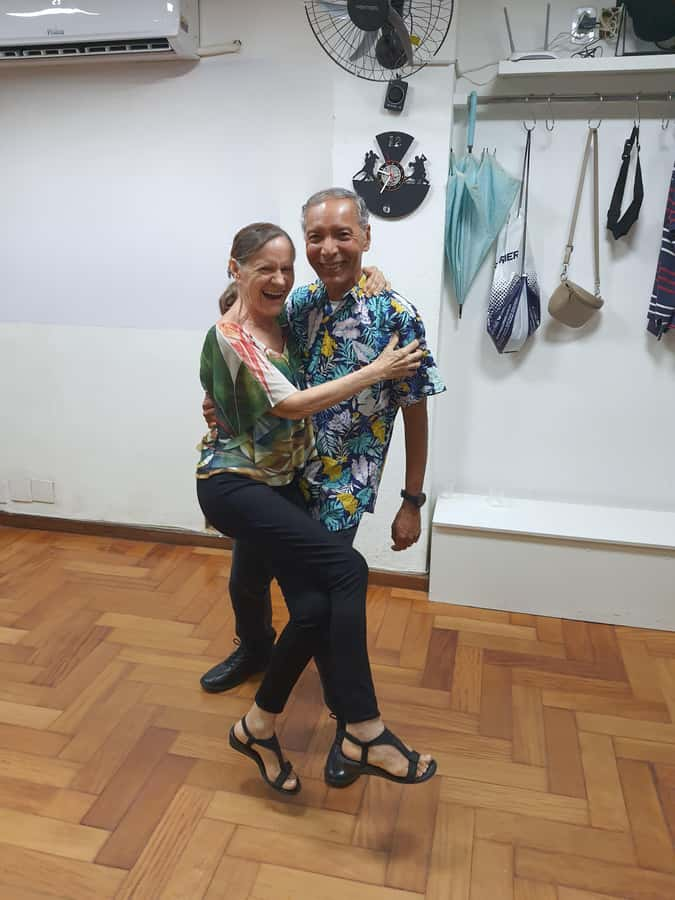
The club portion adds the part a classroom cannot provide: live music, local dancers, and a social dance floor. A Forró band supplies the music, giving you a chance to hear the style in its natural setting.
You can dance if you feel ready. You can also sit back and watch. That second option is not a failure. Watching local dancers is one of the best ways to understand the timing, closeness, and flow of Forró.
If you do dance, remember the goal is participation, not a perfect display. Your first hour has prepared you for the basic rhythm, but local dancers may move with far more ease. Let the music guide you and keep your steps simple.
The presence of a live band also gives the night more character than a recorded lesson or a dance demonstration. You are not simply checking off a Brazilian activity. You are hearing music in the setting where people use it for social connection.
The club is also the place where the experience becomes less controlled. Noise, crowds, changing partners, and a faster pace can all make dancing harder. That is part of the value, but it may not suit someone who wants a quiet or carefully staged evening.
What to wear and bring
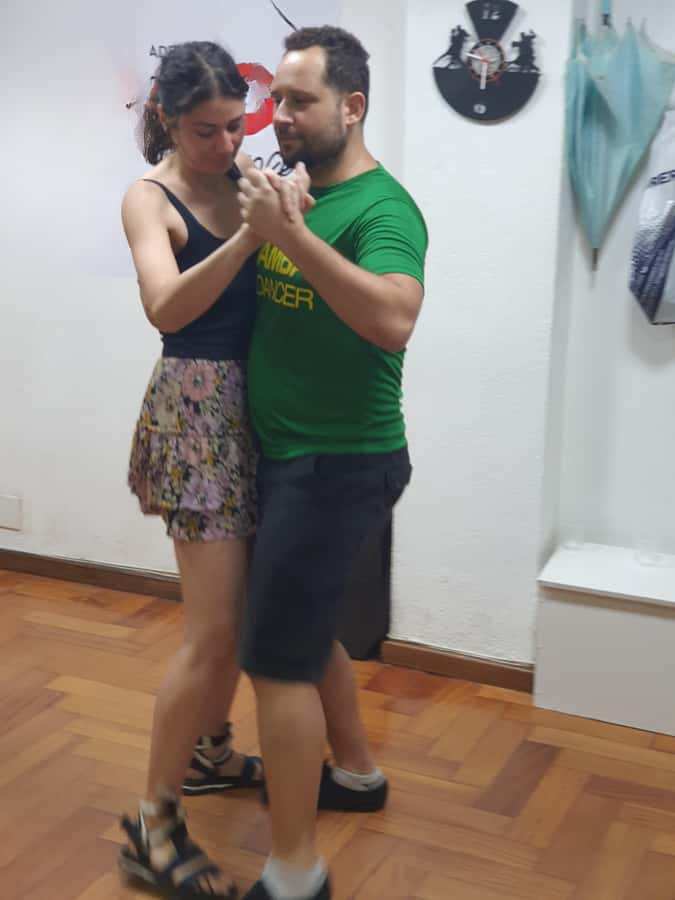
Choose casual, comfortable clothing that allows you to move. Rio is hot and tropical, so dress lightly and plan to stay hydrated.
You do not need formal dancewear. Comfort matters more than appearance, especially during the class and the club portion. Wear something that lets you move easily and shoes that feel secure.
Food and drinks at the club are not included. Plan to pay for anything you order inside. Since the evening lasts about three and a half hours, consider eating beforehand or budgeting for refreshments.
You should also plan for the return journey. The included transportation takes you from the class to the club, not back to your lodging or original meeting point. Your guide helps with the return, but the cost is your responsibility.
Is the 57 dollar price fair?
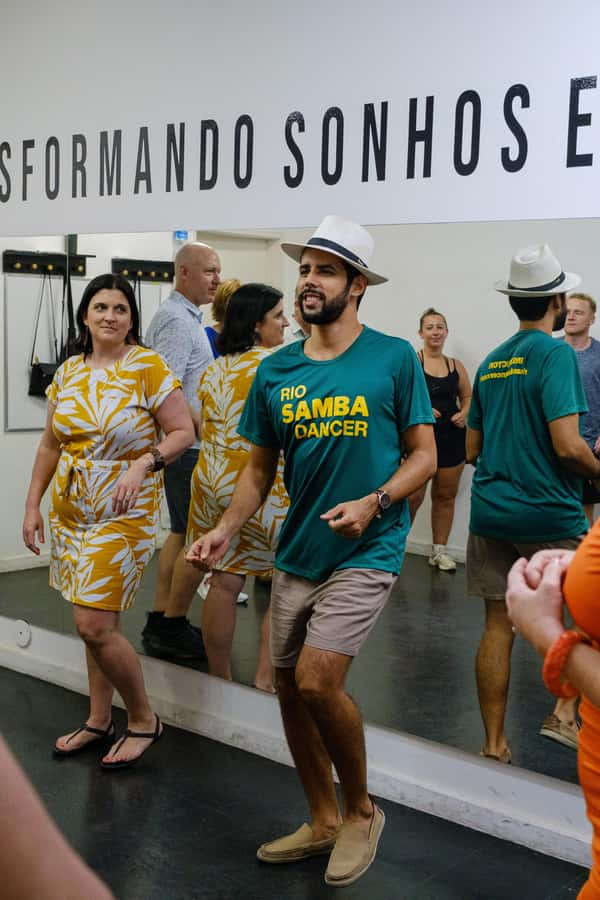
At $57 per person, the experience combines a one-hour private-style learning component with transportation to the club, entry, and live music. The value depends on what you want from a night in Rio.
If you would otherwise pay separately for a beginner dance class, club entry, and a guided introduction to a local venue, the price is reasonable. You are paying for the bridge between visitor and participant. The lesson makes the club easier to understand, while the guide removes some of the uncertainty of finding the venue alone.
The price is less attractive if you only want to watch a show. This is not a seated performance with a fixed program. You are paying for instruction and access to a social night, with the option to dance.
Remember to add the cost of food, drinks, and transportation back. Those expenses are outside the $57 price. The value is strongest for someone who wants to learn a little and then experience the music in person.
Who will enjoy this Wednesday experience?
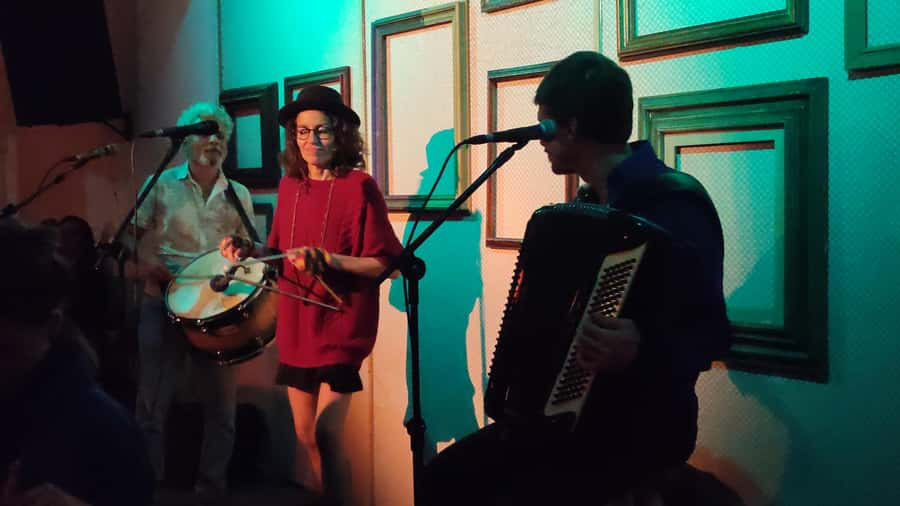
I would recommend it to solo visitors, couples, and friends who want a social activity. Solo participants do not need to bring a partner, and the teacher can help them get started.
It also suits people who are curious about Brazilian culture but do not want another standard sightseeing stop. The class gives you context, while the club gives you a chance to see how the dance functions as part of local nightlife.
Beginners should feel comfortable booking. The lesson is designed for them, and Bruno’s clear explanations are a major advantage. People with salsa experience may pick up the rhythm more quickly, but Forró has its own frame and footwork.
This may not be the best choice if you need a tightly managed evening. The guide stays for only part of the club visit, and your return transportation is not included. It is also not ideal if you dislike dancing, though you can still attend the club and watch.
Timing, cancellation, and practical planning
The full activity lasts 210 minutes, or three and a half hours. It runs every Wednesday, so fit it into your Rio plans accordingly.
You can cancel up to 24 hours in advance for a full refund. The reserve-now-and-pay-later option also keeps your plans flexible, which helps if your schedule in Rio is still changing.
The activity includes skip-the-ticket-line access, which reduces waiting at the club. It does not mean the venue operates like a large tourist attraction. The main benefit is simply getting inside without adding another queue to the evening.
Before leaving for the meeting point, check the starting time and make sure you know the blue Casa do Caminho building. Bring water, wear comfortable clothes, and decide how you will return before the night begins.
Should you book this Forró night?
Book it if you want to do more than watch Brazilian culture from the sidelines. The one-hour lesson with Bruno gives you a clear introduction to Forró, and the live band provides a genuine reason to use what you learned.
The strongest parts are the beginner-friendly teaching, the local club, and the chance to dance where locals actually go. The tradeoffs are equally clear: you pay for your own drinks and return transport, and the guide eventually leaves.
For someone who enjoys music, social dancing, and a little uncertainty, this is a memorable Wednesday plan. If you prefer a polished show, a fixed schedule, or a fully escorted evening, choose another activity. If you want a friendly entry into Rio’s local Forró scene, this experience is well worth considering.
FAQ
Where does the Forró experience meet?
It meets next to General Osorio metro station in Ipanema, at Casa do Caminho. The building is a blue house and also operates as a Portuguese language school.
Does the activity run every day?
No. The experience takes place every Wednesday.
How long does the experience last?
The full activity lasts 210 minutes, or about three and a half hours.
Is the Forró class suitable for complete beginners?
Yes. The class is designed for beginners, and no previous dance experience is required.
Do I need to bring a dance partner?
No. You do not need a partner. The teacher guides you through the steps and can dance with you if needed.
Who teaches the class?
The teacher and guide is Bruno. He speaks English, Portuguese, and Spanish, and his instructions are described as clear in English.
What happens after the class?
The group travels together by transport to a local Forró club. Entry to the club and the live Forró band experience are included.
Can I attend if I do not want to dance?
Yes. You can watch the local dancers and listen to the live band without dancing.
Is transportation back to my accommodation included?
No. Transportation from the class to the club is included, but your return transportation is not. The guide helps you arrange transportation afterward.
Are food and drinks included?
No. Food and drinks at the club are not included in the price.
What should I wear?
Wear casual, comfortable clothing suitable for dancing. Because Brazil is hot and tropical, light clothing and good hydration are recommended.
Just added in Rio de Janeiro
- Rio de Janeiro: Zip Lining and Canopy Tree Tour★ 3.3 · 6 reviews
- Vidigal Favela Tour★ 4.4 · 26 reviews
- Unforgettable Boat Party★ 5.0 · 3 reviews
- Rio de Janeiro: Attend a Vasco da Gama game with local guide★ 4.8 · 9 reviews
- Hang gliding flight in Rio de Janeiro★ 5.0 · 6 reviews
- Rio Highlights: Christ, Sugarloaf, and More in a Private Tour★ 5.0 · 36 reviews
- Tijuca Forest Hike – Waterfalls & Caves, Nature & Wild Life!★ 5.0 · 51 reviews
- Rocinha Walking Tour: Get a Feel for the Brazil’s Largest Favela (Shared Group)★ 5.0 · 37 reviews
Tours in Rio de Janeiro, compared.


Christ the Redeemer Entry Ticket by Corcovado Train
Read our review →

Christ the Redeemer, Sugarloaf, Selaron & BBQ Lunch
Read our review →