Reviewed · RIO DE JANEIRO
Rio de Janeiro Downtown Tour
Rio’s downtown is a big puzzle of stadiums, churches, government buildings, old squares, and modern city life. This tour gives you the broad picture in three packed hours, with stops at the Sambadrome, Selarón Steps, the Metropolitan Cathedral, and São Bento Monastery.
I like the easy hotel pickup and the chance to see far more ground than you could cover on foot in one short afternoon. I also like the mix of famous places and less obvious sights, such as Itamaraty Palace and Campo de Santana. The tradeoff is important: much of the tour happens from an air-conditioned minivan, so traffic can reduce your time outside.
Key points at a glance
- Maracanã and the Sambadrome: See two places tied to Rio’s football and Carnival identity, including Bellini’s statue.
- Lapa’s Selarón Steps: Stop at Jorge Selarón’s colorful staircase, one of the tour’s most distinctive photo spots.
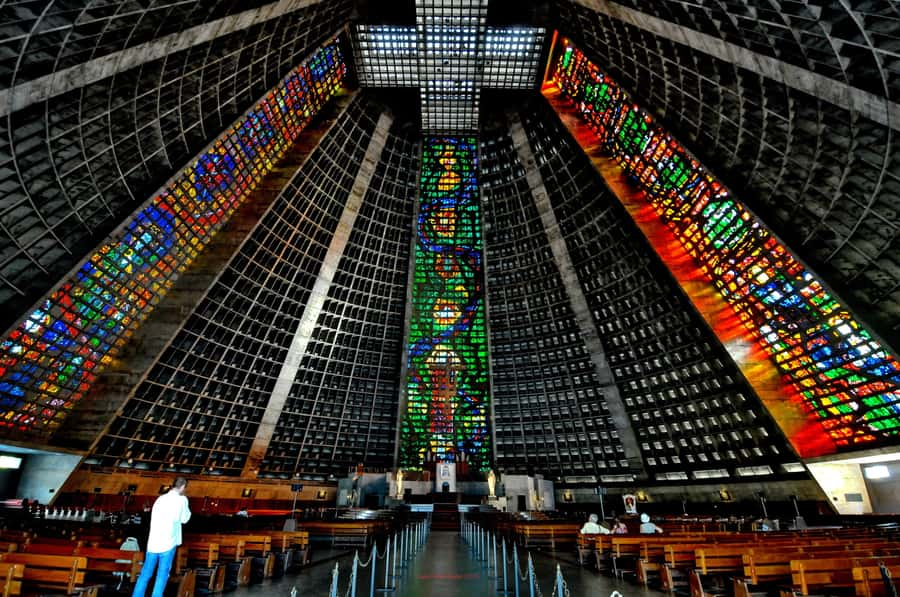
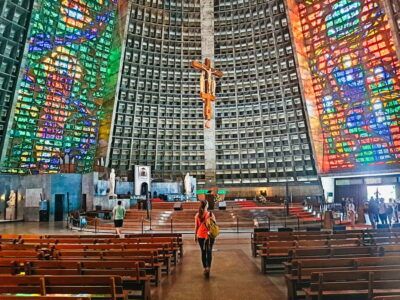
- The Metropolitan Cathedral: Enter a cone-shaped modern church with dramatic stained-glass panels and a bold design.
- São Bento Monastery: See a plain exterior that gives way to ornate Baroque and Rococo decoration inside.
- Aterro do Flamengo return: Pass the Museum of Modern Art, World War II monument, Outeiro da Glória, Flamengo, and Botafogo beaches.
- Short, vehicle-heavy format: Best for a first look at central Rio, less suitable if you want long visits at every stop.
A fast introduction to Rio’s downtown core
This is a city orientation tour with a cultural bent. You start in the south-zone hotel districts, then head toward the stadiums and central neighborhoods before returning along the waterfront.
The route covers a lot. You see football, Carnival, colonial and imperial-era buildings, modern Brazilian architecture, religious art, and famous public spaces in one compact outing. That variety is the main reason to book it.
The guide and driver matter here. Several guides have received especially warm praise, including Meilin, Cabo, Mailee, and Monica. One solo participant had a private-feeling trip, with the guide and driver adjusting the visit around personal interests. That sort of flexibility can make a short tour feel much more useful.
Still, you should set your expectations correctly. This is not a walking tour of downtown Rio. You will spend meaningful time looking through the vehicle windows, and traffic can slow the route. The three or four main stops need to be treated as highlights, not full museum visits.
More Tours in Brazil
- Rio de Janeiro: 6-Stop Highlights of Rio with Lunch
★ 4.4 · 5,157 reviews - Christ the Redeemer Entry Ticket by Corcovado Train
★ 4.4 · 4,476 reviews - Rio de Janeiro: Rocinha Favela Walking Tour with Local Guide
★ 4.8 · 3,052 reviews
Maracanã Stadium and the Bellini statue
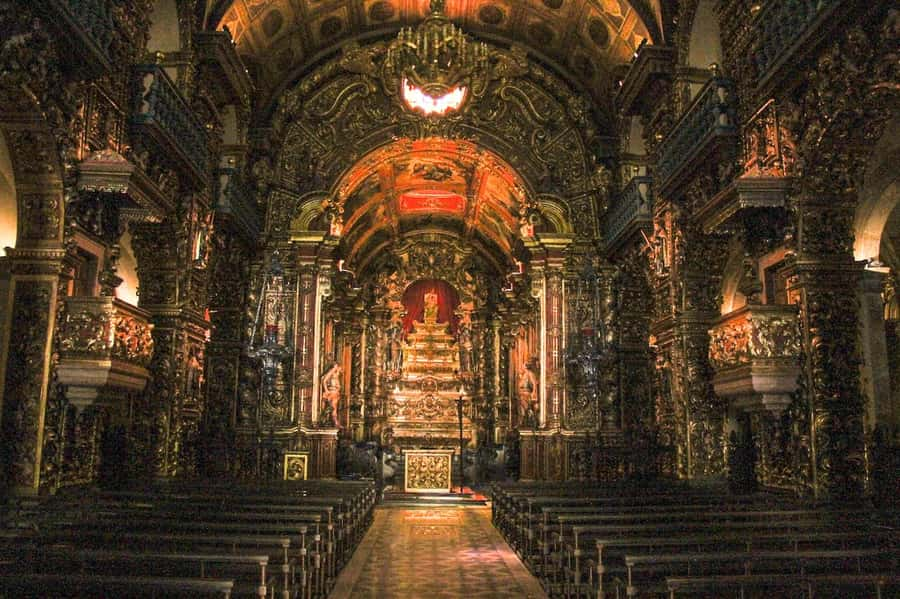
The first major sight is Maracanã Stadium, one of the great names in world football. The tour does not promise a stadium entry or match-day access. Instead, the listed stop centers on Bellini’s statue, a useful place to connect Rio with Brazil’s football culture.
Bellini was a Brazilian football captain, so the statue carries more meaning than a quick photo opportunity. Your guide can provide the context that turns a landmark into part of the city’s story. If you are a football fan, this may be one of the most memorable stops.
The visit is brief, so do not expect a full stadium tour. The value lies in seeing the setting and learning why Maracanã matters to Rio. If football is high on your list, ask your guide at the start how much time can be devoted to this stop.
The Sambadrome and Rio’s Carnival setting
Next comes the Sambadrome, the purpose-built venue for Rio’s main Carnival parade. Even outside Carnival season, the long parade avenue gives you a sense of the event’s scale.
This is a good stop for understanding that Carnival is not simply a street party. Samba schools prepare elaborate performances, costumes, music, and floats for the parade. The Sambadrome is the formal stage where that work comes together.
Again, the tour offers a look rather than a full event experience. You will not get the energy of Carnival night from an empty parade venue, but you can see the place where Rio’s most famous annual celebration unfolds. I find it a smart inclusion because it adds local culture to a route otherwise filled with buildings and viewpoints.
Avenida Presidente Vargas and Rio’s public institutions
The route then follows Avenida Presidente Vargas, a broad central avenue lined with important civic and transport landmarks. Much of this section may be viewed from the minivan, so pay attention to the guide’s commentary.
You pass Central Railway Station, a major point of reference in the city. You also see Duque de Caxias Palace, formerly the headquarters of the Ministry of the Armed Forces, and Itamaraty Palace, formerly the headquarters of the Ministry of Foreign Affairs.
These buildings help explain how Rio functioned as a national capital and administrative center. They are not all arranged as easy, walk-up attractions, which is why a guided drive has practical value. You get the names and setting without spending your limited time navigating a large downtown area on your own.
The drawback is visibility. Traffic, parked vehicles, and the pace of the route can make some buildings easy to miss. If you want photographs, have your camera ready and ask when a structure is coming up.
Same city, a different sort of day:
- Rio: Christ the Redeemer, Sugarloaf, Selaron & BBQ Lunch
★ 4.5 · 2,428 reviews - Rio De Janeiro: Half-Day Rocinha Favela Walking Tour
★ 4.7 · 2,272 reviews - Rio de Janeiro: Angra dos Reis and Ilha Grande Full-Day Tour
★ 4.6 · 1,673 reviews - Rio de Janeiro: Beginner Samba Lesson in Ipanema
★ 4.9 · 1,071 reviews
Campo de Santana, Tiradentes Square, and the old center
The minivan continues past Campo de Santana and along Avenida Passos toward Tiradentes Square. These spaces provide a change of scale from broad avenues to the older center of Rio.
Campo de Santana is a major urban park and an important central reference point. Tiradentes Square carries the name of Joaquim José da Silva Xavier, known as Tiradentes, a figure associated with Brazil’s independence movement.
You may not have much time to explore either area on foot. Their main value on this tour is orientation. They help you see how Rio’s central districts connect, and they give your guide a chance to explain the political and civic story behind the streets.
This portion is best for people who want a useful overview rather than a long list of photo stops. If your interest is mainly architecture, ask the guide to point out the details on the route instead of trying to photograph everything through glass.
Lapa Arches and the bohemian side of Rio
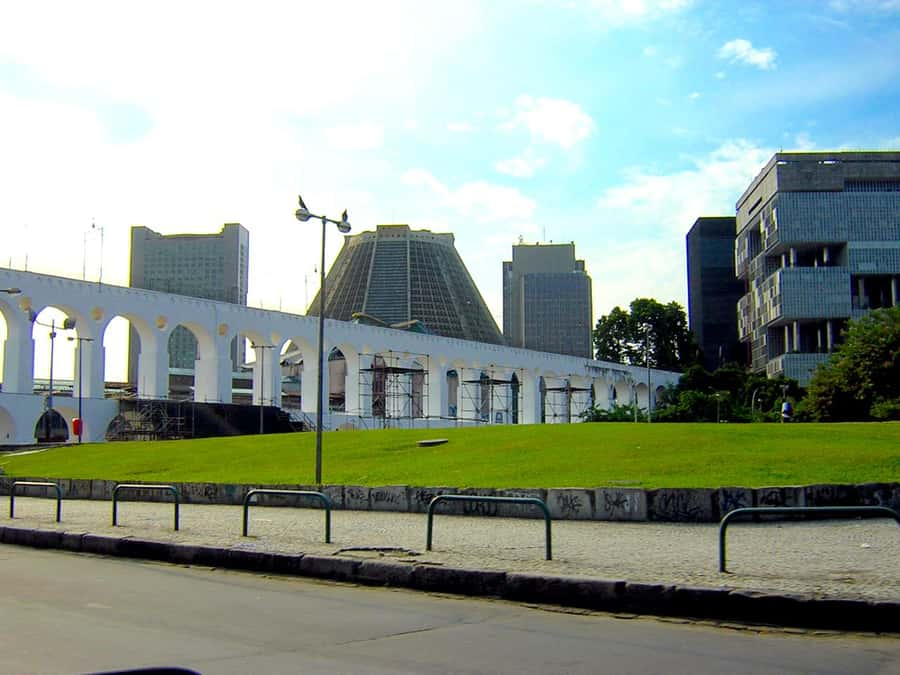
Lapa is one of Rio’s best-known central neighborhoods, and the Lapa Arches are its most recognizable structure. The white arches were built as an aqueduct and later became part of the city’s tram system.
The neighborhood is also associated with nightlife, music, and an informal arts scene. In daylight, you get a calmer view than you would at night, but the area still gives the tour a different mood from the formal government district.
The route includes Lavradio Street and Avenida Chile as well. Lavradio is associated with older architecture and cultural activity, while Avenida Chile presents a more modern commercial side of downtown.
I like this change of rhythm. Within a short span, you move from official buildings to a neighborhood known for music and street life. The visit is not long enough for a full Lapa walk, but it gives you a reason to return if the area catches your interest.
The Metropolitan Cathedral’s bold modern design
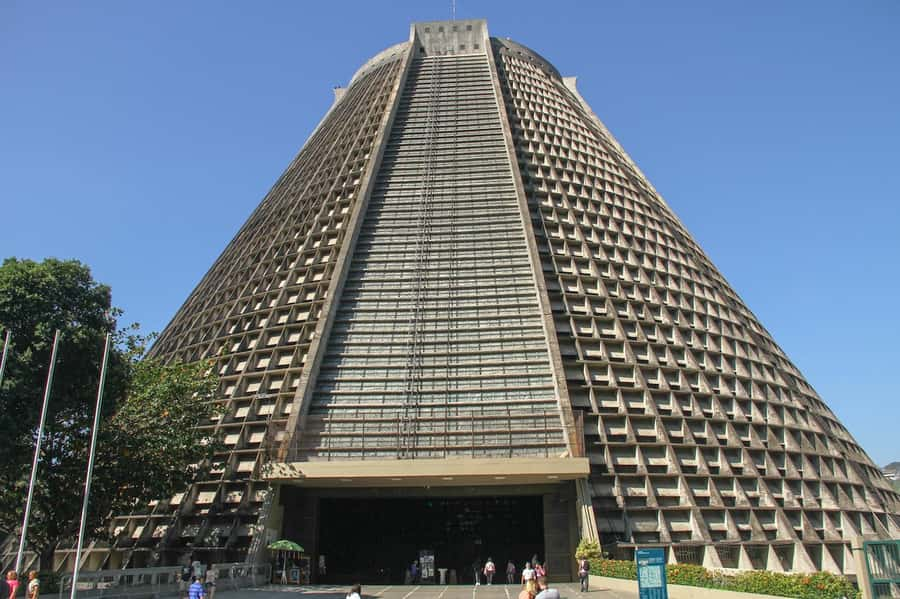
The cone-shaped Metropolitan Cathedral is one of Rio’s most striking buildings. Its exterior can surprise you because it does not resemble the traditional church many people expect in a historic center.
Inside, the scale and modern design are the main draw. Large stained-glass panels rise toward the ceiling, filling the interior with strong color and light. The building is both a working place of worship and a major example of modern Brazilian architecture.
This is one of the stops where a guide adds real value. The building can look severe or abstract from outside, but the interior explains why it is considered a city landmark. Take a moment to look upward rather than rushing straight back to the vehicle.
The visit is still subject to the tour’s short schedule. You will see the cathedral, but you may not have time for a slow architectural study or a lengthy quiet visit.
Selarón Steps in colorful Lapa
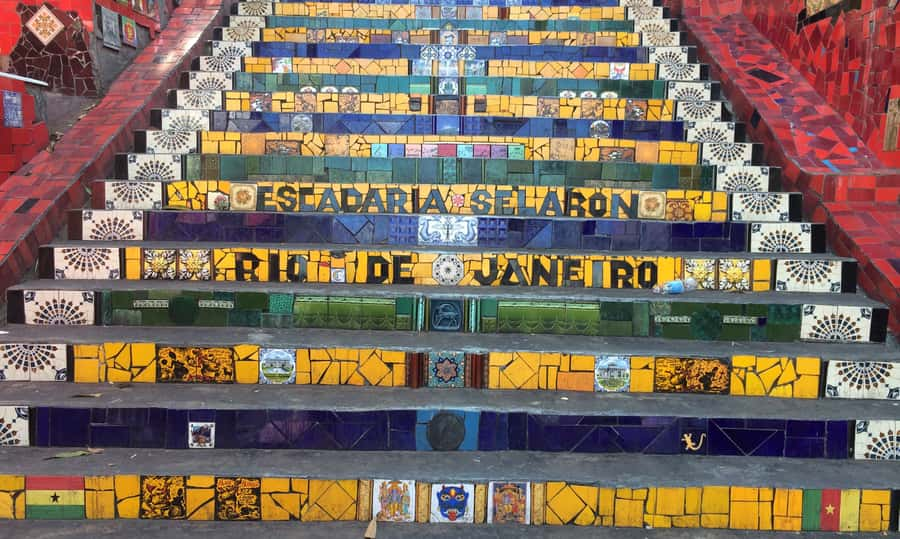
The Escadaria Selarón is likely to be the most visually memorable stop. Artist Jorge Selarón decorated the staircase with tiles in bright green, yellow, and blue, colors associated with the Brazilian flag.
The steps are a personal tribute to the Brazilian people, and the work feels more personal than a standard monument. Every section has a different mix of tile patterns, colors, and small details. You will want a few minutes simply to look around before taking photographs.
This is a genuine highlight, but it is not a private attraction. The staircase is part of the city, so your visit takes place in an active public setting. Keep your belongings close and follow the guide’s instructions about where to stop.
The stairs are also a physical stop rather than a vehicle-viewing stop. Comfortable shoes are sensible, especially if you want to look beyond the first section. The tour does not promise a long climb or extended free time, so use the available minutes well.
São Bento Monastery, plain outside and ornate within
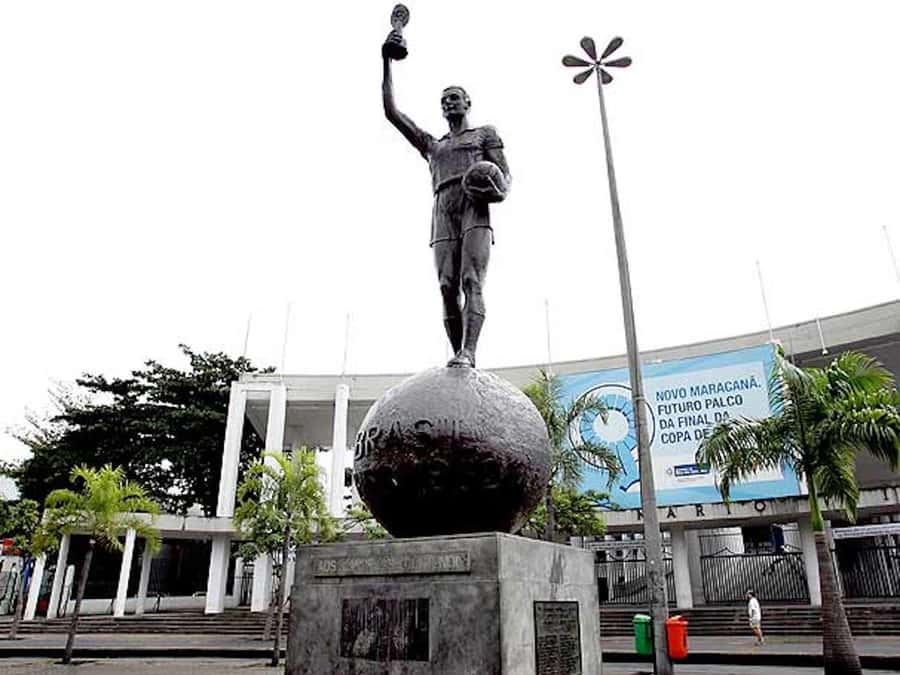
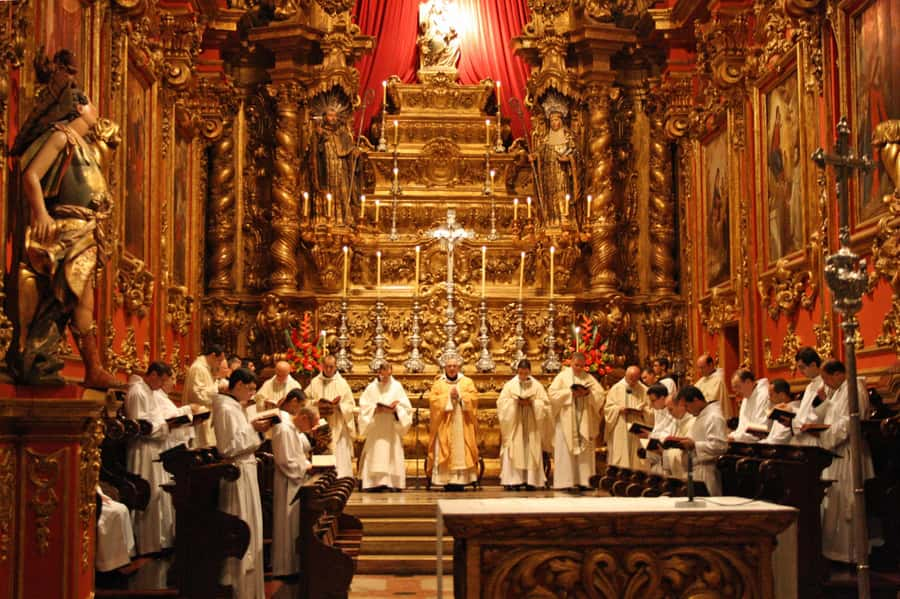
São Bento Monastery offers the strongest contrast on the route. From outside, the complex is restrained and simple. Inside, the decoration becomes lavish, with gilded Baroque carvings, plant motifs, and Rococo work around the high altar, cross vaulting, and Chapel of the Blessed Sacrament.
The effect can be startling. You enter expecting a quiet, austere monastery and find an interior filled with carved detail and gold. It has the feel of a museum, but it remains a religious place, so a respectful tone is important.
I particularly like this stop because it rewards close looking. The Metropolitan Cathedral shows modern Brazilian design, while São Bento shows a very different approach to sacred space. Together, they give you more range than a tour focused only on famous viewpoints.
Time may be limited, and religious services or local conditions can affect what you see. The provided information does not promise a full guided interior visit, so treat this as an important architectural stop rather than a scheduled lecture.
The return along Aterro do Flamengo
The return route follows Aterro do Flamengo, one of Rio’s major open waterfront areas. From the vehicle, you pass the Museum of Modern Art, the Monument to the Fallen in World War II, and the Church of Outeiro da Glória.
You also see Flamengo and Botafogo beaches. These are not beach stops with time for swimming or sunbathing. They are part of the scenic return, giving you a final look at Rio’s relationship with the water and its broad public spaces.
The waterfront section offers a welcome visual break after the dense downtown streets. Keep your camera ready, but do not count on a long stop at each sight. The tour ends with drop-off at selected hotels in Copacabana, Ipanema, or Leblon.
How the three-hour format affects the experience
The tour costs $74 per person and lasts three hours. That price is reasonable if you want a guided introduction, hotel transport, and a carefully planned route across several districts. It is less attractive if you judge value by the amount of time spent walking around each individual attraction.
Transport is included in an air-conditioned minivan, and the group is described as small. That is a practical advantage in Rio, where the route covers too much ground to manage comfortably in a short afternoon without a vehicle.
The main concern is traffic. One guest felt the price was hard to justify because much of the tour was spent in the vehicle, with several sights viewed from the window. That is a fair warning, not a minor detail.
I would book this as a first-day orientation, especially if you have limited time in Rio. I would not choose it as your only downtown visit if you want long periods inside churches, extended photography, or a slow neighborhood walk.
Pickup is offered from most hotels in Leblon, Ipanema, and Copacabana, generally between 2:00 and 2:30 p.m. If you stay outside those areas, the meeting point is the Hilton Hotel Copacabana. Confirm the exact pickup details after booking, since confirmation is subject to availability.
Who will get the most from this tour
This experience suits you if you want to see the major downtown sights without arranging several separate rides. It also works well for a first visit, a short stay, or an afternoon when you want a guide to handle the route.
It is a good match for travelers who enjoy context. The route is not just a string of photo stops. It connects football, Carnival, public institutions, modern architecture, sacred art, and Rio’s waterfront.
Solo visitors may benefit from the small-group setup. One solo booking became a private-style outing, with the guide and driver responding to the visitor’s interests. That is not guaranteed, but it shows why a smaller format can be useful.
The tour is less suitable if you dislike sitting in traffic or need plenty of unstructured time. It is also not the best choice for anyone expecting entry to Maracanã or a full Carnival experience at the Sambadrome, since neither is promised.
Guides speak English or Spanish. The strongest guide feedback names Meilin, Cabo, Mailee, and Monica, with repeated praise for clear explanations, kindness, and attention to individual interests. Your guide may be someone else, but the quality of the guide will shape how much you gain from the drive-heavy sections.
Should you book Rio de Janeiro Downtown Tour?
Book it if you want a broad, guided look at central Rio in one afternoon, with hotel pickup and a small vehicle taking care of the complicated connections. The Metropolitan Cathedral, Selarón Steps, São Bento Monastery, Maracanã, and the Sambadrome make a strong first-time sampler.
Skip it if your priority is slow exploration. In that case, choose a downtown plan that gives you more time on foot and lets you linger at Lapa, the cathedral, and São Bento.
For most visitors, I would use this tour to get oriented, then return independently to the one or two places that deserve more time. Bring comfortable shoes, keep your camera ready during the drive, and remember that the route is about range rather than depth.
FAQ
How long is the Rio de Janeiro Downtown Tour?
The tour lasts three hours.
What time is hotel pickup?
Pickup is generally between 2:00 and 2:30 p.m.
Which hotels are included for pickup?
Pickup is available from most selected hotels in Leblon, Ipanema, and Copacabana.
What if my hotel is outside the pickup area?
The meeting point is the Hilton Hotel Copacabana.
What languages does the guide speak?
Guides are available in English and Spanish.
Is transportation included?
Yes. Transport is provided in an air-conditioned minivan.
Does the tour include hotel drop-off?
Yes. Return to your hotel is included for selected hotels in Copacabana, Ipanema, and Leblon.
Can I cancel for a full refund?
You can cancel up to 24 hours in advance for a full refund.
Just added in Rio de Janeiro
- Rio de Janeiro: Zip Lining and Canopy Tree Tour★ 3.3 · 6 reviews
- Vidigal Favela Tour★ 4.4 · 26 reviews
- Rio de Janeiro: Attend a Vasco da Gama game with local guide★ 4.8 · 9 reviews
- Unforgettable Boat Party★ 5.0 · 3 reviews
- Hang gliding flight in Rio de Janeiro★ 5.0 · 6 reviews
- Rio Highlights: Christ, Sugarloaf, and More in a Private Tour★ 5.0 · 36 reviews
- Tijuca Forest Hike – Waterfalls & Caves, Nature & Wild Life!★ 5.0 · 51 reviews
- Rocinha Walking Tour: Get a Feel for the Brazil’s Largest Favela (Shared Group)★ 5.0 · 37 reviews
Tours in Rio de Janeiro, compared.

Christ the Redeemer Entry Ticket by Corcovado Train
Read our review →

Christ the Redeemer, Sugarloaf, Selaron & BBQ Lunch
Read our review →