
Reviewed · TIJUCA FOREST TOURS
Tijuca National Park and all its wonders!
Tijuca National Park gives you something unusual in Rio: dense Atlantic Forest inside a huge city, with waterfalls, natural pools, caves, and a real chance to spot sloths, monkeys, and coatis. The historic circuit also shows how this forest was once used for coffee growing and livestock.
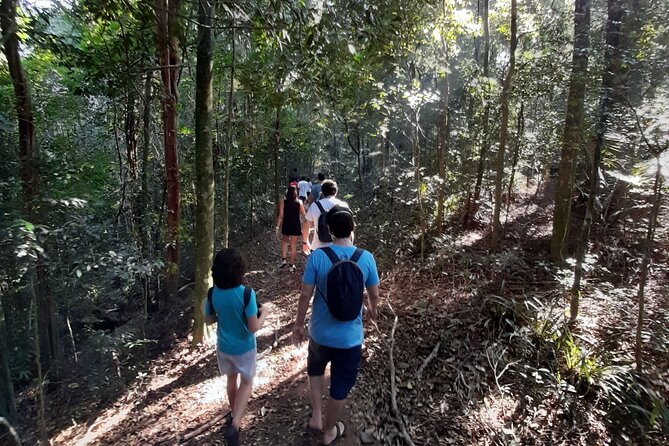
I especially like the flexible route and the guide’s focus on plants, animals, and human use of the forest. Thomas is praised for adapting quickly, bringing plenty of energy, and explaining the park’s past clearly. The drawback is simple: this is a proper hike, not a gentle nature walk, with 6 to 12 kilometers on uneven forest trails.
Key Points Before You Book
- Taunay Waterfall is the headline sight: One of the park’s main scenic stops, with time for photos and a look at the forest around it.
- The route can match your ability: Your guide can choose a more relaxed or more demanding trail within the four-hour outing.
- The history is part of the walk: The historic circuit passes through an area once used for coffee plantations and livestock.
- You may see Atlantic Forest wildlife: Sloths, monkeys, coatis, and other animals live here, though sightings are never guaranteed.
- The group is private: You hike with your own party and a guide speaking Portuguese, English, or Spanish.
- Bring proper gear: Comfortable hiking shoes, outdoor clothing, water, food, insect repellent, and a change of clothes are sensible choices.
Why Tijuca Makes a Good Rio Hiking Choice
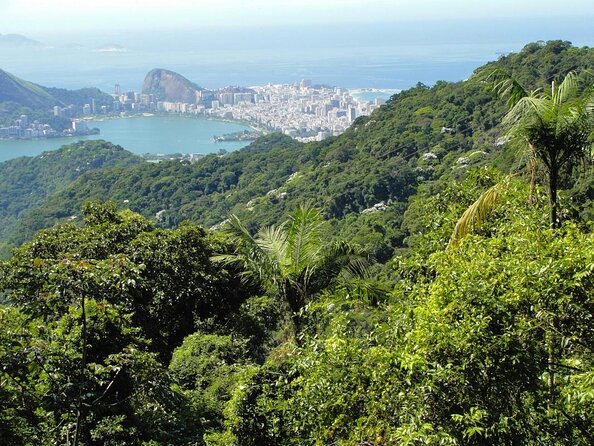
Tijuca National Park is unusual because it puts serious forest within Rio’s urban setting. The park covers about 40 square kilometers, yet the experience is not built around a long transfer into the countryside. You meet at Praça Afonso Viseu, walk into the park, and spend the main part of the morning or afternoon on foot.
That saves time and gives the outing a strong sense of place. You are not simply looking at a city view from above. You are walking through a forest shaped by nature and by people, while your guide explains how plants, animals, water, and past land use fit together.
The setting also makes the tour a good choice if you want a break from Rio’s busy streets and famous beaches. The tradeoff is that the park is still a serious natural area. Expect a dense forest trail, not a paved sightseeing loop.
The experience lasts four hours. That is enough time for a meaningful hike and several stops, but it is not long enough to cover every corner of the park. The advertised distance ranges from 6 to 12 kilometers, so the day can feel very different depending on the route your group takes.
More Tijuca Forest trips in Rio de Janeiro
- Rio de Janeiro: Christ, Selaron Steps, and Tijuca Park Tour
★ 4.7 · 857 reviews - Rio de Janeiro: Guided Jeep Tour through Tijuca Rainforest
★ 4.3 · 740 reviews - Jeep Adventure: Guided Tour through Tijuca Rain Forest
★ 4.0 · 554 reviews
Meeting at Praça Afonso Viseu
The meeting point is Praça Afonso Viseu. Look for the square and the large Tijuca National Park sign. The activity begins and ends there, which keeps the plan easy to follow and avoids arranging a separate pickup or drop-off.
This matters in practical terms. You can arrive ready to hike, meet your guide, and return to the same place at the end. Since the tour does not include a separate transportation segment in the supplied details, plan your own way to the square.
The private-group setup is useful here. Your guide can ask about your fitness level and choose a route that feels sensible for your party. That flexibility does not remove the physical demands, but it can prevent a group from being pushed into a trail that is too hard or too easy.
Thomas is one guide associated with this experience. His role includes more than pointing out scenery. He explains the park’s natural features and history, and he has been described as quick to adapt when a group’s needs change. Other certified guides may lead the outing, with service available in English, Portuguese, or Spanish.
Walking the Historic Circuit
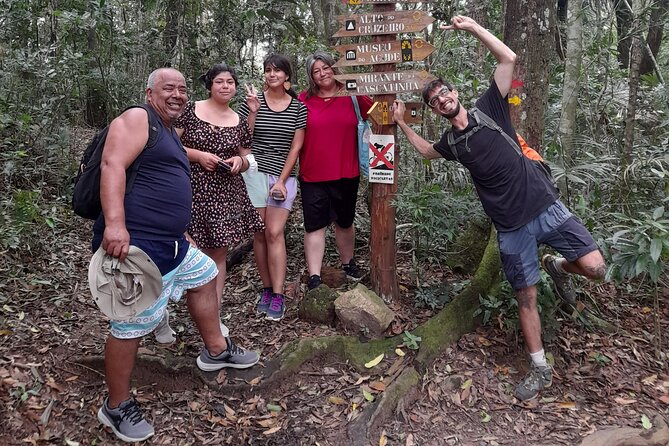
The historical circuit gives this hike more substance than a simple waterfall visit. This part of the park was once used for coffee cultivation and livestock raising, so the trail connects the forest you see now with the working land of the past.
Your guide discusses the plants and wildlife along the way, including their traits and how they interact with the forest. That kind of explanation is especially helpful in a thick forest, where a casual glance can reveal very little. You may walk past a plant or animal without noticing its importance unless someone points it out.
I like this focus because it keeps the tour grounded. The park is not presented as untouched wilderness with no human story. You get a sense of how people used the area, how the forest functions, and why conservation matters today.
The route remains flexible. A more relaxed version may stay near the lower end of the 6 to 12 kilometer range, while a stronger group can take a more challenging option. The exact trail is not fixed in the information provided, so you should discuss your ability with the guide at the start.
Do not treat the word flexible as a promise of an easy walk. The park is described as dense forest, and the activity specifically requires hiking. Uneven ground, slopes, heat, wet surfaces, and forest conditions can all affect how difficult the route feels.
Taunay Waterfall and Cascata da Baronesa
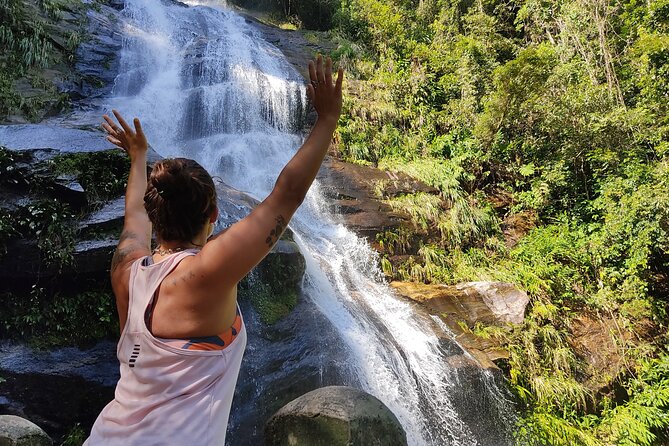
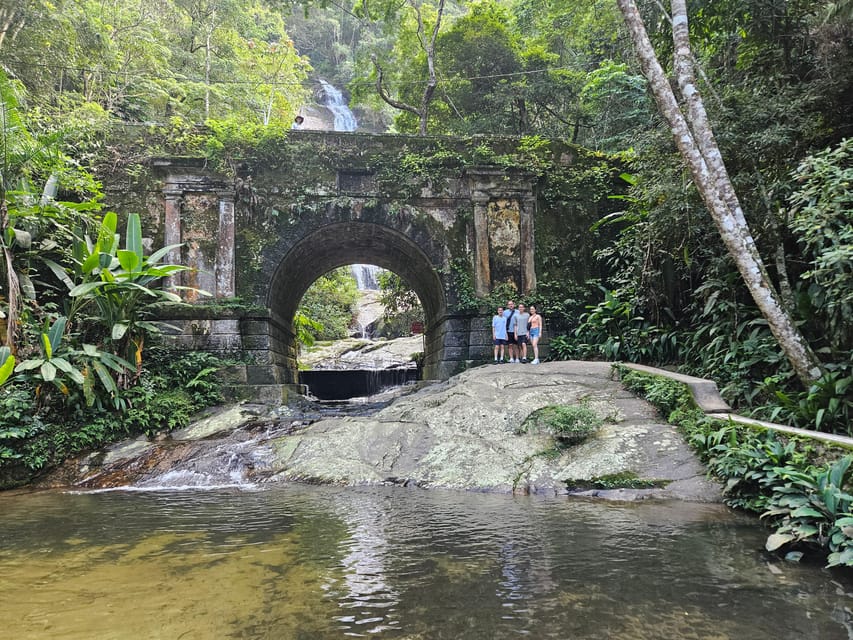
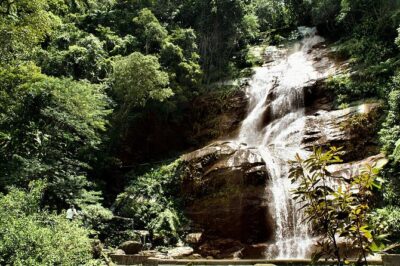
Taunay Waterfall is one of the main stops and likely the visual centerpiece of the outing. It gives the hike a clear reward after walking through the forest, with moving water, rock, and thick vegetation creating a change from the trail itself.
Cascata da Baronesa adds another waterfall stop to the route. Seeing both helps make the experience feel varied rather than like a single viewpoint with a short walk attached. Your guide can place the stops within the route selected for your group.
Natural pools are also part of Tijuca’s appeal, though the supplied details do not promise swimming or specify which pools you will visit. Bring a towel and a change of clothes, but ask your guide what is suitable on the day rather than assuming every pool is open for bathing.
Water can affect trail conditions. A waterfall or pool area may be damp, and the forest floor can be uneven. Wear shoes made for walking, not city sneakers with smooth soles. The activity specifically recommends hiking shoes and comfortable footwear, so take that advice seriously.
A camera is worth bringing, but keep it secondary to secure footing. Waterfalls and forest openings invite photographs, while the route still requires attention to roots, stones, and changes in elevation.
More national park trips around Rio de Janeiro
- Tijuca National Park and all its wonders
★ 5.0 · 88 reviews - Rio de Janeiro: Tijuca National Park Tour
★ 4.7 · 85 reviews - Rio: Tijuca National Park Small-Group Hike to Pedra Bonita
★ 4.9 · 79 reviews - Rio de Janeiro: Tijuca National Park & Botanic Garden Tour
★ 4.4 · 39 reviews
Gruta dos Murcegos and the Park’s Darker Side
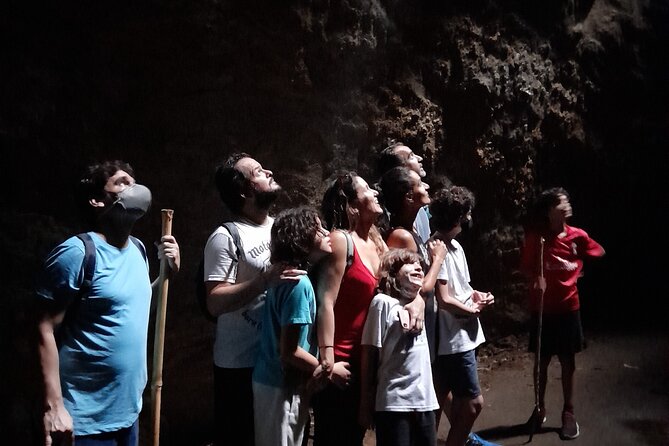
Gruta dos Murcegos, or Bats’ Cave, gives the route a different mood. After waterfalls and open water, a cave adds a more enclosed part of the forest experience. It also reinforces the variety packed into this four-hour hike: water, rock, plants, animals, and traces of human use all appear within one park.
The name points to bats, but the provided information does not promise a particular number of animals or describe cave access conditions. Think of it as a featured stop, not a guaranteed wildlife show. Your guide can explain what you are seeing and how the site fits within the park.
Caves also make good reminders that forest outings are not only about broad views. You may find yourself paying attention to texture, sound, shade, and small details that are easy to miss on a standard city tour.
If you dislike enclosed spaces, ask about this stop before setting out. The tour is not presented as a cave-only activity, but Gruta dos Murcegos is one of its named highlights.
Wildlife, Plants, and Responsible Access
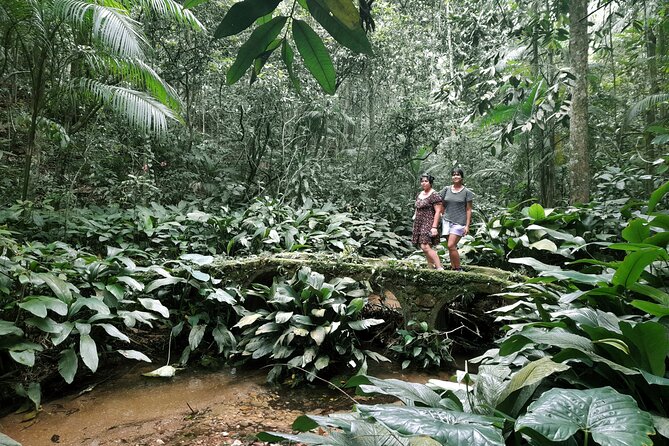
Tijuca offers the chance to see large animals such as sloths, monkeys, and coatis, along with other forest life. The right word is chance. Wildlife viewing depends on timing, weather, noise, and luck, so you should not book this as a guaranteed animal encounter.
The guide’s explanation of plants and animal behavior adds value even when nothing large appears. You can still learn how the forest works, how species interact, and why different parts of the park matter.
Ecotu Rio also promotes environmental awareness and works with nongovernmental organizations involved in nature protection and conservation. That is relevant to how you approach the walk. Keep food packed, avoid leaving anything behind, and follow your guide’s directions around wildlife, water, and cave areas.
Biodegradable insect repellent is recommended. That is a practical choice for a forest hike and fits the conservation focus better than bringing a product that may cause extra harm. Food and drinks are also on the recommended packing list, since the outing can cover up to 12 kilometers.
The park is a place to observe rather than collect or disturb. Fishing, alcohol, drugs, fireworks, and bare feet are not allowed. High heels are also prohibited, which should come as no surprise once you understand the trail conditions.
How Flexible Is the 6 to 12 Kilometer Route?
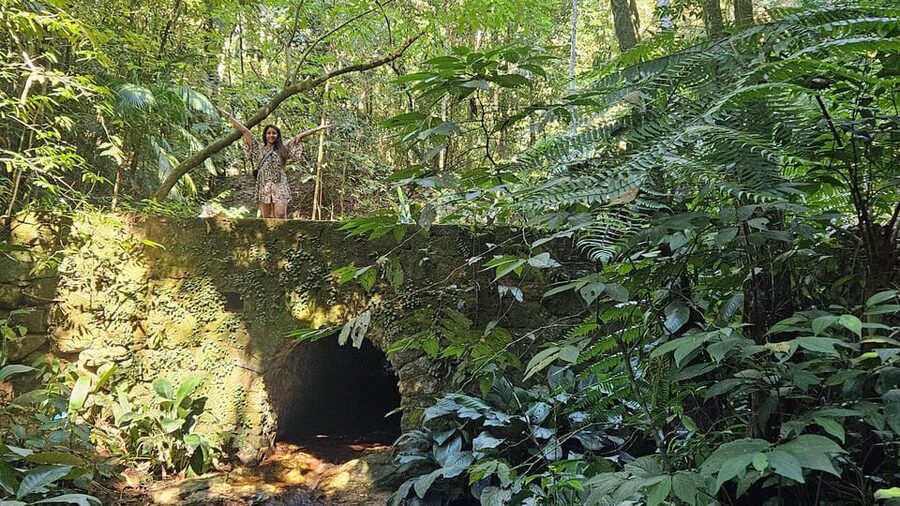
The route is one of the strongest parts of this experience, but you should understand its limits. The guide can select different trails to make the outing more challenging or more relaxed, based on your group’s skills.
That works best for a private party with mixed confidence. A stronger walker can still get a worthwhile hike, while someone who prefers a slower pace can avoid being treated as an afterthought. The private format gives the guide room to adjust the plan instead of following a fixed group schedule.
Still, the shortest stated distance is 6 kilometers. This is not a tour for someone who wants to walk only a few hundred meters from a meeting point to a photo stop. You need comfortable footwear, outdoor clothing, and enough energy for several hours in dense forest.
Hiking sticks are included. They can help with balance and give your legs support on uneven or sloping ground. They do not turn the route into an accessible trail, however. The outing is not suitable for wheelchair users or people with mobility impairments.
The tour is also not suitable for pregnant women, people with respiratory issues or epilepsy, those with recent surgeries or pre-existing medical conditions, or babies under one year. The supplied information gives age restrictions for people over 75 and over 80, so older participants should check carefully before booking. These limits are worth taking seriously rather than trying to work around them.
What the $51 Price Covers
At $51 per person, the value depends mainly on how much you want from a guide. You are paying for a four-hour private outing, a certified guide with more than ten years of Atlantic Forest experience, route flexibility, and hiking sticks.
The price is more compelling if you want interpretation. A self-guided walk can show you trees, water, and rocks, but it may not explain the coffee-growing past, livestock use, plant traits, animal behavior, or conservation work. Here, the guide is part of the experience rather than just someone leading the way.
The value is also stronger for people who want a private group. You are not locked into the pace or ability level of a large mixed party. Thomas, in particular, has been praised for his energy, adaptability, and clear explanations of the park’s past.
The price may feel less attractive if you are mainly looking for a short waterfall visit. You still need to commit to a 6 to 12 kilometer hike, and wildlife sightings are not guaranteed. If your priority is comfort, easy access, or a quick photo stop, this is probably the wrong format.
You can reserve now and pay later, and cancellation is free up to 24 hours in advance for a full refund. Those terms help if your Rio plans are still changing, but the physical requirements remain the key decision.
What to Pack for a Comfortable Hike
Use the packing list as a practical checklist:
- Hiking shoes or other sturdy, comfortable footwear
- Outdoor clothing suited to a forest walk
- Food and drinks
- Biodegradable insect repellent
- A towel
- A change of clothes
- A camera
- Water and any personal items you need during several hours outdoors
The request for a towel and spare clothes suggests that water may be part of the outing, but it does not guarantee swimming. Ask the guide about conditions and suitable activities before entering any pool or waterfall area.
Leave high heels at your accommodation. Fishing gear, alcohol, drugs, fireworks, and plans to walk barefoot are not compatible with the activity rules.
Who Will Enjoy This Most?
I would recommend this hike to an active visitor who wants nature and context in the same outing. It suits you if you like walking several kilometers, asking questions, and seeing more than the most famous city sights.
It is particularly good for a private group with different hiking abilities. The guide can adjust the route, and the three language options make it easier to discuss pace, safety, and interests clearly.
The tour is also a strong fit if you care about conservation. The environmental focus is not just decorative. It shapes how the guide talks about the forest and the importance of protecting it.
I would hesitate to recommend it if you have limited mobility, a medical condition listed in the restrictions, or no interest in sustained walking. The route may be flexible, but the activity remains a hike through dense forest. It also may not suit anyone who needs a guaranteed wildlife sighting or a fixed swimming stop.
Should You Book This Tijuca Hike?
Book it if you want a real forest walk with waterfalls, a cave, wildlife possibilities, and a guide who can adjust the route to your group. The historic circuit makes the outing more meaningful than a simple nature photo stop, while the private format gives you room to set a sensible pace.
Thomas is a strong choice if available, especially if you want an energetic guide who explains both the park’s past and its natural life. The best reason to book, though, is the combination of flexible hiking and useful interpretation.
Skip it if 6 kilometers sounds like too much, if you need fully accessible paths, or if you prefer an easy sightseeing tour. For an active visitor prepared with proper shoes, food, water, and outdoor clothing, this is a practical way to experience one of Rio’s most unusual protected areas.
FAQ
Where does the Tijuca National Park hike begin?
The tour begins at Praça Afonso Viseu. Look for the square and the large Tijuca National Park sign.
Where does the activity end?
The hike ends back at Praça Afonso Viseu, the same place where it starts.
How long does the tour last?
The activity lasts four hours.
How far will I hike?
The route covers between 6 and 12 kilometers, depending on your group’s ability and the trail selected by the guide.
Which sights are included?
The named highlights are Taunay Waterfall, Cascata da Baronesa, and Gruta dos Murcegos. The route also follows the park’s historic circuit and may include natural pools and wildlife viewing.
What languages does the guide speak?
Guided service is available in Portuguese, English, and Spanish.
Is this a private tour?
Yes. The activity is arranged for a private group.
What should I bring?
Bring comfortable or hiking shoes, outdoor clothing, food, drinks, a towel, a change of clothes, a camera, and biodegradable insect repellent.
Can I cancel for a refund?
You can cancel up to 24 hours in advance for a full refund. You can also reserve now and pay later.
Just added in Rio de Janeiro
- Rio de Janeiro: Zip Lining and Canopy Tree Tour★ 3.3 · 6 reviews
- Vidigal Favela Tour★ 4.4 · 26 reviews
- Rio de Janeiro: Attend a Vasco da Gama game with local guide★ 4.8 · 9 reviews
- Unforgettable Boat Party★ 5.0 · 3 reviews
- Hang gliding flight in Rio de Janeiro★ 5.0 · 6 reviews
- Rio Highlights: Christ, Sugarloaf, and More in a Private Tour★ 5.0 · 36 reviews
- Tijuca Forest Hike – Waterfalls & Caves, Nature & Wild Life!★ 5.0 · 51 reviews
- Rocinha Walking Tour: Get a Feel for the Brazil’s Largest Favela (Shared Group)★ 5.0 · 37 reviews
Tijuca Forest Tours, compared.
Jeep Adventure: Guided Tour through Tijuca Rain Forest
Read our review →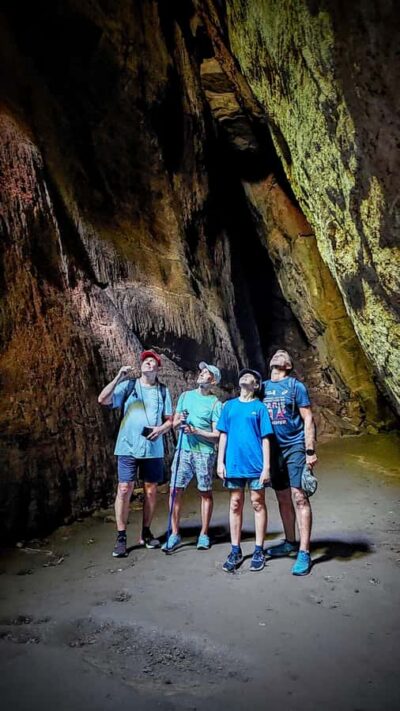
Tijuca Forest Small Group Hike to Caves and Waterfalls
Read our review →
Rio de Janeiro Botanical Garden & Tijuca Forest Tour
Read our review →
Browse the lists this tour appears in