
Reviewed · TIJUCA FOREST TOURS
Rio: Tijuca Forest Small Group Hike to Caves and Waterfalls
Rio’s Tijuca Forest is not just a patch of green behind the city. It is a 19th-century coffee-growing area turned into the world’s largest replanted urban forest, with old roads, plantation remains, waterfalls, caves, and a cemetery tucked among the trees. This six-hour outing gives you a useful way into that story without requiring a full-day expedition.
I like the small-group format, which lets the guide keep a steady pace and explain plants, geology, Brazilian history, and Rio’s geography as you walk. I also like the Baronesa Cascade shower near the end, when a cool rinse feels well earned. The catch is the 448-meter climb. Some people find the walk easy, but the steep sections can feel demanding in heat or rain.
Key points to know before you book
- A 6.2-kilometer forest circuit: Allow roughly 2.5 to 3 hours for the walking itself, with stops along the way.
- A proper uphill hike: The route gains 448 meters and crosses rough rainforest ground, so sports shoes are essential.
- History beyond the postcard: Coffee-farm ruins, an old chapel, an enslaved workers’ cemetery, and a former manager’s residence give the forest a human story.
- Two very different water stops: Taunay Waterfall is the park’s major cascade, while Baronesa Cascade is the place for a waterfall shower.
- A guide adds real value: Guides such as Vini, Riccardo, Tito, Luiza, and Renata have been praised for combining natural history with Brazil’s past and Rio’s geography.
- Easy pickup from much of South Zone Rio: Transport is offered from designated hotels and hostels in Copacabana, Ipanema, Leblon, Leme, Botafogo, Flamengo, Santa Teresa, Gloria, Catete, and Urca.
Why Tijuca Forest makes a good half-day escape

Tijuca Forest is unusual because it feels remote while remaining inside Rio. You can leave the beach districts, pass into thick rainforest, and spend the morning following trails that began as routes through coffee plantations. That contrast is the main reason I would choose this outing over a simple city viewpoint.
The forest was replanted after the coffee era damaged the area. Knowing that changes how you see it. The trees are not simply untouched wilderness. They are part of a major restoration effort, and the old paths, fountains, walls, and estate remains show how the forest has changed over time.
The guide’s role matters here. Without context, you might see a waterfall, a chapel, and a cave as separate sights. With a good guide, they become pieces of one story involving agriculture, slavery, conservation, geology, and the growth of Rio de Janeiro. Guides named Vini, Riccardo, Tito, Luiza, Renata, Gustavo, and Pietro have all led this route at different times, so the exact personality and emphasis will vary.
The activity is offered as a private or small-group tour. Groups can be as small as two or five people, based on the scheduled departure, which is useful on a trail where you may want to stop for photographs or ask questions. It is not a silent nature walk, though. You are paying partly for interpretation, not just transport into the park.
More Tijuca Forest trips in Rio de Janeiro
- Rio de Janeiro: Christ, Selaron Steps, and Tijuca Park Tour
★ 4.7 · 857 reviews - Rio de Janeiro: Guided Jeep Tour through Tijuca Rainforest
★ 4.3 · 740 reviews - Jeep Adventure: Guided Tour through Tijuca Rain Forest
★ 4.0 · 554 reviews
From hotel pickup to Cascatinha Taunay
Pickup is available from selected hotels and hostels across Rio’s South Zone. That includes much of Copacabana, Ipanema, Leblon, Leme, Botafogo, Flamengo, Santa Teresa, Gloria, Catete, and Urca. If your address is not on the pickup list, the operator may assign a nearby meeting point.
The transfer is a practical part of the package. You do not need to arrange a separate taxi into Tijuca National Park, and transport back to your hotel area is included. The vehicle may feel cramped for taller passengers, according to one detailed account, so do not expect a spacious coach. Pickup has generally been close to schedule, but you should allow some flexibility for Rio traffic.
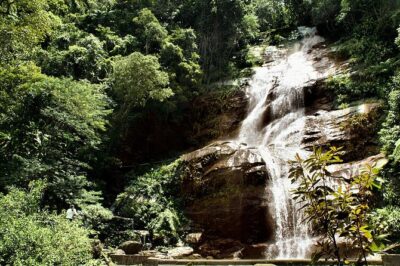
The first major stop is Cascatinha Taunay, described as the park’s largest waterfall. The stop is short, around 15 minutes, so think of it as an introduction rather than a long swim break. It is a good place to understand the scale of the forest and begin taking photos before the walking gets serious.
The guide then gives an overview of Tijuca National Park. This is where the forest’s restoration story becomes important. You are not simply looking at tropical plants. You are learning how a heavily altered area became a protected urban forest and how that forest fits into Rio’s water, climate, and city life.
Chapel, old roads, and the first climb
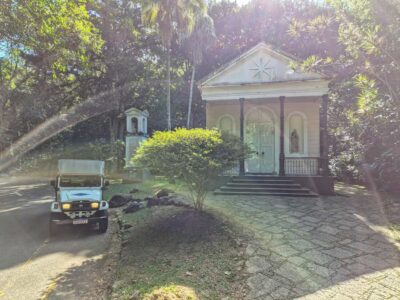
Capela Mayrink dates from 1850 and makes a compact but worthwhile stop. The photo break lasts only a few minutes, so do not expect a long interior visit. Its value is historical: a small chapel in the forest gives you a glimpse of the former estates and the people who once lived and worked in this area.
From here, the route settles into the main hike. The trails were created in the 19th century, when coffee plantations occupied parts of Tijuca. You will walk through shaded forest, but the surface is not a smooth urban promenade. Roots, uneven ground, slopes, and wet sections can all affect your footing.
The tour describes the hike as moderate, and that is the fairest label. The distance is not extreme, yet the 448-meter elevation gain changes the effort. Some people have found it closer to easy, while others have struggled with one steep uphill section. Your fitness, the weather, and the pace of the group will make a big difference.
Your best approach is to keep a steady pace rather than rush the first climb. Bring water, snacks, sunscreen, insect repellent, and a daypack. The forest offers shade, but you should still prepare for heat and humidity. Bare feet are not allowed, and sports shoes are a basic requirement.
Cova da Onça and the forest’s quieter history
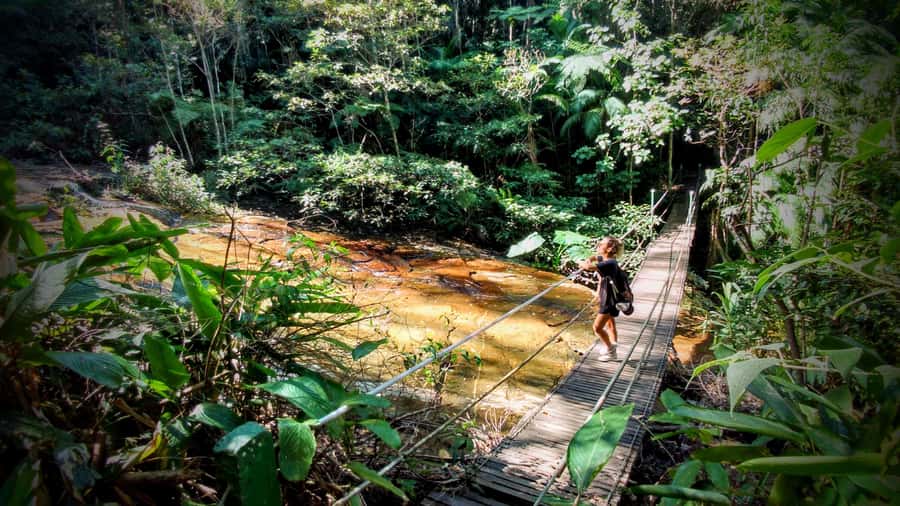
Cova da Onça includes a suspension bridge and a short walking section. It is one of the route’s more unusual touches, since it breaks up the uphill trail with a man-made feature that feels closely tied to the forest.
The Eucalyptus Forest includes the remains of an old slave cemetery. This is a serious part of the route and deserves more than a quick photograph. The cemetery connects the pleasant scenery to the labor system that supported Brazil’s plantation economy. A guide can help explain that history without reducing it to a passing footnote.
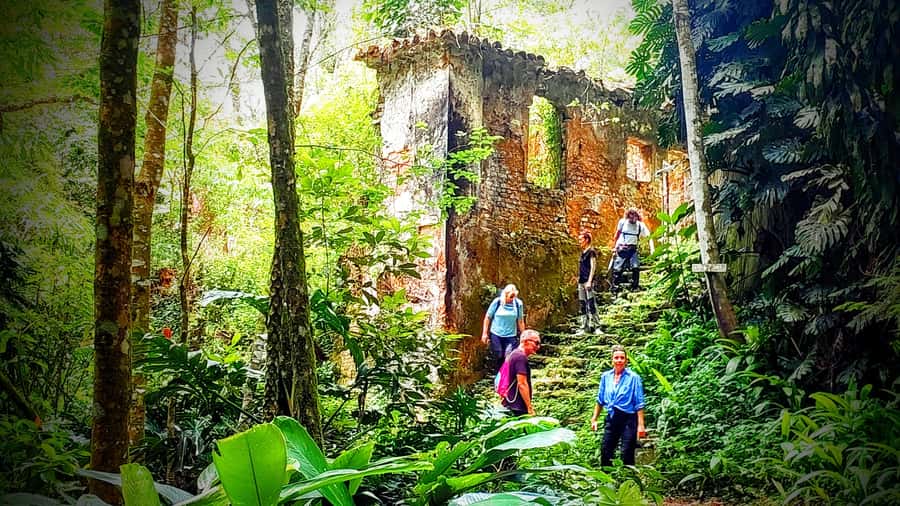
Other stops include old structures and traces of the former coffee farm. The exact amount of time spent at each point depends on the guide and group pace. I would value a guide who slows down here, because the ruins are less visually dramatic than a waterfall but more revealing about how people used the forest.
This is also where a good naturalist can point out plant life and signs of wildlife. Do not book the tour expecting a guaranteed animal encounter. Some outings have produced coatis and capuchin monkeys, and one person spotted a sloth from the vehicle while leaving the park. Other groups saw no animals at all. The forest is still worthwhile for its plants, birds, rocks, and atmosphere, but wildlife sightings are a bonus.
More hikes and treks around Rio de Janeiro
- Pedra do Telégrafo Hike and Beach Full-Day Tour
★ 4.5 · 417 reviews - Rio de Janeiro: Pedra da Gávea 7-Hour Hike
★ 4.7 · 183 reviews - Rio de Janeiro: Tijuca Forest Challenge Hike Full-Day Trip
★ 4.9 · 163 reviews - Rio de Janeiro: Vidigal Favela Tour and Two Brothers Hike
★ 4.5 · 121 reviews
Morcego’s Grotto, the cave section
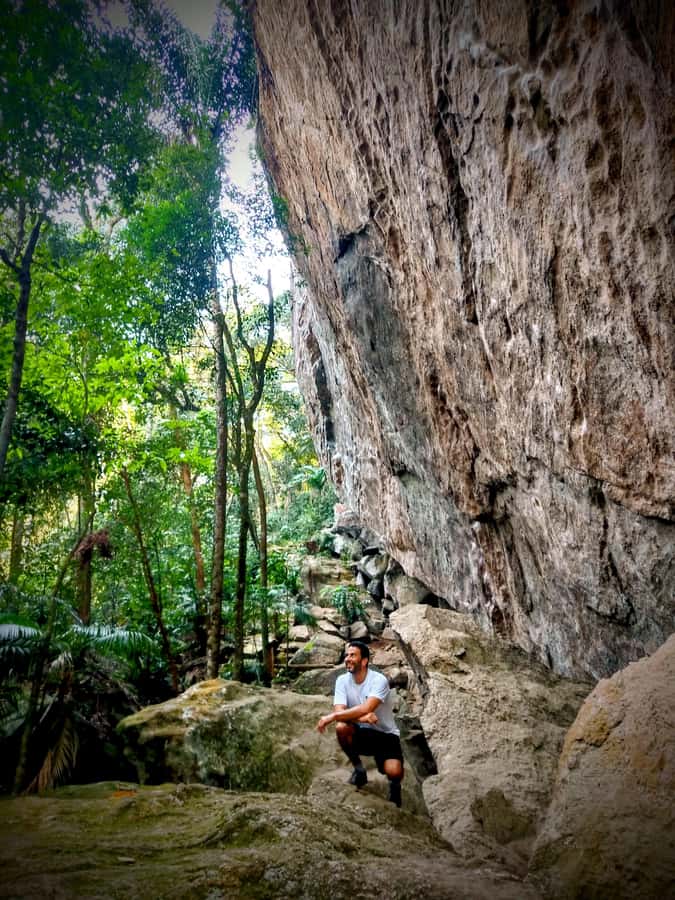
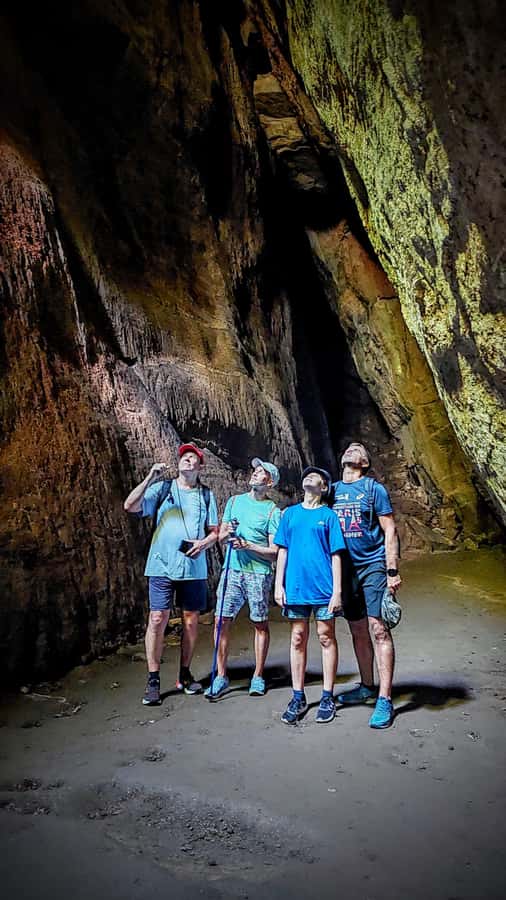
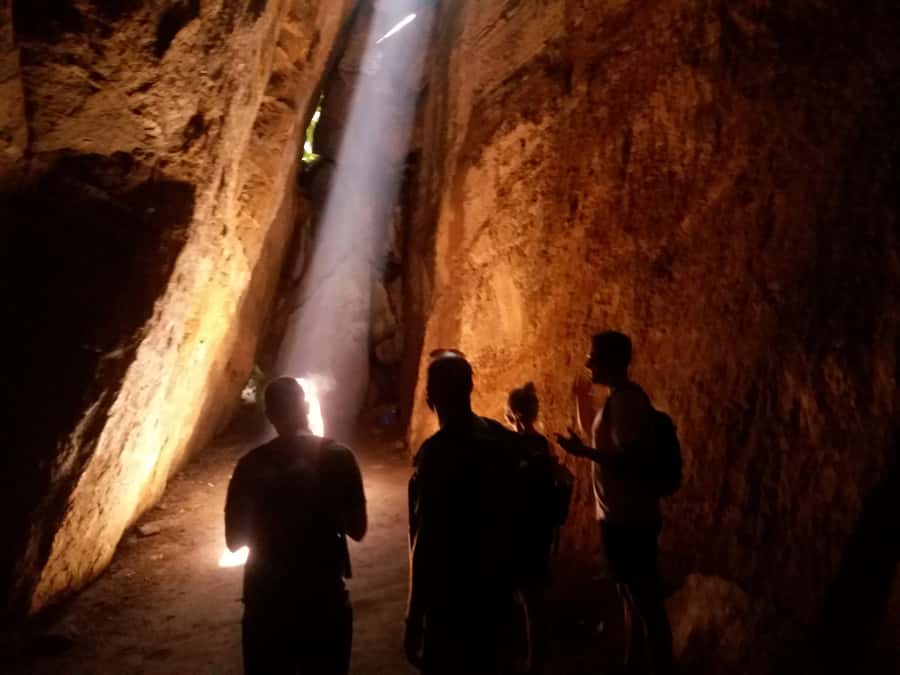
Morcego’s Grotto, also called the Bat Cave, is identified as the largest gneiss cave in Brazil. The visit is short, around 15 minutes, and includes walking into the cave with the guide.
This is not a polished visitor attraction with extensive facilities. It is a natural cave reached as part of a forest hike, so expect uneven ground and limited comfort. The cave’s gneiss geology adds another layer to the outing, especially if your guide explains how the rock relates to the surrounding terrain.
You may or may not see bats. If they are present, the sensible approach is to observe quietly and leave them undisturbed. One outing found bats hibernating but did not interfere with them. That is a small point, but it reflects the right attitude for a protected forest.
For many people, the cave is a highlight because it changes the rhythm of the walk. You move from open trail and waterfalls into a darker, enclosed space, then return to the humid forest. It is not a huge underground adventure, but it gives the route variety.
Baronesa Cascade and the well-earned shower
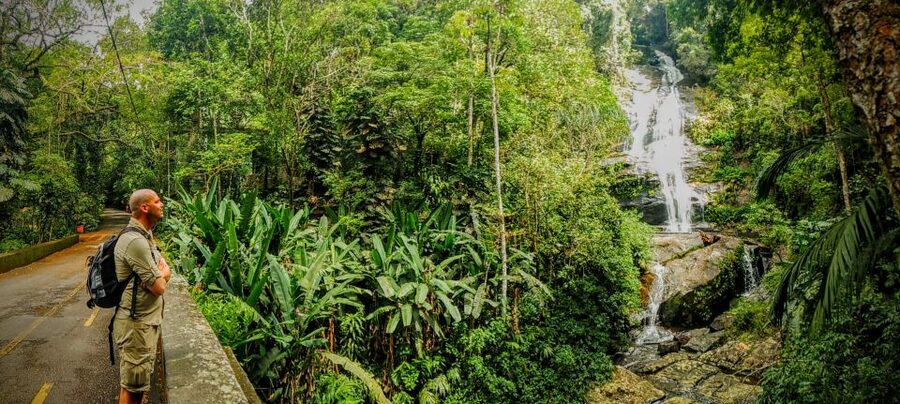
Baronesa Cascade is the tour’s best chance to cool off. The stop lasts around 20 minutes, and you can enjoy a waterfall shower if conditions allow. Pack clothing that can get wet, or bring a small towel and a dry layer for the ride back.
The timing is smart. By this point, you have completed much of the climbing and walking, so the water feels like a reward rather than an optional extra. It is also one reason to avoid bringing a large bag. You need only the basics, and luggage is not allowed on the activity.
Do not confuse Baronesa Cascade with Cascatinha Taunay. Taunay is the larger scenic waterfall near the beginning. Baronesa is the more personal, hands-on stop, where the point is cooling your body rather than simply admiring the water.
Rain can affect the trail and waterfall conditions. One outing continued in rain with ponchos supplied by the guide, while another had sunny, quiet paths. Weather changes the experience considerably, so a waterproof layer is sensible even if the forecast looks good.
Former estates, fountains, and viewpoints
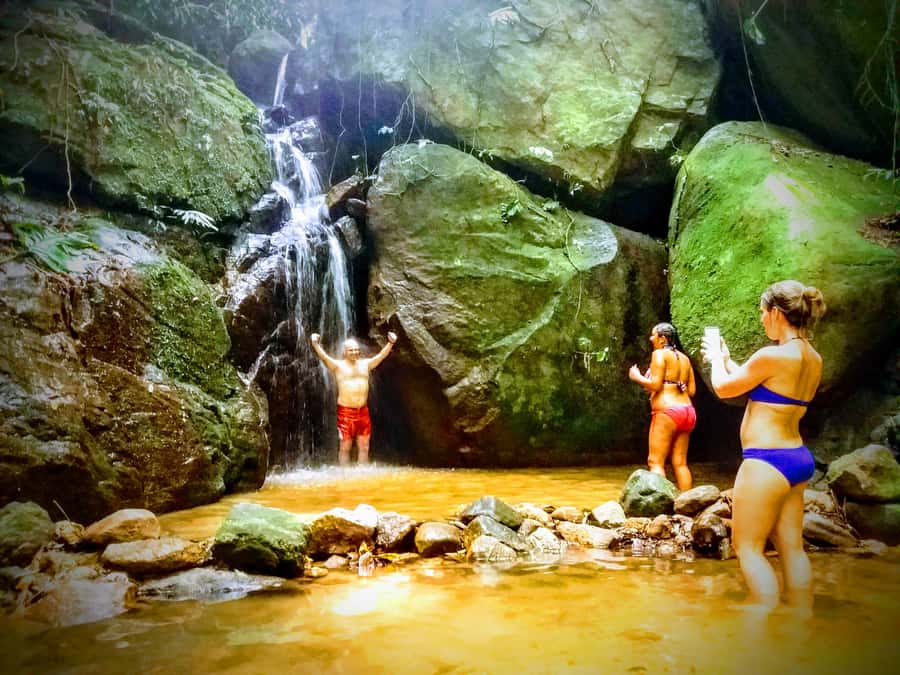
The return route passes the former residence of Barão d’Escragnolle, one of the park’s past managers. The building is now associated with Esquilos restaurant. You should not expect a full restaurant visit as part of the tour, but the stop helps show that Tijuca was once managed through estates and residences, not simply protected as forest.
The Wallace Fountain adds another unusual detail. It includes a sculpture representing goodness, charity, sobriety, and simplicity, and was given to Brazil by English philanthropist Richard Wallace. The fountain was produced in France in 1870. It is the sort of object you could easily walk past without a guide, yet it connects this Brazilian forest to international art and philanthropy.
The final viewpoints provide a change from close-up forest detail. Depending on the exact route and conditions, you may stop at Mirante da Palmira or another scenic lookout, with views toward Rio and the surrounding hills. One account especially valued the view from Vista Chinesa, but the route’s viewpoint stops can vary.
These lookouts are useful at the end because they help you place the forest within Rio. After several hours under trees, you can see how close the city remains. That is the central surprise of Tijuca: the rainforest is not separate from Rio. It is part of the city’s identity and geography.
How hard is the 6.2-kilometer hike?
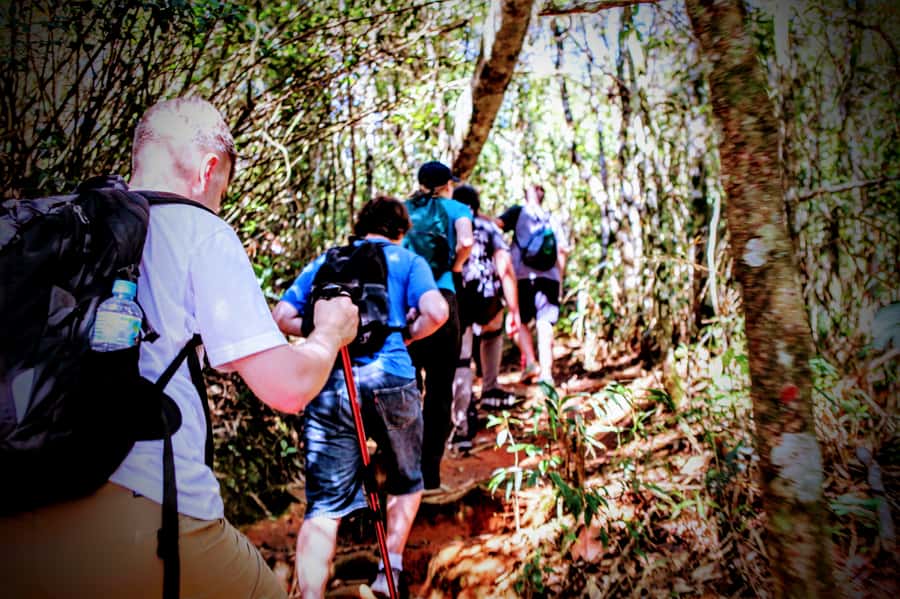
The stated walking distance is 6.2 kilometers, or about 3.85 miles, with two and a half to three hours of hiking. The full experience lasts six hours because of hotel transfers, explanations, photographs, and sightseeing stops.
I would call it moderate, with one warning: the elevation gain is more important than the mileage. You will walk uphill and downhill over rough rainforest terrain, and one steep section may test anyone who is not used to climbs. The pace is usually manageable, but the group cannot remove the physical effort.
This tour suits you if you regularly walk, can handle several hours outdoors, and want a little exercise during a city break. It is not a good choice if you have heart problems, use a wheelchair, or are looking for a flat stroll. Ask about the route before booking if you have a temporary injury or limited mobility.
The forest is often cooler and shadier than Rio’s beach districts, but do not mistake shade for easy conditions. Humidity, slippery ground, and wet rocks can still make the walk tiring. Good footwear matters more than expensive equipment.
Is $69 a fair price?
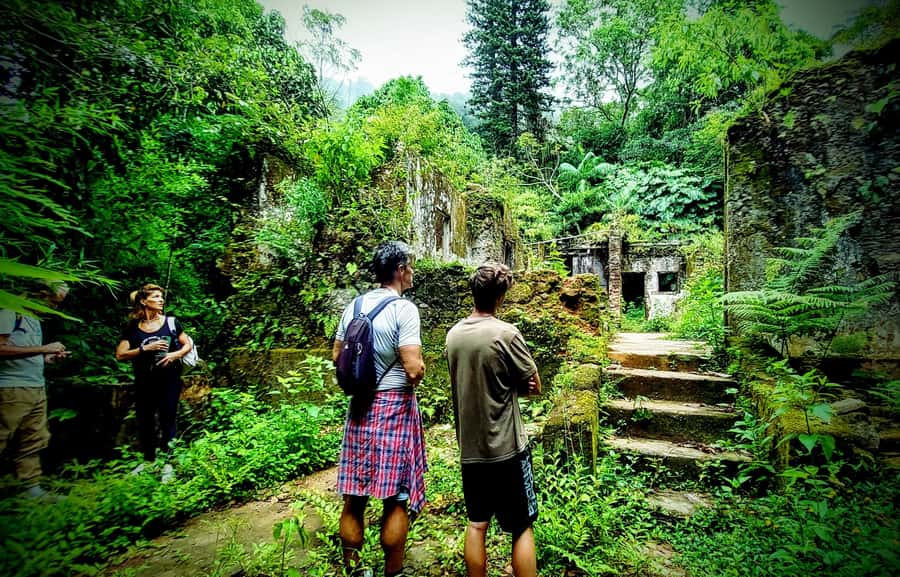
At $69 per person, the tour offers solid value if you want transport, a bilingual guide, insurance, and several hours of structured access to the park. A private car into Tijuca, a guide for the historical and natural interpretation, and a return transfer could cost more when arranged separately, though exact taxi prices vary.
The price is less attractive if you mainly want a quick waterfall visit or a simple forest stroll. You are paying for a circuit with many stops and for the guide’s explanation of Brazil, Rio, ecology, geology, and plantation history. If you do not care about that context, the outing may feel longer than necessary.
Food, drinks, and water are not included. Bring enough for the hike, plus snacks. The operator provides insurance, but you must supply your full name, birth date, and passport number for the policy.
Free cancellation is available up to 24 hours before departure, and you can reserve while paying later. Pickup and drop-off are included only from designated South Zone locations, so check your hotel address before assuming door-to-door service.
Who should book this Tijuca Forest outing?
I would choose this tour if you want to combine exercise with history and do not want to navigate rainforest trails alone. It is especially useful during a first visit to Rio because the guide connects the forest to the city rather than treating it as an isolated attraction.
It also suits visitors who enjoy small details: a 1850 chapel, an old cemetery, a French-made fountain, plantation ruins, a suspension bridge, and a cave. None of these stops alone would fill a day, but together they create a varied half-day.
I would skip it if your priority is guaranteed wildlife. Animal sightings are unpredictable, and some groups see no mammals or monkeys. I would also skip it if you dislike wet clothes, uneven ground, or uphill walking.
The guide can make or break the experience, and the available guides have different strengths. Vini and Riccardo have been especially praised for energy and broad explanations, Tito for humor and history, Luiza for plant and ecosystem detail, and Renata for attentive group care. You cannot necessarily choose a particular guide, but the repeated pattern is clear: interpretation is a major part of the value.
Should you book it?
Book this Tijuca Forest hike if you want a well-rounded forest outing with a manageable but genuine physical challenge. The combination of caves, waterfalls, ruins, a chapel, a cemetery, and viewpoints gives you more substance than a quick scenic stop.
Go prepared for a climb, bring water and snacks, and wear shoes that can handle mud and rock. If you accept that wildlife sightings are luck rather than a promise, the $69 price is reasonable for a small-group route with pickup, insurance, and a bilingual guide.
FAQ
How long does the Tijuca Forest hike take?
The full activity lasts about six hours. The walking portion covers 6.2 kilometers and takes roughly two and a half to three hours, with sightseeing and transfer time making up the rest.
How difficult is the hike?
It is rated moderate. The route includes rough rainforest terrain, uphill and downhill sections, and 448 meters of elevation gain. A steep section may feel challenging if you are not used to hiking.
What waterfalls will I see?
You visit Cascatinha Taunay, the largest waterfall in the national park, and Baronesa Cascade. Baronesa is the waterfall where you can cool off with a shower.
Can I swim in the waterfalls?
The activity specifically includes a waterfall shower at Baronesa Cascade. The supplied information does not promise swimming at every waterfall, so follow the guide’s instructions on the day.
Is hotel pickup included?
Pickup and drop-off are included from designated hotels and hostels in Rio’s South Zone. Covered areas include Copacabana, Ipanema, Leblon, Leme, Botafogo, Flamengo, Santa Teresa, Gloria, Catete, and Urca.
What if my hotel is not on the pickup list?
The operator may provide a nearby meeting point instead. You should check with the local supplier to confirm the pickup option for your address.
Is the tour available in English?
Yes. The tour has bilingual guides in English and Portuguese.
Are food and drinks included?
No. Bring your own water, drinks, and snacks. Food and drinks are not included in the price.
What should I wear and bring?
Wear sports shoes and sportswear. Bring water, snacks, sunscreen, insect repellent, and a daypack. A towel or spare clothing is useful if you plan to use the waterfall shower.
Is the tour suitable for wheelchair users?
No. The route uses rough rainforest terrain and includes significant elevation gain, and the activity is not suitable for wheelchair users or people with heart problems.
Just added in Rio de Janeiro
- Rio: Fluminense Match at Maracanã with Guide and Ticket★ 4.9 · 22 reviews
- Explore Santa Teresa: Walking Tour★ 5.0 · 6 reviews
- The Best Food Tour: Taste the Most Authentic Flavours of Rio★ 4.7 · 18 reviews
- Explore Fernando de Noronha: 7-Hour Ilhatour★ 4.9 · 3 reviews
- Favela Santa Marta: Walking Tour with local guide★ 4.8 · 41 reviews
- Helicopter flight no doors in Rio de Janeiro★ 4.7 · 22 reviews
- Discover Rocinha: Guided Tour of the Famous Favela★ 4.5 · 3 reviews
- Discover Noronha: 7-Hour Ilhatour Adventure★ 4.8 · 8 reviews
Tijuca Forest Tours, compared.
Jeep Adventure: Guided Tour through Tijuca Rain Forest
Read our review →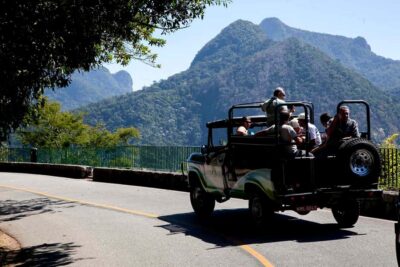
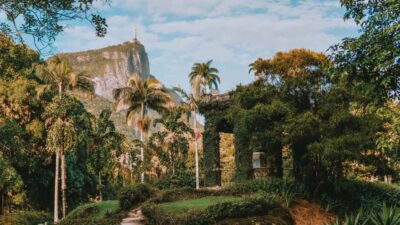
Rio de Janeiro Botanical Garden & Tijuca Forest Tour
Read our review →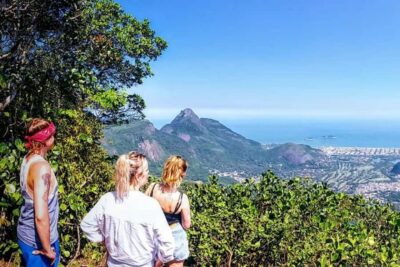

Browse the lists this tour appears in