
Reviewed · TIJUCA FOREST TOURS
Rio de Janeiro: Tijuca Forest Challenge Hike Full-Day Trip
Tijuca Forest is where Rio trades beach sandals for muddy shoes. This 10.4-kilometer challenge hike climbs rough, steep trails to Taquara Hill, then drops into quieter parts of the rainforest for caves, old coffee-farm ruins, and a waterfall. It is a real day in the forest, not a quick photo stop with a short walk.
I like the small groups of up to six, which let guides such as Gustavo, Ricardo, Pietro, Tito, and Roberto adjust the pace and point out plants, animals, and Brazil’s past. I also like the unusual route, especially the less-used trail through the forest’s old agricultural area. The catch is simple: with 848 meters of climbing, this is hard work, and you need good fitness, proper shoes, water, and snacks.
Key points to know before you book
- 10.4 kilometers and 848 meters of ascent: Expect four to five hours of hiking on uphill, downhill, and rough sections.
- Taquara Hill reaches 814 meters: The summit is about 100 meters higher than Christ the Redeemer.
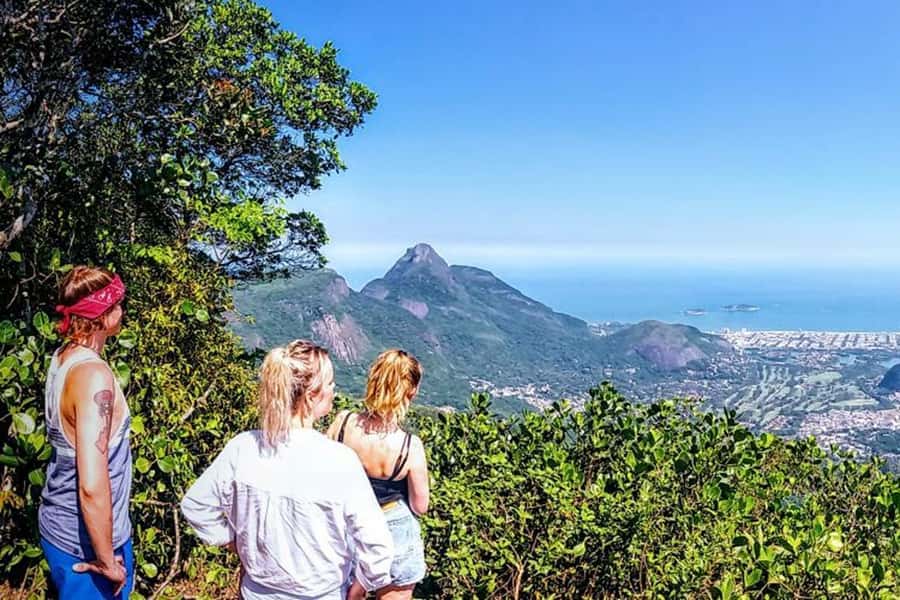
- Two major viewpoints: On a clear day, you can see the forest valley and Rio’s western coast and lagoons.
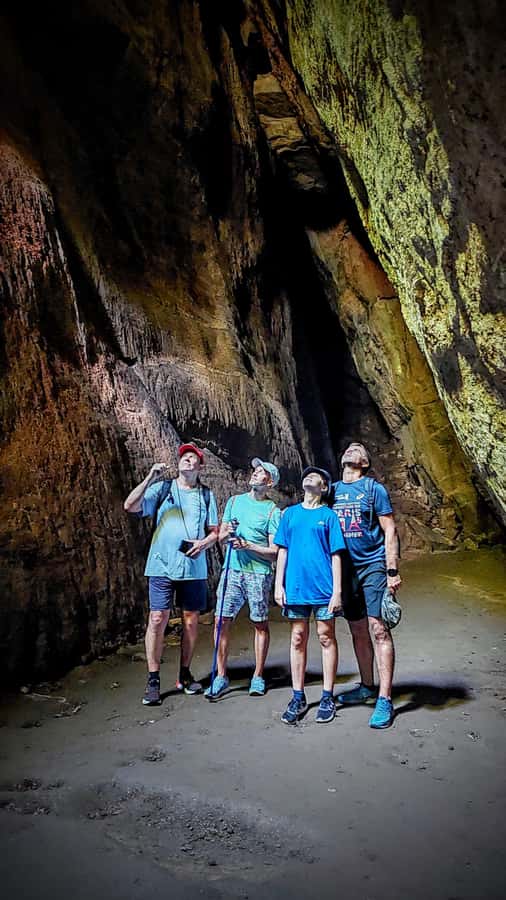
- Rarely visited forest route: The trail passes old coffee-farm ruins, a grotto, and the Bat Cave.
- Waterfall finish: You can cool off at Cascata da Baronesa, though water flow depends on recent rain.
- Small-group guiding: The maximum group size is six, with English and Portuguese available.
Why this Tijuca hike feels different from a standard Rio tour
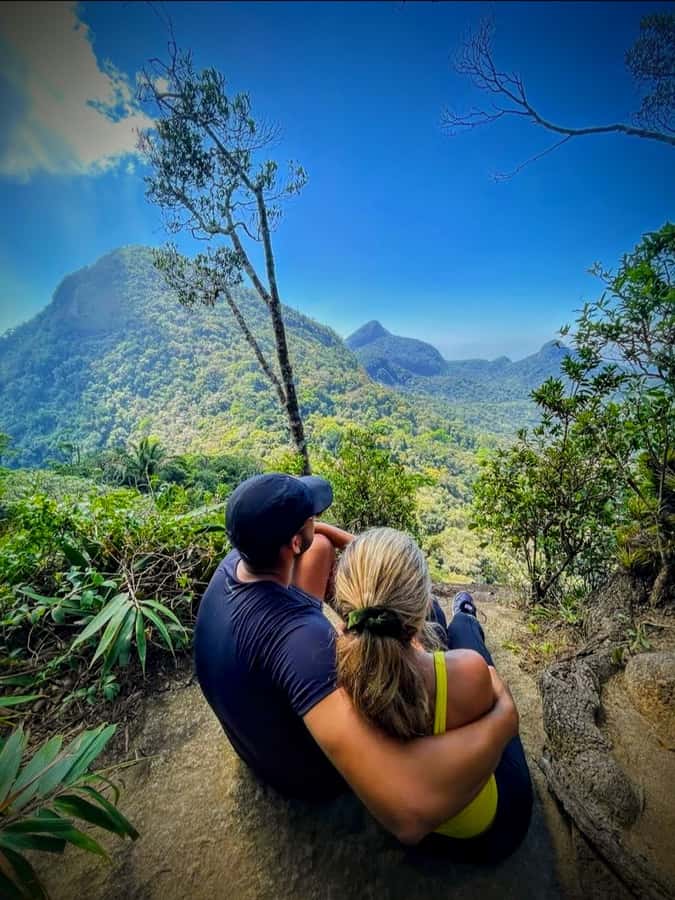
Many Rio outings give you a grand view, a quick walk, and a ride back to town. This one asks for a bigger time commitment and pays you back with a fuller sense of Tijuca Forest National Park. You spend much of the day under forest cover, climbing through a part of the park that is not usually included in shorter sightseeing trips.
The route has a clear physical purpose. You climb toward Taquara Hill, at 814 meters, with a total elevation gain of 848 meters. That is a serious ascent, especially in warm, humid conditions. The trail is not described as technical climbing, but rough ground, steep inclines, and careful footing are part of the day.
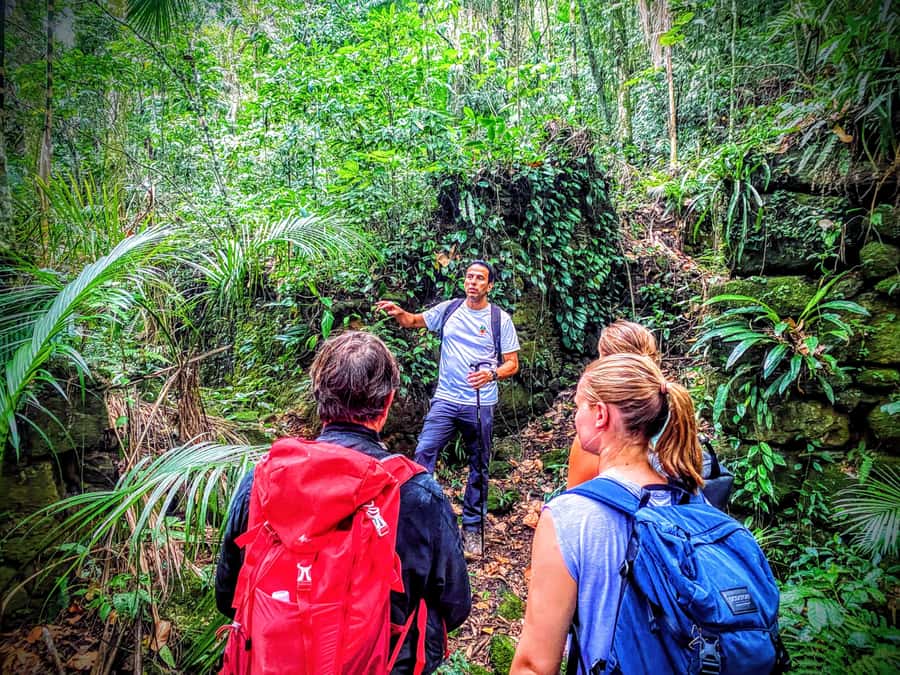
I like the way the route combines effort with variety. You are not simply walking uphill for hours to reach one lookout. The day includes a waterfall, viewpoints, forest history, ruins, grottos, a cave, and possible wildlife sightings. Monkeys, coatis, frogs, and birds have been seen along the route, but animals are never guaranteed.
The forest also gives the guide room to explain how Rio changed over time. Coffee farms once occupied sections of this area. Reforestation in the 1800s helped return the hills to forest, and the old farm ruins offer a physical reminder of that past. Guides commonly add background on Brazilian history, geography, politics, plants, and animals, so this is a good choice if you want more than a silent walk in the trees.
More Tijuca Forest trips in Rio de Janeiro
- Rio de Janeiro: Christ, Selaron Steps, and Tijuca Park Tour
★ 4.7 · 857 reviews - Rio de Janeiro: Guided Jeep Tour through Tijuca Rainforest
★ 4.3 · 740 reviews - Jeep Adventure: Guided Tour through Tijuca Rain Forest
★ 4.0 · 554 reviews
Pickup from Rio’s South Zone and the full nine-hour schedule
The experience lasts about nine hours, including transport, stops, and the hike. Pickup and drop-off are offered from designated hotels and hostels in Copacabana, Ipanema, Leblon, Leme, Santa Teresa, Glória, Catete, Flamengo, and the Botafogo area. If your exact address is not covered, the operator provides a nearby meeting point.
That transport matters. Tijuca Forest is inside Rio, but reaching trailheads and viewpoints is easier when the day’s driving is handled for you. It also means you can finish a demanding hike without needing to arrange a separate ride back.
The schedule includes about four to five hours of actual hiking, with shorter visits and explanations at several sites. This is not nine hours of nonstop walking. Still, it is a full-day outing, so do not schedule a major evening event immediately afterward if you know hard hikes leave you tired.
The small group limit is one of the strongest practical features. A group of six gives the guide more freedom to stop for explanations, photos, or a short rest. It also makes it easier to keep the group together on steep or narrow stretches. Some departures may be private or nearly private, depending on bookings.
Cascatinha Taunay and the first look at Tijuca Forest
The day begins with Cascatinha Taunay, one of the park’s best-known sights. The stop is brief, about 15 minutes, but it gives you an early taste of the forest’s water and rock scenery before the longer climb begins.
You then get a guided introduction to Tijuca National Park. This is useful because the park can look like a wall of tropical greenery at first glance. A good guide helps you notice the details, from trees and smaller plants to signs of animal life and the marks left by earlier land use.
The early explanation also sets up the rest of the walk. Guides such as Tito and Roberto have been praised for connecting the forest to Brazilian geography and history, while Ricardo and Pietro are known for mixing facts with humor and conversation. The exact guide varies, but the experience is designed around live guiding rather than simply following a marked route on your own.
The climb to Taquara Hill and its two viewpoints
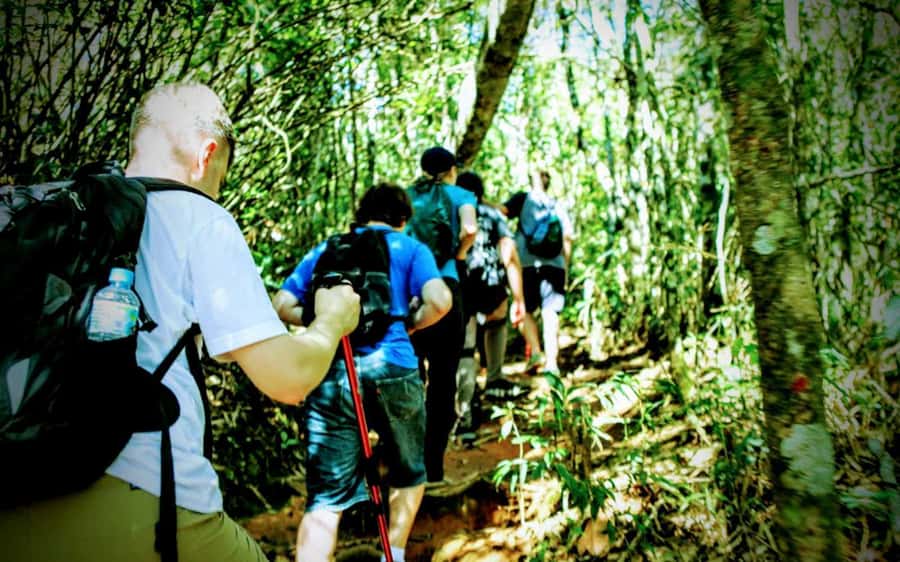
The main ascent is the heart of the tour. You will climb through rough terrain toward Taquara Hill, reaching 814 meters. The figure is worth taking seriously. An 848-meter gain over the circuit is more demanding than the distance alone suggests, especially when you add the downhill sections and tropical heat.
The trail is mostly shaded according to the available descriptions, which helps, but shade does not remove the physical challenge. You should still bring sunscreen, a hat, sunglasses, insect repellent, and plenty of water. Hiking shoes are important because the route includes uneven ground and steep sections.
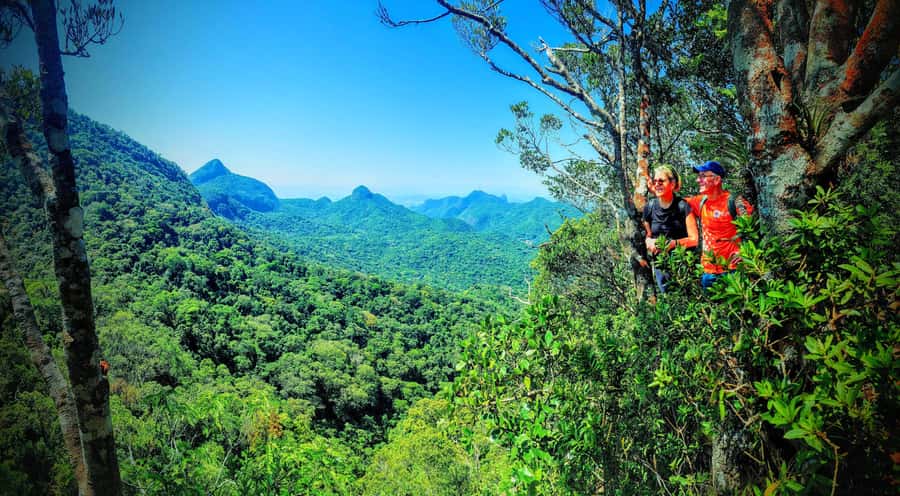
At the high point, the reward is not just one city view. The route reaches a viewpoint over the forest valley and another facing western Rio, the coast, and lagoons. Clear weather makes a major difference. Cloud, fog, or rain can reduce the long views, but the forest remains worthwhile in poor weather.
That weather point deserves attention. A cloudy day can mean less from the summit, while rain can affect the trail and shorten the route. One departure was changed to a shorter hike because of bad conditions. The operator may refuse participation if a person appears unable to manage the hike, so take the fitness warning seriously rather than treating it as routine legal language.
More hikes and treks around Rio de Janeiro
- Rio: Tijuca Forest Small Group Hike to Caves and Waterfalls
★ 4.9 · 536 reviews - Pedra do Telégrafo Hike and Beach Full-Day Tour
★ 4.5 · 417 reviews - Rio de Janeiro: Pedra da Gávea 7-Hour Hike
★ 4.7 · 183 reviews - Rio de Janeiro: Vidigal Favela Tour and Two Brothers Hike
★ 4.5 · 121 reviews
The quiet trail past old coffee-farm ruins
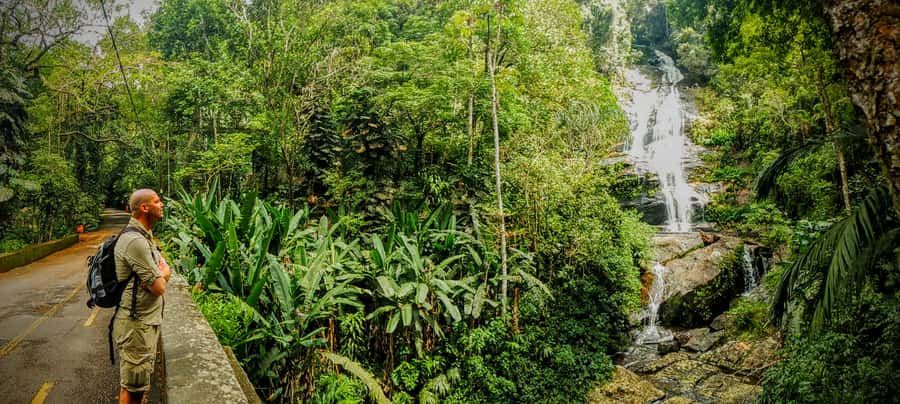
After the main viewpoint, the route heads farther into the forest. This is where the tour feels more unusual. The trail is described as rarely used by other people, giving you a better sense of being away from Rio’s main sightseeing circuit.
Within roughly an hour of additional up-and-down walking, you reach the ruins of an old coffee farm. These remains add meaning to the trees around you. The forest is not only a pretty patch of nature beside the city. It also reflects the effects of farming, later reforestation, and the changing relationship between Rio and its surrounding hills.
The guide’s explanation matters here. Without context, old stone walls can be easy to overlook. With background on coffee production and the reforestation of the 1800s, the ruins become one of the most interesting stops of the day.
This section also makes the outing less predictable than a simple summit hike. You are walking through a route that combines natural features with traces of human use. The price of that variety is that the trail may feel less polished and less straightforward than a city park path. That is part of the appeal, but it is another reason to wear sturdy footwear and listen to your guide.
Grottos, the Bat Cave, and careful footing
Further along, the route reaches a grotto and a cave in the rainforest. The itinerary also identifies the Bat Cave as a separate stop. These are short visits, about 15 minutes each, but they change the rhythm of the day and give you a chance to explore the forest’s rock formations.
Do not expect a large show cave with installed lights and walkways. The appeal is the setting: a natural opening in the middle of the forest, reached by a trail that few standard Rio tours use. You should be ready for damp ground, uneven surfaces, and limited comfort compared with a developed attraction.
The cave stops are also good examples of why a small group helps. A guide can explain the site, help the group move carefully, and keep the pace sensible. The tour is not designed for wheelchair users, and it is not suitable for anyone with a heart condition or another illness that makes hard physical activity unsafe.
Cascata da Baronesa and the cold-water reward
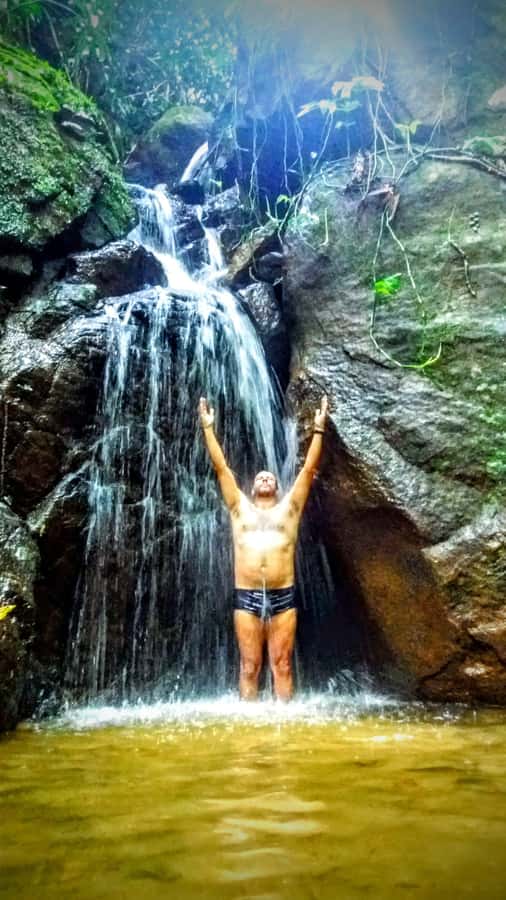
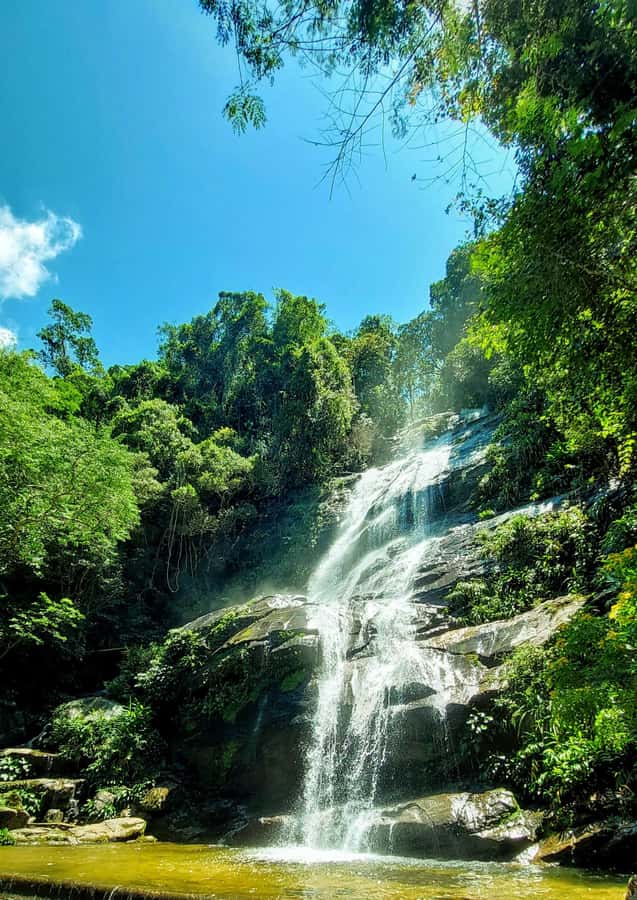
The waterfall is one of the most welcome stops after the long circuit. At Cascata da Baronesa, you can cool off with a waterfall shower or swim if conditions allow. Bring a swimsuit and towel if you want to use it.
Water flow changes with rainfall. After wet weather, the waterfall may be more impressive. During a drier period, it may be less powerful. You should treat the swim as a pleasant possibility, not the central promise of the outing.
The timing is good. The waterfall arrives after the cave and forest sections, when a cool rinse can feel like a proper reward. It also gives the day a different ending than a viewpoint alone. You have spent hours climbing, exploring, and learning, then get a chance to relax before returning to the vehicle.
Vista Chinesa, a useful extra when the road is open
On working days, the tour also goes to the Vista Chinesa summit after the hike. The stop provides another photo opportunity and can add a separate view to a day already full of forest scenery.
Vista Chinesa is not available by vehicle on weekends and holidays, so do not assume this stop will be included on every departure. The core hike still operates as its own experience. If this lookout matters to you, check the day of your tour and confirm the current plan with the operator.
The extra stop can be especially useful if you had already planned to visit Vista Chinesa separately. One guide included it on the return from the park, saving the time and planning needed for another outing.
What the guides add to the day
The route would be attractive on its own, but the guide makes a real difference. The strongest part of the guiding is the range of subjects. You can expect explanations about Tijuca Forest, Atlantic Forest plants, animals, old coffee farms, Brazilian history, Rio’s geography, and sometimes the country’s political system.
Gustavo, Ricardo, Pietro, Tito, Roberto, and Alex have all led departures. The style can vary, but the available accounts consistently describe guides who are friendly, active, and willing to answer questions. Several guides also take photos during the walk, which is useful when you are busy managing a steep section or enjoying the view.
Pacing is another important benefit. The guide can slow down for a less experienced member, as Tito did for an older participant, while still completing the route. That does not make the hike easy. It simply means the group has someone watching the pace and the conditions.
I would book this for the guiding as much as for the trail. A self-guided walk might show you trees, rocks, and viewpoints. A good guide helps you understand why the forest looks as it does and what came before it.
Is $86 a fair price?
At $86 per person, the tour is not the cheapest way to see Tijuca Forest. You are paying for a nine-hour day, hotel transport in the South Zone, a bilingual guide, insurance, and a small group capped at six. Food, drinks, and transport from outlying parts of Rio are extra.
For someone who wants a serious full-day hike without arranging transport, the price is reasonable. The small group also improves the value because you get more direct contact with the guide than on a large bus tour. The route includes several sites that are not part of shorter forest visits, including the coffee-farm ruins, grotto, cave, and waterfall.
The value drops if you are mainly looking for one quick city viewpoint. In that case, a shorter and less demanding outing may suit you better. This tour earns its price through time in the forest, not through a long list of famous monuments.
What to bring and who should skip it
Pack light. Large bags and luggage are not allowed, so use a small daypack. Bring:
- Plenty of water
- Snacks
- Hiking shoes
- Sunscreen
- Insect repellent
- Sunglasses
- A sun hat
- Swimsuit and towel if you want the waterfall
- A change of clothes if you expect to get wet
You need very good fitness for this hike. It is not recommended for children under 14, wheelchair users, people with heart problems, or anyone with a cardiovascular, pulmonary, or other condition that conflicts with difficult exercise.
Children older than 14 can join if they enjoy hiking and nature, but remember that the outing lasts eight to nine hours. The operator can refuse a participant who appears unable to endure the route. That policy protects the person, the guide, and the rest of the group.
Should you book this Tijuca Forest challenge hike?
Book it if you want a demanding day, enjoy walking on rough forest trails, and prefer a less obvious side of Rio. You will get more than a summit photo: old coffee-farm ruins, caves, a waterfall, possible wildlife, and a guide who can connect the forest to Brazil’s past.
Skip it if you dislike steep climbs, need a gentle sightseeing day, or mainly want guaranteed clear views. Weather can limit the viewpoints, waterfall flow changes with rain, and the 848-meter ascent is not a minor detail.
For fit hikers, this is one of the better ways to spend a full day in Tijuca Forest. The route is unusual, the group is small, and the guide’s local knowledge gives the long climb a purpose. At $86, it is a solid value for an active day with transport and personal guiding included.
FAQ
How long does the Tijuca Forest hike take?
The full activity lasts about nine hours. The hike itself takes about four to five hours and covers approximately 10.4 kilometers.
How much elevation gain is involved?
The route has an elevation gain of about 848 meters, or 2,782 feet.
Is this hike suitable for beginners?
The tour requires very good fitness and is rated hard. It includes uphill and downhill walking on rough terrain, so it is better suited to prepared hikers with some hiking experience.
What age is recommended for this experience?
The tour is not recommended for children under 14. Children older than 14 may join if they enjoy hiking and nature, but the full-day duration and hard route should be considered.
What languages are available?
The tour is offered with a live guide in English or Portuguese.
Is hotel pickup included?
Pickup and drop-off are included from designated hotels and hostels in Rio’s South Zone, including Copacabana, Ipanema, Leblon, Leme, Santa Teresa, Glória, Catete, Flamengo, and the Botafogo area. A nearby meeting point may be provided if your exact address is not covered.
Is food included?
No. Food, water, and other drinks are not included, so you should bring snacks and enough water for the hike.
Can I swim or shower at the waterfall?
You can refresh yourself at the waterfall and should bring a towel and swimsuit if you plan to use it. The waterfall’s water flow varies with the amount of recent rain.
Is Vista Chinesa included every day?
The tour goes to Vista Chinesa after the hike on working days. The viewpoint is closed to vehicles on weekends and holidays, so that stop is not available on those days.
Whole-day tours in Rio de Janeiro
- From Rio: Arraial do Cabo Day Trip with Boat Tour
★ 3.8 · 400 reviews - Arraial do Cabo Day Trip from Rio de Janeiro: Boat Tour & Beach
★ 4.5 · 390 reviews - From Rio de Janeiro: Petrópolis Day Trip with Optional Lunch
★ 4.3 · 203 reviews - From Rio de Janeiro: Arraial do Cabo Island Day Trip
★ 4.5 · 192 reviews
Full-day tours in Rio de Janeiro
- Rio de Janeiro: Angra dos Reis and Ilha Grande Full-Day Tour
★ 4.6 · 1,673 reviews - Full Day Tour to Angra dos Reis and Grand Island
★ 4.0 · 469 reviews - Rio de Janeiro Full-Day Sightseeing Tour
★ 4.7 · 121 reviews - City Tour Full Day in Rio: Christ the Redeemer and Sugar Loaf
★ 4.5 · 81 reviews
Just added in Rio de Janeiro
- Rio: Fluminense Match at Maracanã with Guide and Ticket★ 4.9 · 22 reviews
- The Best Food Tour: Taste the Most Authentic Flavours of Rio★ 4.7 · 18 reviews
- Explore Santa Teresa: Walking Tour★ 5.0 · 6 reviews
- Explore Fernando de Noronha: 7-Hour Ilhatour★ 4.9 · 3 reviews
- Favela Santa Marta: Walking Tour with local guide★ 4.8 · 41 reviews
- Helicopter flight no doors in Rio de Janeiro★ 4.7 · 22 reviews
- Discover Rocinha: Guided Tour of the Famous Favela★ 4.5 · 3 reviews
- Discover Noronha: 7-Hour Ilhatour Adventure★ 4.8 · 8 reviews
Tijuca Forest Tours, compared.

Jeep Adventure: Guided Tour through Tijuca Rain Forest
Read our review →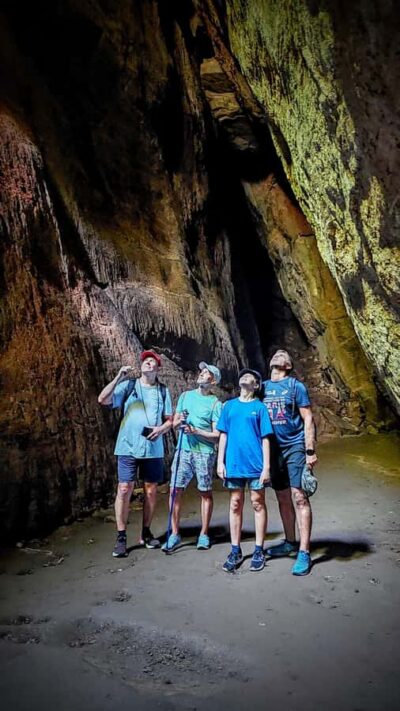
Tijuca Forest Small Group Hike to Caves and Waterfalls
Read our review →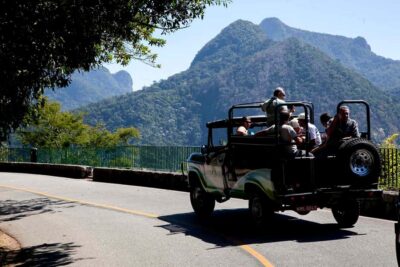
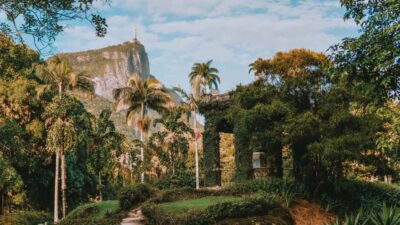
Rio de Janeiro Botanical Garden & Tijuca Forest Tour
Read our review →
Browse the lists this tour appears in