
Reviewed · SAO PAULO
São Paulo: Private 4-Hour Architecture Tour
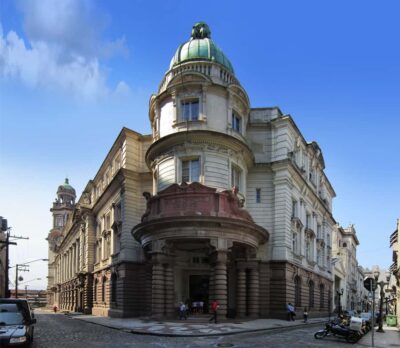
São Paulo’s architectural story is unusually easy to read in a single city tour. Colonial buildings, European-inspired façades, Art Deco, modernism, brutalism, and current design all share the same urban setting. The private vehicle lets you cover more ground than you could on foot, while your guide connects the buildings to the city’s growth.
I like the chronological approach, which begins with São Paulo’s earliest construction and moves through later styles. I also like the personal route planning. Doris has adjusted tours to individual interests, while Danilo adapted one route toward modern architecture and urbanism. The main drawback is the price: $290 for a private group of up to one person is a serious cost, so the value depends on how much you care about architecture and how many people can share the booking.
Key points at a glance
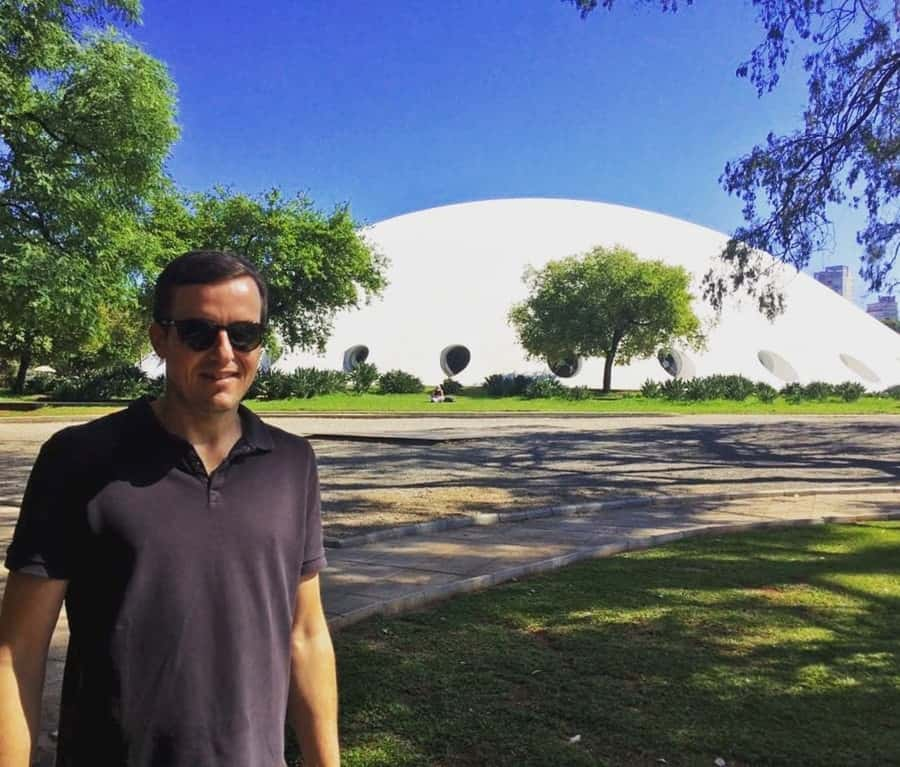
- Nine major styles in four hours: Look for Colonial, Neoclassical, Eclectic, Art Nouveau, Art Deco, Neocolonial, Modernist, Brutalist, and Contemporary work.
- A private vehicle covers a large city: Hotel pickup and drop-off from central São Paulo hotels save time and reduce the need to arrange taxis between areas.
- The route can follow your interests: Guides have adjusted tours toward modern buildings, contemporary design, or the city’s earliest construction.
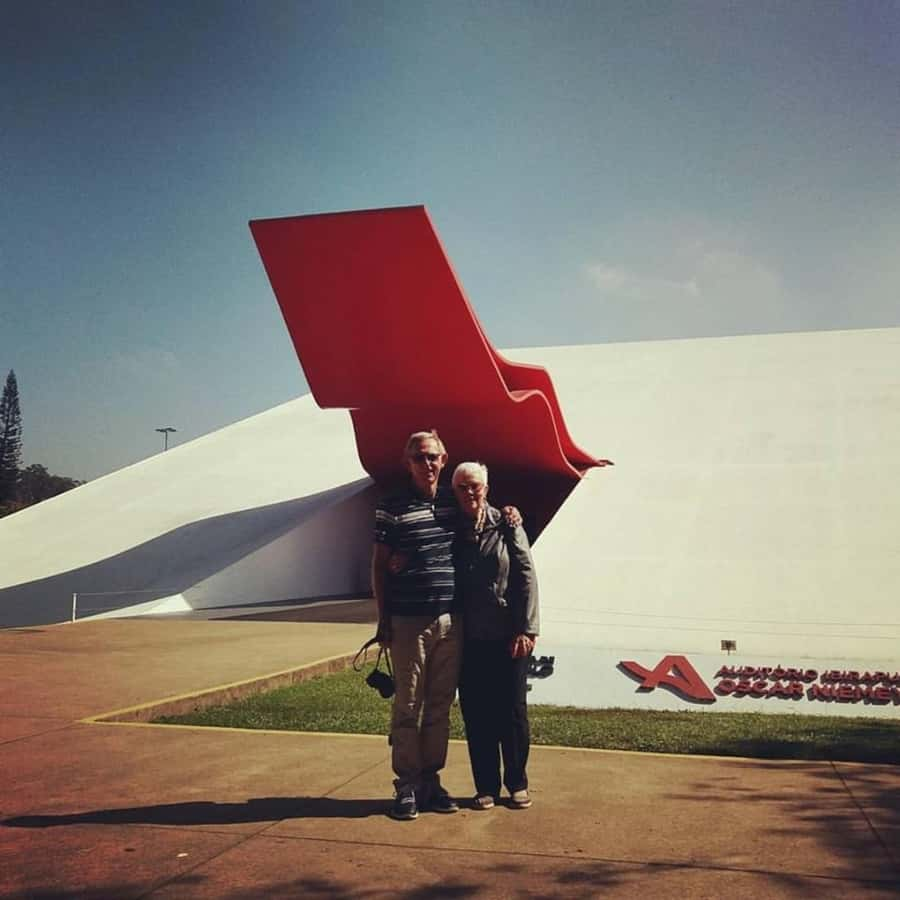
- Meet important Brazilian architects: The discussion includes Lina Bo Bardi, Oscar Niemeyer, Paulo Mendes da Rocha, Vilanova Artigas, Ruy Ohtake, Isay Weinfeld, and Ramos de Azevedo.
- Spanish, English, and Portuguese are available: This helps if your preferred language is not Portuguese.
- Allow for child-seat planning: Children up to age 10 need special seats, and children under 5 are not suited to the tour.
Why São Paulo works so well for an architecture tour
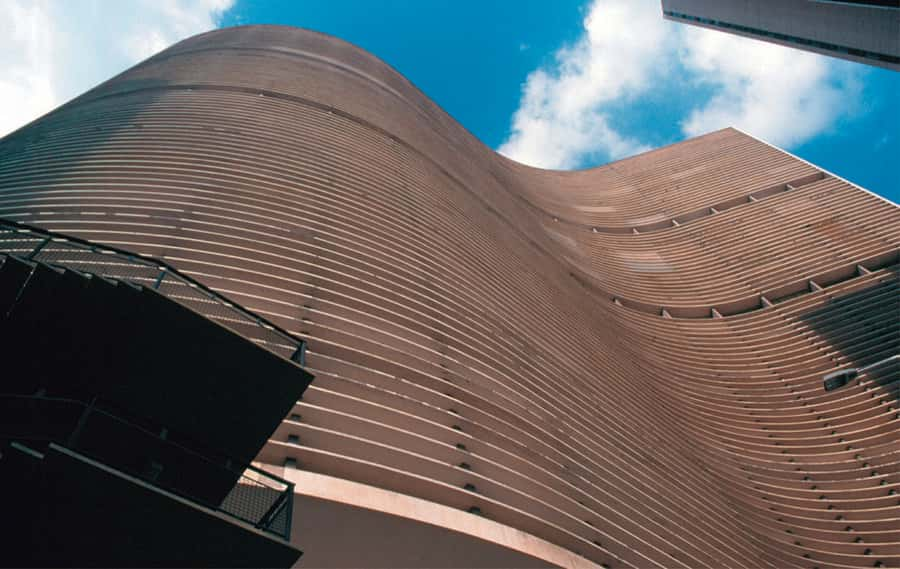
São Paulo can feel visually confusing at first. The city grew through several periods of expansion, and its buildings reflect that uneven growth. Instead of presenting one tidy architectural identity, it offers a sequence of changes layered across a huge urban area.
That makes a guide useful. You are not just looking at an old façade, a concrete structure, or a glass building. You are learning why different materials and design ideas appeared at different times, and how Brazilian architects developed their own answers to European influences.
The tour covers buildings connected with Colonial, Neoclassical, Eclectic, Art Nouveau, Art Deco, Neocolonial, Modernist, Brutalist, and Contemporary design. You should not expect every style to receive the same amount of time. Four hours is enough to create a strong framework, but not enough for a full survey of every building in the city.
I would treat this as an introduction with unusually good coverage. It is especially useful at the start of a São Paulo visit, when you want to understand what you are seeing later on your own.
A few more things to do in São Paulo
- Private São Paulo City Tour
★ 4.8 · 264 reviews - São Paulo 5 Hour Private Tour With Fruit Tasting
★ 5.0 · 93 reviews - 8-Hour Private Tour São Paulo: Major Tourist Attractions–Optional Airport Pickup
★ 5.0 · 79 reviews
Following the city from colonial construction onward
The strongest way to experience the tour is as a story of change. The route begins with São Paulo’s original construction and then moves forward chronologically. This gives you a useful point of comparison: early buildings made with organic materials look very different from the concrete experiments that came later.
The colonial section provides the foundation for the rest of the tour. It shows how the city began before later European styles became widely established in Brazil. The point is not simply to identify an old building. You are learning how local materials and early construction methods shaped the city’s first physical form.
From there, the route can introduce Neoclassical and Eclectic buildings. Neoclassical design often refers to a return to the formal balance and visual language of classical architecture. Eclectic buildings combine ideas from more than one tradition, which is part of the reason São Paulo can appear so varied from one block to the next.
Art Nouveau and Art Deco add another turn in the story. Their decorative details and different approaches to ornament help you see that architecture does not change only through structure. Surface, proportion, entrances, windows, and decorative motifs all signal a particular period.
The Neocolonial style is also part of the route. Its importance is easy to miss if you are only looking for age. A building can be relatively recent while borrowing heavily from colonial forms, and your guide can help separate genuine early construction from later attempts to recall it.
Modernism, concrete, and the architects behind the city
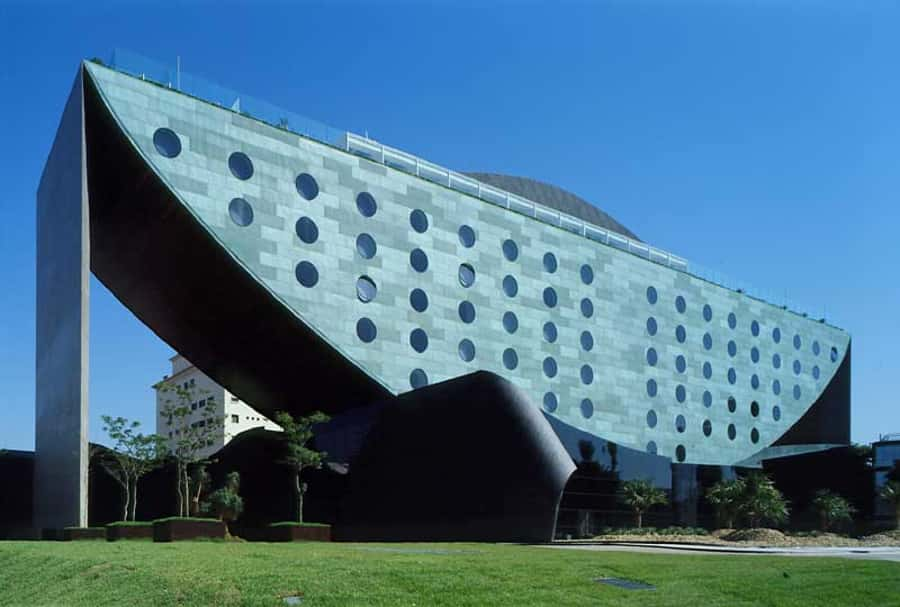
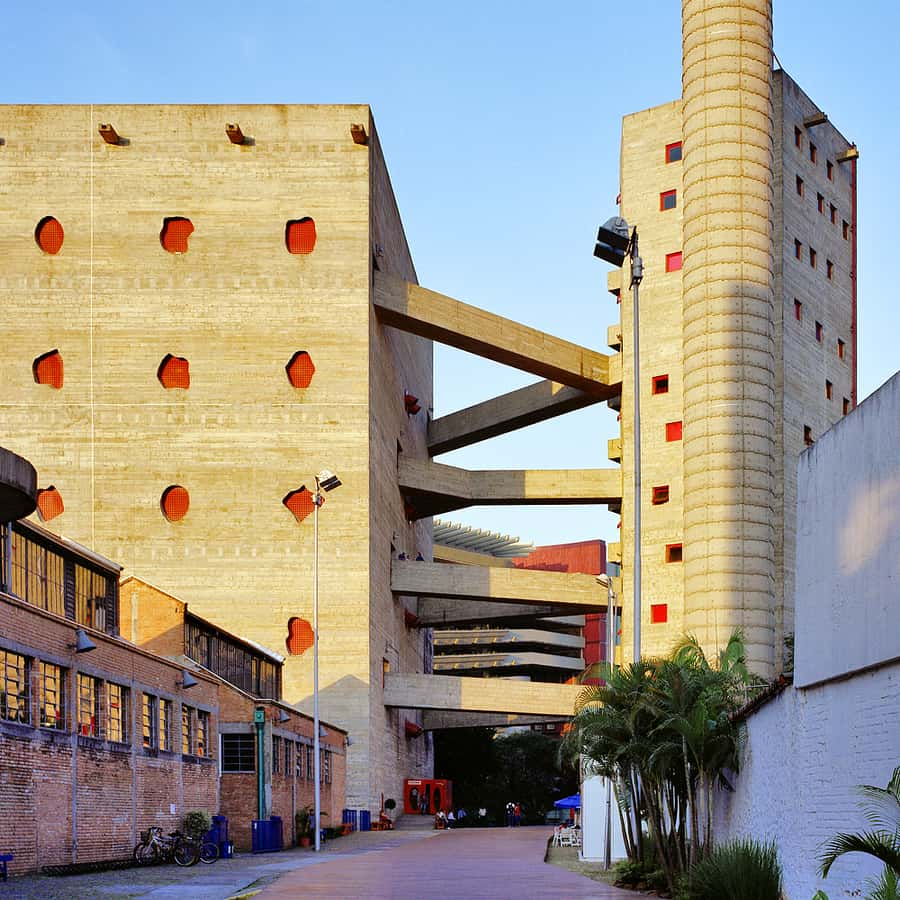
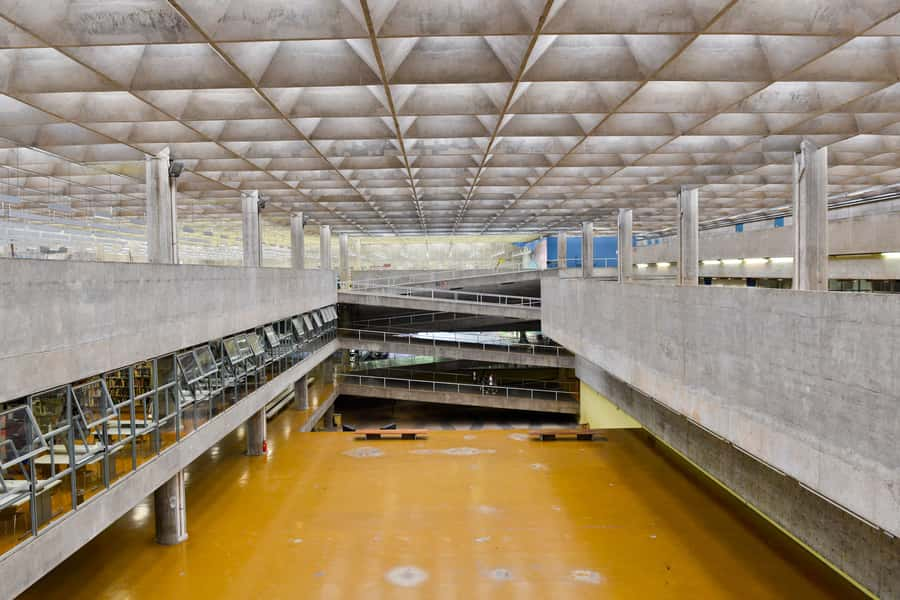
São Paulo becomes especially interesting for visitors who enjoy Modernist and Brutalist buildings. These styles are not just a late chapter added to an old city. They are central to the way many people understand Brazilian architecture today.
The tour introduces major figures such as Oscar Niemeyer, Vilanova Artigas, Lina Bo Bardi, and Paulo Mendes da Rocha. Each name represents a different part of Brazil’s architectural conversation, and a good guide can help you notice more than the famous silhouette of a building.
Lina Bo Bardi is particularly important in São Paulo. Her work is associated with strong social ideas, bold use of materials, and spaces intended for public life. Paulo Mendes da Rocha is known for powerful structural forms and a direct use of concrete. Vilanova Artigas is another key figure in Brazilian modernism, while Oscar Niemeyer is one of the country’s best-known architects internationally.
The value of this part of the tour is the connection between design and daily life. You can ask how a building receives people, how it handles open space, or how its structure affects the way you move through it. That is more useful than collecting a list of architect names.
Brutalism can divide opinion. Some people admire its exposed concrete and clear structural logic. Others find it heavy or severe. A private tour gives you room to discuss that reaction rather than simply accepting a standard judgment.
Contemporary São Paulo through a personal route
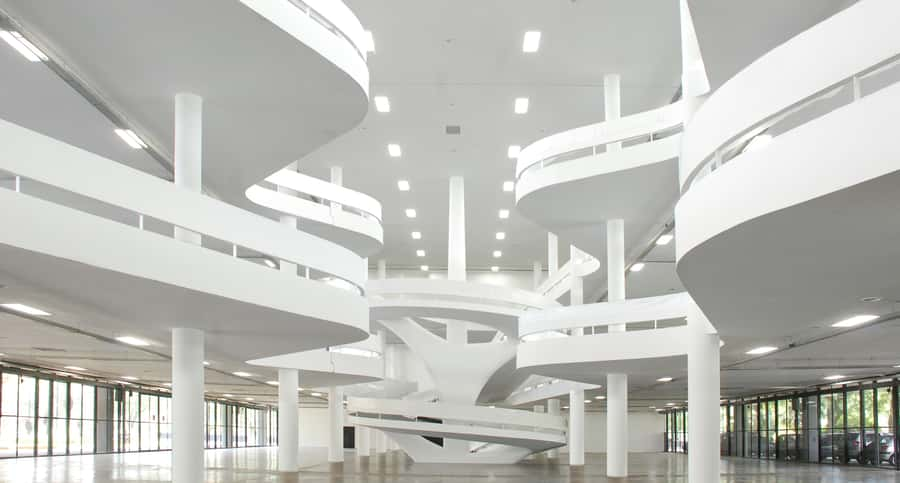
The final part of the architectural timeline reaches Contemporary work. The tour includes architects such as Ruy Ohtake and Isay Weinfeld, along with other designers connected to São Paulo’s later development.
This is where the private format can make a real difference. One guest specifically wanted current urbanism and contemporary architecture, and Danilo adjusted the route in that direction. If your interest is more specific than the standard architectural timeline, mention it when you book and again when the guide contacts you.
Doris has also tailored routes to personal interests and taken guests to favorite places they might not have found alone. That does not mean the tour follows a fixed list of secret stops. It means the guide can use the four-hour window intelligently, depending on what you want to see.
You might prefer early buildings, modern concrete, architectural details, or the way newer projects fit into the existing city. Tell your guide clearly. A private tour is most valuable when it becomes a conversation rather than a basic sightseeing circuit.
More Tours in Brazil
- São Paulo: Main City Sights in 7 Hours – Shared Group Tour
★ 4.9 · 587 reviews - São Paulo: City Highlights Guided Tour
★ 4.5 · 307 reviews - São Paulo: Downtown Historical Bike Tour
★ 4.9 · 191 reviews - From São Paulo: Santos, São Vicente & Guarujá Day Trip
★ 4.7 · 165 reviews
What the private vehicle adds
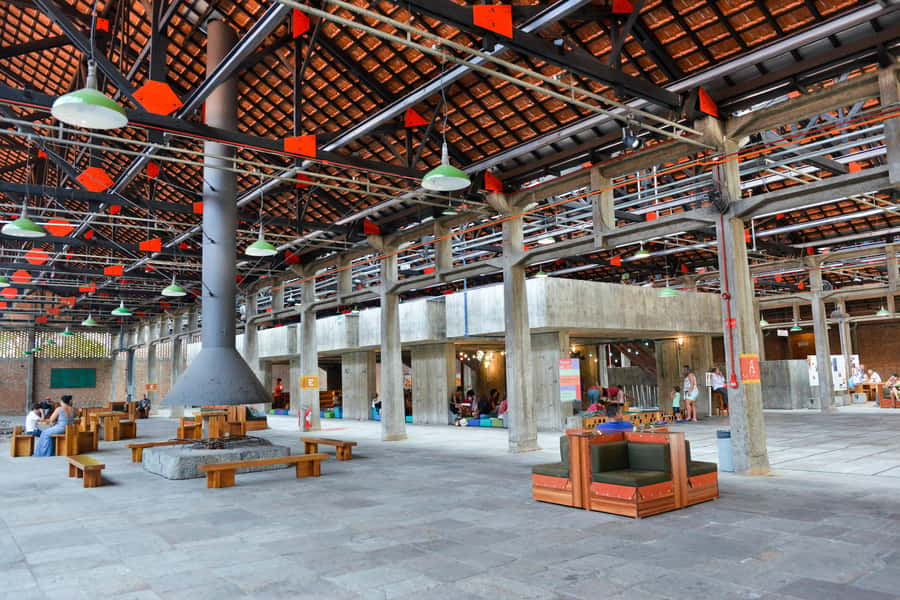
São Paulo is too large for an architecture tour that depends entirely on walking between distant examples. Private transportation lets you move between parts of the city without spending much of the four-hour period arranging rides or waiting in traffic on public transport.
Hotel pickup and drop-off are included for hotels in central São Paulo. That is practical, especially if you are still getting used to the city or want a focused morning or afternoon without planning the route yourself.
The vehicle also gives you a place to pause between buildings. You may view some architecture from outside rather than enter every building, so ask your guide what will be possible on the day. The supplied information promises examples of many styles, but it does not promise interior access to every site.
There is a tradeoff. A vehicle-based route can show you more of São Paulo, but it gives you less unplanned street wandering than a walking tour. If you want long visits inside buildings or time to sketch every façade, four hours may feel short. If you want broad coverage and clear explanation, the vehicle is a sensible choice.
The guides and the quality of the explanation
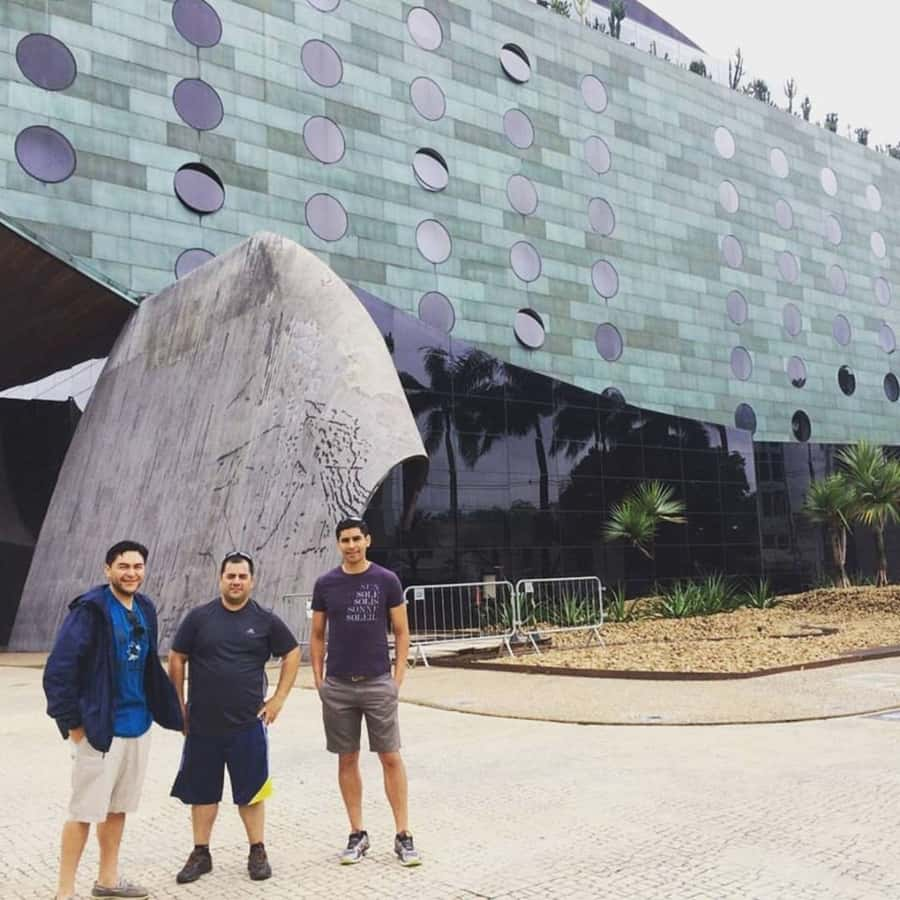
The most consistently praised part of this experience is the guiding. Doris has led the tour in a warm, flexible way, with particular attention to personal interests. Danilo has been described as punctual and precise, with an ability to shift the focus toward contemporary architecture and urbanism. Bruno has handled both guiding and driving, combining city history with explanations of individual buildings.
Those different guide experiences suggest that the exact personality of your tour may vary. That is normal on a private experience. The important point is that the guide is not simply transporting you between photo stops. The role includes explaining São Paulo’s development and the architects connected with it.
Language choices are English, Spanish, and Portuguese. If you have a strong preference, select it when booking. A bilingual guide is especially helpful here because architectural terms and historical context can become difficult to follow when translated casually.
Punctuality also matters on a four-hour tour. Bruno was noted for arriving on time and returning to the hotel as planned. Since the day is tightly limited, a late start would reduce the number of buildings you can see.
Cost and who gets good value
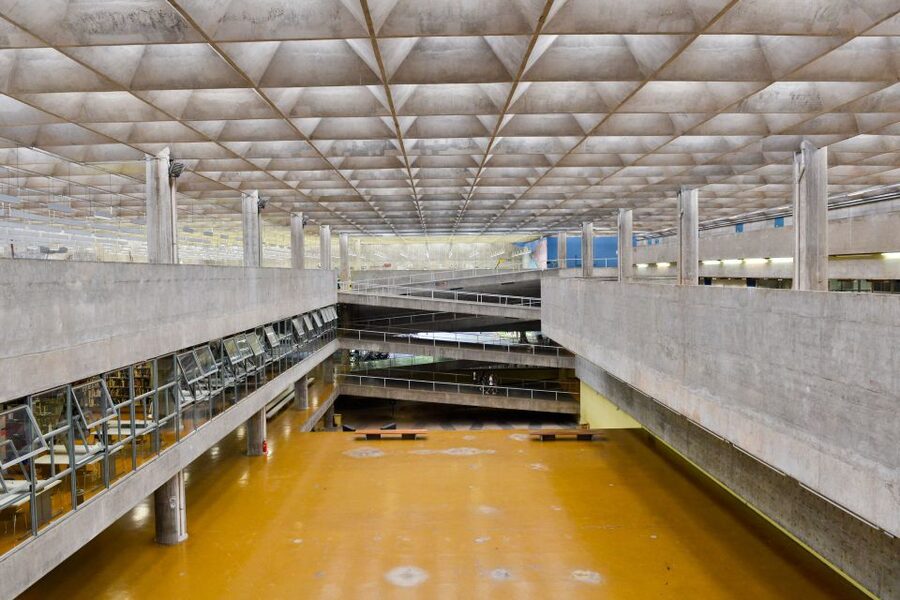
The listed price is $290 per group up to one person. That is expensive for four hours if you are comparing it with a standard group sightseeing tour. The price becomes easier to defend if you value private transportation, a route shaped around your interests, and direct access to a guide who can answer detailed questions.
For one person, the cost is a premium. For a booking whose final group terms allow additional people, the price may make more sense when shared, but you should confirm the exact group limit and total cost before paying. The supplied booking details describe the price as applying to a group up to one person, so do not assume that a larger party is included.
I would not choose this tour simply to see famous buildings from a car window. You need to care about the explanation. If you have studied architecture, work in design, or enjoy understanding how cities develop, the private format offers real value.
It is also useful for a short stay. Four hours can give you a structured overview without taking a full day. You leave with names, styles, and visual clues that make later sightseeing more rewarding.
Practical comfort, timing, and family limits
The tour lasts four hours, with starting times dependent on availability. Wear comfortable shoes, even though the main transport is private. You may still walk around buildings, spend time outside, and move between viewing points.
Sunglasses, a sun hat, and a camera are sensible items to bring. Food and drinks are not included, so plan around the tour rather than expecting a meal break as part of the experience.
The tour is wheelchair accessible, which is an important advantage. Still, accessibility can vary from one building or outdoor stop to another, so discuss your needs when arranging the route.
Children under 5 are not suited to the tour. Children aged 5 to 10 require special transport seats, and you must provide that information in advance. Without advance notice, the operator may not be able to run the tour for children in the reservation.
Pets, smoking, and unaccompanied minors are not allowed. These rules are simple, but they matter because this is a private vehicle experience with a fixed schedule.
Cancellation is flexible up to 24 hours before the start for a full refund. You can also reserve now and pay later, which helps if your São Paulo plans are still shifting.
Who should book this architecture tour
I would recommend it most strongly to adults and older children who already have some interest in buildings, city planning, or Brazilian culture. You do not need an architecture degree. Curiosity is enough, but you should want more than a quick list of sights.
It is a good fit for:
- First-time visitors who want a clear introduction to São Paulo
- Architecture students and design professionals
- Visitors focused on Modernist, Brutalist, or Contemporary work
- People who prefer a private guide to a large group
- Anyone who wants hotel pickup and a vehicle between widely separated sites
- Spanish, English, or Portuguese speakers who want a guided explanation
I would be more cautious if your priority is food, shopping, nightlife, or long interior visits. Those are not the focus here. The tour is also less suitable for very young children, particularly because children under 5 cannot join.
Should you book the four-hour private tour?
Book it if São Paulo’s buildings are part of the reason you are visiting. The combination of a chronological route, private vehicle, bilingual guide, and flexible focus gives you a useful way to read a complicated city in limited time.
Before booking, decide what you want to see most. Tell the operator if you prefer colonial construction, Modernist design, Brutalism, or current urbanism. Doris, Danilo, and Bruno have each shown an ability to adapt the experience, but the route will be better if you state your interests early.
Skip it if $290 feels too high for a four-hour private outing or if you mainly want a general city tour. For the right audience, though, this is a focused and unusually practical introduction to São Paulo’s architectural story.
FAQ
How long is the São Paulo architecture tour?
The tour lasts four hours.
What languages are available?
The live guide can conduct the tour in English, Spanish, or Portuguese.
Is the tour private?
Yes. It is offered as a private group experience.
Is hotel pickup included?
Yes. Pickup and drop-off are included for hotels in central São Paulo.
Is transportation provided during the tour?
Yes. Transportation is provided by private vehicle.
Is the tour wheelchair accessible?
Yes, the activity is listed as wheelchair accessible.
Can children join the tour?
Children under 5 are not suitable for the tour. Children aged 5 to 10 require special seats, and the operator must be informed in advance.
Just added in São Paulo
- REIKI – Crystal Therapy – by Venus’ Secret Spa – San Francisco★ 5.0 · 41 reviews
- Terraço Italia Restaurant experience★ 4.5 · 43 reviews
- Art Of Wine – Travel Through The So-Called Wine Route Visiting Various Wineries★ 5.0 · 40 reviews
- Private Half-Day Guided Tour to São Paulo★ 5.0 · 50 reviews
- Private Street Art Tour of São Paulo with Batman´s Alley Visit★ 5.0 · 30 reviews
- Full Day Private Beach Tour Santos & Guarujá – Combine Culture, History & Beach★ 5.0 · 37 reviews
- Private Tour: São Paulo’s Top Attractions–6 Hours, Hotel/Airport★ 5.0 · 50 reviews
- Gastronomic Tour São Paulo – Culture & History Through The Art Of Food – Private★ 5.0 · 50 reviews
Tours in Sao Paulo, compared.
Main City Sights in 7 Hours – Shared Group Tour
Read our review →
São Paulo 5 Hour Private Tour With Fruit Tasting
Read our review →
Downtown-Center History Walking Tour – in English
Read our review →Browse the lists this tour appears in